

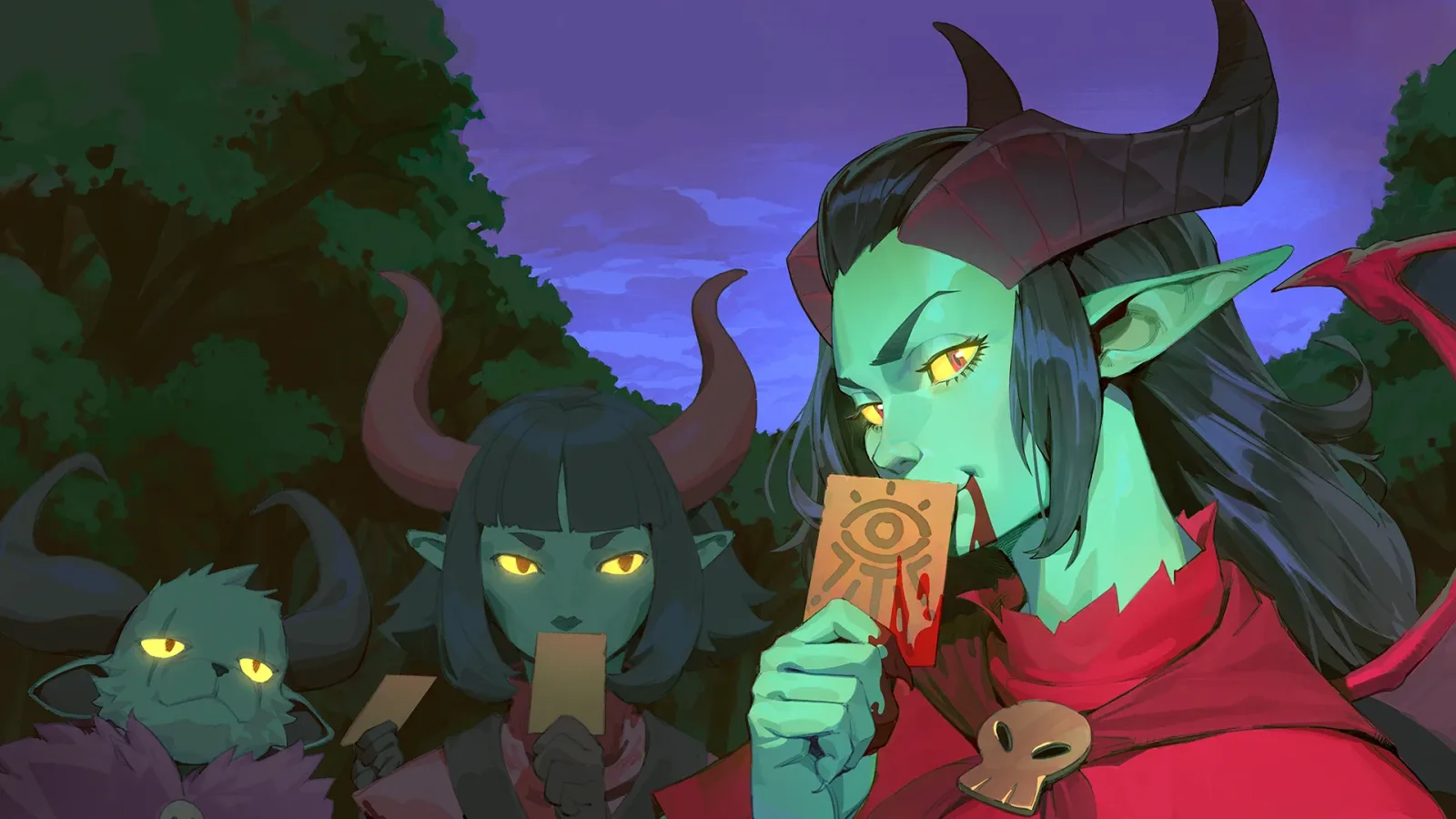
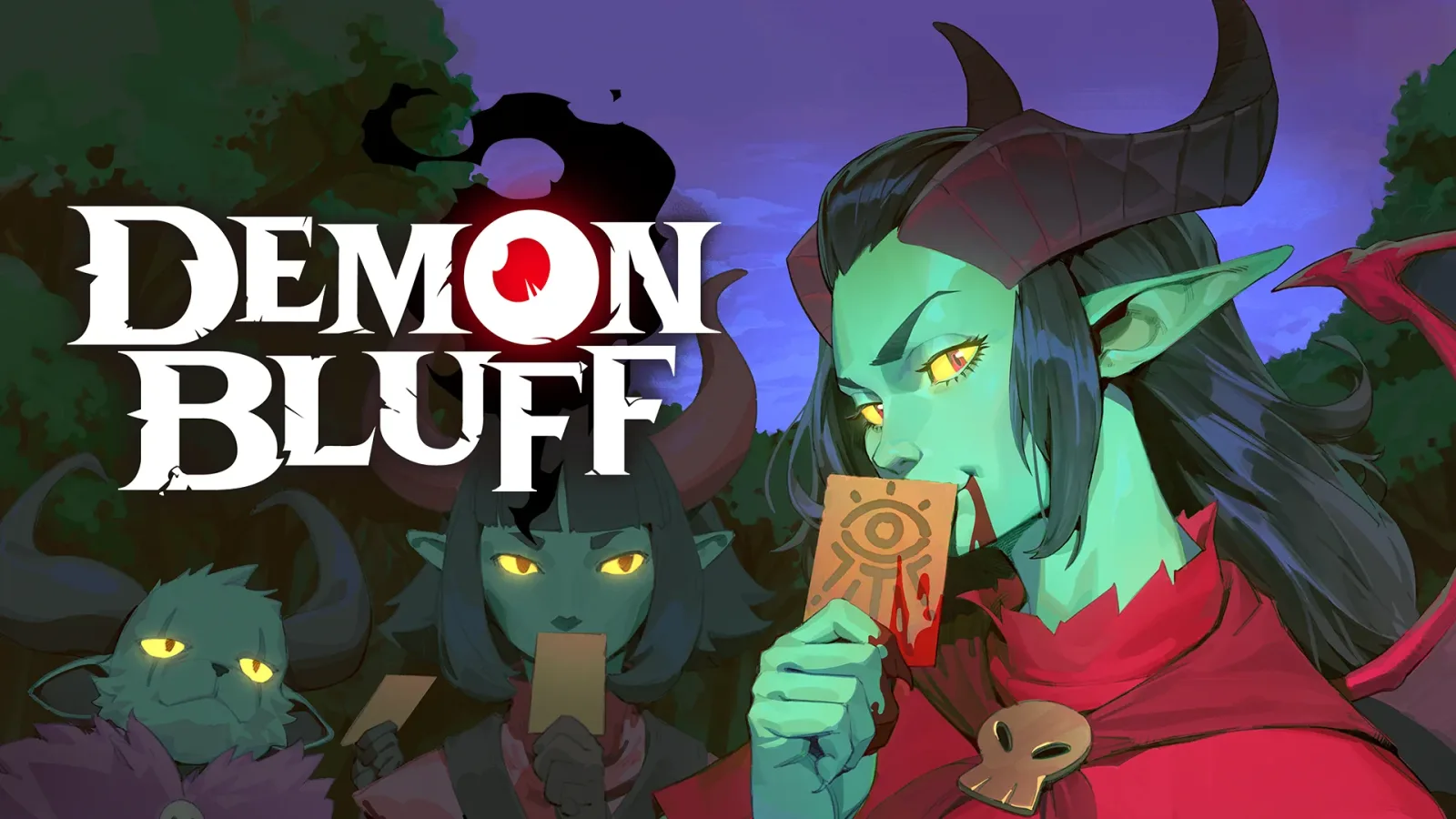
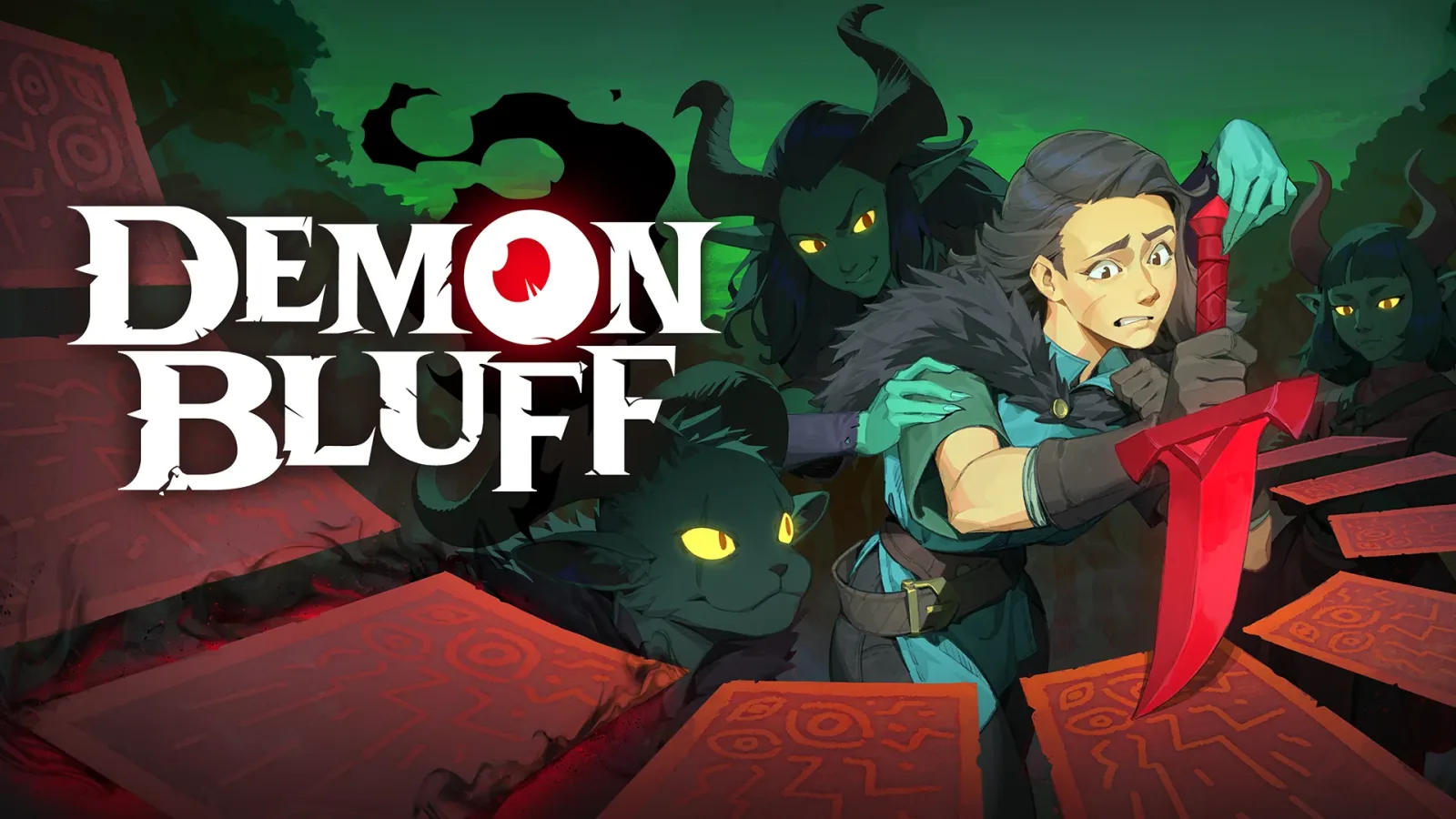
Demon Bluff, the upcoming single-player social-deduction roguelike from offbrand games and UmiArt, is planned to launch on Steam in November 2026. The release window was revealed during the Convergence Games Showcase alongside a new trailer and updated press materials. A more precise release date has not yet been announced.
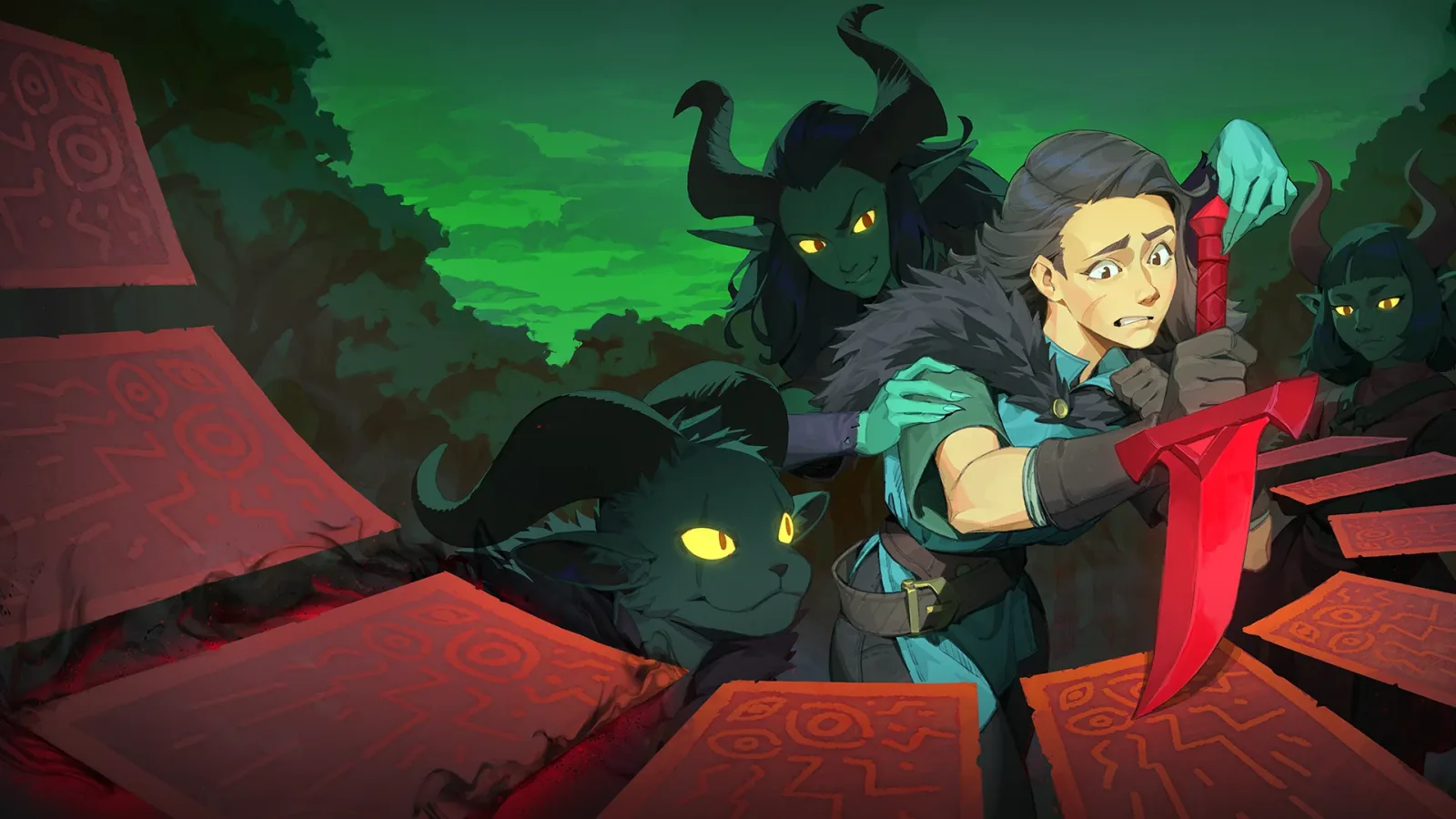
The game takes the tension and suspicion commonly associated with multiplayer deduction games and reframes it as a solo, repeatable puzzle. Rather than persuading a table full of human players, Demon Bluff asks players to inspect evidence, assess a set of Villager cards, and identify the one character concealing a far more dangerous identity: a lying Demon in disguise.
Getting the answer right means cleansing the village. Selecting the wrong target ends the run, sending players back to begin another attempt. That failure-and-retry structure places Demon Bluff firmly in roguelike territory, while its deduction premise makes every choice depend on careful observation rather than combat reflexes.
A deduction game built for repeat runs
Demon Bluff's central question is simple: who can be trusted? Each run presents a village populated through cards, with clues intended to help distinguish truthful villagers from the Demon. The challenge is not merely finding suspicious details, but deciding which details matter, what information may be misleading, and when a plausible accusation is strong enough to risk an irreversible choice.
For useful background on this topic, read Rainbow Six Mobile Will Shut Down in January 2027, Less Than a Year After Global Launch.
That setup gives the game a notably different rhythm from a conventional roguelike. In many games in the genre, a run is driven by escalating battles, loot decisions, or character-building combinations. Here, the pivotal decision is an accusation. A player's progress relies on reading the available information correctly and resisting the temptation to lock in a conclusion before the evidence is convincing.
The roguelike format also means a failed deduction is not presented as the end of the experience. It is the start of another run and another chance to understand the game's systems, clue language, and possible deceptions more clearly. For a premise centered on inference, that loop could make learning from mistakes as important as solving any individual village.
The developers have described Demon Bluff as a social-deduction game, but its single-player approach is a key part of the pitch. It removes the need to assemble a group, wait for votes, or depend on players successfully performing a role. Instead, the game focuses the familiar suspicion of the genre into a personal investigation, where the player has to make sense of every card and ultimately live with the result.
Steam interest has grown through testing
Before its planned release, Demon Bluff has already attracted substantial attention on Steam. The game has reached the platform's Top 250 and accumulated roughly 230,000 wishlists, an early indicator that a large number of PC players want to keep track of its eventual launch.
Its playtest has also drawn nearly 300,000 players. The developers report that average playtime during the test approached six hours, suggesting that many participants spent more than a brief session sampling the concept. For a game whose core appeal is repeated deduction runs, sustained test engagement is particularly relevant: it indicates players were willing to revisit the card-based mysteries after seeing the basic loop.
Playtests can change considerably before a full release, and the announced November window leaves room for further iteration. Still, the reported participation gives the team a substantial pool of player experience to draw on while refining the game. It also means Demon Bluff will arrive with a community that has already had opportunities to discuss strategies, share discoveries, and test the limits of its systems.
Community creations extend the card-game premise
Demon Bluff's Discord community has grown beyond 8,800 members, with players producing mods, custom cards, and daily puzzles. Those creations fit naturally with a game centered on interpreting card information. Custom content can introduce fresh patterns of evidence and new forms of uncertainty, while daily puzzles offer a recurring way for players to compare how they approached the same problem.
The presence of mods and player-made cards also points to the flexibility players see in the game's setup. Social deduction is often shaped by its participants: people invent house rules, develop tells, and create stories around tense votes. Demon Bluff does not rely on a live group around a table, but community-made material may provide a comparable sense of variety by giving players additional cases and card combinations to investigate.
That community activity is especially useful for a game with a straightforward premise that can be immediately understood in a short clip. The question of whether a particular villager is hiding something is easy to grasp, but the reasons behind an answer can create discussion. Different interpretations of clues, successful runs, devastating mistakes, and unusual custom scenarios all provide material for players to trade theories over.
Northernlion has contributed to development
Streamer Northernlion has assisted Demon Bluff's development in several capacities. His involvement has included funding, playtesting, design feedback, and promotional support. The game has also received viral attention from multiple content creators.
That support is well suited to the game's format. Deduction games tend to encourage reaction, debate, and hindsight, particularly when an apparent answer turns out to be wrong. A short sequence can show a player weighing clues, committing to an accusation, and either clearing the village or immediately losing the run. Those compact moments are easy for viewers to follow even without extensive knowledge of the game's broader systems.
Content creators can also help show the range of thought that Demon Bluff invites. One player may focus on a single contradiction, while another may work methodically through every clue on the board. The game's success will ultimately depend on how clear, surprising, and replayable those deductions feel in players' hands, but its early visibility has already helped introduce the concept to a wider audience.
What has and has not been announced
At present, the confirmed release plan is a November 2026 launch on Steam. No specific day within that month has been provided, and the developers say additional information will be shared ahead of release. No other platform releases have been announced.
The newly revealed window gives interested players a clearer target after the game's testing period, but several details remain open. It is not yet known what the final version's full progression structure will include, how much of the community-created material will be supported at launch, or whether further public testing will take place before release. Those questions may be answered as the release approaches.
For now, Demon Bluff is shaping up as a distinct take on two well-established ideas: the paranoia of social deduction and the repeatable structure of roguelikes. Its promise is not about outlasting opponents through conversation or mastering an action-heavy challenge. It is about looking at a village full of information, identifying the lie hidden within it, and accepting that one bad call can end everything.
With a large playtest audience, a growing creator presence, and hundreds of thousands of Steam wishlists already behind it, Demon Bluff enters its final stretch toward November 2026 with meaningful momentum. Players will have to wait for the exact date, but the core proposition is already clear: study the cards, trust the right clues, and make sure the villager you condemn is truly the Demon.

Community
Discussion
Start the conversation.
No comments have been posted yet.