

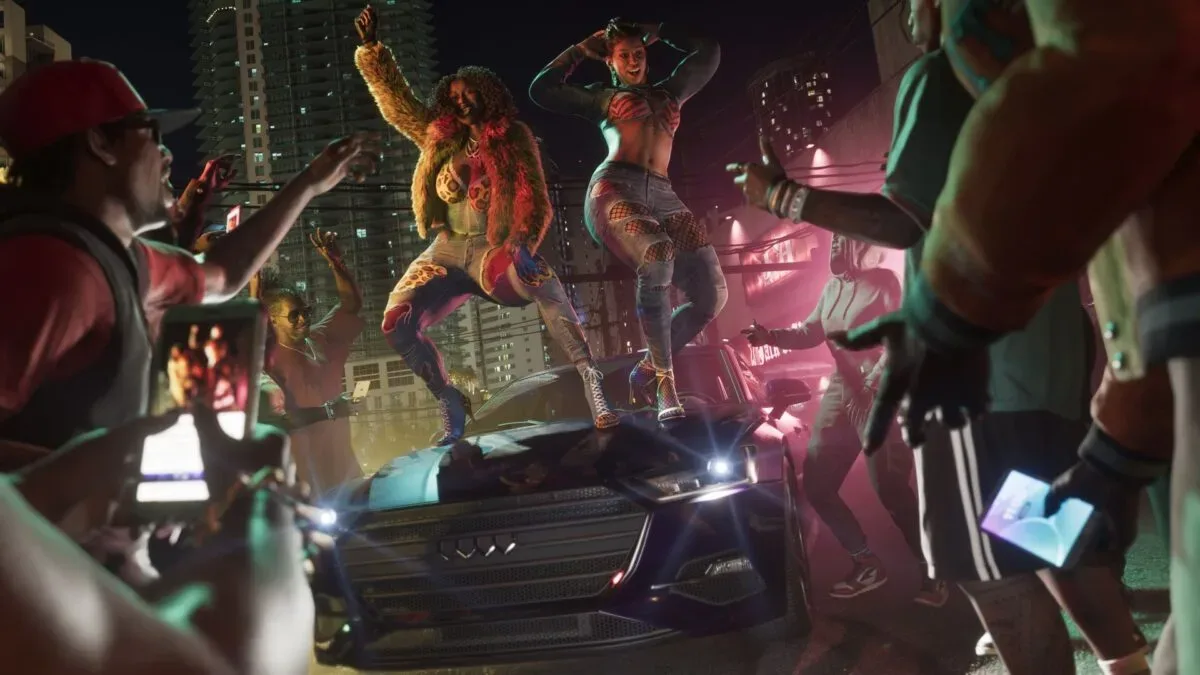
Rockstar Games employees in the United Kingdom are set to vote on whether to establish a recognized union at the company, with the ballot scheduled to run from November 12 through November 26. The timing puts the vote directly alongside one of the most consequential periods in Rockstar's recent history: Grand Theft Auto 6 is due to launch on November 19, midway through the voting window.
The proposed union would be affiliated with the Independent Workers' Union of Great Britain, commonly known as the IWGB. If workers vote in favor of recognition, it would become the largest recognized union in the UK video game sector. The ballot follows months of discussions between organizing employees and Rockstar management, as workers seek a formal collective voice over workplace policies and conditions.
While GTA 6's release will naturally dominate attention across the games industry, the overlapping vote means Rockstar's UK workforce will be making a decision with potentially long-term consequences for how the studio operates after launch. It is also taking place as an employment tribunal continues to examine a separate dispute connected to Rockstar's unionization effort.
A vote after months of recognition talks
Organizing workers and Rockstar management have reportedly been in discussions since July about a voluntary union-recognition agreement. A recognition deal would establish a formal relationship between the company and the union, allowing employee representatives to participate in discussions over issues that affect the workforce.
For useful background on this topic, read Shelley Duvall's Fragile Screen Presence Still Echoes Through Horror Games.
Among the areas workers want a recognized union to address are:
- Pay and bonus arrangements
- Overtime and workload concerns
- Redundancies and job security
- Flexible-working policies
- Company rules surrounding generative AI
Those subjects reflect several of the most pressing labor questions now facing game development. Compensation and overtime have long been major points of concern in an industry where large projects can demand intense work during key production stages. At the same time, layoffs and studio restructuring have made redundancy protections increasingly important to employees across the sector. Generative AI has added another emerging issue, as workers seek clearer limits and safeguards around the technology's use in creative and technical work.
Workers had previously called on Rockstar to voluntarily recognize the union before GTA 6 arrived. Rather than reaching an agreement ahead of the launch, the question is now proceeding to a vote. The ballot will be held over two weeks, beginning a week before GTA 6's scheduled release and ending one week afterward.
The overlap makes the situation unusual. A major release is typically a period when a studio's focus is tightly fixed on launch support, player response, technical stability, and the transition from development to post-release operations. Here, Rockstar's UK staff will also be deciding whether the company should formally negotiate with an employee union during that same high-pressure stretch.
Why recognition matters
A successful recognition vote would not simply create a worker group within Rockstar. It would establish a process through which the union could represent employees in discussions with management on workplace matters. The precise shape of any eventual agreement would depend on future negotiations, but recognition is the key step that gives collective organizing an official place in the company's labor relations.
For the UK game industry, the scale of a successful vote would be significant. The sector has seen growing interest in labor organizing, particularly as developers confront persistent concerns around crunch, changing workplace arrangements, job cuts, and uncertainty surrounding new production technologies. A recognized Rockstar union would stand out not only because of the company's prominence, but also because the studio is responsible for one of the largest and most anticipated games in the industry.
It is important, however, not to treat recognition as an immediate solution to every workplace dispute. A yes vote would open the door to formal representation and future bargaining; it would not automatically settle questions about pay, bonuses, AI rules, or flexibility. Those would remain subjects for discussions between employee representatives and management.
Still, a positive result would give workers a structured mechanism to raise those issues collectively. For employees, that can mean greater consistency in how concerns are presented and addressed. For management, it would mean engaging with a recognized representative body rather than handling those matters solely through existing internal channels.
Tribunal dispute remains unresolved
The vote is unfolding alongside an ongoing employment tribunal case involving Rockstar and a group of former employees connected to the organizing campaign. Last October, 31 individuals involved in the developing union effort were dismissed from the company.
Members of the union effort have alleged that the dismissals were an act of union busting. Rockstar has rejected that characterization, maintaining that the employees were terminated for gross misconduct and for no other reason. The company later said the dismissals related to discussions of company secrets in an external channel.
The distinction at the center of the case is substantial. The former employees and their supporters argue that the action was tied to union activity, while Rockstar's position is that the terminations were based on misconduct involving confidential information. The tribunal process is examining the dispute as the union-recognition ballot moves forward.
Recent hearing proceedings have also brought attention to an allegation that there was a "mole" inside the union's Discord server. The individual was alleged to have passed information to Rockstar in exchange for time off. That claim has added another layer to an already sensitive conflict, illustrating the distrust that can emerge when workplace organizing and internal confidentiality concerns collide.
Closing submissions in the tribunal are expected on November 17 and 18. Those dates are particularly notable because they fall immediately before GTA 6's November 19 launch and during the union vote itself. As a result, several major developments--the tribunal's final arguments, the game's release, and the employee ballot--will all converge within a matter of days.
GTA 6 launch adds extraordinary pressure to the calendar
Grand Theft Auto 6 is not merely another release on Rockstar's schedule. It is one of the industry's defining launches, and its arrival will bring extraordinary scrutiny to the studio. The game's commercial performance, critical reception, technical rollout, and ongoing support will all be closely watched.
That context does not determine how workers will vote, but it makes the timing impossible to separate from the wider story. Employees will be considering a major decision about representation while the studio enters a period likely to require rapid communication, careful coordination, and attention to the demands of a high-profile launch.
For workers seeking recognition, the moment may underscore why formal representation is needed. Launch periods can make questions around workload, overtime, compensation, and flexibility feel especially immediate. For Rockstar, the ballot arrives at a point where operational focus will be at an absolute premium. The company's response to the eventual result may therefore be watched just as closely as the vote itself.
The result will also carry implications beyond one studio. A successful recognition effort at a company as visible as Rockstar could encourage further organizing discussions elsewhere in the UK games business. A rejection would not necessarily end those conversations, but it would leave the immediate campaign without the formal recognition organizers are pursuing.
What happens next
The immediate timeline is clear. Voting begins on November 12, the tribunal's closing submissions are expected on November 17 and 18, GTA 6 launches on November 19, and the ballot concludes on November 26. The eventual outcome of the vote will determine whether IWGB-affiliated workers gain recognized collective representation at Rockstar in the UK.
Until then, the studio faces an unusually dense and consequential November. GTA 6's launch will be a landmark event for Rockstar, but the union ballot ensures that the company's workplace practices and labor relations will remain central to the conversation as well.
Whatever the result, this is a notable moment for game workers in the UK. The vote places questions about employee power, collective bargaining, workplace protections, and the future use of generative AI at the heart of one of gaming's biggest releases. Rockstar's UK employees are not only entering a defining launch period for the company--they are deciding whether to reshape their role within it.
Community
Discussion
Start the conversation.
No comments have been posted yet.