

SACRATA, the isometric 3D dark-fantasy loot-survivor from SuperLimber Studio, has begun its first-ever playtest. The PC game is being positioned as a high-spectacle horde-action experience in which deadly goddess characters take on overwhelming waves of enemies, gather loot, and face imposing boss battles.
The initial testing phase arrives with notable early interest already behind the project. SuperLimber Studio says SACRATA has surpassed 60,000 Steam wishlists so far, a substantial marker of attention for a game that is only now reaching its first playable public-facing milestone. A Steam page and press materials are available, while the developer has indicated that future builds and updates may be provided to those continuing to follow the game.
No final release date, price, or additional platform plans have been announced. For now, SACRATA is confirmed for PC through Steam, and the current focus is on its earliest playtest period.
A dark-fantasy spin on the survivor formula
SACRATA sits in the increasingly expansive space often described as survivor-like or loot-survivor action. The broad appeal of that format is easy to understand: players are placed under immediate pressure, rapidly build power during a run, and eventually turn what began as a desperate fight for survival into a screen-clearing display of escalating abilities and enemy destruction.
For useful background on this topic, read RuneFest 2026 Reveals RuneScape's Next MMO, Reignited Relaunch and Major Roadmaps.
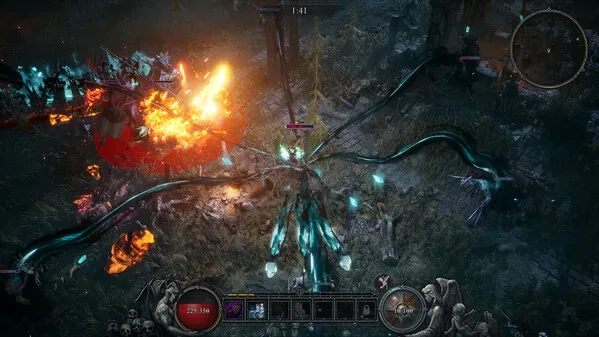
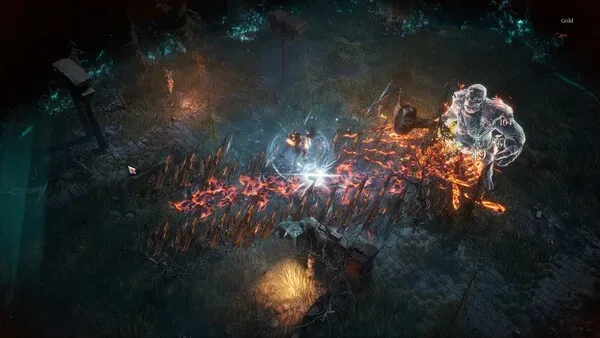
SuperLimber Studio's game aims to bring that familiar momentum into a more dimensional presentation. Rather than using a traditional top-down 2D view, SACRATA uses an isometric 3D perspective. That choice can matter beyond appearances. A 3D battlefield has the potential to give enemy crowds, attacks, environmental space, and boss-scale threats a stronger sense of depth, while retaining the readable angled viewpoint that suits rapid movement through large groups.
The game's dark-fantasy setting is central to its identity. Its playable combatants are goddesses, described as deadly figures with visually distinct designs. In a genre where players can spend long stretches watching dozens or even hundreds of enemies collapse around a single character, a strong silhouette and an immediately recognizable character style are important. SACRATA appears to be leaning into that idea, pairing its mythic warriors with a gothic, hostile world and a combat presentation designed for big visual payoffs.
Hordes, loot, and spectacle are at the center
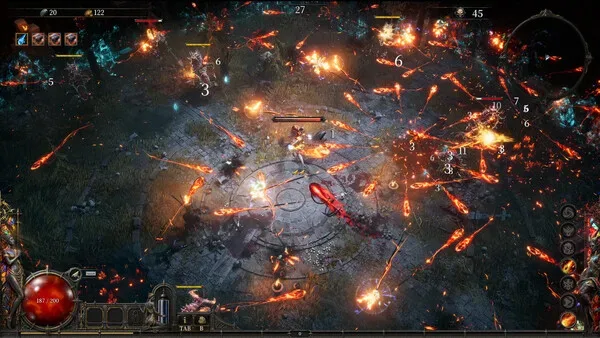
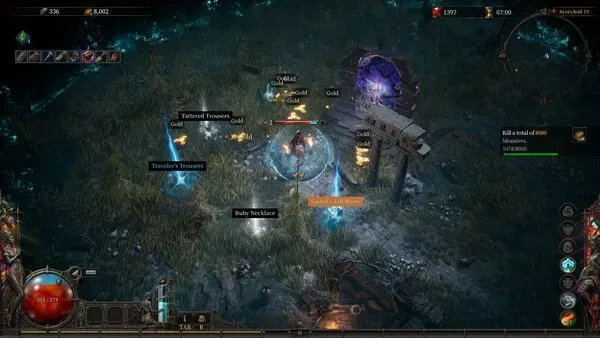
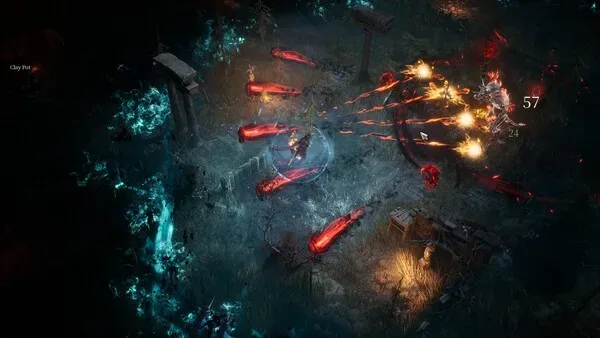
The key promise behind SACRATA is relentless horde-clearing action. Players can expect to confront endless enemy forces, with the game built to create dramatic moments as abilities and loot-driven power gains reshape the battlefield. The stated emphasis is not on slow, tactical encounters one enemy at a time. Instead, the goal is a rapid combat loop that encourages players to keep moving, attack through dense opposition, collect rewards, and grow stronger quickly.
For another perspective on this story, read SACRATA Begins Its First Playtest as Dark-Fantasy Horde Action Draws 60,000 Steam Wishlists.
That loop is especially well suited to playtest feedback. At this stage, developers can learn how quickly new players understand movement and attacks, whether rewards arrive at a satisfying pace, and whether the difference between an early run and a powerful later run feels meaningful. In a loot-survivor, progression needs to be felt as much as it is measured. A numerical upgrade is less exciting if it does not visibly alter how a player handles the next wave.
SACRATA's focus on large enemy formations also puts a premium on clarity. Players must be able to identify their character amid the chaos, recognize incoming danger, and understand why a major ability or item selection has improved their odds. Isometric 3D combat can make a game feel more cinematic, but it also requires strong visual communication when hordes begin to fill the screen. The first playtest should offer a first look at how SuperLimber Studio is balancing spectacle with legibility.
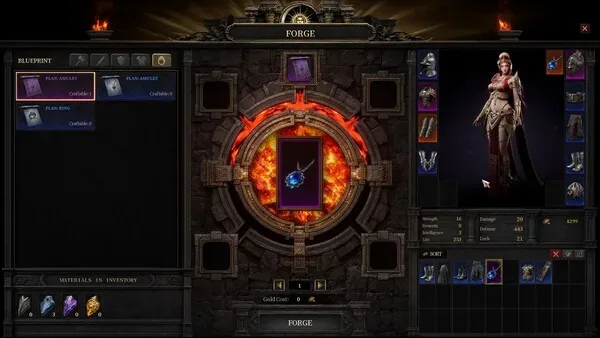
Loot is another major component of the game's pitch. While full details of SACRATA's build systems have not been outlined, the loot-survivor label suggests that collecting rewards and shaping a run will be a defining part of the experience. The best games in this space make each selection carry a small but memorable decision: choose a bonus that solves the immediate problem, invest in a long-term combination, or gamble on a path that could produce an especially explosive outcome later.
Boss encounters aim to break up the swarm
Horde survival games depend on repetition by design, but boss fights can give their runs structure and punctuation. SACRATA highlights high-spectacle boss battles as one of its major features, suggesting that its encounters will not simply be about surviving standard waves for as long as possible. Larger enemies can test the player's build in a different way, demanding positioning, focused damage, avoidance, and an understanding of the tools gathered during the run.
Bosses are also a natural fit for the game's dark-fantasy setting. A world populated by goddess warriors and endless hostile forces invites opponents with theatrical visual design and oversized attacks. If regular hordes provide the catharsis of clearing huge numbers of foes, bosses can provide the tension: a moment when the player's growing power is measured against a more deliberate threat.
The balance between those two elements will be worth watching. An effective boss should feel like a change of pace without completely undermining the speedy rhythm that defines survivor-style action. Likewise, a boss should be durable enough to register as a genuine event, but not so lengthy that it turns a game centered on momentum into a prolonged damage check. Early testing is an important point for finding that balance.
Designed for immediate action and repeat play
SuperLimber Studio describes SACRATA's combat as fast-paced and easy to pick up. That approach reflects one of the genre's greatest strengths: a run can be straightforward to start even when the deeper combinations, item choices, and character possibilities take longer to master. Immediate accessibility is particularly valuable in a first playtest, where players may arrive with little prior knowledge and only limited time to form an impression.
The early moments will therefore be crucial. Players should be able to understand the central objective quickly, discover the satisfaction of cutting through an expanding crowd, and get a sense of how their selected goddess differs from other potential choices. At the same time, SACRATA will need enough depth beneath that accessible surface to sustain repeat attempts. The long-term appeal of the format often comes from the feeling that the next run might unlock a better combination, reveal a more effective approach, or let a player push further than before.
Its visual concept may help distinguish those repeat sessions. Goddess protagonists with strong visual identities could give the roster a more character-driven hook than a game focused solely on anonymous avatars or abstract upgrades. Details on the full lineup, their abilities, and any gameplay differences have yet to be announced, but the emphasis on individual character presentation suggests that the choice of warrior may be part of SACRATA's broader appeal.
What the first playtest means for SACRATA
A first playtest is not the same as a launch announcement. It is an early opportunity to see the game in motion, to evaluate its fundamentals, and to identify areas where further iteration is needed. For players, it offers a chance to get an early sense of SACRATA's tone, speed, combat feel, and horde scale. For the development team, it can provide valuable reactions to pacing, technical performance, combat readability, progression, and the overall fun of its core loop.
The game enters that process with more than 60,000 Steam wishlists, indicating that its central pitch has already connected with a sizable audience. Dark fantasy, powerful character designs, enormous crowds, loot progression, and cinematic boss encounters are a compelling combination on paper. The playtest is where those ideas can begin to prove how well they work together in players' hands.
For now, SACRATA remains a PC project in active development, with no announced release timing beyond this initial testing phase. Players interested in an isometric 3D take on the horde-survival genre can follow the game through its Steam presence as SuperLimber Studio shares further builds and updates.
Community
Discussion
Start the conversation.
No comments have been posted yet.