

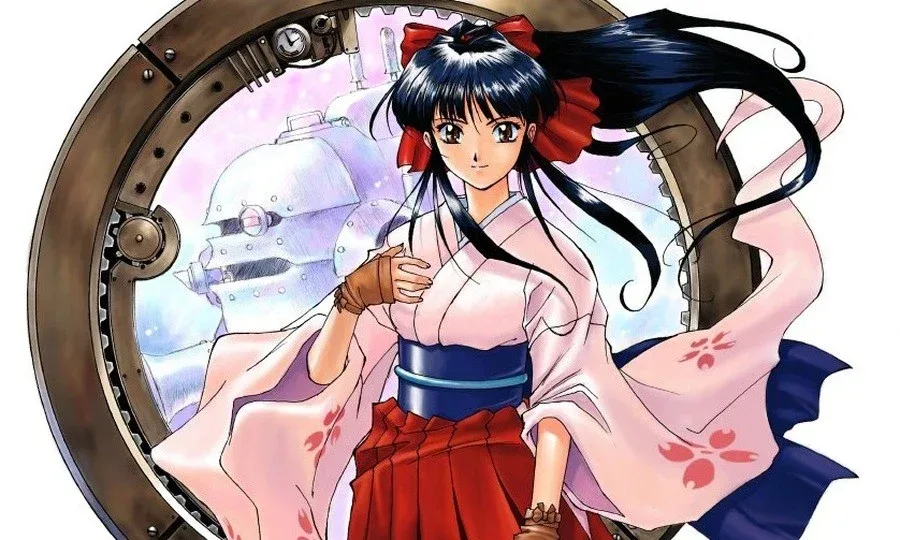
Sakura Wars creator Oji Hiroi says he has a story ready for a potential sixth numbered entry in the long-running theatrical RPG series. Speaking during an August event in Shibuya celebrating the franchise's 30th anniversary, Hiroi said he still has the plot he wrote for a game he identifies as Sakura Wars 6. He also made clear that he would be prepared to take on the work should an opportunity arise.
The comments will be encouraging for fans who have spent years hoping that Sega might give the series another proper mainline revival. They are not a confirmation that a new game is in development, however. Hiroi openly acknowledged uncertainty over whether the concept would suit the current market and whether the chance to make it will ever come. The key point is that a sequel idea exists, and the original creator remains interested in seeing it through if asked.
A sequel concept that has survived the years
Hiroi appeared at the "Sega Universe Playground" event as part of a Sakura Wars 30th anniversary talk session. The discussion reportedly had a warm and humorous atmosphere, covering the series' music, the stage production associated with the property, and Hiroi's recovery following surgery.
When the conversation turned to possible future games, Hiroi said he was considering a numbered sixth title and still possessed the scenario prepared for it in the past. He stressed that he could not say whether it would work now, but his answer left little doubt about his personal enthusiasm. If Sega were to approach him with an offer for the project, he said he would do the job.
For useful background on this topic, read Project Reignition Revives Sonic & The Secret Rings on PC With a Full Fan Remake.
That distinction matters. Hiroi did not announce a production partnership, a greenlight, or even formal conversations with Sega about a sequel. Instead, he outlined the creative side of a project that could theoretically be revived: a story framework is already there, and a foundational figure behind Sakura Wars is willing to return.
For a franchise whose identity has always rested on personality, theatrical flair, and a distinctive balance of genres, Hiroi's availability could be especially significant. Sakura Wars is not simply a turn-based or tactical RPG with giant machines. Its traditional format combines visual-novel-style conversations, character relationships, musical and stage-show sensibilities, and battles involving steam-powered mechs. Any attempt to bring it back would need to decide which of those elements are essential and how they should be presented to a modern audience.
Why Sakura Wars still inspires such loyalty
Since its debut, Sakura Wars has occupied an unusual place in Sega's catalogue. It became a major property in Japan through games, animation, music, live performances, and a memorable cast of characters, but it has historically had a more complicated relationship with the international market. Its mixture of alternate-history drama, romance, comedy, theatrical performance, and tactical combat is highly specific. That specificity is also why it remains beloved.
The original games helped establish a world where combat squads double as stage troupes. The Flower Division, central to the series' enduring image, fights supernatural threats while maintaining a public life rooted in performance. That premise gave Sakura Wars a tone distinct from many other RPGs: dramatic without abandoning comedy, sentimental without losing its action-oriented side, and willing to turn songs and character scenes into a core part of the experience rather than an optional extra.
For veteran players, a hypothetical Sakura Wars 6 raises immediate questions. Would it continue an earlier timeline? Would it build on the approach taken by the most recent console game? Could it reunite familiar characters, teams, composers, and performers? Or might it use Hiroi's older plot as the basis for a fresh entry designed to introduce the series to new players?
No answers have been announced. Yet the fact that Hiroi specifically referred to a numbered game, rather than merely speaking in broad terms about another reboot, gives fans a reason to wonder whether the unused story was conceived as a continuation with a more direct connection to the series' legacy.
The difficult road after the 2020 revival
Any discussion of Sakura Wars returning also has to confront the recent history of Sega's efforts to restore the brand. The latest mainline release, Sakura Wars, launched for PlayStation 4 in 2020. Known in Japan as New Sakura Wars, it was positioned as a new start for the property after a lengthy gap between major console installments.
That release drew decent, if not overwhelming, critical reception. It introduced a revised presentation and aimed to make the series accessible to players unfamiliar with its earlier chapters. But its sales performance was disappointing, limiting the momentum a revival would have needed to justify quick follow-ups.
The bigger setback came later that same year with Sakura Kakumei: Hanasaku Otome-tachi, known as Sakura Revolution: Hanasaki Maidens. The Japan-only mobile free-to-play gacha game was intended as a major next step for the revived franchise. Instead, it became one of the most painful chapters in the series' commercial history.
Sega reportedly invested around ¥3 billion, approximately $30 million USD, in the game's development and promotion. Its launch revenue was reportedly below $1 million USD. The service shut down only six months after release. That outcome did not merely end one mobile title; it created an obvious business obstacle for anyone hoping to persuade Sega to fund another expensive Sakura Wars production.
From a corporate perspective, a new game would likely need a carefully managed scope, a persuasive platform strategy, and a clear answer to the question of audience. Sakura Wars has devoted fans, but it is still a relatively niche series compared with Sega's largest global brands. A project intended to honor the old formula could struggle to reach newcomers, while a heavily redesigned version could risk alienating the players most likely to support it.
What a modern Sakura Wars would need to solve
The franchise's future is therefore not just about whether a script exists. It is about finding a workable shape for the game around that script. The 2020 release demonstrated that Sega was willing to revisit Sakura Wars, while the mobile project's abrupt failure showed the risks of betting too heavily on the brand's return. Those two outcomes leave the property in an uncertain position.
A sixth numbered title could potentially benefit from a more focused approach. Rather than trying to make Sakura Wars into a broad live-service success, Sega could lean into the elements that distinguish it: character-driven storytelling, memorable music, lavish theatrical presentation, and measured mech combat. A deliberately sized premium game may be easier to position than an ambitious project carrying expectations that do not suit the series' scale.
There is also continued interest in the older catalog. Much of Sakura Wars' legacy remains tied to hardware from Sega's earlier eras, including platforms now associated with retro gaming. A remastered collection or more accessible rereleases could give the series a lower-risk way to rebuild visibility, introduce its history to new players, and demonstrate the level of demand for a fully new installment. No such collection has been announced, but it remains an understandable request from fans.
Modern preservation would come with practical complications, including localization, music rights, voice work, and the challenge of adapting older games without losing their period-specific character. Even so, the franchise's anniversary is a reminder that Sakura Wars has a substantial body of work worth revisiting, not just a single dormant sequel possibility.
Hope, but not a confirmation
Hiroi's remarks should be read as a meaningful creative signal rather than a development announcement. He has a prepared story, he sees the potential for a sixth numbered game, and he says he would participate if Sega makes the call. Those are notable statements from the person who created the series, especially at an event marking three decades of Sakura Wars.
For now, Sega has not announced Sakura Wars 6, confirmed a remaster collection, or revealed another new Sakura Wars project. The commercial disappointments surrounding the franchise's most recent revival still cast a long shadow. But the Flower Division's story is not entirely closed: its creator has kept one possible next act waiting in the wings.
Whether that act ever reaches the stage will depend on whether Sega believes Sakura Wars can bloom again in a form that respects its past while making a convincing case for its future.
Community
Discussion
Start the conversation.
No comments have been posted yet.