

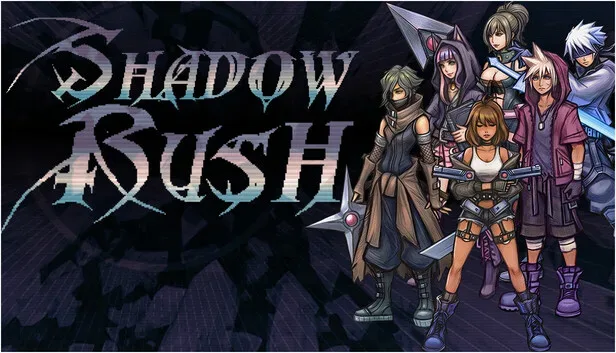
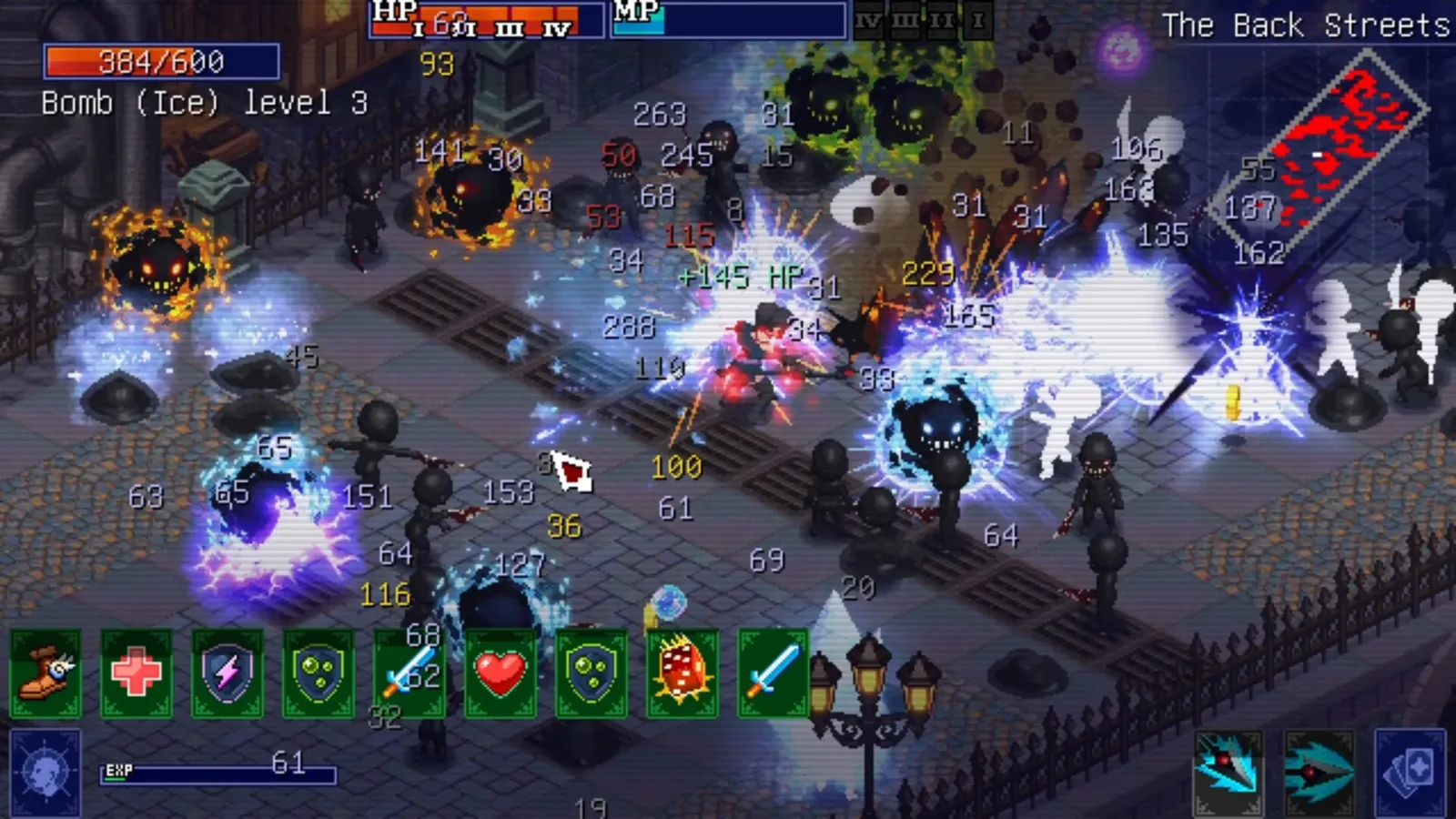
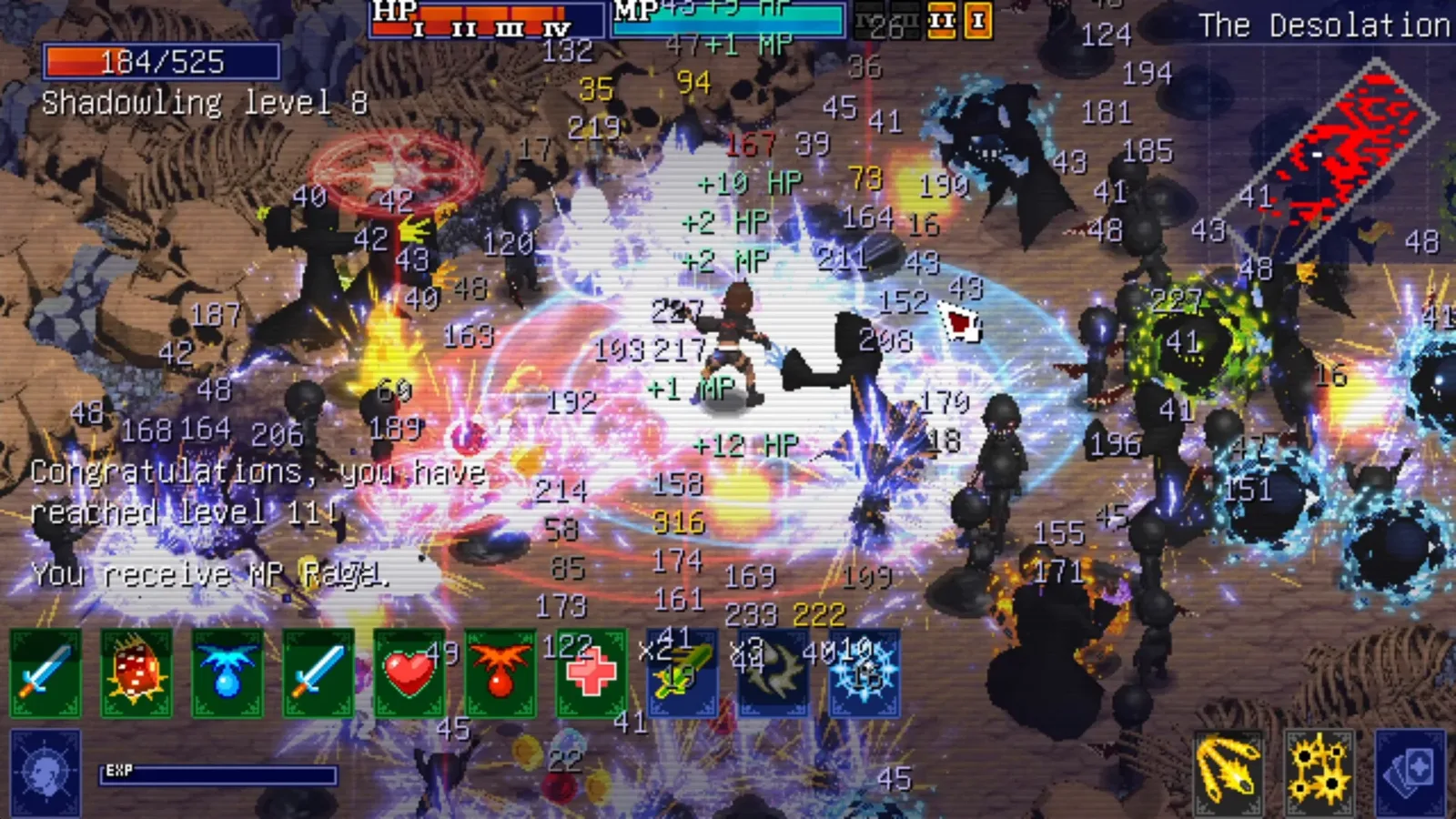
Shadow Rush, the next game from solo developer Andrew Teo, is aiming to bring a particularly fast and aggressive take on the action RPG formula to Steam in 2027. Built as an isometric hack-and-slash with roguelike structure, the game centers on brief, repeatable runs through arenas filled with Shadow Demons. Its defining idea is a combat loop in which attacking and dashing do more than simply reposition the player: each action advances a four-part sequence that automatically activates the abilities assigned to that phase.
The result is a game designed around movement, momentum, and experimentation. Rather than asking players to slow down and wait for a long list of cooldowns, Shadow Rush wants them to slash through enemies, chain dashes, and continually cycle into a new attack or spell effect. It is a premise that fits a developer whose previous game, Ghostlore, explored action RPG traditions through its own distinctive systems and regional influences.
A demo is currently available through the game's Steam page, where players can also add Shadow Rush to their wishlist ahead of its planned 2027 launch. Beyond that release window, no specific date has been announced.
Combat turns every dash into part of the build
Shadow Rush uses accessible inputs, but its underlying combat arrangement is intended to create layered decision-making. Attacks and dashes rotate through four combat phases. Each phase can be connected to an equipped spell or ability, meaning the player's moveset changes as the cycle progresses. The act of attacking is therefore also an act of advancing toward the next assigned effect.
For useful background on this topic, read Realm of Taiwu Enters PC Early Access With Ink-Wash Dark Fantasy and Four-Player Co-Op.
That approach could make timing and route planning important even though the abilities activate automatically. A player may want to enter a crowd with one phase ready, dash out with another, then use the next attack to trigger an effect suited to clearing the remaining enemies. Since dashes participate in the same cycle, mobility is not separated from offense. Moving through the battlefield is intrinsically tied to maintaining the sequence.
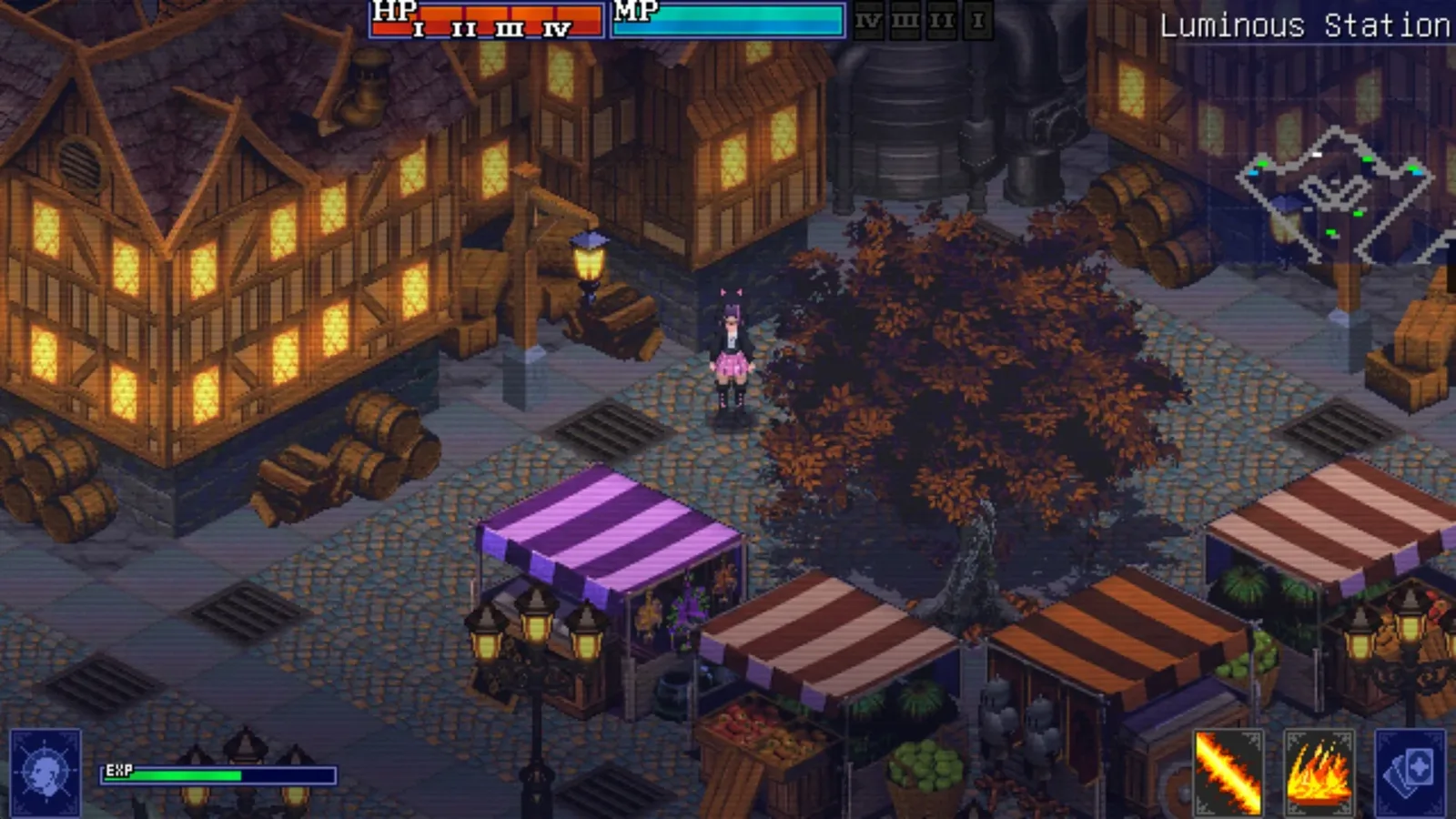
The concept takes inspiration from high-energy action games while retaining an isometric perspective familiar to dungeon-crawling RPG players. Teo has cited Diablo and Kingdom Hearts among the influences behind Shadow Rush. The game's visual direction is also inspired by Tetsuya Nomura, a name associated with character designs that favor bold silhouettes, striking weapons, and expressive fantasy style.
Those references suggest a blend rather than a straightforward recreation of any one game: the top-down flow and repeated build crafting of an action RPG, combined with a combat cadence intended to feel immediate and stylish. Shadow Rush's four-phase system is the central mechanism that separates it from a conventional setup where each skill is mapped to an individual button and used independently.
For another perspective on this story, read Shadow Rush Targets 2027 Steam Release With Four-Phase Roguelike Combat.
Slow play has a cost
Runs in Shadow Rush are built for speed. Players are encouraged to clear each area efficiently, with completion bonuses awarded for finishing quickly and moving on. Health pickups are described as plentiful, a choice that supports a more forceful approach to encounters. Instead of treating every point of damage as a reason to retreat, players are expected to stay close to danger, collect recovery items, and keep the run moving.
There is also a stronger consequence for taking too long. A massive wave of darkness will eventually overtake the arena, ending the run if the player has delayed too much. This threat gives Shadow Rush a pressure system beyond the immediate enemy groups. Even if a build is capable of surviving a prolonged fight, survival alone will not be enough; the arena itself becomes hostile when the pace drops.
That structure can alter how players evaluate their upgrades. An ability that is safe but slow may be less valuable than one that clears packs quickly. Likewise, a movement option that pushes the combat cycle forward could be crucial not only for avoiding damage, but for shaving seconds from an area completion. Roguelike games often ask players to balance long-term build potential against short-term survival. Shadow Rush appears poised to add another layer to that decision: whether a build can maintain enough momentum to outrun the darkness.
The fast-run format also naturally supports replaying characters. A failed attempt is not necessarily a lengthy investment lost to a single mistake, while an effective setup can be tested repeatedly against different enemy arrangements and equipment choices. Shadow Rush explicitly positions rerolling and build experimentation as major parts of its design.
Six characters and a deck of collectible Shards
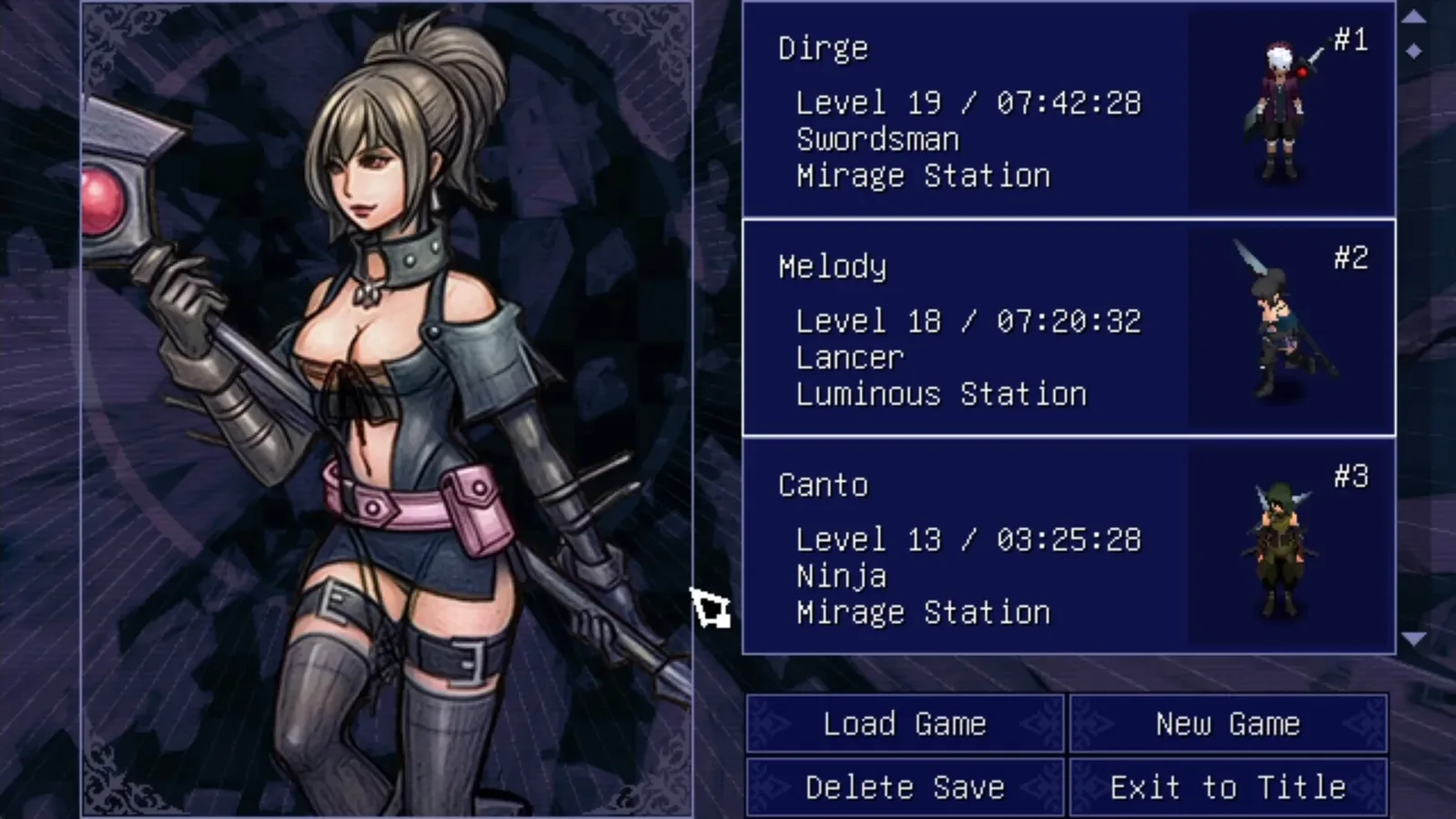
Players will be able to choose from six characters, each with a distinct weapon and playstyle. Details on the full roster have not yet been outlined, but the presence of multiple weapon approaches is important for a system based on attack phases. The same Shard configuration may perform differently depending on how a character attacks, how they dash, and what their core combat rhythm emphasizes.
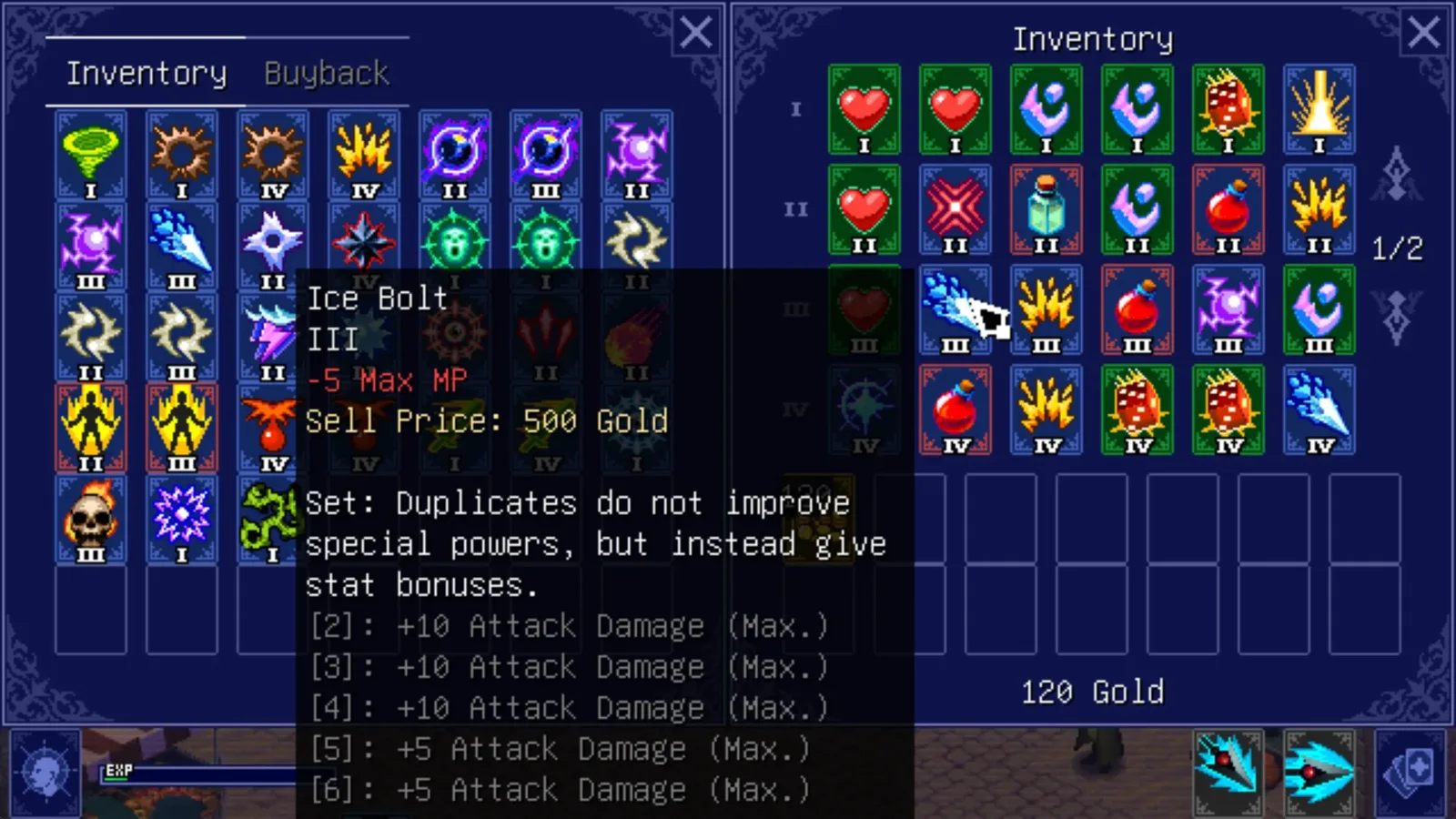
Customization is driven by collectible items called Shards. These Shards provide the spells and special abilities that can be placed into the four-phase sequence. Equipment slots determine which abilities are available, and players can slot, remove, and transfer Shards between characters. Instead of locking a powerful discovery to only one hero, the system lets it become part of a wider pool of options for future runs.
Teo describes this collection and configuration layer as a Shard Deck. The deck framework points toward builds assembled from combinations rather than a fixed character progression path. Players may find a set of effects that complement one another, then test whether that synergy works better on another character or in a different phase order. Because the abilities trigger as attacks and dashes cycle, placement should matter alongside selection.
For example, a player may prioritize a damaging effect at the start of a sequence to handle an opening rush, then place a movement-friendly or defensive option later in the rotation. Another build may focus on repeatedly forcing large bursts of damage as quickly as possible. The game has not detailed individual Shards, their rarities, or the complete range of effects, so the exact limits of that customization remain to be seen. Still, the ability to move Shards among all six characters should give players room to pursue both familiar favorites and unusual combinations.
A new project after Ghostlore
Shadow Rush follows Ghostlore, Andrew Teo's earlier action RPG. With this new project, the focus appears to be on concentrating the genre's power fantasy into short sessions where combat choices need to be made at speed. The key hook is not merely that players can collect abilities, but that those abilities become part of a rotating pattern attached to the most frequent actions in the game.
That may make Shadow Rush approachable for players who prefer direct controls, while offering depth to those willing to refine their timing, gear slots, Shard placements, and character selection. The automatic activation system does not remove player involvement; instead, it shifts the emphasis from manually firing every spell to setting up a powerful sequence and executing it through smart positioning and constant offense.
There is plenty still to learn before launch, including how the six characters differ, how much content surrounds the arena progression, and how the Shard pool develops over repeated runs. But the announced outline presents a clear identity: an isometric action RPG where hesitation is dangerous, dashing is offensive, and every strike advances a carefully assembled ability cycle.
Shadow Rush is planned for Steam in 2027. Players interested in trying its rapid four-phase combat ahead of release can find the currently available demo on Steam, while development updates are being shared by Teo through social media.
Community
Discussion
Start the conversation.
No comments have been posted yet.