

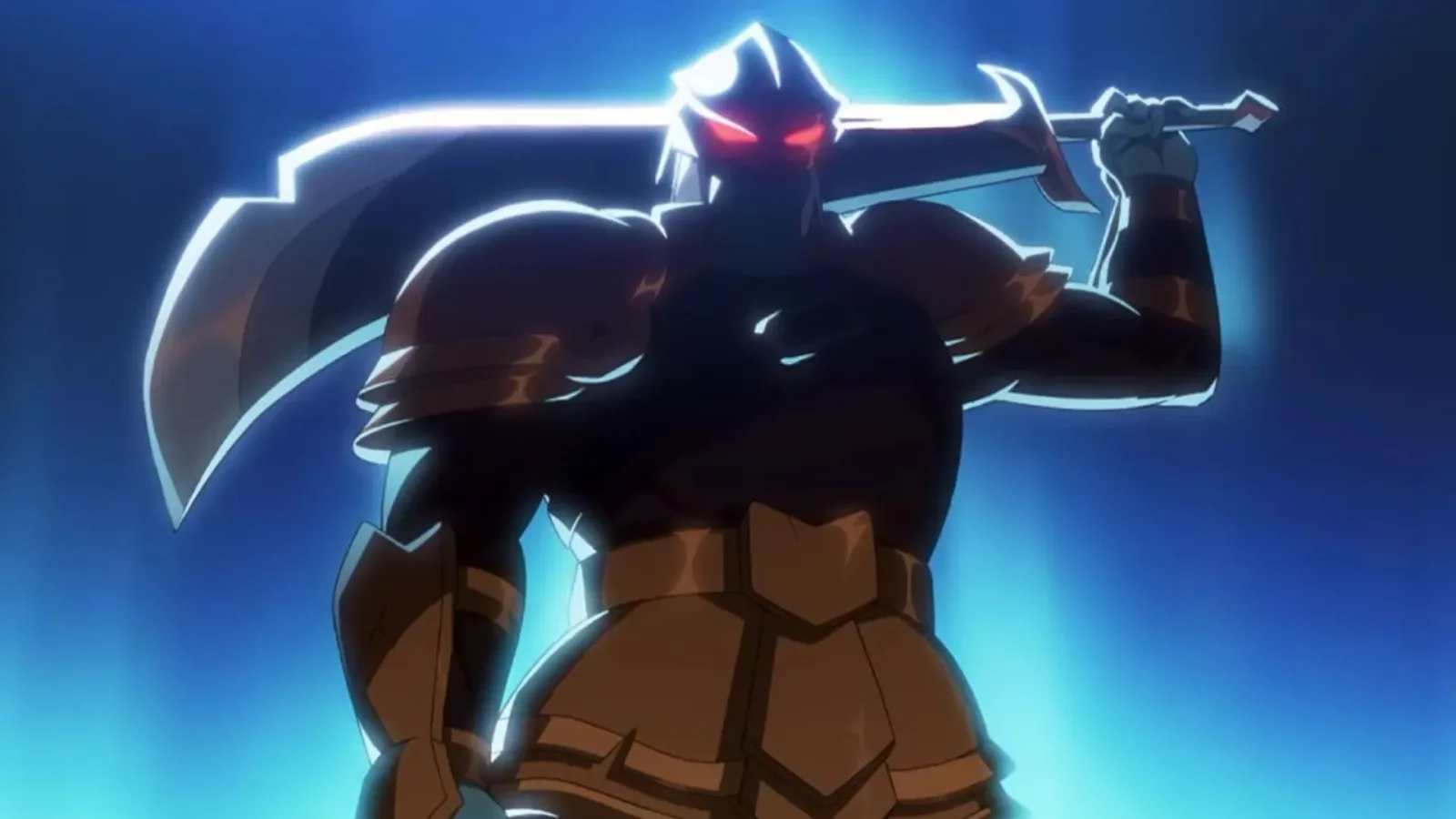
Slay the Spire 2 players have spent years learning not to underestimate the importance of a starting deck. A basic card can be merely functional, an early obstacle to remove, or the small foundation that makes an entire class understandable from the opening fight. For Mega Crit co-founder Casey Yano, Ironclad's starting attack Bash belongs firmly in that last category. During a recent developer Q&A, Yano named Bash as the game's "perfect card."
That is not the same thing as declaring it the most powerful card available. In fact, Bash is a card that can inspire precisely the opposite reaction once an Ironclad deck has acquired more efficient attacks, stronger Vulnerable applications, and more refined ways to spend energy. It costs two energy, deals eight damage, and applies two stacks of Vulnerable in its base form. For players used to explosive turns and tightly optimized lists, that can appear awkward beside cards with a more immediate payoff.
Yet the case for Bash is not really about raw efficiency. It is about the way one starter card communicates the central logic of Ironclad's combat, creates meaningful decisions immediately, and remains relevant through upgrades and specific deck synergies. The fact that it can eventually feel cumbersome may even be part of why it works as such a strong piece of design.
A Starter Card With a Clear Job
Bash is Ironclad's only basic card in the starting deck. Rather than functioning as another low-cost filler attack alongside Strike, it asks the player to make a bigger commitment: spend two energy now, deal damage, and make future attacks stronger through Vulnerable.
For useful background on this topic, read Best Oris 8.6 Builds in MW4 for Quickscoping and Mid-Range Control.
In its normal form, Bash inflicts eight damage and two Vulnerable. The upgraded version rises to 10 damage and three Vulnerable. Vulnerable increases incoming attack damage by 50%, changing the value of every attack that follows while the effect remains active.
That matters right away. A turn using Bash followed by a Strike produces 17 total damage, only slightly below the 18 damage from playing three Strikes. But the Bash sequence also leaves the enemy Vulnerable for the next turn. The player has not simply compared individual card values; they have changed the math of the coming draw cycle.
This is a concise lesson in what makes deckbuilding roguelikes compelling. A card can be evaluated in isolation, but it should also be evaluated against available energy, the remaining cards in hand, the cards likely to be drawn next, enemy intent, and the potential value of setting up a later turn. Bash makes those questions visible almost immediately.
Why the Card Can Feel Clunky
There is a perfectly understandable reason some players are lukewarm on Bash. Two energy is a major cost in an opening deck. Playing it often means giving up defensive options or other attacks on the current turn, and Ironclad can later find superior ways to deal damage or apply Vulnerable. When a run begins to produce powerful combinations, a basic two-energy attack may start looking more like a burden than a cornerstone.
That tension is central to the card's appeal. Bash is useful early, but it does not remain unconditionally excellent in every deck and every fight. It asks for consideration rather than automatic play. It can help establish a kill quickly, improve the value of subsequent attacks, and support cards that care about Vulnerable. At other times, its cost and timing may leave Ironclad exposed.
In other words, Bash has a role, limitations, and a path toward being surpassed. A starter card that was always the unquestioned best play would teach less about the changing priorities of a run. The card's apparent flaws make its decisions more interesting, especially as players move from early encounters into higher Ascension challenges and tougher enemy patterns.
Upgrades Change the Conversation
The ordinary upgrade is already notable. Raising Bash to 10 damage and three Vulnerable gives it a much better chance of carrying value through additional turns. Since the card's primary purpose includes amplifying later attacks, an extra stack of Vulnerable can matter as much as the damage increase, depending on the deck's next draw.
Slay the Spire 2 also offers an Ancient-exclusive version of the upgrade called Break. This version is dramatically stronger: it costs one energy, deals 20 damage, and applies five Vulnerable. When upgraded, those numbers become 30 damage and seven Vulnerable.
That makes Break an exceptionally potent transformation. Reducing the energy requirement while sharply increasing both immediate damage and the debuff duration turns the original card's basic concept into a major combat swing. It is an especially striking illustration of how an upgrade does not always need to discard a card's identity to become exciting. Break remains recognizably related to Bash: it attacks, applies Vulnerable, and rewards planning around increased damage. It simply pushes that template to an extreme.
A Lesson in Ironclad's Identity
Ironclad's broader card pool gives Bash several ways to matter beyond the opening deck. Vulnerable is not just a generic status effect when it can activate or enhance other options. Bash can enable cards such as Cruelty and Dismantle immediately, while also improving the payoff from heavy attack support including Unrelenting and Stampede.
That breadth is likely a major reason the card has attracted praise. It provides a straightforward early-game line of play without being sealed off from the rest of the class. A player who sees Bash in the opening fights learns that making an enemy Vulnerable can shape the value of later attacks. When they later encounter cards that reward the same condition or deliver huge damage, that earlier lesson continues to apply.
The best introductory cards often work this way. They offer enough direct utility to survive early encounters, while quietly introducing the language of the class. Bash teaches players to think in sequences rather than single cards. It teaches that timing a debuff can be just as important as dealing immediate damage. And it teaches that a two-energy commitment may be justified by a stronger future turn.
Perfect Does Not Mean Untouchable
Calling Bash perfect will naturally provoke debate, particularly among players who have seen it become one of the weaker cards in a late-game list. But that disagreement points to a useful distinction. A perfectly designed card is not necessarily one that should remain in every deck forever, or one that always produces the highest number on a damage calculation.
For a starter card, perfection may instead mean clarity, personality, flexibility, and a capacity to create decisions. Bash has all of those qualities. It is immediately understandable: hit an enemy and make later hits harder. It has personality because it embodies Ironclad's aggressive, forceful approach to combat. It is flexible because its Vulnerable can support many offensive plans. And it creates decisions because its two-energy cost and uneven value across fights require players to consider when to use it, upgrade it, retain it, or eventually remove it.
Other starting cards can have similarly important roles, and some may be stronger on a purely practical level. Necrobinder's Unleash and Bodyguard are easy examples of basic cards with significant impact, though their effectiveness also makes them stand out for different reasons. Bash's appeal is more structural. It is powerful enough to reward good play, limited enough to avoid becoming thoughtless, and connected enough to the wider card pool that it continues to say something about Ironclad long after the opening encounter.
The Ongoing Value of Small Design Decisions
Discussion around Bash reflects one of the enduring pleasures of Slay the Spire: even a starter card can support detailed arguments about tempo, damage breakpoints, upgrades, draw order, and class identity. A player may dismiss Bash after a bad sequence, then rediscover its value when it creates the exact opening needed for a devastating follow-up turn.
That does not mean every Ironclad run should treat the card as sacred. There will be decks where Bash is too slow, too expensive, redundant, or simply less useful than another option. The point is that those conclusions emerge from play rather than from a card that is plainly obsolete from the first battle.
For Mega Crit, Bash appears to represent an ideal of design more than an unqualified statement of power. It is a modest starter attack that contains a lesson in planning, reinforces its class's combat identity, interacts with an array of later tools, and can transform into something fearsome through its Ancient-exclusive Break upgrade. Whether players love the card or cut it at the first opportunity, it has clearly succeeded at one important task: making them think about what a single card can do.
Community
Discussion
Start the conversation.
No comments have been posted yet.