

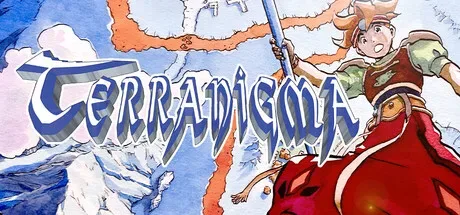
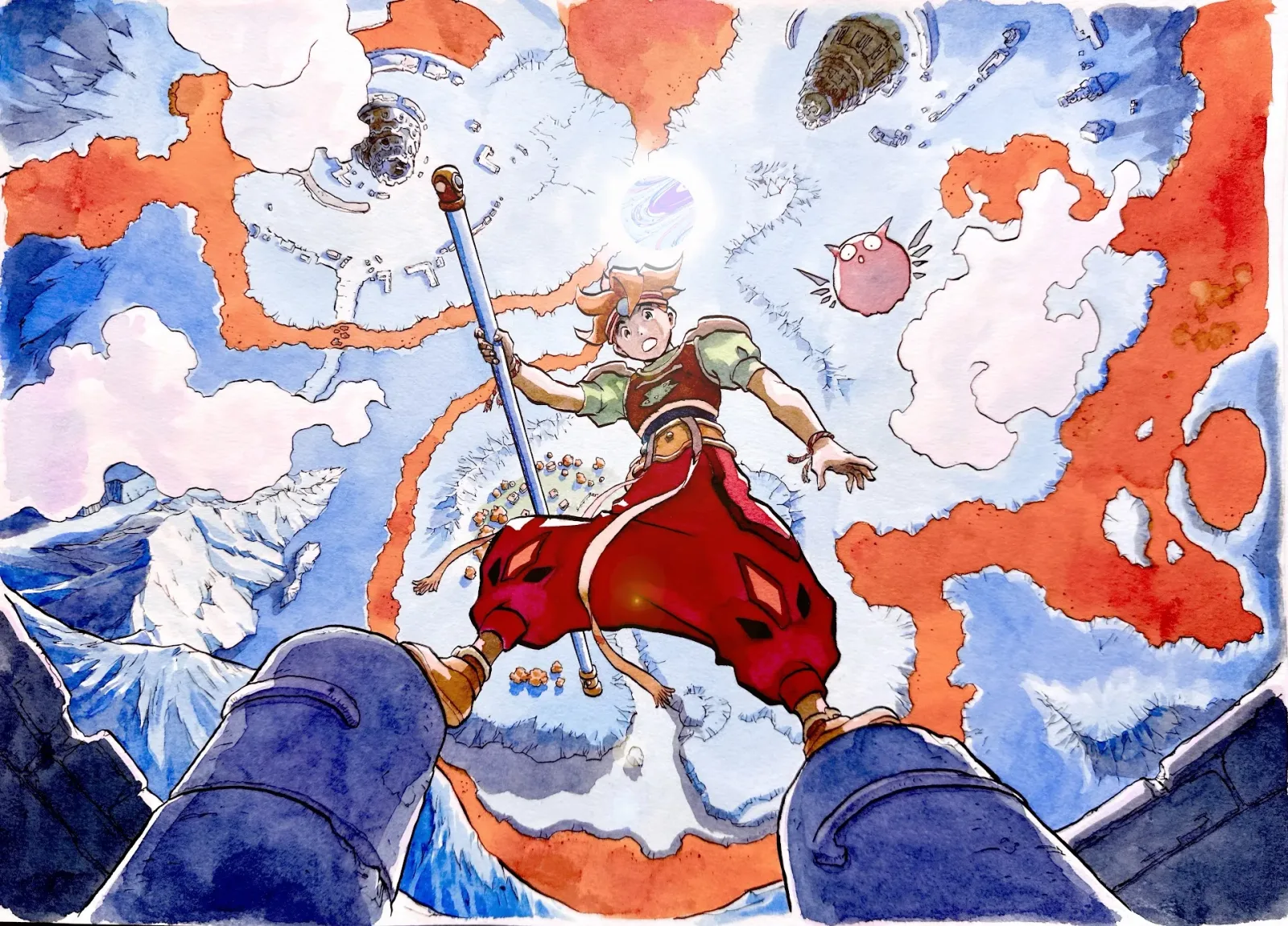
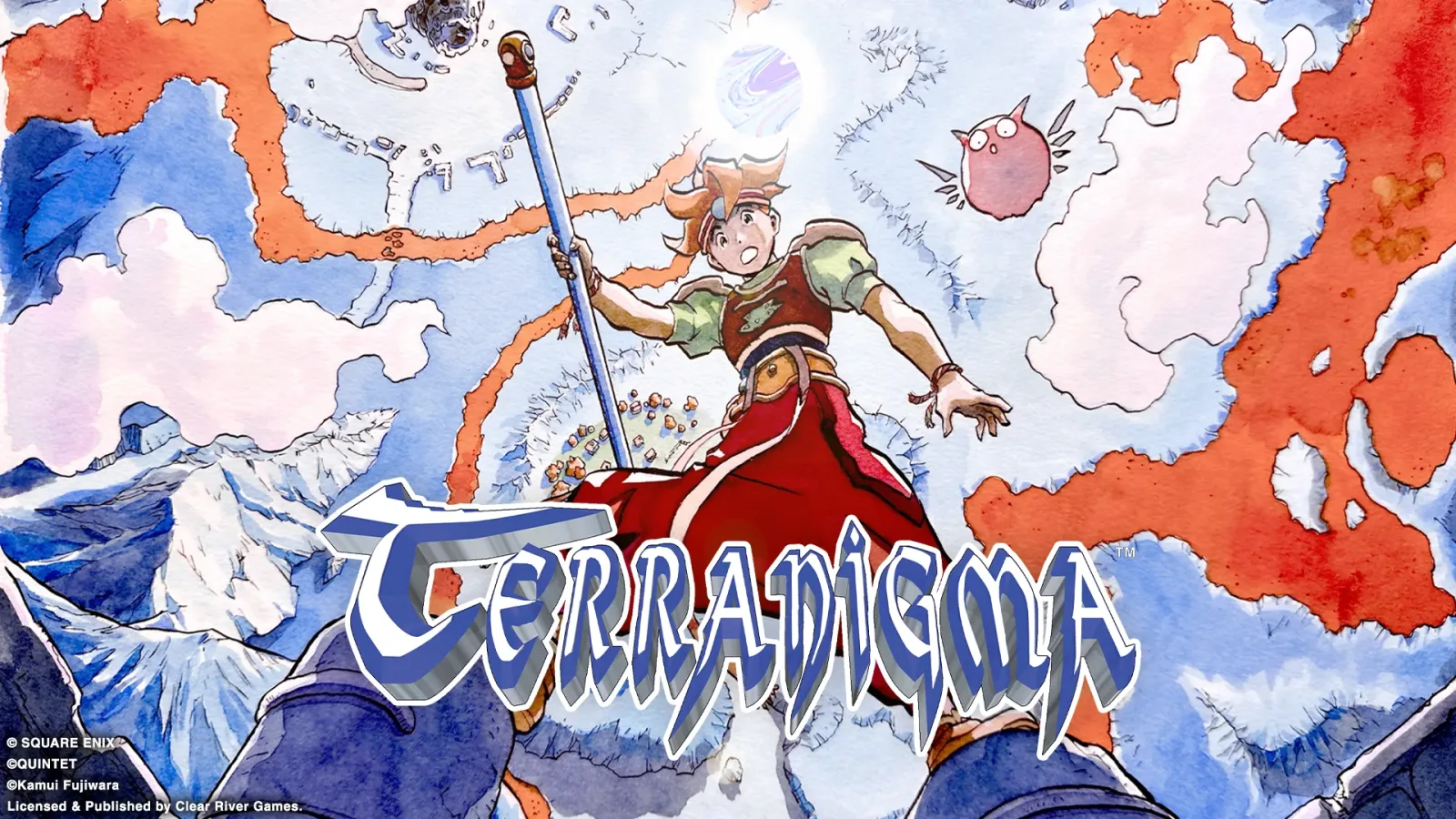
Clear River Games has donated $1,000 to the Environment Conservation Center of Mie, or ECCOM, in Japan, to support work preserving the Japanese serow and the animal's natural habitat. The charitable contribution arrives as part of the campaign leading into the modern re-release of Terranigma, which is scheduled to launch on January 14, 2027.
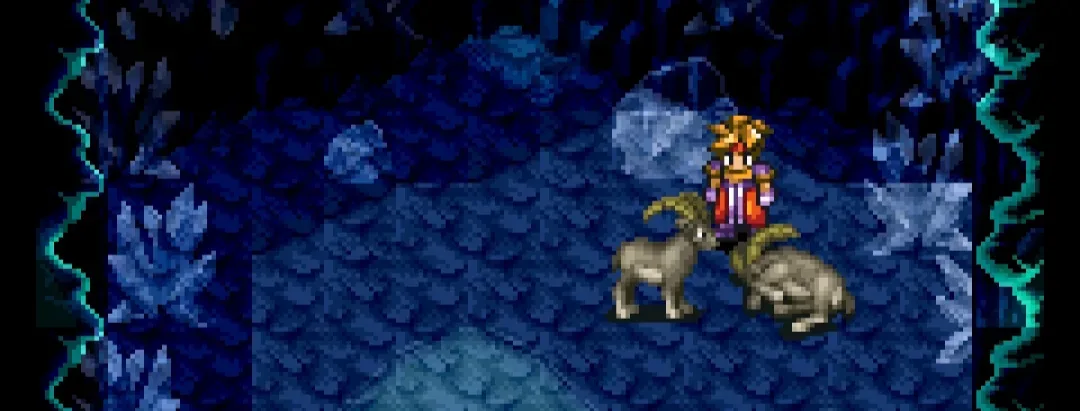
The donation has a particularly direct connection to the action RPG itself. In the original game, protagonist Ark experiences an emotionally significant survival sequence involving a serow. For many players, it was a memorable small moment in an adventure otherwise known for its enormous scope, taking Ark from an isolated underworld home into a journey tied to the restoration and development of life on the surface.
Clear River Games is using the initiative both to recognize that sequence and to introduce players to the real animal behind it. The publisher is partnering with ECCOM to share information about the serow while contributing to the organization's existing conservation efforts in Mie Prefecture. It also frames the donation as an opportunity to restore cultural context that was altered for the game's PAL release during the 1990s.
A localization detail with lasting meaning
In the PAL localization of Terranigma, the serow was renamed a "mountain goat." That wording may seem like a modest change on paper, especially in an era when game translations often made broad adjustments for regional audiences. However, the substitution removed the more specific identity of the animal depicted in the game and weakened a link to Japanese wildlife.
For useful background on this topic, read Song of Horror: Enhanced Edition Brings Unreal Engine 5 Horror to Steam in October 2027.
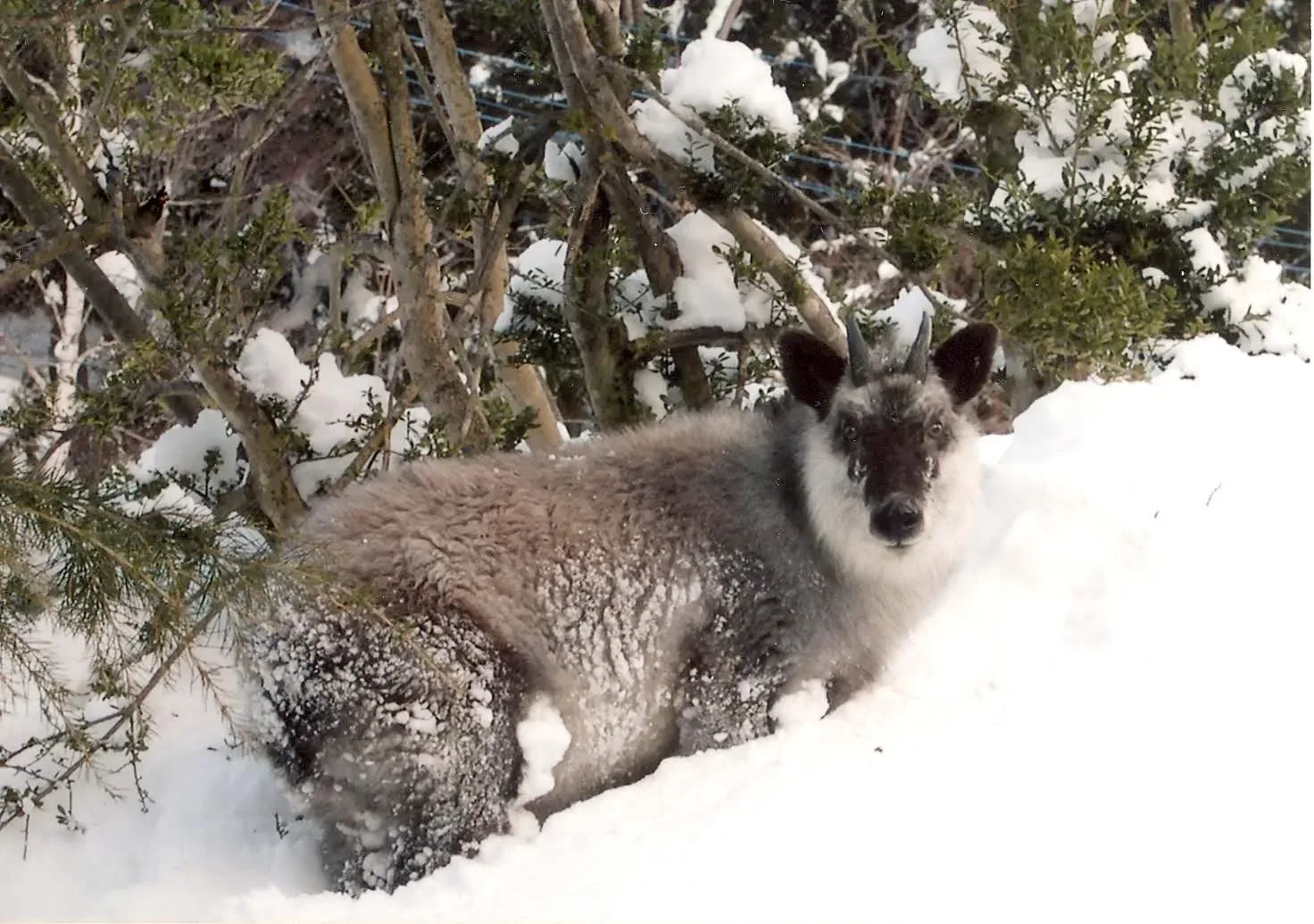
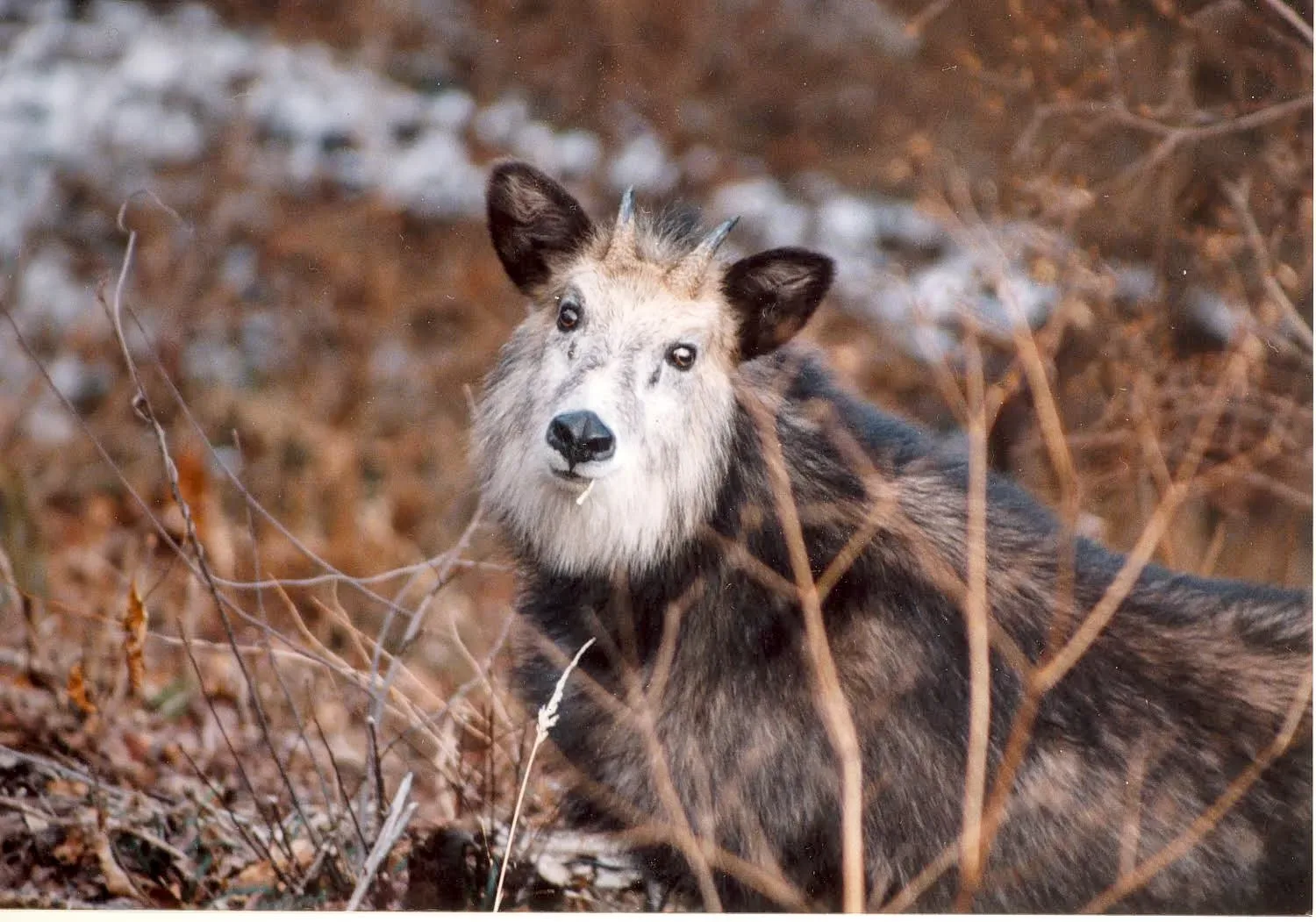
The Japanese serow is not simply a generic mountain goat. It is a goat-antelope native to Japan, and its distinctive place in the country's natural environment makes the original reference more meaningful than a broad species label. By foregrounding the serow ahead of the re-release, Clear River Games is drawing attention to an element that some international players may never have recognized in earlier versions of the game.
That distinction matters especially for a title such as Terranigma. Its story is deeply concerned with life, civilization, the natural world, and the consequences of humanity's growth. While the game is remembered for large story developments and its unusual world-building structure, intimate encounters with animals and people help give its setting emotional weight. The serow scene therefore has a relevance beyond nostalgia: it reflects themes that are central to the game's broader journey.
The campaign does not suggest that a new release can undo every historical difference between regional editions. Instead, it takes one notable example and uses it as a starting point for education and practical support. The $1,000 donation is intended to help ECCOM's preservation activity for the serow and its habitat, while the surrounding awareness effort gives players a clearer understanding of why the animal was important enough to appear in the original work.
ECCOM welcomes global interest in the serow
ECCOM, formally the Environment Conservation Center of Mie, is based in Japan's Mie Prefecture. Its work includes environmental conservation, and this partnership places the organization in front of a worldwide audience of RPG fans as the return of Terranigma approaches.
"We are delighted that a scene from Terranigma inspired interest in the serow and led you to take notice of our work," said Yutaka Mori, chairman of NPO ECCOM. "The serow is an animal that has retained its primitive form, having evolved very little since the Ice Age. As it quietly tilts its head and observes the way we live, it reminds us of the deep connection between nature and humanity. Through this initiative, we hope people from around the world will come to learn what kind of animal the serow is and the environment in which it lives."
Mori's comments underline the unusual nature of this pre-release promotion. Video game campaigns commonly focus on trailers, collector's items, technical features, or familiar franchise celebrations. Here, a specific narrative memory is being used to direct attention toward a real animal and the environmental conditions necessary for it to thrive.
The serow's connection with the Ice Age, as described by ECCOM, adds another layer to the campaign. Terranigma is a game concerned with rebirth and the shaping of a world, and the conservation message asks players to consider the living history represented by an animal that has changed comparatively little over an immense span of time. That makes the donation more than a themed marketing gesture; it is a deliberate effort to connect the game's imagery with a living part of Japan's ecology.
Why this moment stands out for Terranigma
Originally released in the 1990s, Terranigma has retained a devoted reputation among fans of 16-bit role-playing games. Its mixture of exploration, action combat, dramatic storytelling, and ambitious ideas set it apart from many of its contemporaries. The game's journey moves through a recreated world where Ark helps return continents, creatures, settlements, and societies to existence.
Because it encompasses such sweeping changes, it is easy to focus solely on its biggest plot turns. Yet its appeal has also endured through quieter scenes that give personality to its world. The serow sequence is one of those moments: a brief but affecting interaction that remained with players and has now become the basis for a real-world conservation partnership decades later.
It is also a reminder of how localization can shape a player's memory of a game. In past console generations, regional adaptations could change animal names, cultural references, dialogue, visual material, and other details for a range of commercial or practical reasons. Sometimes those changes were necessary to fit technical limitations; at other times, they reflected assumptions about what a foreign audience would understand.
For players who knew the PAL version, "mountain goat" may be the term they associate with the scene. The campaign offers an opportunity to revisit that memory with added context. Rather than treating the earlier translation as a point for simple correction, the initiative explains what was lost in the change and introduces the Japanese serow as a distinct animal with its own ecological and cultural significance.
What the donation means ahead of launch
The $1,000 contribution is a milestone in the rollout toward the new edition's release on January 14, 2027. Terranigma is planned for Nintendo Switch, PlayStation 5, Xbox Series consoles, and PC. The announced platforms will make the game available to audiences far beyond the hardware landscape of its original era.
No further details about the re-release's content, enhancements, edition types, pricing, or regional availability have been provided alongside the conservation announcement. As a result, the donation currently stands as a focused early signal of how Clear River Games intends to present the game: not only as a returning cult favorite, but also as a work with specific cultural details worth recognizing.
For long-time fans, the news may prompt a fresh look at a scene they remember emotionally. For newcomers, it offers an unexpected introduction to a piece of Japanese wildlife before Ark's adventure reaches modern systems. In either case, the partnership gives the re-release campaign a human and environmental dimension that is uncommon for a retro RPG revival.
A practical link between games and conservation
Games often create lasting attachments through characters, music, places, and story moments. In this case, an encounter with an animal has created enough resonance to inspire a donation many years after Terranigma first appeared. ECCOM's response makes clear that the organization sees value in that attention, particularly if it helps people learn about the serow and the habitat it requires.
The amount donated is clearly stated: $1,000. Its importance is not being presented as a solution to the full range of conservation challenges facing wildlife and natural habitats. Rather, it is a concrete contribution paired with an outreach effort, using the visibility of an upcoming game release to help more people identify and understand the animal represented in a classic RPG.
That combination is the defining feature of the announcement. The campaign honors an old scene, addresses a long-standing localization difference, supports ongoing work in Japan, and gives a new generation of players context for an animal they may encounter during Ark's adventure. With Terranigma set for January 14, 2027, the serow has become an unexpectedly meaningful part of the road back to the game's return.
Community
Discussion
Start the conversation.
No comments have been posted yet.