

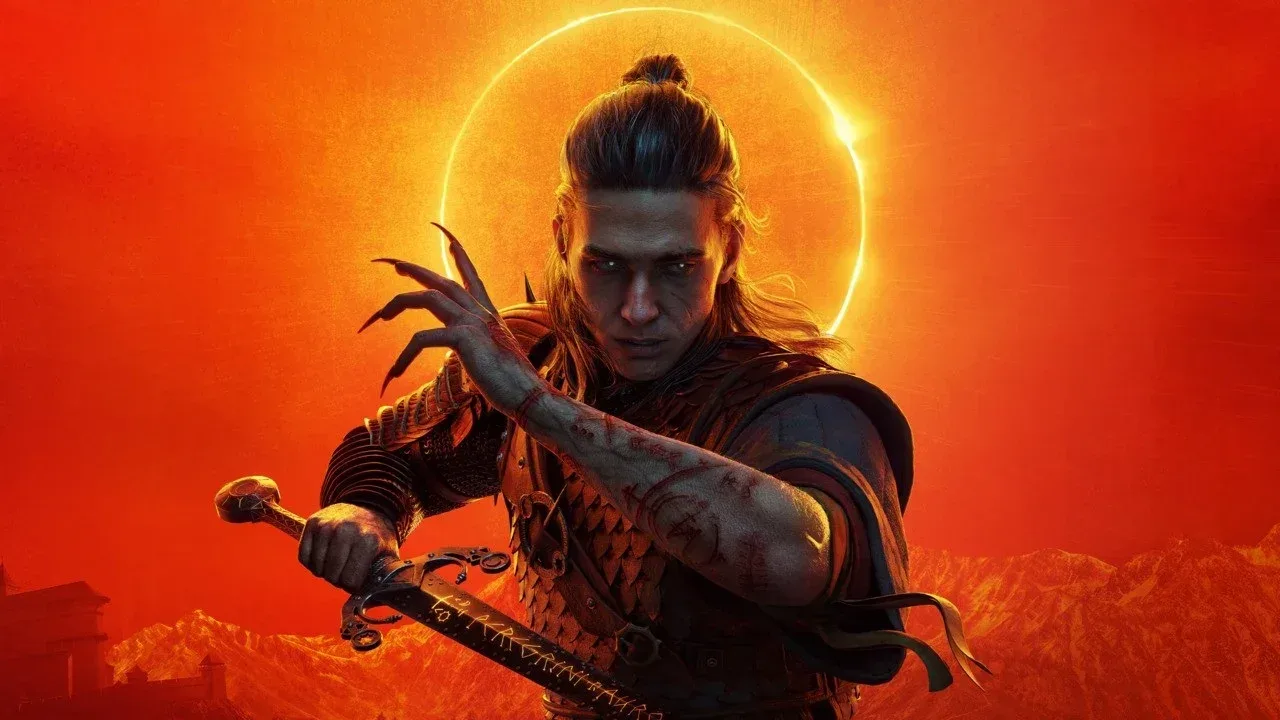
Role-playing games love to tell players that their decisions matter. The promise appears in marketing, dialogue systems, branching quests, companion reactions, and the anxious little pause before selecting a response wheel option. Yet there is a crucial difference between a game offering choices and a game demanding a genuinely difficult decision. The Blood of Dawnwalker finds that difference in a memorable quest involving a vampire lieutenant, a desperate man named Iulian, and a plan that asks the player to weigh victory against another person's life.
For a time, the scenario appears to deliver exactly the sort of uncomfortable moral friction that makes RPGs memorable. Then it introduces a possible route that can preserve Iulian's life while retaining the tactical advantage. That extra option may be welcome for completionists and players seeking the least painful outcome, but it also raises a larger question for the genre: when every painful dilemma has a concealed best answer, what happens to the consequences that were supposed to matter?
A quest built around sacrifice
The quest centers on a powerful vampire who is preparing for battle. Iulian reveals that the vampire habitually feeds before a fight and that he has become the creature's preferred victim. The proposed strategy is grim but effective: poison Iulian, wait for the vampire to drink his blood, and confront the weakened lieutenant afterward.
The cost is not abstract. The poison is ultimately fatal to Iulian. The player is not merely choosing whether to use a dangerous weapon or accept a tougher combat encounter. They are being asked whether an individual can be used as a means to make a difficult fight easier.
For useful background on this topic, read Doom Slayer Joins Call of Duty: Black Ops 7 in The Haunting Event.
That setup becomes more complicated because Iulian expresses a willingness to go through with it. He is consumed by shame over his perceived inability to resist the vampire. He sees the sacrifice as a way to strike back, and he does not object to dying as part of the plan. But willingness does not make the decision clean. Iulian also has a wife and child, people who will lose his protection if he dies. His despair, agency, family obligations, and the player character's goals all pull in different directions.
For someone role-playing a compassionate protagonist, particularly one trying to limit predatory behavior, accepting Iulian's death can feel sharply at odds with that identity. The player can respect his stated wishes, but may still struggle with enabling a decision made from self-hatred. Refusing the plan, meanwhile, can mean taking on a harder confrontation and denying Iulian the revenge or redemption he thinks he wants. Neither choice is entirely comfortable, and that is what makes it compelling.
The appeal of an imperfect answer
Hard choices work because they expose a player's priorities. A dilemma becomes dramatically powerful when it cannot be solved through patience, a guide, optional grinding, or a lucky discovery. If every route has a meaningful loss, players have to decide which loss they can accept.
That experience is familiar to fans of RPGs that lock in major outcomes. Mass Effect, for example, forces the player to choose between Ashley and Kaidan during its Virmire mission. There is no canonical trick, enough charm points, or hidden late-game objective that allows both squadmates to walk away. The choice lands because the absence of a perfect solution is part of the point. The player continues the trilogy with the results of that decision, including the knowledge of who was left behind.
There is value in that lingering discomfort. A game can make players feel clever when they uncover an ideal route, but it can also make them feel responsible when they must carry an unwanted outcome forward. The latter is often more emotionally durable. Players remember the choice not because they optimized it, but because they could not.
The Blood of Dawnwalker's initial version of Iulian's predicament appears to understand this. It asks whether the player values a safer battle enough to accept a volunteer's death. It also asks whether a character's autonomy should always be honored when it is tied to hopelessness and self-destruction. The tension does not come from identifying an obviously correct answer. It comes from recognizing that the available answers are all compromised.
The hidden cure changes the equation
As the quest unfolds, Iulian's connection to a local witch adds further tragedy. The witch helped develop the poison, but she died during her research. Iulian mourns her and reveals that they had been lovers, deepening both his grief and his determination to die.
However, her research produces more than the poison. She apparently discovered a way to negate its lethal effect: a gland harvested from an enormous lizard can be added to the mixture. Obtain the ingredient, and Iulian can survive after the vampire feeds on him. The player may still choose not to pursue that route, but the mere existence of the cure alters the emotional shape of the quest.
Instead of deciding between sacrifice and a more difficult fight, the player can turn the dilemma into an additional task. The moral conflict becomes, at least in part, a question of whether one is willing to do extra work. Killing a dangerous creature may be challenging, but it is a challenge that can be overcome through skill, preparation, leveling, or persistence. It is not the same as being forced to accept someone's death.
That kind of third option is common in RPG design. Developers understandably want to reward exploration, system mastery, and careful attention to side content. A hidden solution can make the world feel responsive. It can validate players who investigate every lead and refuse to accept an apparent dead end. In many quests, that is exactly the right approach.
But not every quest benefits from being solvable. In a story specifically built around moral compromise, a cure-all can function less like a satisfying discovery and more like an emergency release valve. It reduces the weight of the original question by suggesting that the player who searches hard enough does not really have to answer it.
Time pressure makes consequences especially important
The issue is particularly notable because The Blood of Dawnwalker is structured around limits on the player's time. Its broader design asks players to make decisions about what they can pursue and what they must leave unresolved. Some quests will be completed, while others may be abandoned because the available time is gone.
That framework naturally supports the idea that loss is part of the experience. Choosing one priority means declining another. The player cannot necessarily see every storyline, save every person, or resolve every conflict in the cleanest possible way. Such constraints can be frustrating, but they can also make a world feel more urgent and a playthrough feel more personal.
Removing those limits would fundamentally change that intent. If players can eliminate time pressure entirely, they can transform a game about difficult prioritization into a checklist of content to clear. Likewise, if every morally costly quest includes a hidden route to save everyone important, the narrative can start to resemble a checklist as well: search long enough, complete enough optional challenges, and erase the consequence.
There is no universal rule that RPGs should deny players happy outcomes. A hopeful ending can be powerful, and secrets that reward empathy can make a world feel generous rather than bleak. The concern is about proportion. If the best outcomes are always available to the most thorough players, then tragedy can begin to look like a punishment for anyone who did not know where to look.
Let the player live with the result
The most effective RPG choices are not always the ones that make players feel good. Sometimes they are the ones that leave a knot in the stomach long after the quest log updates. They invite discussion because different players made different calls, not because one person found the optimal route and everyone else missed it.
Iulian's story has the ingredients for that kind of lasting dilemma. His consent matters. His family matters. His grief matters. The immediate tactical benefit matters. A player character's values matter. Allowing all of those concerns to collide without offering a complete escape could have made the decision one of The Blood of Dawnwalker's defining moments.
The alternate cure does not erase the quest's writing or its tragedy, and players who save Iulian may find that outcome deeply satisfying. Still, the discovery illustrates a persistent temptation in RPG design: the urge to protect players from the sharpest edges of their own decisions. Sometimes the stronger choice is to leave those edges intact. Let players choose. Let them regret it. Let them defend it. And, above all, let the consequence remain real.
Community
Discussion
Start the conversation.
No comments have been posted yet.