

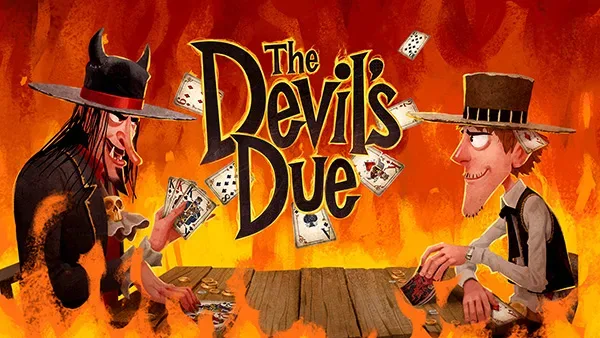
The Devil's Due, a roguelite poker game from Norwegian indie studio Games People Play, is now available on Steam. The game sends players into Hell after an ill-fated poker match with the Devil costs them their soul, then challenges them to win it back through a series of increasingly dangerous card duels.
This is not a traditional poker game where etiquette and a clean hand are expected. In The Devil's Due, cheating is a central survival tool. Players can manipulate cards, alter their values, interfere with opponents and conceal information, but every underhanded action risks raising suspicion. Push too far, and the demons across the table can respond with punishing counterattacks.
The game is priced at $14 USD, with regional pricing potentially varying. A 20% launch discount is available for its first two weeks on Steam. During that same launch window, players who own Degenerate Gamblers, Decktamer, Card Shark or Rune Dice can receive improved bundle pricing.
A Poker Game Where the House Is Demonic
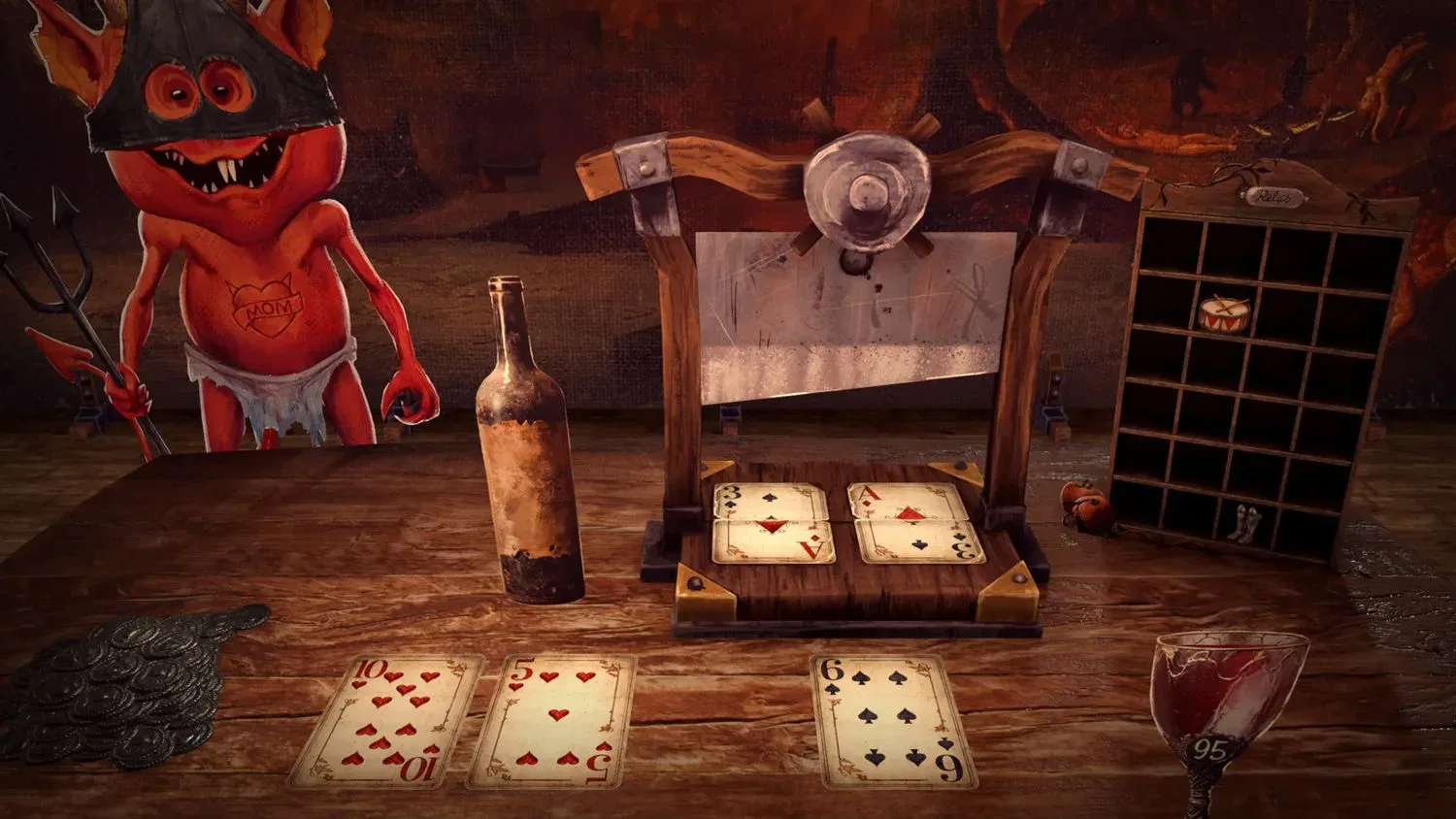
The central premise begins with a loss to the Devil himself. Having gambled away their soul, the player must work their way through an army of demonic opponents inspired by the seven deadly sins. Every confrontation is structured as a one-on-one poker duel, though the game transforms familiar card-game ideas into combat mechanics.
For useful background on this topic, read Slots & Slaughter Demo Spins Onto Steam With Gladiatorial Roguelike Deckbuilding.
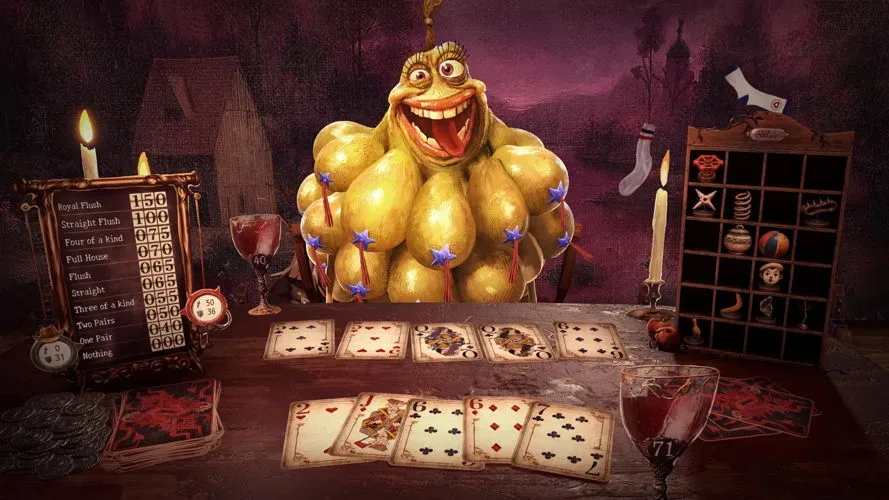
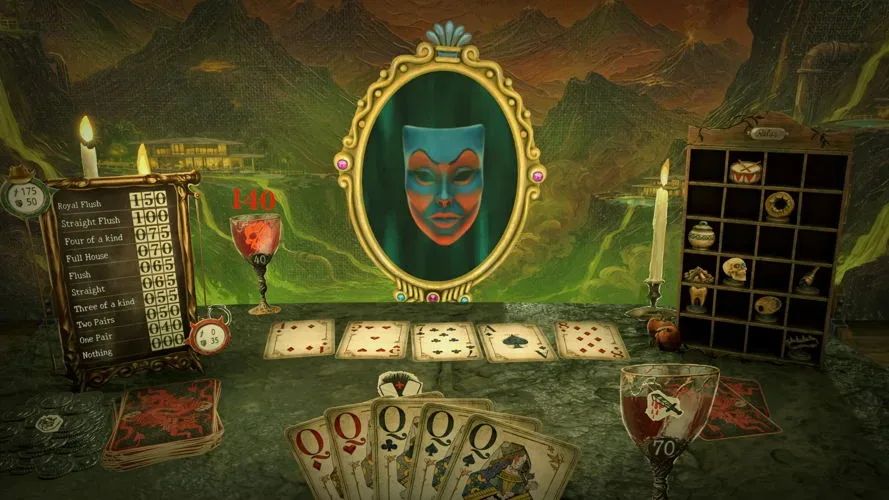
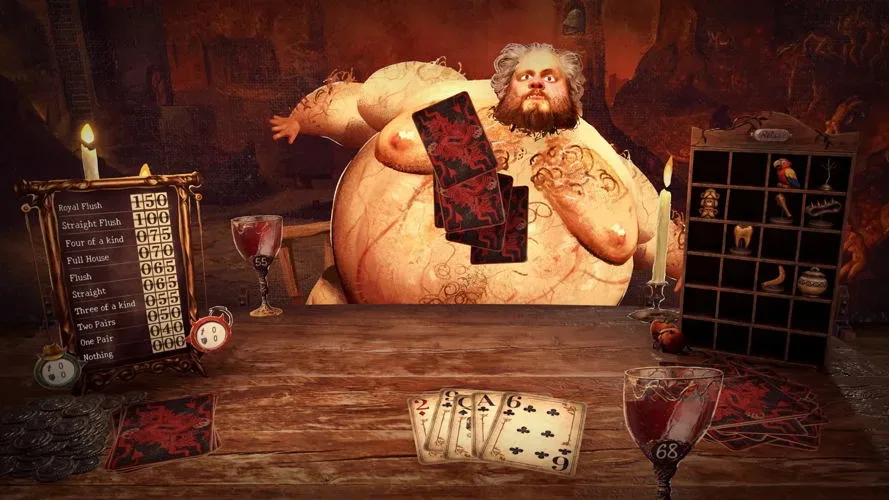
Building a strong poker hand is not merely a route to winning a pot. Hands are used to attack enemies, while card values also matter for defense. The result is a system where players need to consider immediate damage, survival, the cards available for future turns and the risks attached to any tricks they decide to employ.
The demons are not simple stand-ins waiting to be beaten by a high pair or a straight. They have their own unique abilities, forcing players to account for different threats as they advance. A strategy that works against one creature may become dangerously unreliable against the next, especially if a player has become dependent on a particular form of cheating.
That tension is the game's defining hook. Concealing a card, swapping cards, enhancing a value or sabotaging an opponent can turn a poor situation around. However, those actions contribute to the suspicion meter. Suspicion is not just a thematic flourish; it creates a direct cost for relying too heavily on the game's most powerful options. Successful runs will demand calculated deception rather than indiscriminate rule-breaking.
For another perspective on this story, read The Devil's Due Deals a Roguelite Poker Run Through Hell on Steam.
Cheating is not an optional novelty in The Devil's Due. It is part of the intended toolkit, balanced by the danger of being caught and suffering the consequences.
Tarot Cards Shape Each Route Through Hell
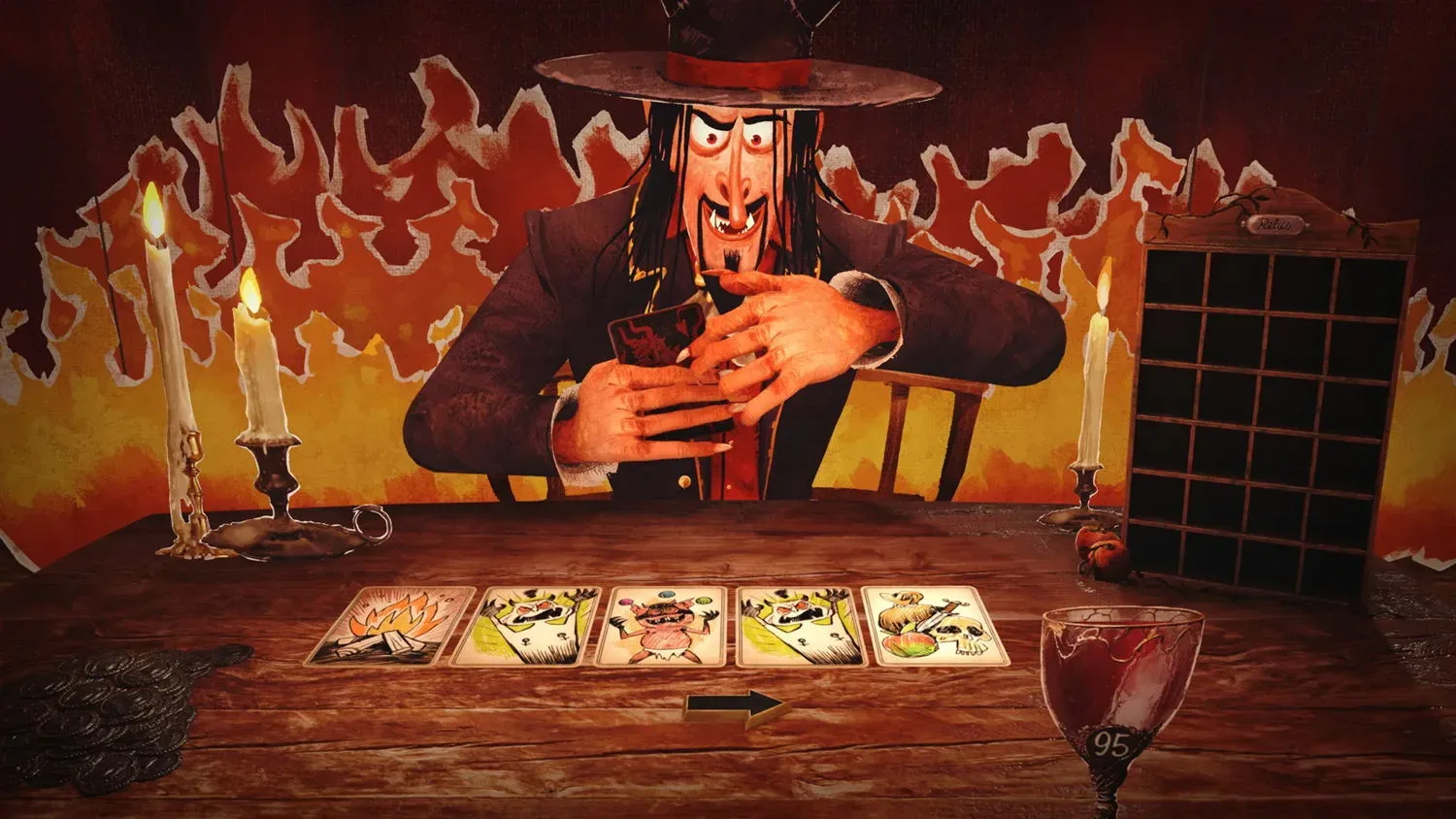
Like many roguelites, The Devil's Due is built around repeat runs rather than a single uninterrupted climb. Before and between battles, players make choices that define the shape of their current attempt. At the beginning of each level, the Devil presents tarot cards that determine the available paths forward.
These routes can lead toward monster encounters, bosses, shops, healing shrines and minigames. The tarot structure gives each run a degree of strategic planning before the cards are even dealt at the next table. Choosing a route is not simply about finding the safest battle. A player low on health may prioritize a shrine, while someone seeking a stronger build could take a riskier route in search of rewards or a shop visit.
Shops add another layer to the game's mischievous design. They are not merely places to spend acquired resources; players may find opportunities to scam them. Minigames, meanwhile, can conceal additional ways to bend the rules. The broader run structure therefore supports the same personality as the poker combat: the player is navigating Hell by looking for angles, loopholes and moments when an opponent is not paying close enough attention.
This should make decision-making outside battles just as relevant as the plays made during duels. The strongest possible hand does not solve every problem if a player reaches a boss without enough defensive options, useful relics or ways to manage suspicion. Conversely, a less spectacular run can still succeed if its route provides the right tools for the dangers ahead.
Permanent Progression Supports Repeat Attempts
Failure is expected in a roguelite, but The Devil's Due includes persistent progression meant to make subsequent attempts more varied and potentially more powerful. Each run can contribute toward permanent upgrades, new cheat cards, relics and additional strategies.
Cheat cards are especially important to the game's identity. As the available arsenal grows, players can experiment with different ways of controlling a match. Some tricks may be better for repairing an unlucky draw, while others can create more aggressive opportunities or disrupt an opponent at a crucial moment. Since these effects come with suspicion-related risks, expanding the pool is also about finding a playstyle that fits a particular player's tolerance for danger.
Relics provide another avenue for shaping a run. Their presence encourages build construction beyond the immediate cards in hand, allowing players to consider longer-term combinations between their upgrades, cheat options and route choices. Persistent unlocks mean that a failed attempt can still introduce a new possibility for the next descent.
That structure may appeal to players who enjoy card-driven roguelites but want a more explicitly adversarial format. Rather than facing a conventional series of combat encounters, The Devil's Due frames its battles as duels at the table, where reading the situation and getting away with a trick are as important as assembling an efficient deck or maximizing a damage number.
Comedy and Cutout Animation Meet the Underworld
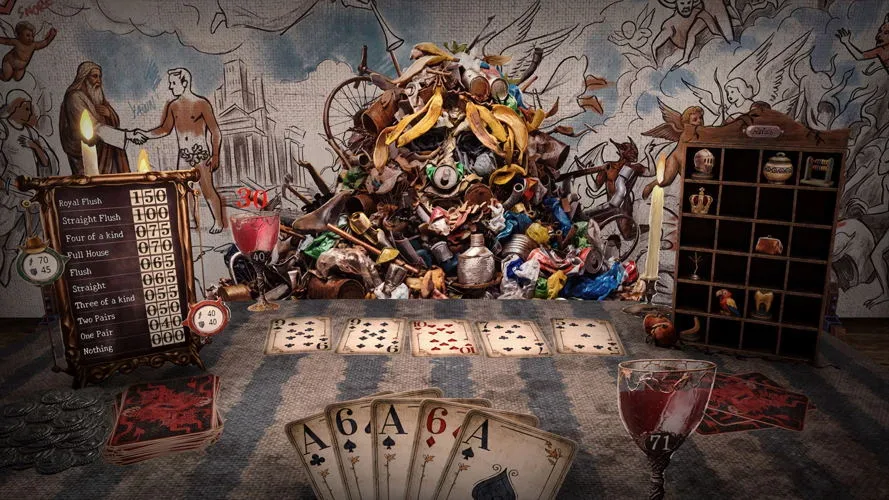
Hell is the setting, but the tone is not presented as straight horror. The game uses a stylized animation approach inspired by the work associated with Monty Python, particularly the cutout-like visual sensibility linked to Terry Gilliam's animation. That direction gives the demonic setting a deliberately eccentric and comic edge.
The art style is a natural fit for a game about gambling with the Devil and trying to deceive supernatural opponents. It can make the world feel theatrical, grotesque and playful at the same time, emphasizing the absurdity of bargaining for a soul through poker. The seven-deadly-sins inspiration for its enemies also gives the developers room to portray Hell's inhabitants with exaggerated personalities rather than as interchangeable monsters.
Humor appears to be a meaningful component of the experience, not just a visual accent. The idea of scamming shops, cheating in minigames and repeatedly trying to outsmart Hell's ruler suggests a game interested in keeping failure entertaining even when a run goes badly. In a genre built around restarting, personality matters: players need a reason to return after being defeated, and The Devil's Due aims to make its world and its tricks part of that appeal.
Who The Devil's Due May Be For
The Devil's Due is likely to be of interest to players who enjoy roguelites with card-game systems but are looking for a structure distinct from deckbuilding alone. Its poker foundation means that recognizable hand rankings and card values sit at the center of combat, while the cheating mechanics add an extra tactical layer beyond simply playing the strongest possible hand.
It may also appeal to fans of games where risk management is more important than following an obviously optimal sequence. The suspicion meter ensures that powerful effects carry a meaningful downside. Players are encouraged to cheat, but ideally at the moment when cheating will matter most. That can create satisfying stories during a run: a desperate swap that saves a battle, a value boost that finishes a demon, or a greed-driven trick that finally provokes a brutal response.
- Steam availability: The Devil's Due is available now on PC via Steam.
- Price: $14 USD, with regional pricing varying.
- Launch offer: 20% off for the first two weeks.
- Bundle offer: Improved launch-period pricing is available for owners of Degenerate Gamblers, Decktamer, Card Shark or Rune Dice.
- Core systems: Poker-based attacks and defense, cheat cards, enemy suspicion, tarot routes, relics and permanent upgrades.
With its infernal premise, route-planning tarot cards, persistent unlocks and deliberately risky cheating systems, The Devil's Due presents a card-game roguelite where getting a good hand is only the beginning. Players also need to know when to bluff, when to bend the rules and when to stop before the demon on the other side of the table realizes exactly what happened.
Community
Discussion
Start the conversation.
No comments have been posted yet.