

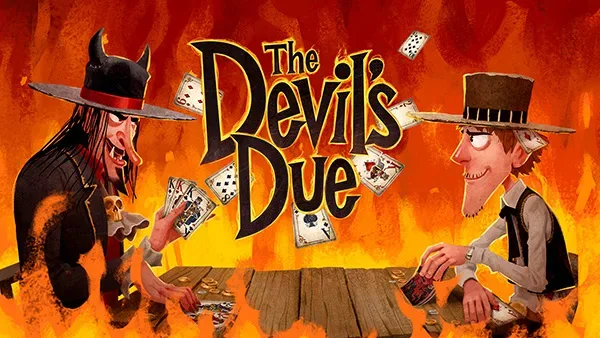
The Devil's Due, a poker-focused roguelite from Norwegian developer Games People Play, will launch on Steam on November 10. The game starts with a very bad bet: the player has already lost their soul to the Devil in a poker game, and the only route out of Hell is to survive a series of increasingly dangerous card-table confrontations.
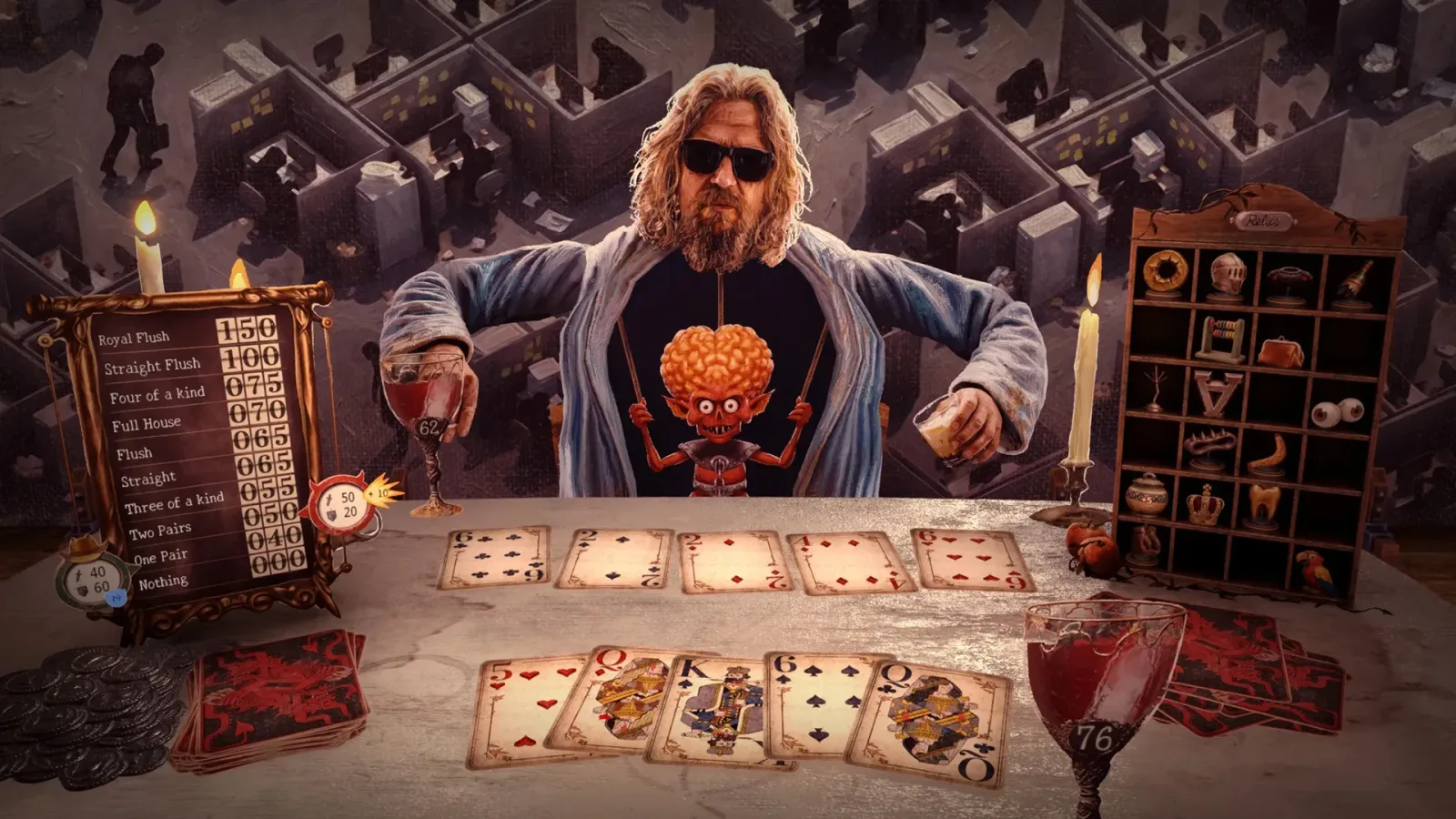
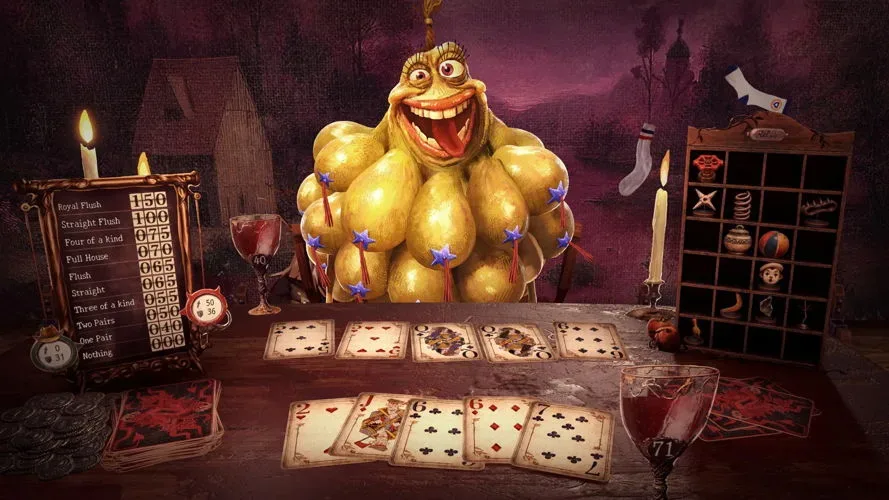
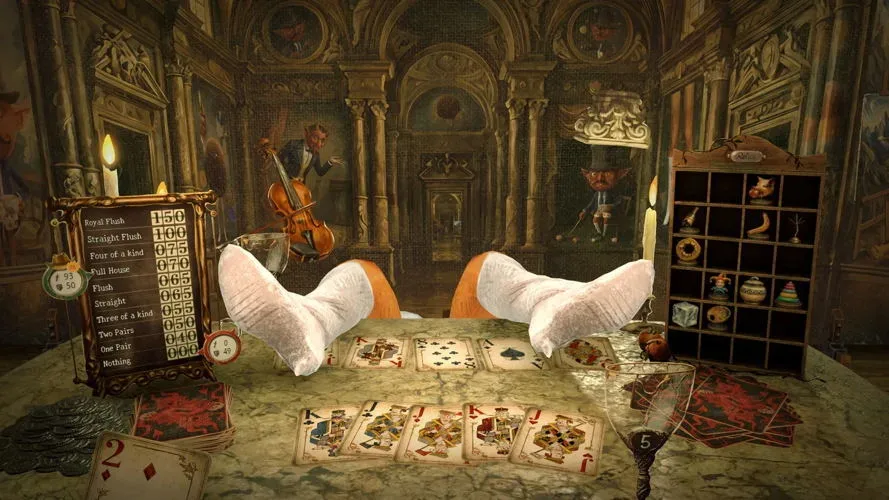
That premise gives the game a deliberately unruly take on poker. Rather than presenting the familiar card game as a clean exercise in mathematics and optimal choices, The Devil's Due builds its runs around bluffing, desperation and finding opportunities to break the rules without suffering the consequences. Players will make poker hands to attack enemies, rely on card values for defense, and use an expanding suite of cheats to gain an advantage over Hell's hostile inhabitants.
The opponents are demons inspired by the seven deadly sins, turning each encounter into part card battle and part high-stakes attempt to keep the other side from realizing exactly what has happened to the deck. It is a concept that puts classic poker knowledge at the center of the action, but does not leave players bound by the normal etiquette of the table.
Cheating Is Powerful, but It Is Never Free
Games People Play has described The Devil's Due as a game built around the feeling of poker itself: the disorder, the bluffing and the pressure of trying to get away with something. Game designer Jack Kristoffersen said the team wanted to avoid reducing poker to an abstract optimization exercise. That philosophy is reflected in the game's cheating systems, where using a dirty trick can save a run but also makes the enemy more suspicious.
For useful background on this topic, read Escape the Backrooms Will Add Three New Levels in December, Including After Party.
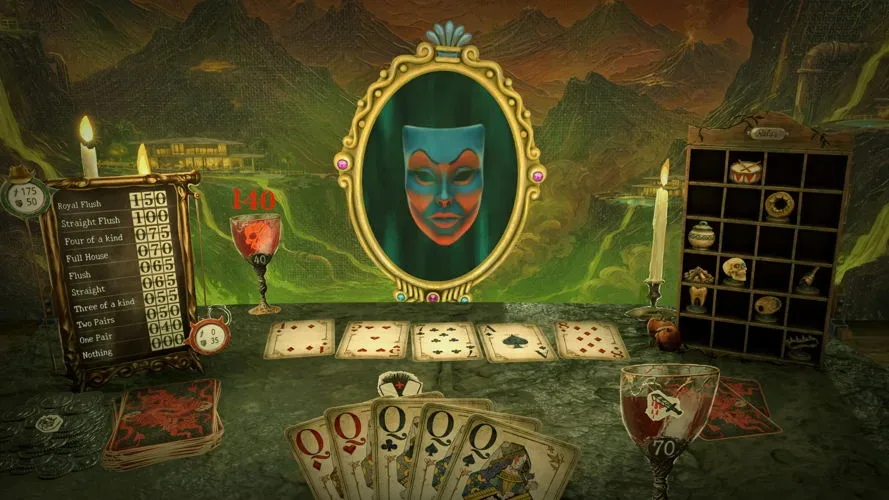
Available tricks include manipulating hidden cards, raising card values and disrupting an opponent's hand. Those abilities can change the outcome of a battle when a standard hand is not enough, and they should offer room for players to construct strategies around particular combinations of cheats, relics and upgrades.
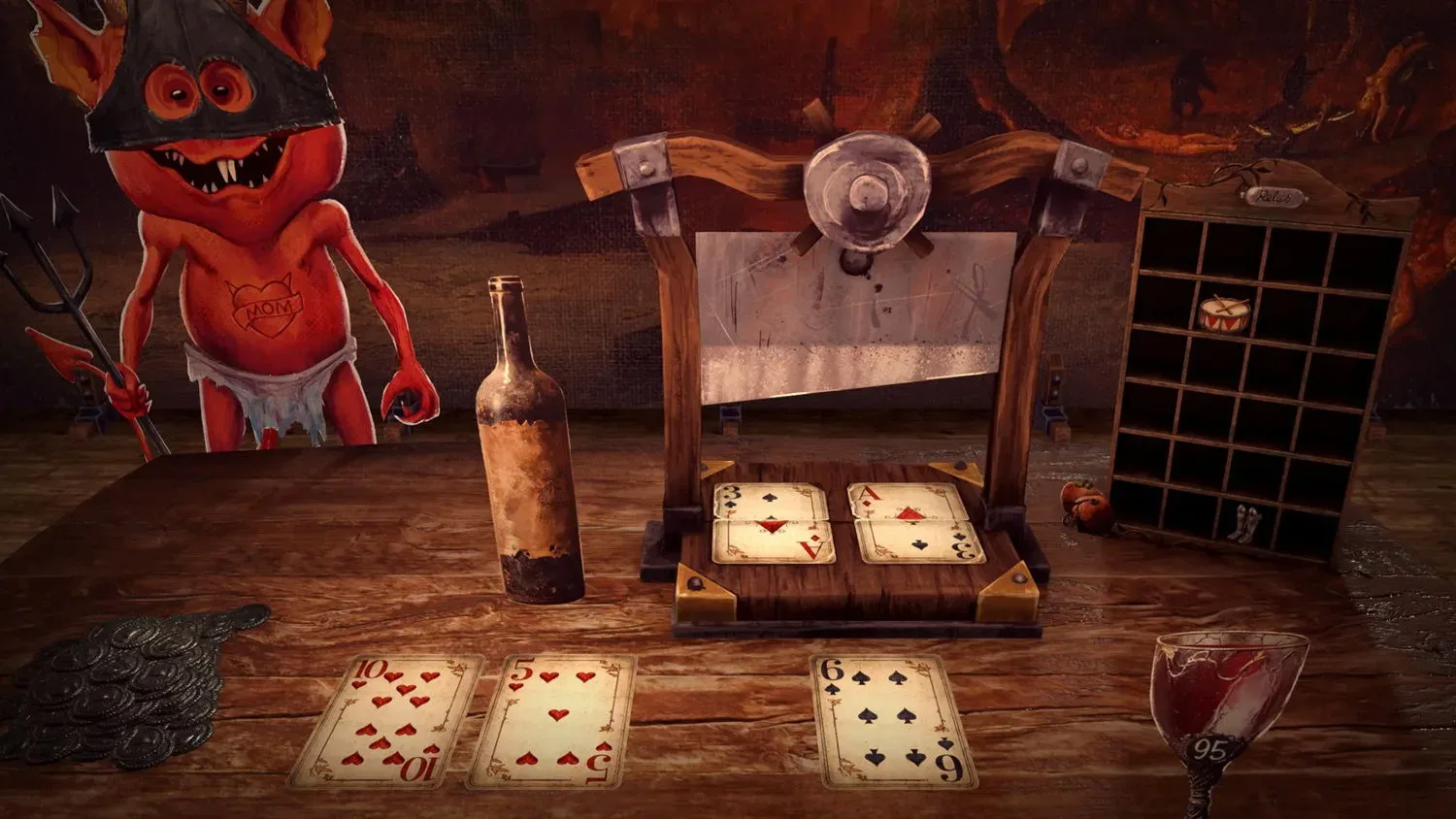
However, every act of cheating contributes to an enemy suspicion meter. Pushing that meter too far invites punishing counterattacks. The basic decision is therefore not simply whether a cheat is useful at a given moment. Players must judge whether the immediate benefit outweighs the risk of exposing their plan, and whether they can finish an encounter before the demons retaliate.
That tension could distinguish The Devil's Due from card games where rule-bending effects are only bonuses with no meaningful drawback. A last-second card swap may create a winning hand, for example, but it could also leave an enemy close enough to suspicion that another trick becomes too dangerous. The game's central question is likely to remain the same throughout a run: how much can be stolen from the rules before the table turns against the player?
For another perspective on this story, read The Devil's Due Deals Roguelite Poker and Demonic Cheating onto Steam November 10.
Poker Hands Become Weapons and Shields
Combat in The Devil's Due assigns two direct roles to cards. Strong poker hands are used offensively, while card values contribute to defense. This makes the hand in play matter beyond the usual goal of simply beating another poker hand. A player may need to consider how a particular combination will damage a demon, how much protection its individual cards can provide, and whether a small manipulation now will create a more valuable result later.
The game's Hell setting gives those matches a larger roguelite structure. Defeat sends players back to the beginning, but failed attempts are not entirely wasted. Runs can unlock permanent upgrades as well as additional cheat cards, relics and new strategic options. Over time, the available toolkit should grow, allowing players to approach the deeper areas of Hell with more ways to shape a hand or interfere with a foe.
This progression is important for a roguelite built around volatile card draws. Permanent unlocks can help make repeated attempts feel like continued discovery rather than simple repetition, while new cheats and relics may significantly change how players evaluate a deck, a route or a risky encounter. A player who first relies on boosting values might later find a build centered on tampering with hidden cards or aggressively sabotaging enemy hands.
Tarot Cards Set the Route Through Hell
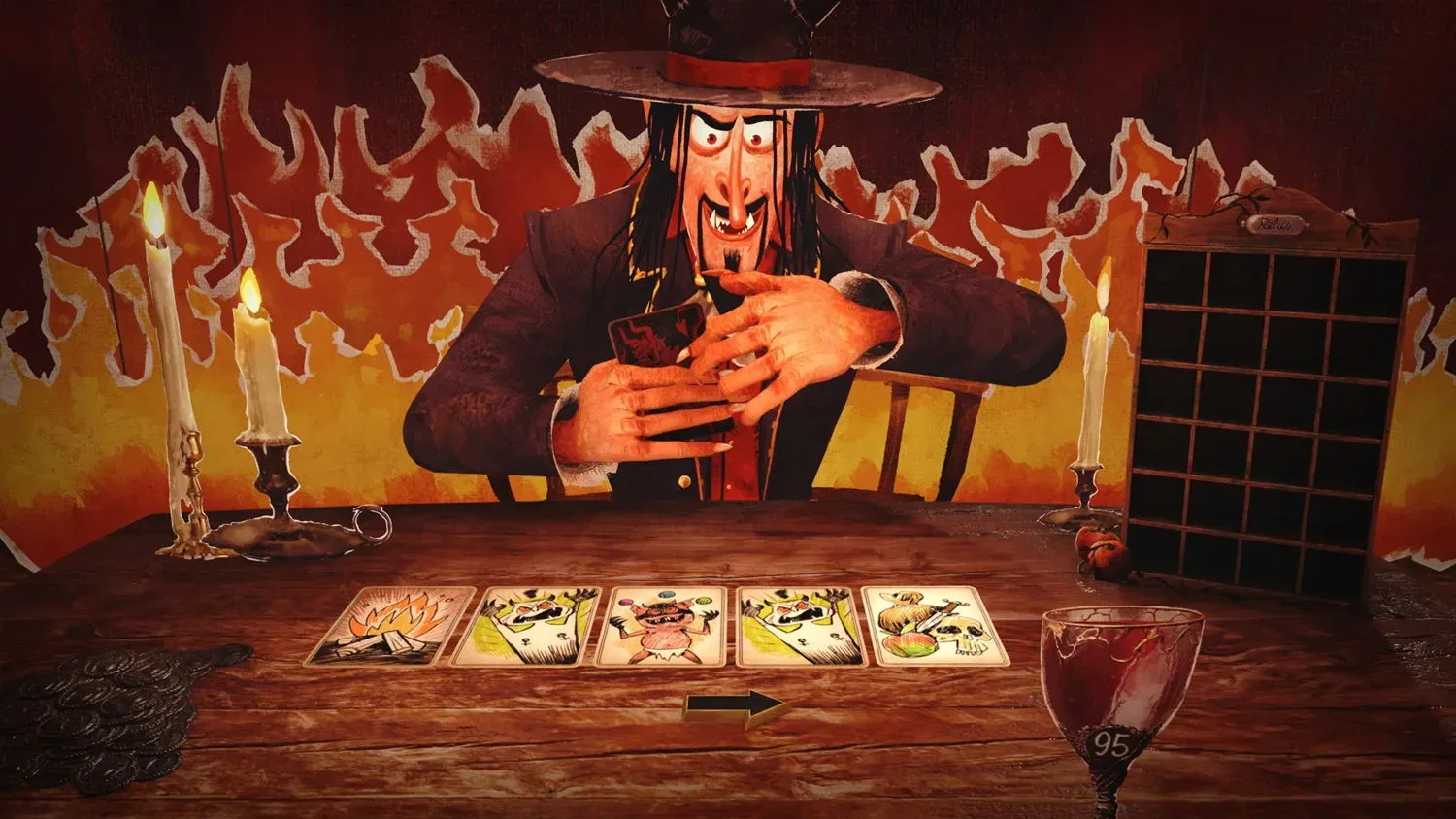
Between battles, The Devil's Due asks players to make decisions about the path ahead. At the beginning of each level, the Devil places tarot cards that lay out possible destinations. Those routes can include standard monster encounters, bosses, shops, healing shrines and minigames.
The tarot presentation gives the game a thematic route map, but its function is practical as well. Choosing a path can determine whether a run prioritizes recovery, shopping, rewards or a confrontation with a stronger enemy. The game also encourages players to bend the prescribed path where possible, maintaining the broader idea that even Hell's systems are meant to be exploited.
Shops are not presented as entirely safe places to spend resources. Players can attempt to scam them, extending the cheating theme beyond combat. Minigames likewise conceal chances to find loopholes and engage in rule-breaking. These side activities may provide a break from the central poker encounters, but they also appear designed to keep players thinking like someone trying to escape an impossible debt by any means available.
Healing shrines and stores should offer more conventional reasons to alter a route, while bosses presumably act as major tests for a run's current collection of tricks and relics. The mix of destinations suggests that planning will be as important as performance at the card table. Taking a direct route through combat might bring quick rewards, but a detour through a shop or shrine could be what makes a later boss possible.
A Comedic Vision of the Underworld
Although the game is about gambling away a soul and fighting through Hell, The Devil's Due is not aiming for unbroken grimness. Its animation takes inspiration from Monty Python, pointing toward an exaggerated and comedic visual identity for the demons, misfortune and escalating punishments that players will encounter.
That tone fits a game in which the protagonist repeatedly tries to cheat supernatural opponents at poker. The premise has room for menace, especially when suspicion triggers a destructive response, but the visual approach suggests that the journey will also embrace the absurdity of trying to out-con a devilish bureaucracy one rigged game at a time.
The promise of a steady flow of cheats and relics supports that sense of discovery. In roguelites, the appeal of another run often rests on seeing a new item, testing an unfamiliar interaction or discovering a more effective way to turn a losing situation around. The Devil's Due is framing those discoveries through poker's recognizable language of hands, values and hidden information, then adding supernatural interference to every part of the equation.
What to Expect on November 10
The Devil's Due is currently confirmed for Steam, where it arrives on November 10. Games People Play has not detailed additional platforms in the announcement. For PC players interested in card-driven roguelites, the game's main hook is clear: poker hands are only the starting point, because the real advantage may come from knowing when to bluff, when to manipulate the deck and when to stop before a demon catches on.
Its risk-and-reward system could make each encounter feel less like a straightforward hand comparison and more like a contest of nerve. Using no tricks may be safer but leave damage on the table. Leaning too hard into cheating may create spectacular turns, yet invite devastating retaliation. Combined with branching tarot routes, permanent unlocks, shops, shrines and minigames, that balance should give players several layers of decisions during each attempt to reclaim their soul.
When The Devil's Due deals its first hand on Steam this November, success will not depend only on drawing well. It will depend on leaving the table with enough nerve, enough tricks and just enough plausible deniability to keep the forces of Hell from calling the bluff.
Community
Discussion
Start the conversation.
No comments have been posted yet.