

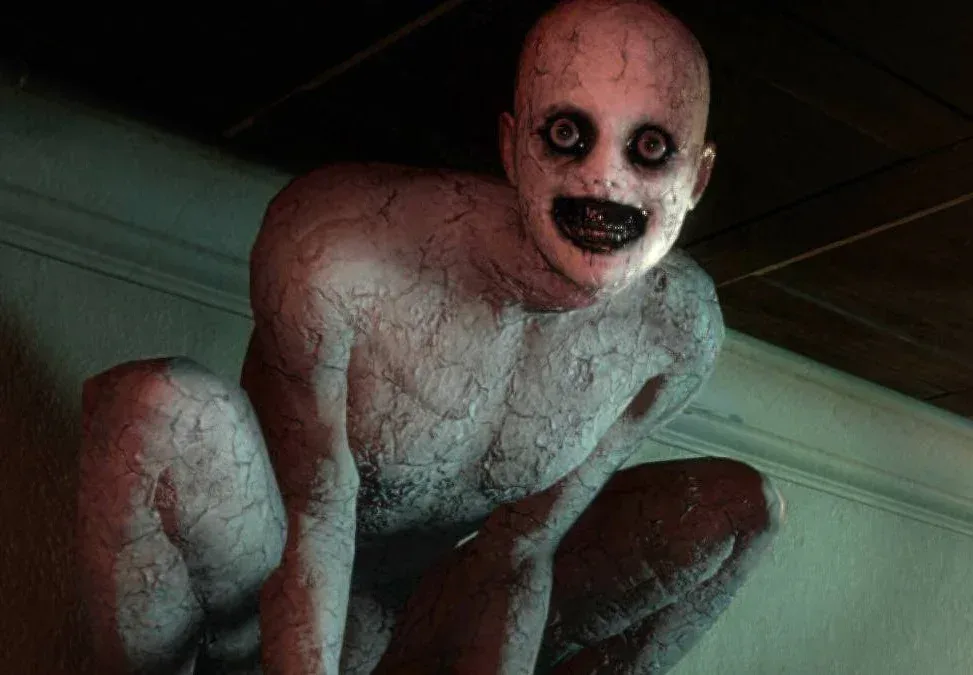
Jeremiah Kipp, the independent horror filmmaker who directed the recent The Mortuary Assistant movie adaptation, has died. His partner, Lindsay Katt, shared the news, which was subsequently confirmed by the Long Island International Film Expo. Kipp's death has prompted an outpouring of remembrance from horror filmmakers, studios, festival peers, and collaborators who knew him as an encouraging presence in the New York genre community.
Kipp had released his highest-profile feature earlier in 2026 with The Mortuary Assistant, an adaptation of the 2022 horror game of the same name. The film represented a significant crossover between the independent game space and horror cinema, bringing DreadXP's unsettling morgue-set premise to a wider movie audience. It also arrived after years of work across shorts, independent productions, and feature-length scares that had established Kipp as a familiar name among dedicated horror viewers.
The Long Island International Film Expo remembered Kipp as a kind and generous artist, emphasizing his willingness to share cinematic knowledge and offer advice to others. Its tribute described a filmmaker whose legacy extends beyond the projects he completed, encompassing the many friends and peers he supported throughout his career.
Embedded X/Twitter post
A filmmaker shaped by independent horror
Kipp's career moved through the grassroots side of horror, where directors often wear numerous creative hats and build professional relationships project by project. Before taking on The Mortuary Assistant, he directed a range of genre work spanning short films and features. That body of work led to Slapface, the 2021 horror film released through Shudder.
For useful background on this topic, read Drunken Goddess Reflux Scraps Public Steam Demo Over AI Copycat Fears.
Slapface is among the projects most closely associated with Kipp's name, and its release gave his work a larger streaming audience. The movie followed a dark, intimate horror path rather than leaning solely on spectacle, a quality consistent with the kind of character-driven genre filmmaking that can thrive outside the studio system. His films gave him opportunities to work with performers and crews who would remain part of the same closely connected horror scene that is now mourning him.
In a statement following news of his death, the studio behind both Slapface and The Mortuary Assistant praised Kipp's individual artistic voice and passion. The message also extended condolences to his family, friends, and collaborators. That response reflects the broad reach of a career built across multiple corners of independent genre entertainment: film festivals, streaming releases, game adaptations, and the communities that form around them.
For many working in horror, the response has focused not only on Kipp's directing credits but on his reputation as a supportive colleague. The reaction from fellow creators has portrayed him as someone who offered time, enthusiasm, and practical knowledge to people around him. In independent filmmaking, where budgets are limited and creative risks are common, that kind of generosity can be as consequential as a finished feature.
Bringing The Mortuary Assistant to film
The 2026 movie adaptation was based on The Mortuary Assistant, the 2022 video game that became a standout hit for horror publisher DreadXP. The game combines simulation-style mortuary work with supernatural terror, asking players to carry out unsettling procedures while trying to identify and survive a demonic presence. Its mix of routine, dread, occult ritual, and unpredictable scares made it a natural fit for creators and audiences drawn to psychologically tense horror.
Kipp's film centers on Rebecca, played by Willa Holland, who is known to many game fans for voicing Aqua in the Kingdom Hearts series. Rebecca is a woman facing difficult circumstances and hoping a new job will offer a route toward stability and recovery. Instead, her employment at a morgue turns into something far more dangerous than an ordinary night shift.
At first, the work is grim but seemingly manageable. That changes when Rebecca begins experiencing disturbing visions. Her employer Raymond, played by Paul Sparks of Boardwalk Empire, reveals the horrifying truth: a demonic entity has arrived attached to one of the bodies in the morgue. To survive and remove the spirit, Rebecca must carry out specific rituals under escalating pressure.
That premise preserved the central appeal of the game while giving Kipp room to shape it as a feature film. A game can create fear through player participation, repetition, and uncertainty about what may happen during each task. A film needs to translate that tension into performance, pacing, imagery, and character stakes. The story's confined workplace setting and its ritual-based threat provided a strong framework for a screen adaptation, while Holland and Sparks gave the project recognizable leads.
The Mortuary Assistant was a notable project for DreadXP as well. The publisher had previously earned recognition among horror fans through its Dread X collections, which gathered smaller experimental projects under a shared banner. The Mortuary Assistant broke out more substantially, reaching beyond the audience for anthology collections and becoming a major title within DreadXP's catalog.
A growing connection between games and horror film
The adaptation arrived during a period in which horror games have continued to inspire film and television projects. The strongest game-to-screen adaptations no longer have to come from only the largest franchises; distinctive independent games can also attract interest when their concepts are clear, their fan communities are passionate, and their worlds can be expanded in a new medium.
While The Mortuary Assistant has not generated the same level of wider cultural attention as every recent horror-game adaptation, its existence underscores the increasing value of successful independent games as screen properties. For DreadXP, it was evidence that the publisher's work could move beyond games without abandoning the horror identity that made its releases appealing in the first place.
The company is continuing to broaden its cross-media ambitions. DreadXP has signed an agreement involving Blumhouse and YouTuber MatPat for an adaptation of Amanda the Adventurer, another horror game with a strong online following. That expansion places The Mortuary Assistant within a larger shift for the publisher, one that sees gaming, online horror culture, and film development increasingly intersecting.
Kipp's contribution to that movement should not be reduced to a single credit. He approached the adaptation after building experience in independent horror and working within a community that values unusual voices. The film was a major professional milestone, but it was also part of a longer creative path that included shorts, festival work, and projects made outside the largest commercial systems.
Faceless had recently completed production
Before his death, Kipp had reportedly completed production on another horror feature, Faceless. The upcoming film is based on Cambodian folklore, pointing to another branch of genre storytelling that drew upon cultural myth and supernatural tradition. No release information has been announced here, but the completion of filming means Kipp leaves behind work that may still reach audiences.
The existence of Faceless is a reminder of how active Kipp remained as a filmmaker. His career was not defined by standing still after a high-profile adaptation; he was continuing to develop and complete new material. For horror fans, particularly those who followed his work before The Mortuary Assistant, that final completed project may become an important part of his legacy.
His death is a significant loss for the independent horror community. Genre filmmaking depends on directors who can turn limited resources into atmosphere, give emerging talent a chance, and recognize the potential in stories that fall outside conventional mainstream expectations. Kipp's peers have made clear that he brought more than technical ability to those efforts. He brought enthusiasm for cinema and a willingness to help others make their own work stronger.
Jeremiah Kipp will be remembered through the films he made, from earlier independent horror efforts to Slapface and The Mortuary Assistant, as well as through the people who encountered his support and guidance along the way. His work connected the world of underground horror filmmaking with an increasingly vibrant game-adaptation landscape. More importantly, the tributes from those around him portray an artist whose kindness was as meaningful as his creative output.
Community
Discussion
Start the conversation.
No comments have been posted yet.