

Twitch is experimenting with a new way to use its front page: selling products. The Amazon-owned streaming service has introduced a Shopping category in the United States, giving Amazon Live creators a dedicated home within a platform historically defined by game broadcasts, esports, speedruns, creative work, music, and conversational livestreams.
The category is receiving unusually visible placement. It appears above the main category carousel on Twitch's home page and has its own link in the service's top navigation. That means a shopping destination is not simply buried among tags or searchable directories; it is being presented as one of the places Twitch actively wants visitors to discover.
For viewers accustomed to opening Twitch to watch a favorite streamer play a new release, follow a competitive event, or hang out in a community chat, the addition may initially feel out of place. Yet it also makes clear how Amazon may be looking to connect Twitch more directly to its enormous retail operation. The new category functions much like an updated livestream shopping channel, where hosts demonstrate products and encourage viewers to purchase them while the broadcast is running.
Amazon Live comes to a more prominent Twitch space
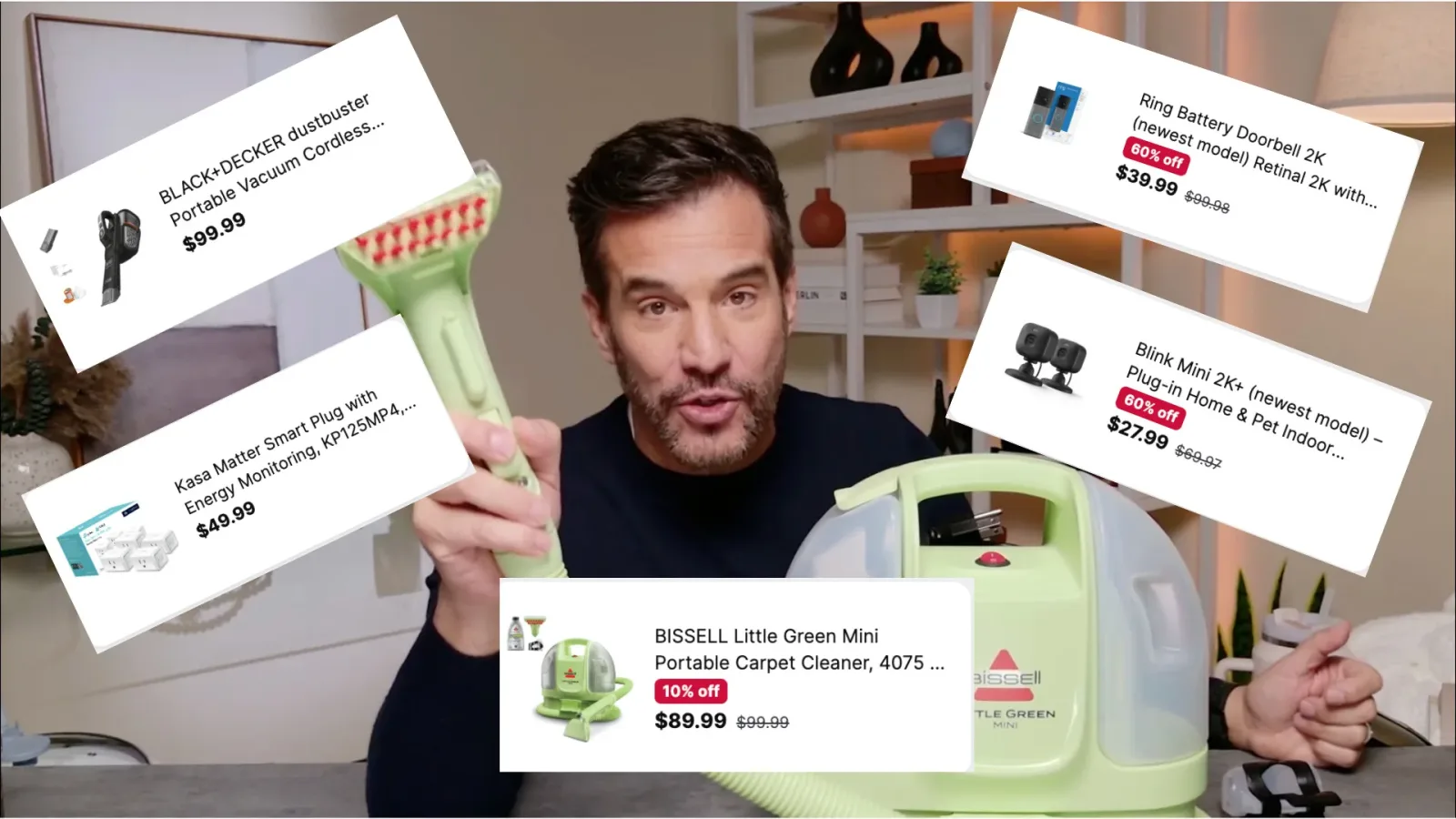
The early streams in the Shopping category appear to come from Amazon Live, Amazon's existing creator-driven shopping program. In those broadcasts, presenters discuss and demonstrate merchandise, with the potential to earn a percentage of sales generated through their product recommendations. Product listings are displayed in a carousel on the stream page, allowing viewers to move from a demonstration to the relevant Amazon item without needing to hunt down the listing themselves.
For useful background on this topic, read Sonos Beam Gen 2 Drops to $359, Bringing Dolby Atmos Gaming Audio Down From $499.
The merchandise shown is broad rather than gaming-specific. Examples seen in the new area include Vitamix blenders and faux-leather handbags, illustrating that the category is built around general consumer retail rather than hardware launches, game collectibles, or creator merchandise. Hosts appear to work through a supplied selection of items, discussing each product as its corresponding purchase option is presented to viewers.
Streamer-industry observer Zach Bussey noted the test on October 6, saying that the U.S. rollout involved six Amazon Live streamers with a combined 65 viewers at the time he checked. That is a very small audience for a service with Twitch's overall reach, and it underlines that this looks like an early experiment rather than a fully developed new pillar of the platform.
There is also an important distinction between bringing Amazon Live content to Twitch and having established Twitch personalities suddenly transform their channels into retail broadcasts. For now, the Shopping area does not appear to feature notable Twitch streamers making the move into the category. Instead, Amazon's existing shopping creators have been placed where they could potentially reach Twitch users who might not otherwise encounter Amazon Live.
A retail test timed around Prime Days
The experiment's arrival coincides with Amazon Prime Days, which are taking place on October 6 and October 7. That timing is hard to ignore. A highly visible shopping category can give Amazon another way to put deals, demonstrations, and affiliate-style recommendations in front of shoppers during a major sales event.
Live shopping has obvious appeal for a retailer because it combines product discovery, demonstrations, personalities, audience interaction, and a direct route to checkout. The format is not new: television shopping channels have used hosts and product pitches for decades. What changes online is the ability to combine that formula with chat, creator communities, recommendation algorithms, and immediate links to individual listings.
Twitch is already built around the kind of extended, personality-led broadcasts that shopping services want. A presenter can answer questions in real time, react to chat messages, compare products, explain how something works, and build a sense of urgency around a promotion. Those ingredients are especially valuable for products that benefit from a demonstration rather than a static product page.
At the same time, Twitch's audience has developed expectations that differ from those of a traditional sales channel. Viewers often spend hours with creators because they enjoy the game, community, or conversation, not because they are looking to buy something. The challenge for a Shopping category will be finding a way to fit into that culture without making the wider service feel like a nonstop storefront.
What it could mean for gaming creators
There is no sign that Twitch is requiring gaming streamers to sell products, and the current test is centered on Amazon Live rather than the core Twitch creator ecosystem. Still, the move could eventually matter to gaming creators if Amazon decides the category deserves greater investment.
Game streamers already use a range of commercial tools, including subscriptions, Bits, sponsorships, affiliate links, branded peripherals, and merchandise. A more integrated Amazon shopping system could theoretically offer another revenue route for creators who regularly discuss keyboards, capture cards, microphones, monitors, controllers, collectible figures, desk equipment, or games-related lifestyle products.
That possibility also comes with obvious concerns. Creator recommendations are most useful when viewers believe they are genuine. If shopping integrations become too prominent, streams may feel less like communities and more like extended advertisements. The balance will be particularly delicate on Twitch, where audiences tend to be quick to notice when a creator's regular content is disrupted by sponsor messaging or overly aggressive monetization.
For gaming brands, however, the model could be compelling. A live demonstration of a headset, handheld accessory, chair, lighting setup, or collector's edition can communicate far more than a conventional store listing. Streamers are also able to show products in the exact environments where their audiences expect to use them: on a desk, during a broadcast, in a multiplayer session, or alongside a PC and console setup.
Another AI-driven advertising experiment is underway
The Shopping test is not the only monetization-related change Twitch is exploring. The service is also testing an approach to evaluating whether streams are suitable for advertising by using AI to transcribe a streamer's spoken content. That transcription can help determine whether ads should be placed against a particular broadcast and, potentially, how they should be handled.
Advertising suitability systems are common across major online platforms, but applying them to livestreams presents special difficulties. Live broadcasts are unscripted, fast-moving, and heavily dependent on context. A streamer can switch from gameplay to personal conversation, react to unexpected events, or engage with chat in seconds. Automated transcription may offer useful signals, but it can also misunderstand jokes, slang, sarcasm, names, or the context around a phrase.
For creators, the key questions will be transparency and control. Streamers will want to know how these judgments are made, whether they can challenge decisions, and whether automated analysis changes their advertising opportunities. Viewers, meanwhile, may pay close attention to how frequently ads appear and whether the viewing experience is affected by the platform's broader commercial push.
Twitch's place in the competition for attention
Amazon's effort arrives as social and video platforms continue to compete for time, creators, and retail spending. TikTok and Instagram have both made shopping features and creator-led product promotion increasingly visible, while livestream sales have become a major part of digital commerce in several markets. Twitch has a different identity, but it has the core building blocks needed for the same kind of experiment: live video, hosts, chat, loyal audiences, and a parent company that operates one of the world's largest online stores.
Whether that makes Shopping a lasting Twitch destination is another matter. The small initial lineup and low observed audience indicate that there is no evidence yet of significant organic demand. A permanent position in the navigation bar and front-page promotion suggest Amazon is willing to give the idea meaningful visibility, but visibility alone will not ensure that viewers embrace it.
The most likely near-term outcome is a continued test: Amazon Live creators gain access to a new audience, Twitch measures engagement and purchasing behavior, and the company learns whether product broadcasts can coexist with the service's gaming-first culture. If it succeeds, the format could expand into more creator partnerships and more tightly integrated retail tools. If it does not, it may remain a niche category that most Twitch regulars simply scroll past.
For now, the Shopping category is available in the U.S. and represents a clear signal of Amazon's priorities. Twitch is still a place for games and live communities, but Amazon is testing whether it can also become a more direct route from watching a personality on screen to buying what they are demonstrating.
Community
Discussion
Start the conversation.
No comments have been posted yet.