

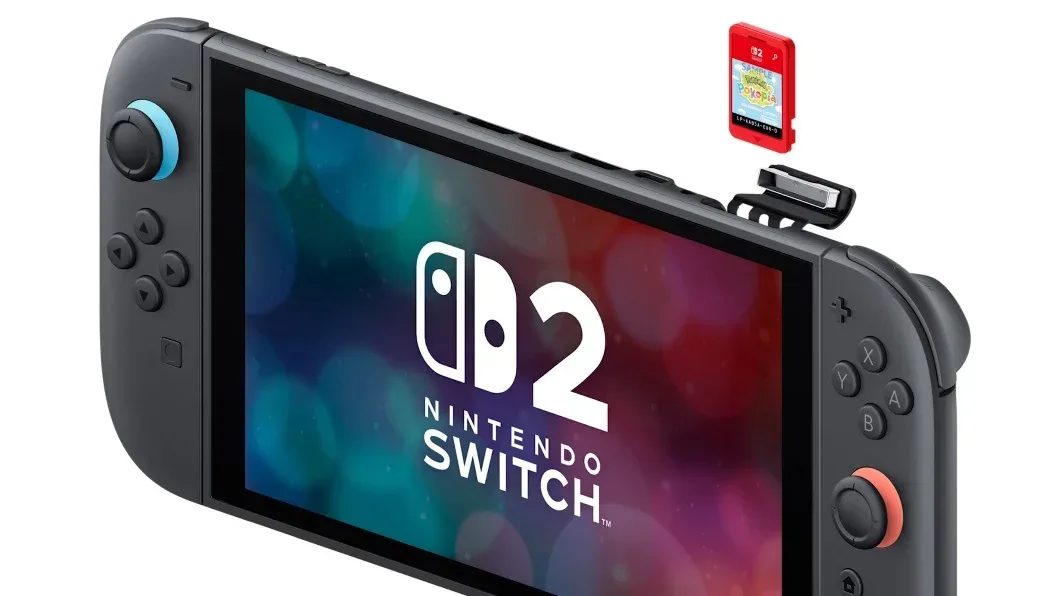
Physical video games have spent years being treated as a shrinking part of the business, so a reported increase in U.S. consumer spending on new boxed software during 2026 is an eye-catching result. The important detail, however, is that this is not necessarily evidence of a broad physical-media comeback across every platform. Instead, industry tracking firm Circana says the gain has been fueled primarily by Nintendo Switch 2 software and, more specifically, the enormous expansion of Game-Key Card releases.
Spending on new physical games in the United States was up 5% year over year so far in 2026. That growth was largely carried by a 631% jump in spending on Game-Key Cards, which more than counterbalanced a 3% decline across other physical software. It is a dramatic number, but the explanation is less mysterious once the size of the catalog change is considered.
Circana executive director and video game industry analyst Mat Piscatella explained that only 10 titles were published as Game-Key Cards during the comparable period last year. In 2026, 54 additional Game-Key Card titles have been released. In other words, spending rose sharply because consumers have far more products in this particular physical format to choose from, while Switch 2 has supplied a new hardware audience with an appetite for boxed games.
What the Game-Key Card increase actually means
Game-Key Cards have become one of the more debated features of Switch 2's software ecosystem. They are sold in physical packaging and provide a card for the console, but they do not necessarily contain the full game data in the traditional cartridge sense. Instead, the card functions as a key that allows the game to be downloaded and played, while retaining a physical component that can be bought, sold, lent, collected, or displayed depending on the title and ownership policies involved.
For useful background on this topic, read The Witcher 3 Remastered patch 5.01 Adds Console Bloom Toggle and Key PS5 Fixes.
That makes the format difficult to place in the familiar digital-versus-physical conversation. It is unquestionably part of the retail physical market measured by Circana, yet it does not deliver the all-on-cartridge preservation appeal that many physical-game buyers value. For publishers, though, Game-Key Cards can offer a way to reach retail shelves without fitting an entire modern game onto a more expensive game card. For consumers, the box, card, and ability to purchase through physical retailers may still be meaningful, even if downloading is required.
The 631% spending increase should therefore not be read as a sudden mass shift toward conventional cartridges or discs. It reflects a new console generation, a substantially larger number of eligible releases, and publisher willingness to use a hybrid format. The 5% overall rise in new physical software is still notable because it represents growth in a category that has been under sustained pressure for years. Piscatella characterized it as the first growth for new physical software in more than a decade, but also emphasized that Switch 2 and publisher adoption of Game-Key Cards are the central reasons behind it.
The key context is supply as much as demand. With only a small number of Game-Key Card titles in the prior year, there was ample room for the category to expand once dozens more games arrived. The percentage growth is striking, but it starts from a comparatively low base. What matters going forward will be whether Game-Key Card spending remains resilient after the first wave of Switch 2 releases and whether other forms of physical software can stabilize.
August spending fell despite the boxed-software bright spot
The broader U.S. game market did not share that modest physical-software momentum in August. Total consumer spending for the month reached $4.3 billion, down 9% from a year earlier. Content spending alone fell 10%, with lower mobile spending identified as a major contributor. Console content spending also declined, while PC content spending increased. Subscription spending was up as well.
Those mixed results underline how fragmented the market has become. A strong launch slate can push individual games up the charts, PC can show growth, and subscriptions can climb, yet mobile weakness and reduced console-content spending can still pull down the industry-wide total. The physical-game result is similarly narrow: it is a meaningful development within one segment, not proof that every revenue category is improving.
Accessories offered one of the more positive monthly signals, with spending up 3%. Hardware, on the other hand, was down 3% in dollar spending. PlayStation 5 generated a 17% increase in hardware dollar sales, but declines for Xbox and Switch 2 hardware, both down 13% in spending, outweighed that gain.
Dollar spending does not tell the whole story because hardware prices influence the result. The unit picture was much softer. Hardware unit sales dropped 15% year over year, marking the lowest total for an August month since 2013. The average price of a new hardware unit was $541, a figure that illustrates why dollar totals and the number of consoles purchased can move in very different directions.
By platform family, PlayStation hardware unit sales declined 11%, also reaching their lowest August level since 2013. Xbox units fell 31%, the lowest August showing for that segment since 2020. Nintendo hardware units were down 15%. Switch 2's presence has clearly helped generate boxed-game sales, especially in the Game-Key Card category, but that software contribution did not prevent a year-over-year decline in Nintendo hardware units during August.
Sports games and new releases led August's software rankings
August's best-selling games were led by the annual sports heavyweights. NBA 2K27 finished first for the month, followed by Madden NFL 27. Marvel Tokon: Fighting Souls took third place, while the Madden NFL 27 Kickoff Bundle ranked fourth. Star Wars Zero Company completed the top five.
The performance of NBA 2K27 also carried beyond its launch-month position. It became the third best-selling game of 2026 so far, demonstrating the continued commercial force of established sports franchises even in a month featuring several major new releases.
Beyond the newest launches, a handful of games saw major ranking gains thanks to platform releases, promotional activity, and entertainment tie-ins. Elden Ring climbed from 41st place in July to seventh place in August after its Switch 2 release. The move is a clear reminder that a major game can find a substantial second sales wave when it reaches a new hardware audience, particularly one as closely watched as Nintendo's latest system.
Marvel's Spider-Man 2 rose from 31st to 11th. The gain was attributed to excitement surrounding a recent film, another example of how movies and games can create momentum for one another even when the game itself is no longer new. Cross-media visibility remains an increasingly important part of the sales environment for large franchises.
Kingdom Hearts Integrum Masterpiece made an even more dramatic leap, moving from 159th in July to 26th in August. D23 announcements and a Steam sale helped propel that increase. The result highlights the importance of timing: franchise news can renew interest, while a well-placed PC discount can turn attention into purchases.
One of the more surprising entries was Big Walk, which broke into the top 10. For an independent game, reaching that level in a month full of blockbuster launches is a major achievement. It also serves as a useful counterpoint to the month's sports and franchise-driven results. Large brands still dominate the upper end of the charts, but a smaller project can break through when its audience, visibility, and release conditions align.
A complicated moment for physical games
The latest data creates an unusual headline: physical-game spending is growing, even while total market spending and hardware units are down. Yet the details matter more than the headline alone. This is growth driven by a specific new platform, a specific retail format, and a much larger slate of releases than existed a year ago.
For retailers and collectors, the rise is encouraging in the narrow sense that boxed software remains commercially relevant. For consumers who define physical ownership as complete game data stored on a cartridge or disc, Game-Key Cards are likely to remain controversial. Their success in sales tracking does not settle the debate over game preservation, online download requirements, or what buyers should reasonably expect from a product sold in physical packaging.
For publishers, the numbers provide evidence that the format can support retail distribution on Switch 2. Whether that becomes a lasting standard will depend on continued consumer acceptance, the economics of game-card manufacturing, download sizes, and Nintendo's future software policies. The next several months will be especially telling as the early Switch 2 release window matures and the market gets a clearer view of which purchasing habits are temporary launch-period behavior and which are durable.
For now, the conclusion is straightforward but qualified: new physical game spending in the U.S. has risen 5% in 2026, marking a rare positive turn for the category. That increase is not a sweeping reversal of the industry's long transition toward downloads and subscriptions. It is, instead, a Switch 2 story--one powered by dozens of new Game-Key Card releases and a consumer base still willing to buy games through physical retail, even when the physical product is also a download key.
Community
Discussion
Start the conversation.
No comments have been posted yet.