

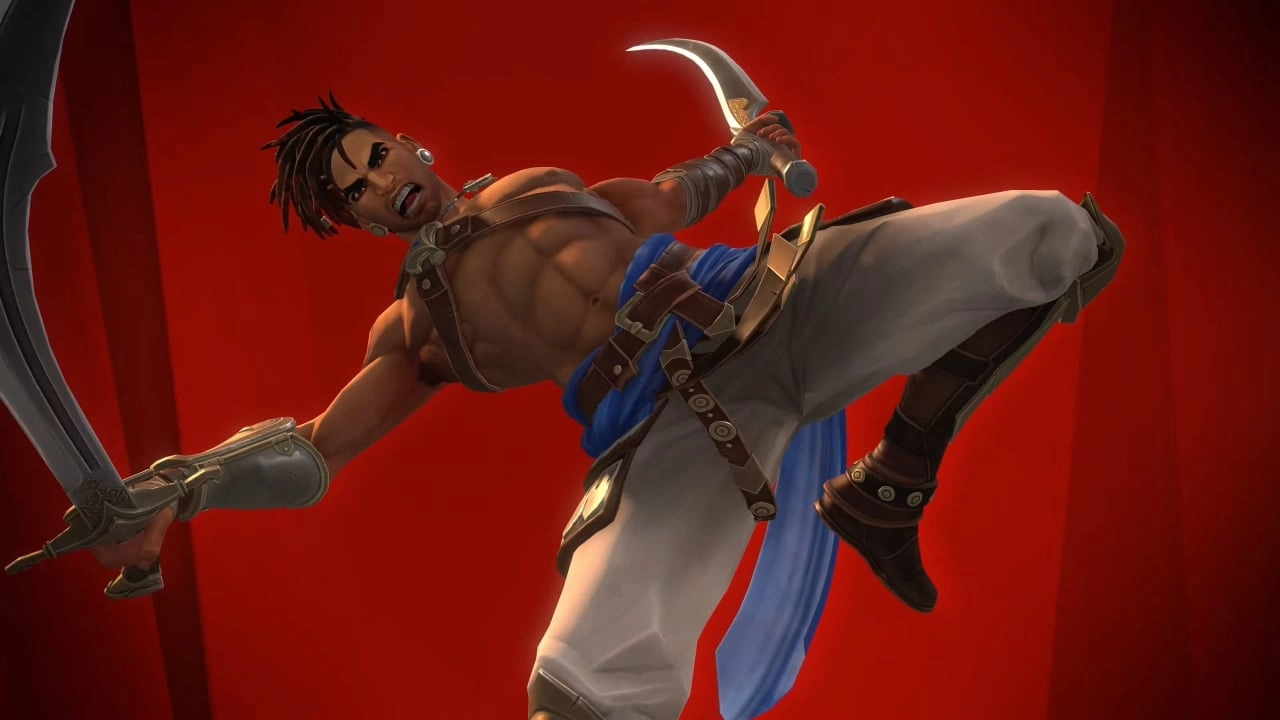
The video game industry often witnesses changes in team dynamics and project directions, often influenced by the commercial success and strategic visions of a company. A recent example is the development team behind Ubisoft's Prince of Persia: The Lost Crown, which has been disbanded, with team members being reassigned to various other projects within the company.
Ubisoft, a giant in the gaming world known for iconic titles like Assassin’s Creed and Far Cry, confirmed the reallocation of the development team behind one of its 2024 key titles – Prince of Persia: The Lost Crown. The game was developed by Ubisoft Montpellier and, despite receiving favorable reviews, has found itself at the end of its post-launch roadmap quicker than some might have expected.
Abdelhak Elguess, the senior producer for The Lost Crown, expressed pride in the work and passion the Montpellier team poured into the project. He highlighted that the game resonated well with both players and critics alike, and reassured fans of its sustained success in the long term. According to Elguess, the remaining team members will now focus on expanding the game’s accessibility, planning to introduce versions for Mac and other platforms this winter.
Originally launched in January 2024, the game managed to impress the gaming community with its Metroidvania style gameplay, a lush narrative, and detailed art style reminiscent of earlier successes in the series. However, despite the game’s quality, it did not meet Ubisoft’s commercial expectations, which has been a recurring theme for the company in a troubling financial year.
The decision to shift the team members did not result in layoffs, which is a silver lining in what could have been a significantly adverse situation for those involved. Insights from a French gaming journalist suggest that the cessation of this project wasn't just due to its performance but also because Ubisoft needed to allocate resources toward projects with potentially higher returns. This insight underscores a larger, more concerning trend within the organization, reflecting a possible crunch in resource allocations against a backdrop of ambitious sales targets.
Moreover, this development comes amid other unsettling news from Ubisoft, including a reported overall decline in the company’s market value in 2024. Ubisoft has faced other setbacks, such as underperforming titles and delayed releases that have compounded investor worries. The financial strain has reached a point where reports are even suggesting possible discussions about Ubisoft going private.
The cancellation of further developments on The Lost Crown, including potential sequels and expansions, marks a significant shift in Ubisoft’s strategy. It seems the company is steering away from risking investment in projects that do not guarantee immediate high returns, especially in the face of recent financial downturns. Fans of the series and the video game community expressed disappointment, voicing that they had hoped for more explorations into the Prince of Persia saga.
Despite these setbacks, the spirit within Ubisoft seems resilient, with Elguess reflecting confidence in the brand's future projects. This scenario is a stark showcase of the complex balance big gaming companies must maintain between creative aspirations and financial realities. As the team members transition to new endeavors within Ubisoft, the future of the Prince of Persia series remains uncertain, with the wait possibly serving as a canvas for the company to redraw its strategic priorities in more favorable colors. While this is a particularly challenging time for Ubisoft and its dedicated teams, it also opens the chapter for new beginnings and perhaps, a reinvigorated focus on titles that can bring both critical acclaim and financial success.
Community
Discussion
Start the conversation.
No comments have been posted yet.