

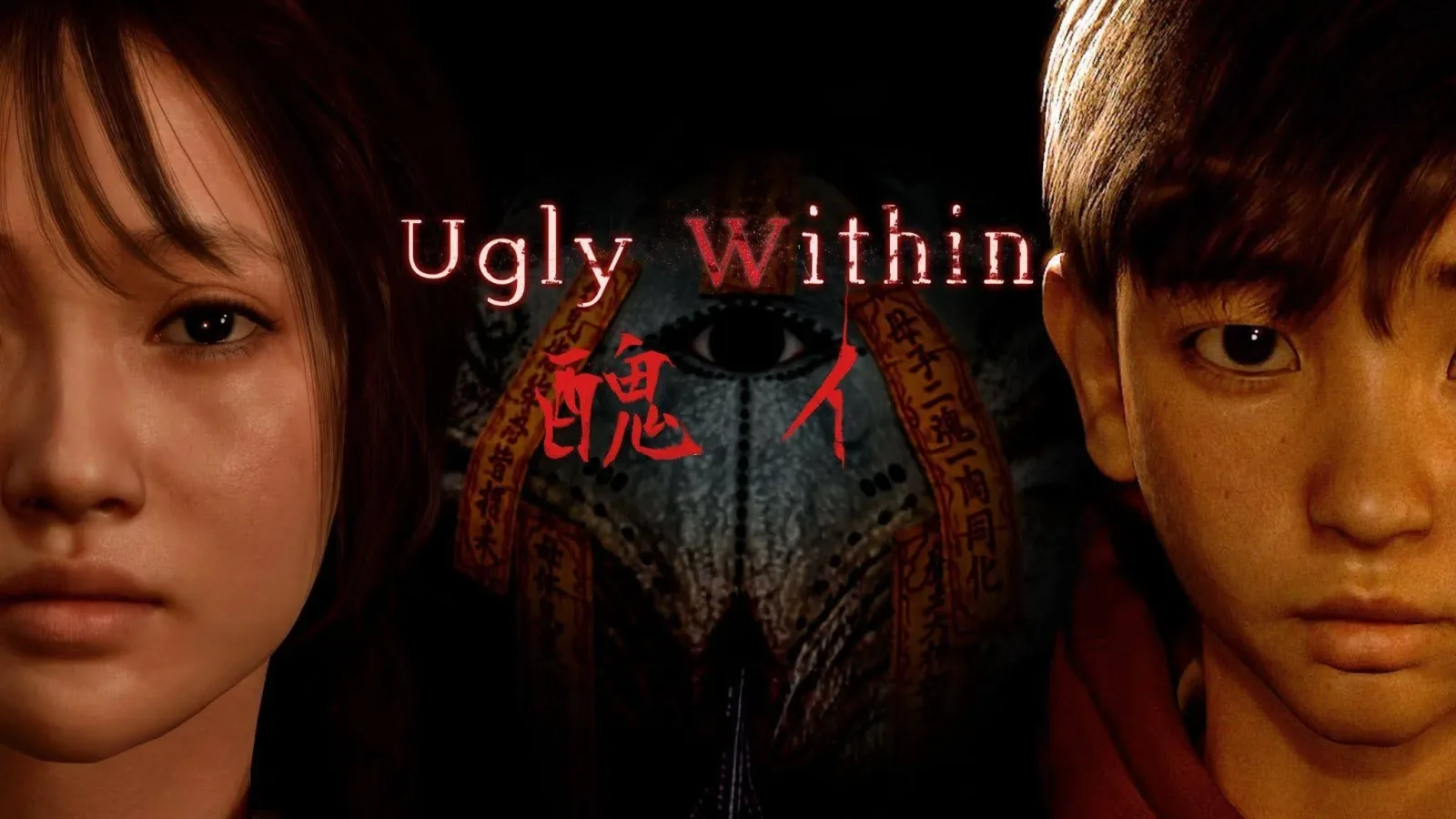
Ugly Within, a new third-person Japanese survival horror game from independent developer Yamaitachi, has been revealed for PlayStation 5, Xbox Series X|S, Nintendo Switch 2, and PC. Announced on November 20, 2026 during The Horror Game Awards 2026, the project centers on two very different protagonists investigating a secluded family estate and the unsettling entity revered there for generations.
The game is being published by Serafini Productions and is currently in development. It has been listed for PC through Steam and the Epic Games Store alongside its console versions, though no release window has been announced. The reveal establishes a horror experience built around a traditional Japanese house, limited resources, supernatural investigation, stealth, exorcism, and a central mystery that becomes increasingly difficult to separate from the people caught inside it.
A House With a Long Memory
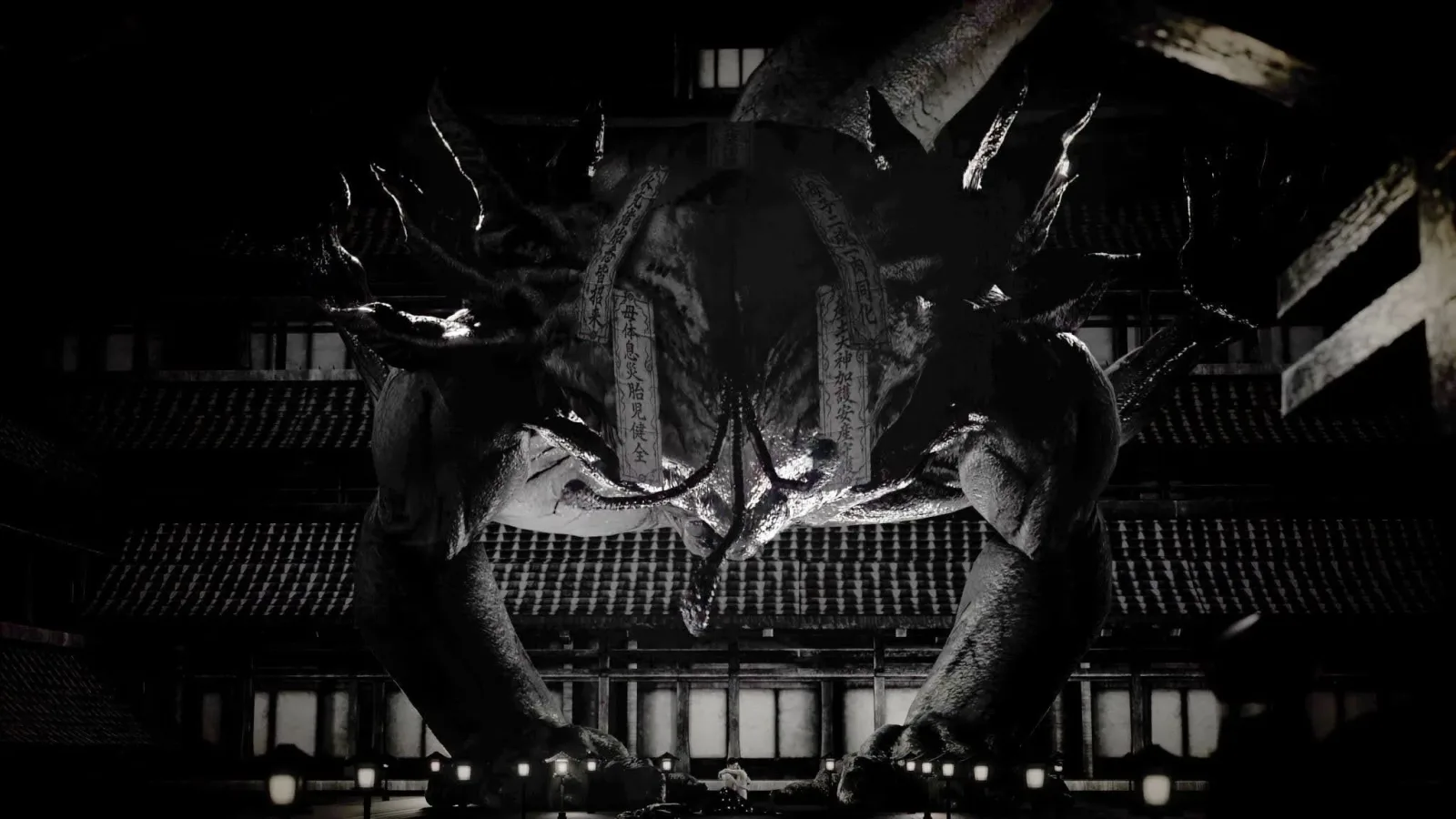
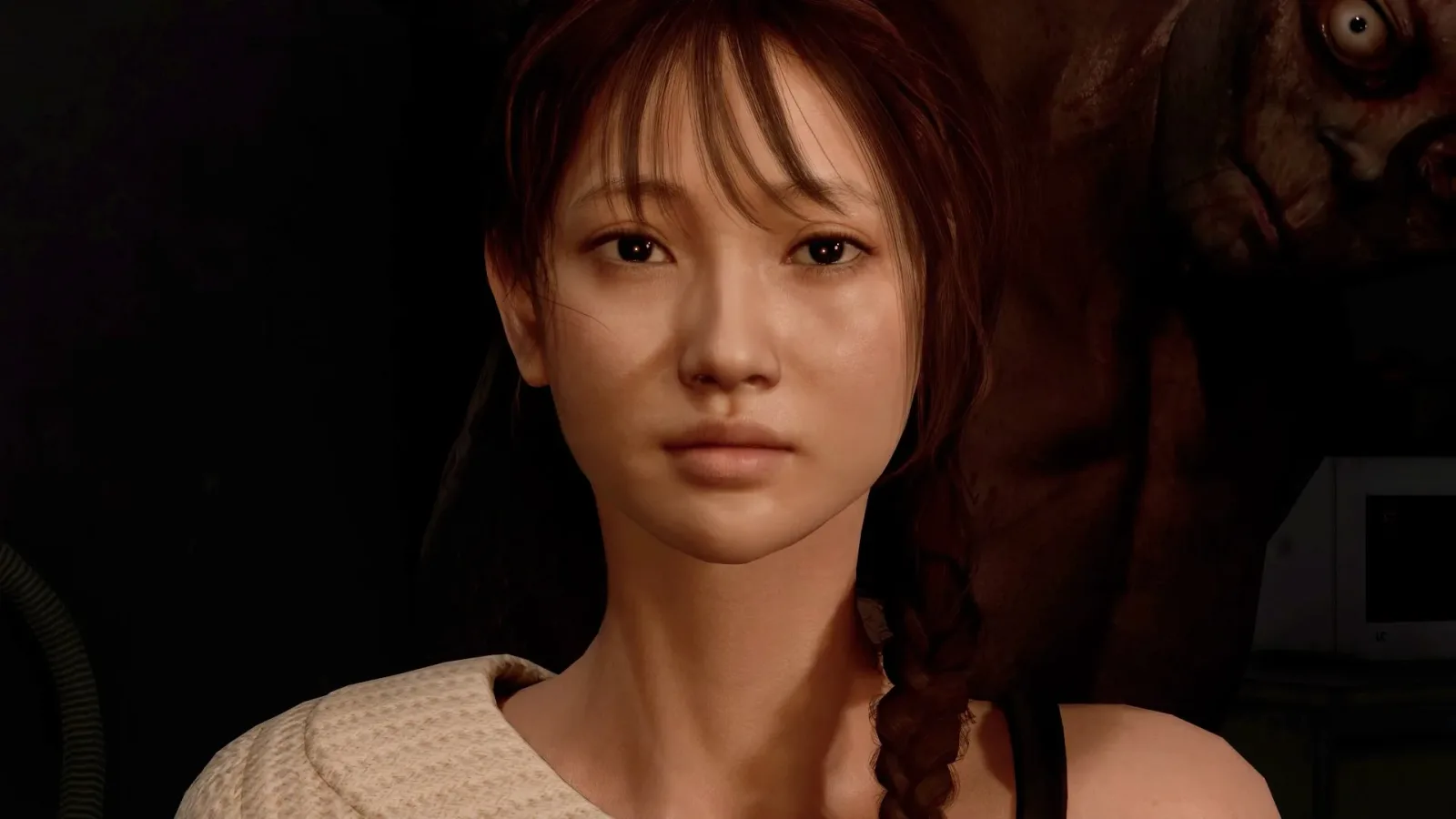
Ugly Within follows Shu Onodera and Reiko Miyama as they enter the Kamata family estate. The property is not simply a backdrop for frightening encounters. It is a place with a history that remains embedded in its rooms, objects, corridors, and concealed spaces. The Kamata family has worshipped an unknown entity for generations, and the two protagonists arrive to uncover what that worship has created and what remains within the house.
The announcement frames the estate as an isolated, traditional Japanese residence filled with dim passageways, tatami rooms, and underground areas hidden beneath the family home. That setting gives the game a deliberately enclosed survival-horror structure: players are expected to move through a place where every room can carry evidence of prior events, while the layout itself can become part of the tension.
For useful background on this topic, read Deltarune Chapter 7's Biggest Story Moment Is Being Kept Secret From Parts of the Team.
As Shu and Reiko investigate, the dividing line between human and monster is said to grow less clear. That premise suggests the horror will not be limited to straightforward supernatural threats. The estate's past, the Kamata family's devotion, and the identities of those tied to the location all appear positioned as key parts of the mystery.
Two Protagonists, Two Approaches to Survival
The central gameplay idea in Ugly Within is the contrast between its two playable leads. Shu Onodera possesses the ability to perceive past events lingering in locations and objects. His visions allow him to see traces of what happened at the estate, revealing clues that can help establish the house's history. However, the events he witnesses cannot be changed. Shu's perspective is therefore focused on discovery: he can learn from the past, but he cannot undo it.
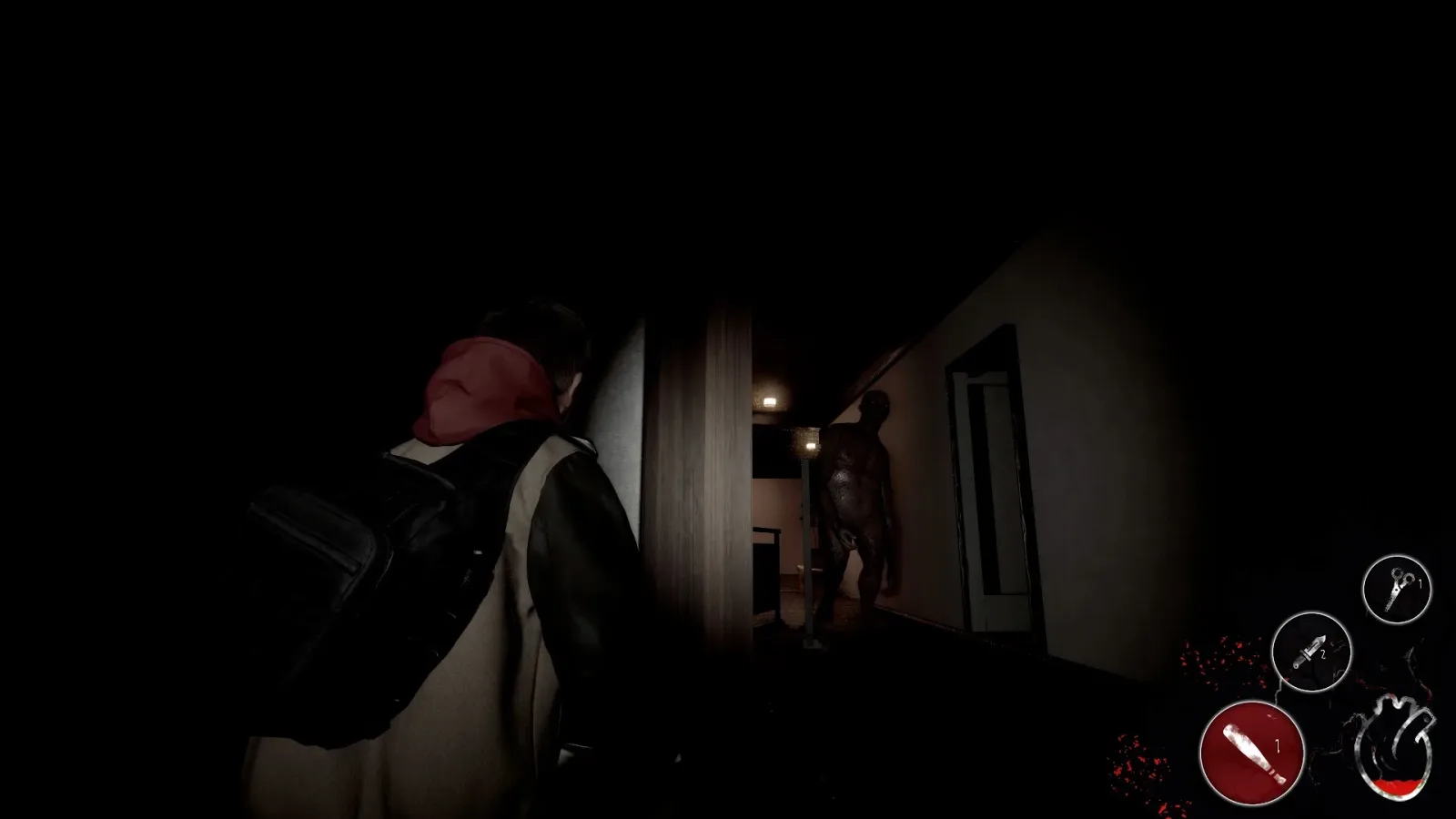
Shu's survival method is built around avoiding direct danger. He stays out of sight, moves quietly, explores the estate, and follows the records and remnants left behind by others. His sections are designed around stealth and investigation, with his supernatural perception offering a way to uncover details that would otherwise remain hidden. In a setting where resources are limited, staying unseen is not merely a preferred tactic; it appears to be fundamental to his ability to endure.
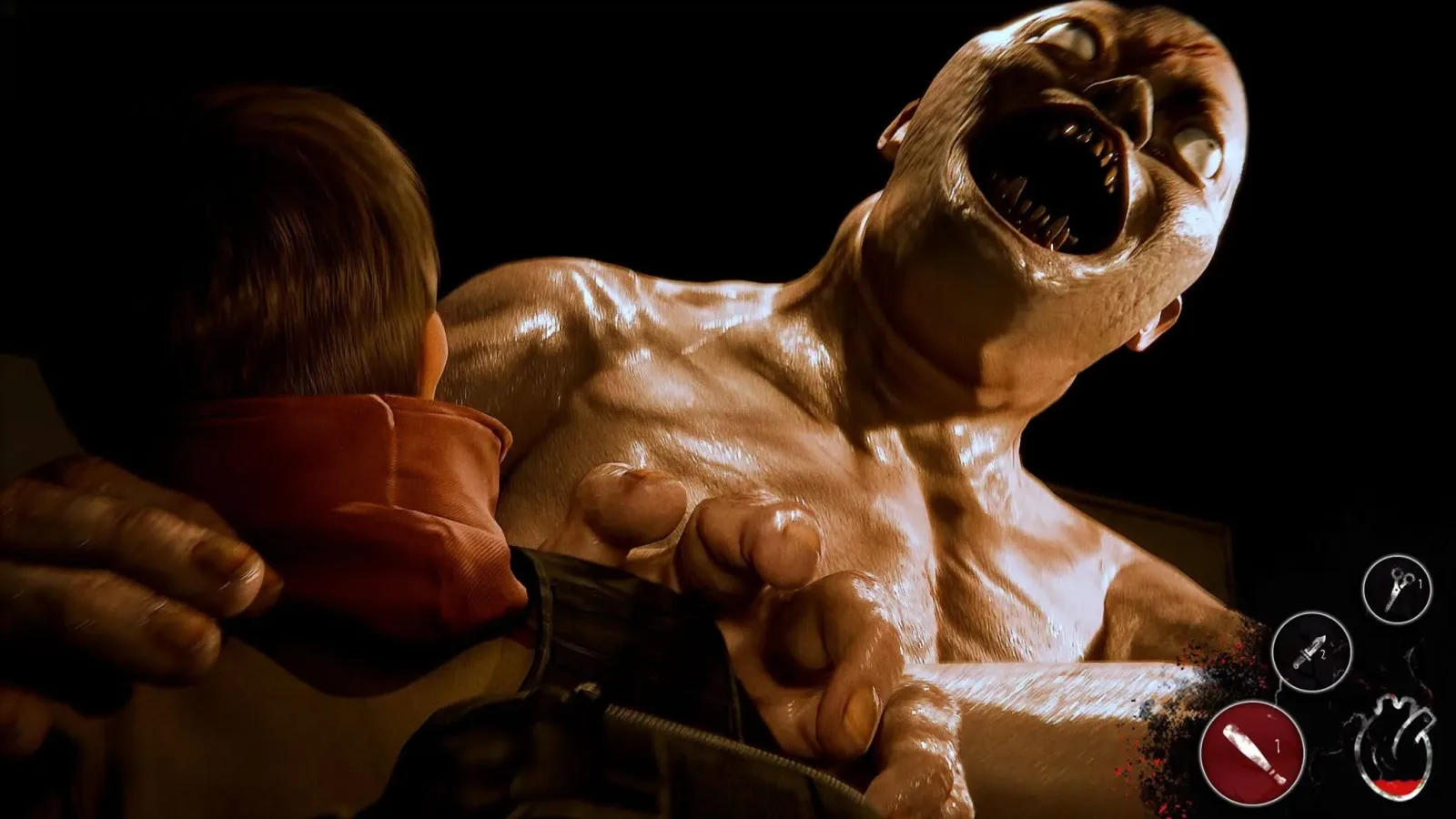
Reiko Miyama, by contrast, is an exorcist who confronts the estate's supernatural inhabitants directly. Rather than evading entities, she is able to use exorcism to drive them out. Her role brings a more active form of confrontation to the game, placing her at the opposite end of the survival spectrum from Shu. Where he must read the environment and avoid what hunts within it, Reiko has the tools to challenge the darkness face-to-face.
This split creates a structure in which the game's scares and problem-solving can change depending on who the player controls. The announcement specifically describes a shift between stealth and exploration on one hand, and direct supernatural confrontation on the other. Both characters are pursuing the same underlying truth, but their capabilities mean they will encounter the estate's dangers in substantially different ways.
Visions, Records, and the Weight of What Came Before
Shu's ability to "see the past" is one of Ugly Within's defining concepts. In many horror games, scattered documents and environmental details tell the story of a doomed place. Here, the protagonist can go further by witnessing echoes connected to specific areas and objects. These visions are intended to expose what happened in the Kamata estate, turning its history into an active element of exploration rather than background lore alone.
The limitation matters as much as the power. Shu can observe past events, but he is unable to intervene. That leaves him in the unnerving position of receiving knowledge without having the power to repair the harm he discovers. In survival horror, information is often a resource as valuable as ammunition or healing supplies. Ugly Within appears set to use that idea in a more supernatural form, asking players to interpret what remains from the past and use it to navigate threats in the present.
Records and traces left throughout the house will also play a role in piecing together the mystery. The details have not outlined the exact form these materials will take, but the emphasis is clear: exploration will be tied to following evidence through the estate. Players should expect the house to reward careful attention to its spaces and the things left within them.
Survival Horror Pressure Inside the Kamata Estate
Limited resources are a stated part of Ugly Within's survival mechanics. That immediately raises the stakes of both protagonists' distinct toolsets. Shu's stealth-oriented approach means that caution, route planning, and awareness of the environment may be crucial when there is little room for waste. Reiko's capacity for exorcism gives her a direct answer to supernatural entities, but the game's survival-horror framing suggests players will still need to make meaningful decisions about when and how to use what they have.
The Kamata estate's maze-like presentation should reinforce that pressure. Narrow corridors and shadowed traditional rooms are naturally suited to uncertainty: an escape route can be obscured, a clue can sit just beyond a dangerous space, and a familiar room can take on a different meaning once another piece of the family's history is uncovered. The hidden underground areas point to an expansion beyond the domestic setting as the investigation progresses, potentially drawing the two leads deeper into the estate's origins.
At this stage, there are no further details on enemy types, combat systems beyond Reiko's exorcism abilities, puzzle design, or how frequently control will shift between Shu and Reiko. Still, the announced framework places Ugly Within firmly in a survival-horror tradition where vulnerability, exploration, and resource management are as important as confronting what is lurking in the dark.
Japanese Voice Acting and Language Support
Ugly Within will feature full Japanese voice acting. Its interface and subtitles are planned in English, Japanese, Korean, Simplified Chinese, and Traditional Chinese. This language support will make the game accessible across the territories targeted by its console and PC release plans while preserving Japanese performances for the story's characters and setting.
The setting is particularly central to the game's identity. A secluded Japanese family house and its tatami-lined rooms are not being used simply as visual decoration; they are directly connected to the Kamata family's inherited worship and the supernatural presence the protagonists seek to understand. The narrative's focus on place, lineage, and lingering memories gives the estate a role that appears closer to a character than a conventional level hub.
Platforms and What Comes Next
Ugly Within is confirmed for PlayStation 5, Xbox Series X|S, Nintendo Switch 2, and PC. The PC edition is planned for Steam and the Epic Games Store, and wishlisting is available. No launch date, pricing information, or further release timing has been provided.
For now, Yamaitachi's debut announcement offers a clear picture of the game's horror priorities. Ugly Within will ask players to investigate the legacy of the Kamata family through two contrasting roles: one person who survives by hiding and seeing what history refuses to let go of, and another who can stand against the entities born from that history. Whether moving silently through a darkened hallway as Shu or attempting to banish a supernatural threat as Reiko, the path forward leads into a house where every clue may expose something that was meant to remain buried.

Community
Discussion
Start the conversation.
No comments have been posted yet.