

Video game adaptations have spent decades wrestling with an awkward question: how closely should a film or television series follow the game that inspired it? The safest-looking answer has often been to recreate a beloved plot, cast live-action or animated versions of familiar heroes, and revisit the moments players remember most clearly. Yet that approach comes with a difficult burden. Players have already experienced those stories firsthand, often for dozens of hours, and have formed intensely personal connections with the characters at their center.
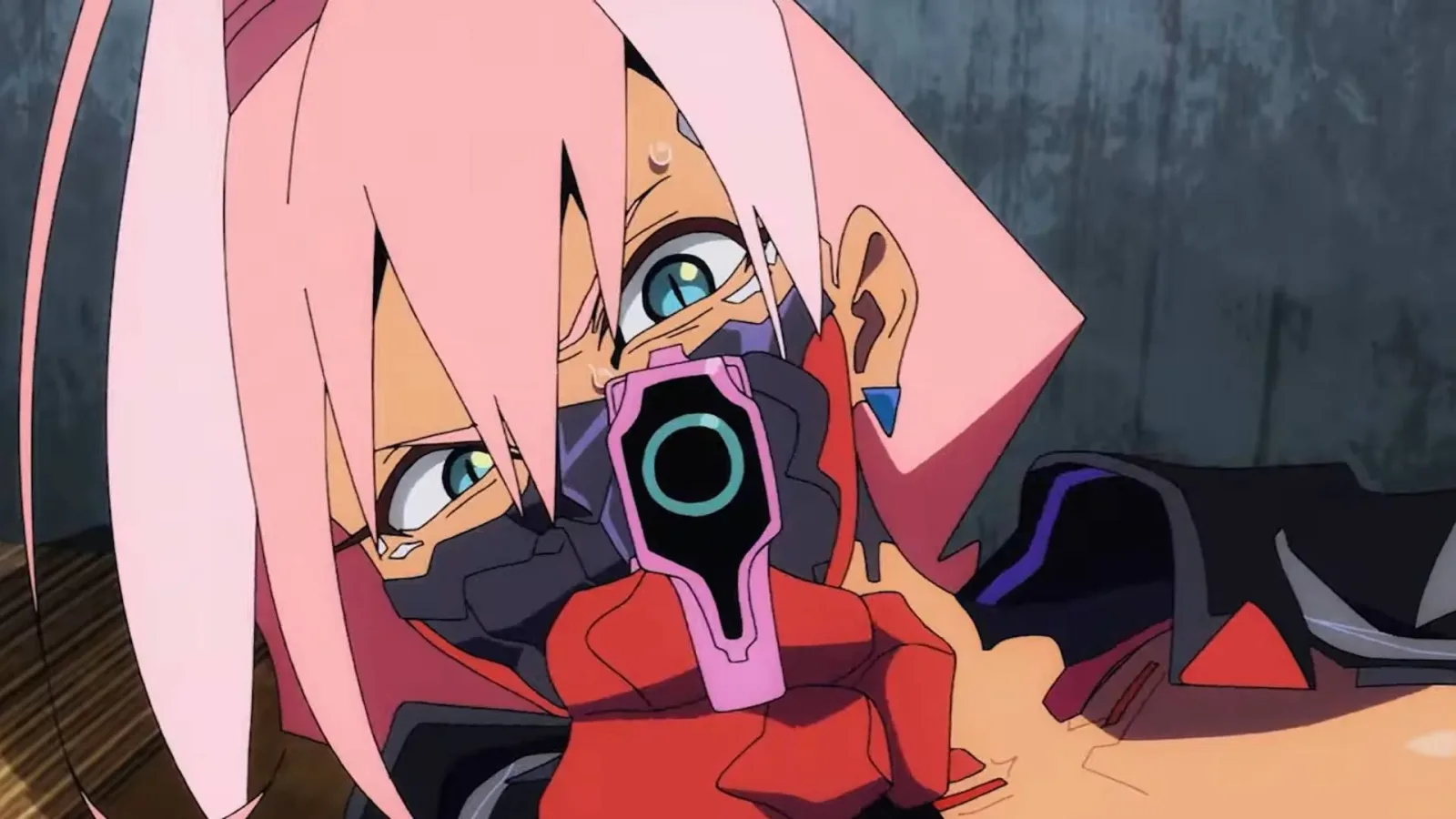
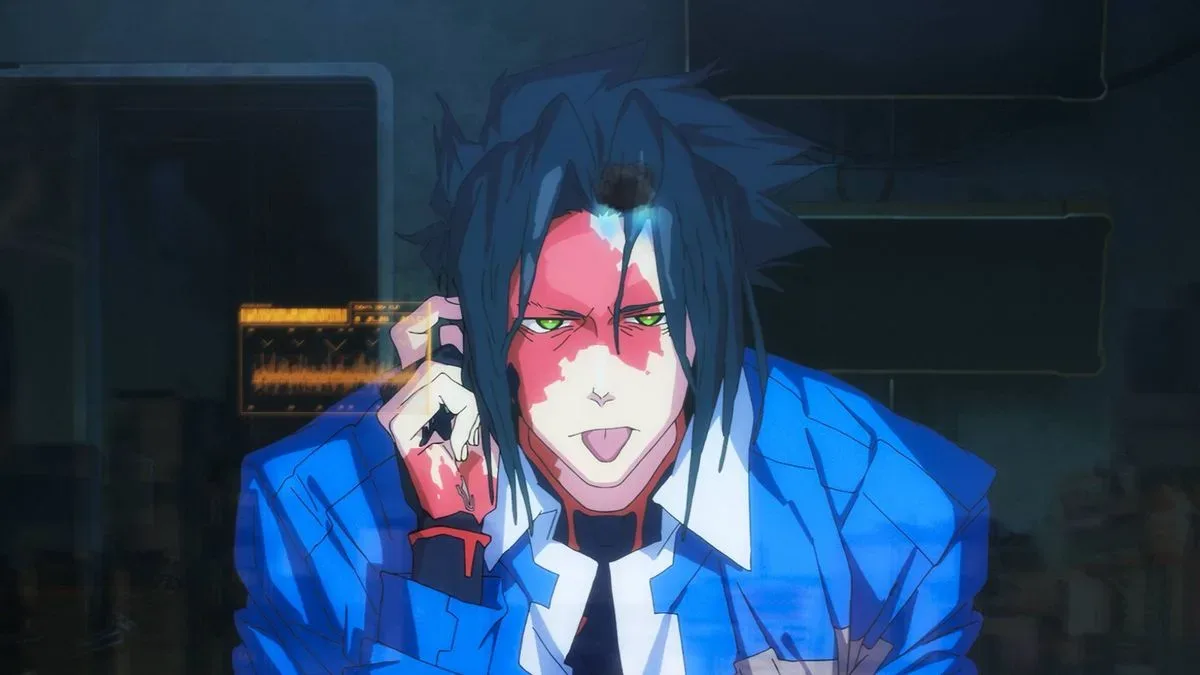
The recent momentum behind Cyberpunk: Edgerunners 2 and Zack Cregger's Resident Evil suggests a more flexible answer. Rather than treating a game's established protagonist and plot as an adaptation checklist, these projects put the setting first. Night City and Raccoon City provide the recognizable architecture, mood, dangers, visual language, and themes. New characters then get the room to make their own choices inside those worlds.
It is a model that protects what fans value while giving filmmakers and animation teams a chance to tell stories that genuinely belong to their own medium. More importantly, it acknowledges a truth that game adaptations have sometimes missed: the most durable part of a great game is not always its exact storyline. Sometimes, it is the place players cannot stop thinking about after the credits roll.
Night City is larger than any one mercenary
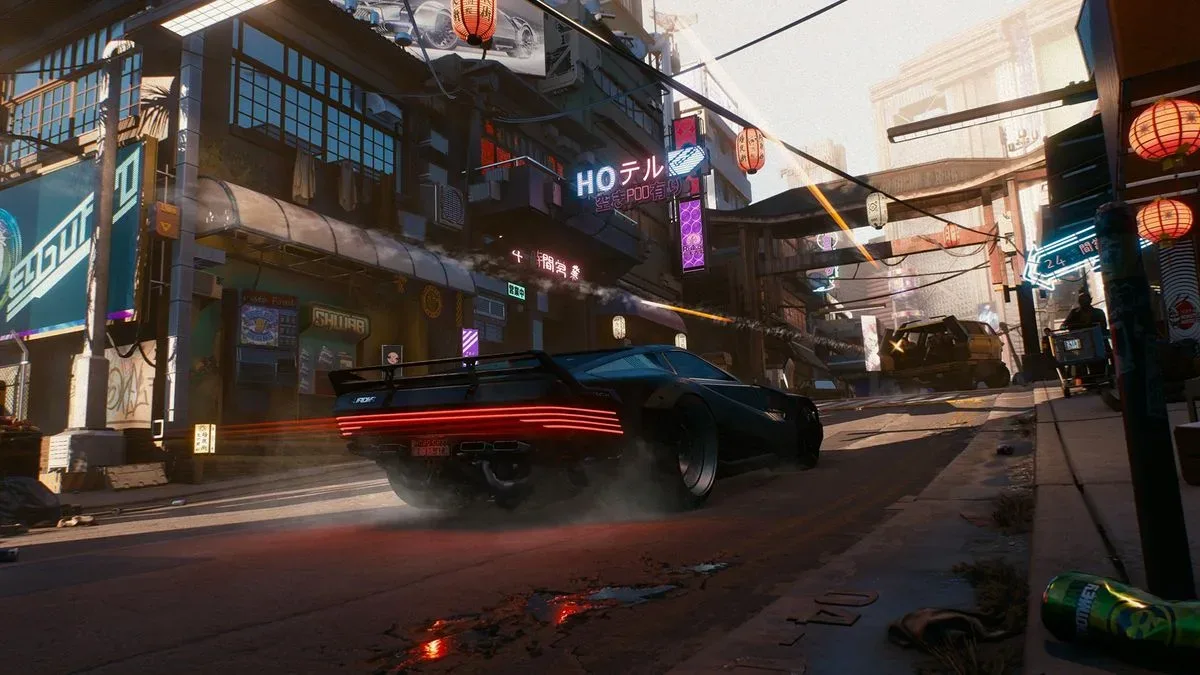
Cyberpunk 2077 built Night City as a dense, oppressive, seductive metropolis where corporate power, body modification, organized crime, celebrity, poverty, and technological obsession collide. The city is so central to the game's identity that its districts, advertisements, gangs, fixers, and neon skyline can tell an audience where they are before a major character says a word.
For useful background on this topic, read Palworld Team Wants New Pals to Matter, Not Simply Inflate the Roster.
That makes it an unusually strong foundation for an adaptation. The first Edgerunners anime proved that a story can feel inseparable from Cyberpunk 2077 without retelling V's journey. Its characters had their own goals and tragedies, but the pressures shaping them were distinctly Night City pressures. They lived in a place where people are encouraged to remake themselves until there may be little left to remake, and where climbing the social ladder can be as dangerous as falling off it.
Early reviews for Cyberpunk: Edgerunners 2 have been largely positive, with the new season being described as another compelling Night City story. That wording matters. It frames the anime less as a replacement for the game and more as another perspective on a city designed to contain countless lives, crimes, ambitions, and disasters.
The continuity details can still reward committed players. Edgerunners uses familiar interfaces and imagery, including the recognizable heads-up display seen when characters make holophone calls in Cyberpunk 2077. Those touches make the setting feel authentic, rather than merely cyberpunk in a broad genre sense. At the same time, newcomers do not need a glossary of game lore to understand the basic stakes of a person trying to survive in a cruel future city.
That balance is particularly valuable. Fan service works best when it enriches a story rather than interrupting it. A location, sound, interface, or piece of terminology can give longtime players a meaningful spark of recognition, but a new drama still needs characters and conflicts that stand on their own.
Resident Evil thrives on atmosphere as much as continuity
Resident Evil presents a different, but equally useful, case. Raccoon City is not just a map location or a backdrop for zombies. It is a disaster zone built from conspiracy, corporate negligence, infection, paranoia, and the collapse of everyday life. The series has always depended on its spaces: police stations with impossible secrets, laboratories hidden behind ordinary institutions, abandoned corridors, locked doors, scarce ammunition, and the unnerving sense that every room may hold an answer or a threat.
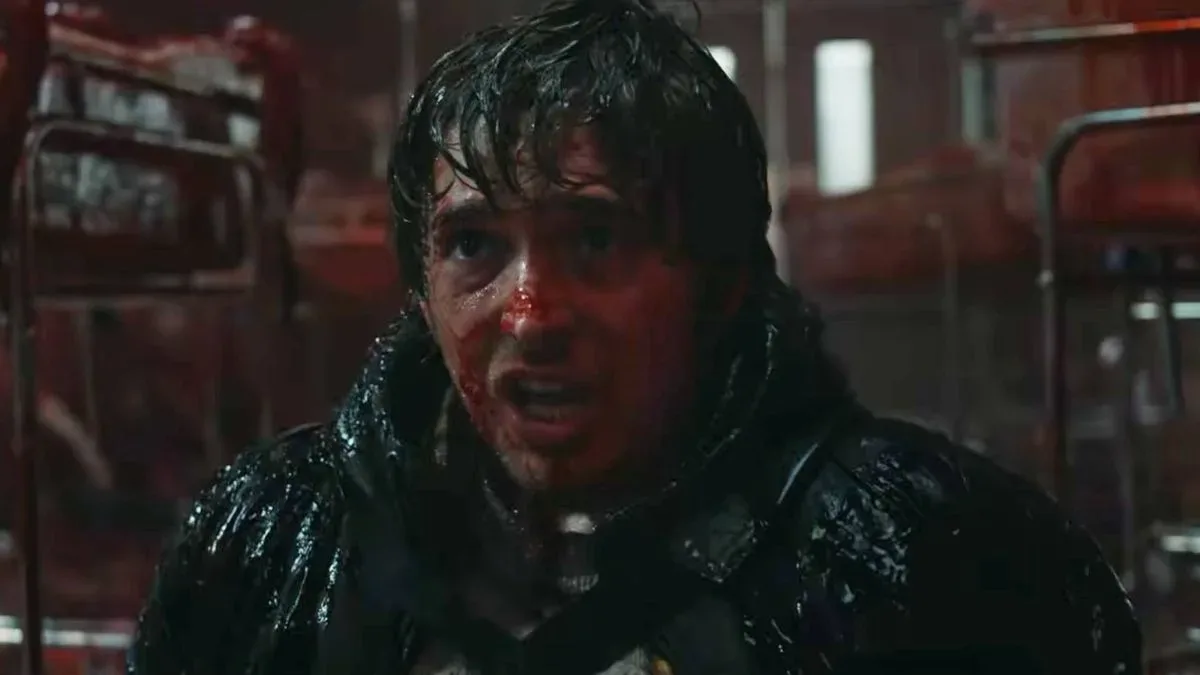
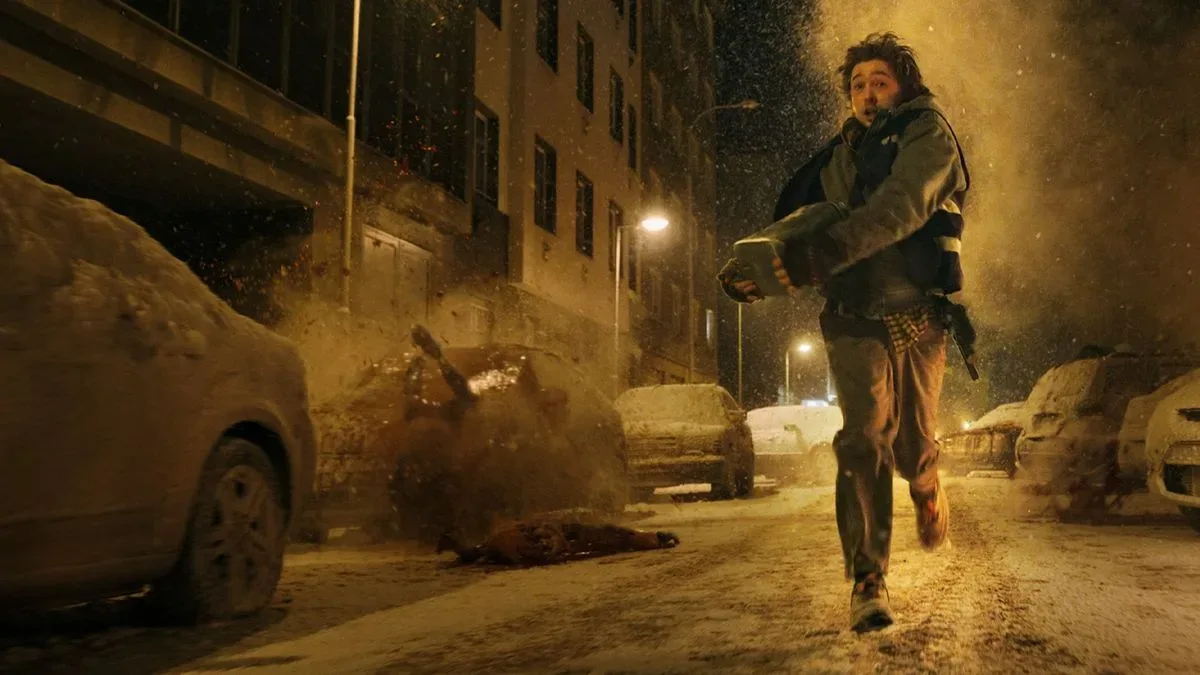
Cregger's Resident Evil draws from that survival-horror identity instead of simply trying to reproduce a single game's plot beat for beat. The result has been received as a major step forward for the film side of the franchise. It recognizes that what makes Resident Evil effective is not solely the opportunity to see a particular recognizable hero on screen. It is the experience of being trapped in a hostile environment where information is limited and safety is temporary.
The film has also taken on an especially interesting afterlife. A fan has turned Cregger's movie into a classic PlayStation-era survival-horror game, using the fixed-camera approach associated with early Resident Evil. That transformation creates a satisfying loop: a game world inspired a film, and the film's version of that world has in turn inspired a game-like reinterpretation.
There is a layer of irony in that process, but it is productive irony. The movie is already connected to the sensation of playing survival horror, and the fan project pushes that connection into an actual playable form. It demonstrates that a good adaptation can add material to a franchise's creative ecosystem rather than simply borrowing recognition from it.
The trouble with recreating player-owned characters
Direct character adaptation is not impossible, but it is uniquely risky. Games often make players feel as if they know a protagonist through action, exploration, decision-making, and repeated failure as much as dialogue. Even in highly authored games, the player's involvement changes the relationship. A character is not only someone seen on a screen; they are someone the player guided through danger.
When that character is recast, given a different voice, reshaped for a new runtime, or placed on a revised narrative path, audiences naturally compare every change with the version they already carry in their memory. Those comparisons can overwhelm the adaptation itself. The production may be judged less on whether its new story works and more on whether it has reproduced an imagined ideal version of a familiar scene.
Recent history offers plenty of warnings. Return to Silent Hill, released in 2026, closely revisited the story of Silent Hill 2, but its 18% Rotten Tomatoes score indicates that the translation did not land with many critics. Earlier live-action Resident Evil spin-offs from Paul W. S. Anderson developed a cult following, often because of their outsized and knowingly silly qualities, while later attempts to revisit Raccoon City have prompted ongoing debate about what a faithful adaptation should look like.
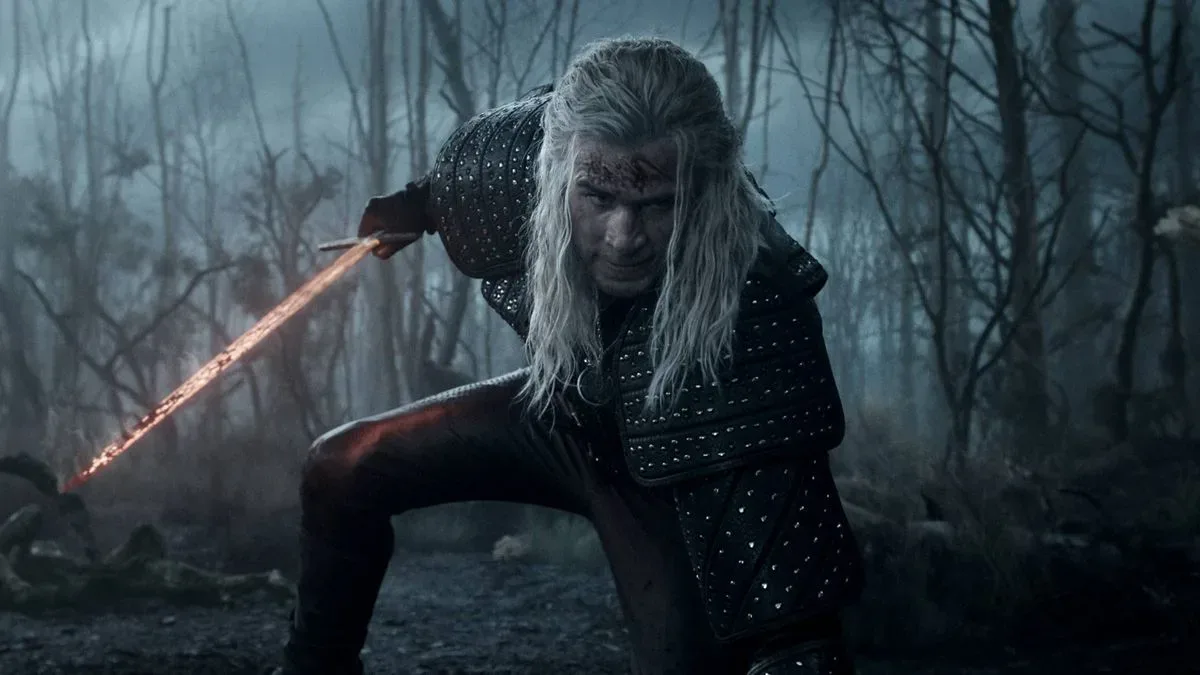
The Witcher television series also illustrates how much a central casting choice can define audience expectations. The show achieved moderate success, helped in part by Henry Cavill's well-known affection for both the games and the books, but reactions have remained divided following his departure as Geralt of Rivia. When an adaptation relies heavily on one iconic figure, any change around that figure can become the dominant conversation.
By contrast, a world-led adaptation avoids asking a new actor or a new script to compete directly with every player's personal version of a famous hero. It lets the audience enter a familiar universe without demanding that they abandon the interpretation they already have.
Canon can expand without being overwritten
New stories set within established game worlds also offer a practical continuity advantage. The setting supplies rules and boundaries. Night City has its technology, class divisions, slang, institutions, and dangers. Raccoon City has its outbreak mythology, corporate machinery, bio-organic terror, and survival-horror logic. Writers have a firm framework, but they are not forced to alter the events players already know in order to manufacture surprises.
This approach can lead to a healthier relationship between games and their adaptations. CD Projekt Red incorporated the original Edgerunners into Cyberpunk 2077 through added items, music, and mission content that reference the anime's characters and events. Instead of treating the show as a disconnected side product, the game acknowledged it as part of the larger Night City conversation.
That kind of cross-pollination benefits both sides. The adaptation gains weight because it matters beyond its own episodes, while the game gains new emotional associations and discoveries for players returning to its world. Neither medium has to erase the other's identity.
A blueprint, not a rigid rule
This does not mean every game adaptation should discard its heroes or avoid adapting a famous plot. Some stories are so dependent on a particular character or relationship that a direct interpretation may still be the right choice. The lesson from Edgerunners 2 and Resident Evil is not that recognizable characters are a problem. It is that they should not be the only route into a fictional universe.
Upcoming projects based on properties such as The Legend of Zelda and God of War will face their own creative decisions. Their makers may choose direct versions of Link, Zelda, Kratos, Atreus, and the stories around them. But the success of Night City and Raccoon City should encourage an important question: what parts of these worlds remain unexplored, and what kinds of characters could reveal them from a fresh angle?
The strongest game adaptations do not merely reenact a sequence players already completed. They understand the feelings that made those games endure, then find a format-appropriate way to create those feelings again. For Cyberpunk, that can mean another desperate life under Night City's glow. For Resident Evil, it can mean another nightmare unfolding through locked doors, dwindling resources, and institutional rot.
Game worlds are not empty containers. When they are built well, they are engines for story. They hold history, rules, contradictions, dangers, and room for people who have never appeared in a game menu. Letting those worlds lead may be the most reliable way for adaptations to feel familiar without becoming trapped by nostalgia.

Community
Discussion
Start the conversation.
No comments have been posted yet.