

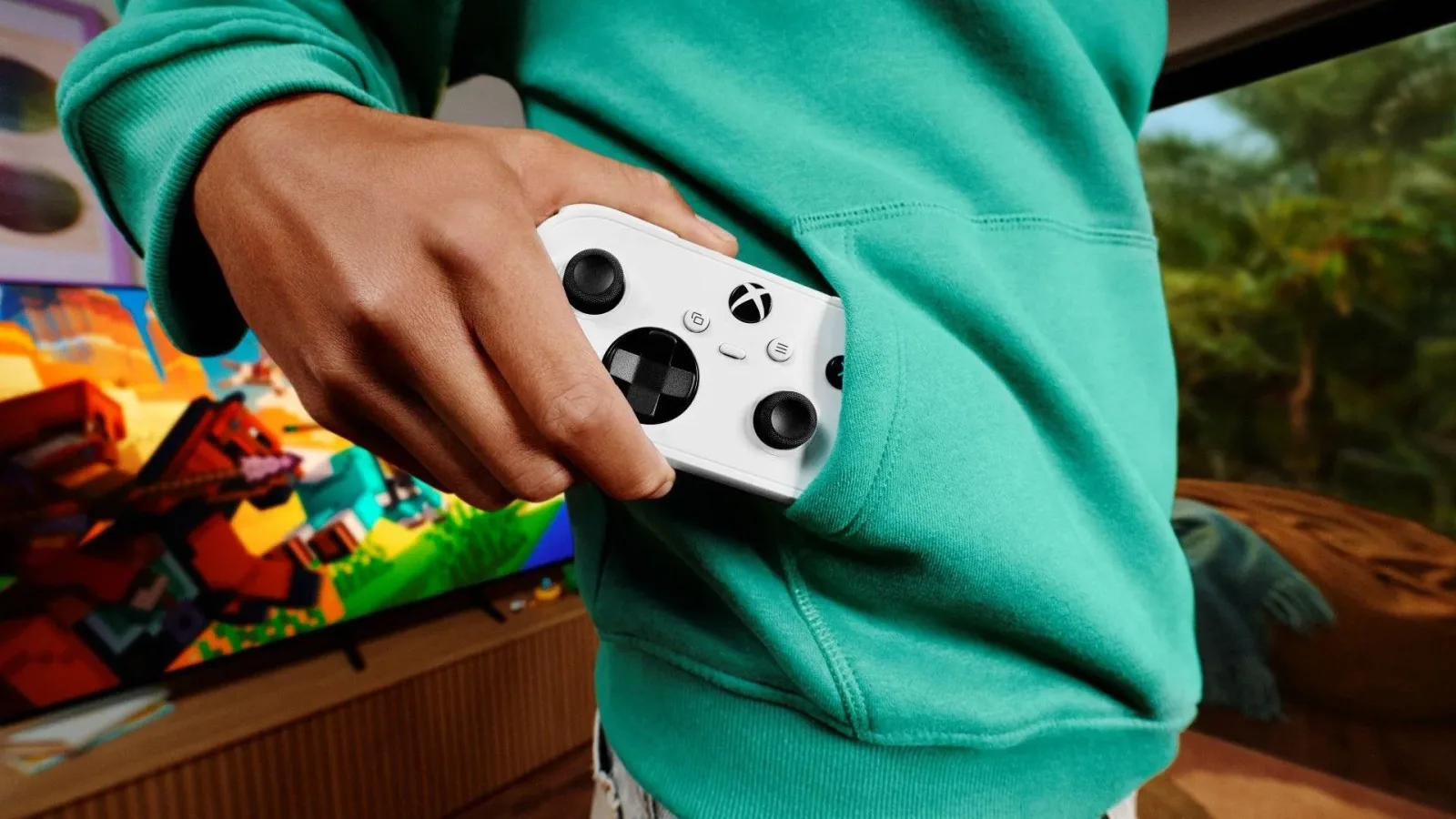
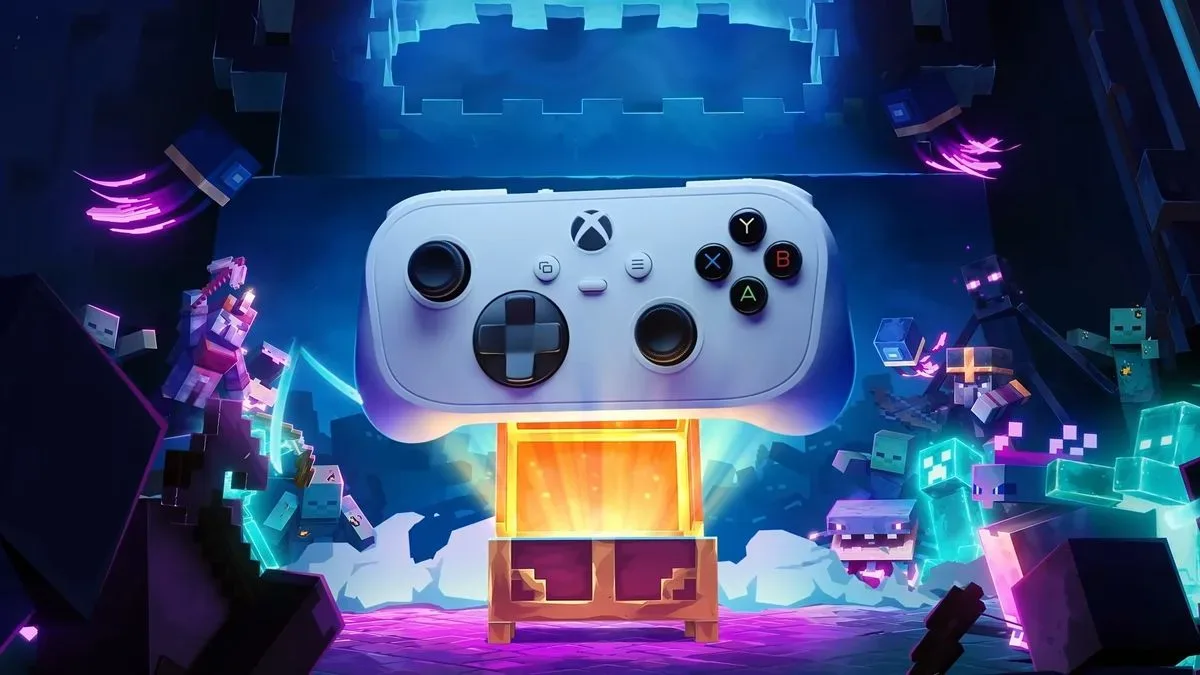
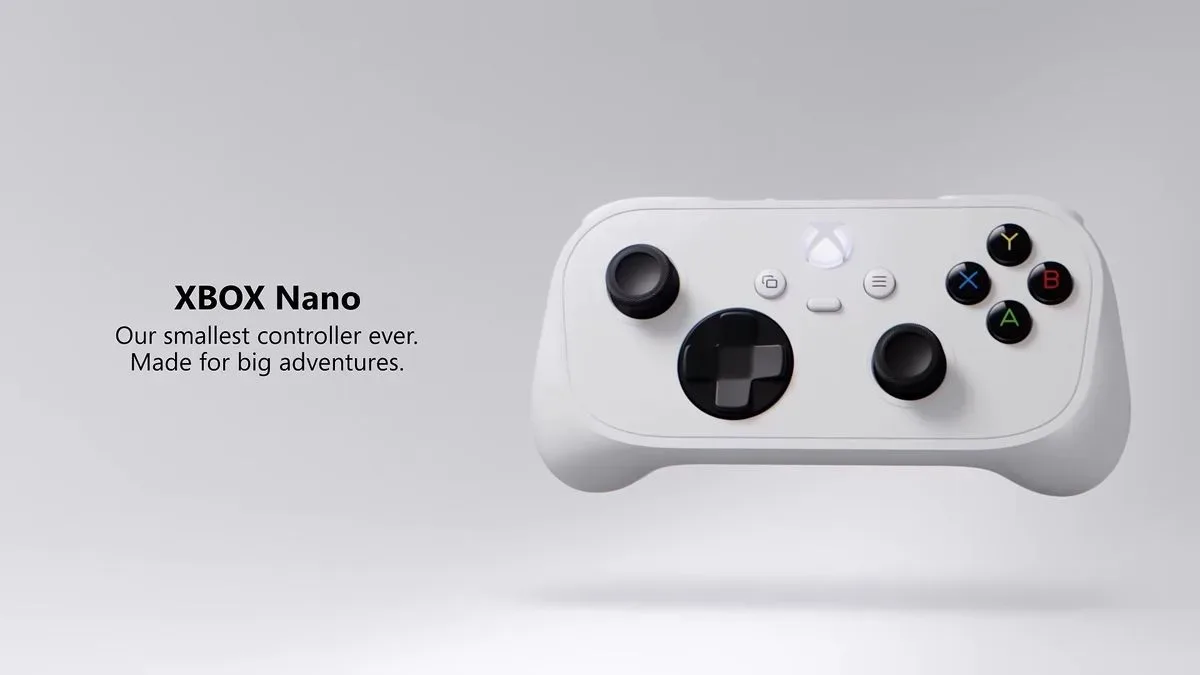
Microsoft's Xbox Nano Controller is immediately easy to understand on a visual level: it is tiny, charming, less imposing than a standard Xbox pad, and priced at $49.99 / £44.99. In an era when premium controllers can climb far beyond that figure, a smaller and less expensive option has an obvious appeal. It also has the kind of playful design that can trigger a dangerous response among longtime players: the urge to buy a piece of hardware simply because it looks delightful.
That does not necessarily mean the Xbox Nano controller is the right gamepad for every buyer. In fact, its tiny scale suggests it may be a much better fit for a specific audience than for the typical adult Xbox player. The same portability and compactness that make it appealing could make it uncomfortable during extended sessions, especially for people with large hands or anyone used to the full-size Xbox Series controller.
The important distinction is not whether a miniature controller is inherently good or bad. It is whether buyers recognize what trade-offs they are making. Small controllers can be useful, accessible, and practical. They can also lead to cramped grips, awkward thumb positions, and a device that winds up displayed on a shelf or left in a drawer after the novelty wears off.
A controller designed around a different set of priorities
Traditional console controllers are large for a reason. Their grips create room for the hands, distribute weight, and keep sticks, face buttons, triggers, and shoulder buttons within reach without forcing fingers into unnatural positions. A well-designed controller eventually becomes almost invisible in use: the player concentrates on the game rather than constantly adjusting their grip.
For useful background on this topic, read SteelSeries Aeon Pro review: A Premium Xbox Controller That Struggles to Justify Its Price.
Miniature hardware reverses some of those priorities. The Xbox Nano controller appears to put portability, approachability, cost, and visual appeal first. Those are legitimate goals, particularly for a household that does not want to buy several full-price controllers just to accommodate occasional multiplayer sessions. A lighter, cheaper pad that is easier for a child to hold may make far more sense than handing them a heavyweight enthusiast controller packed with extra inputs and advanced features.
There is also value in making an Xbox controller feel less intimidating. For somebody trying games for the first time, a full-size pad can look complicated. Sticks, bumpers, triggers, directional controls, face buttons, menu buttons, and additional functions create a lot to process before a game has even begun. A more compact design with fewer apparent complications may provide a friendlier starting point.
That makes the Nano's existence easy to defend. The problem comes when its cute appearance is mistaken for a universal upgrade or a practical travel replacement for the controller an adult already owns.
Small controller comfort is highly personal
There is no single hand size or preferred grip that defines every player, but the general ergonomics of extremely compact pads can be challenging. Adults with larger hands often have to curl their fingers more tightly around the device. Their palms may have little support, while thumbs have to work within a condensed control layout. Short sessions may be perfectly manageable, but longer play can become tiring.
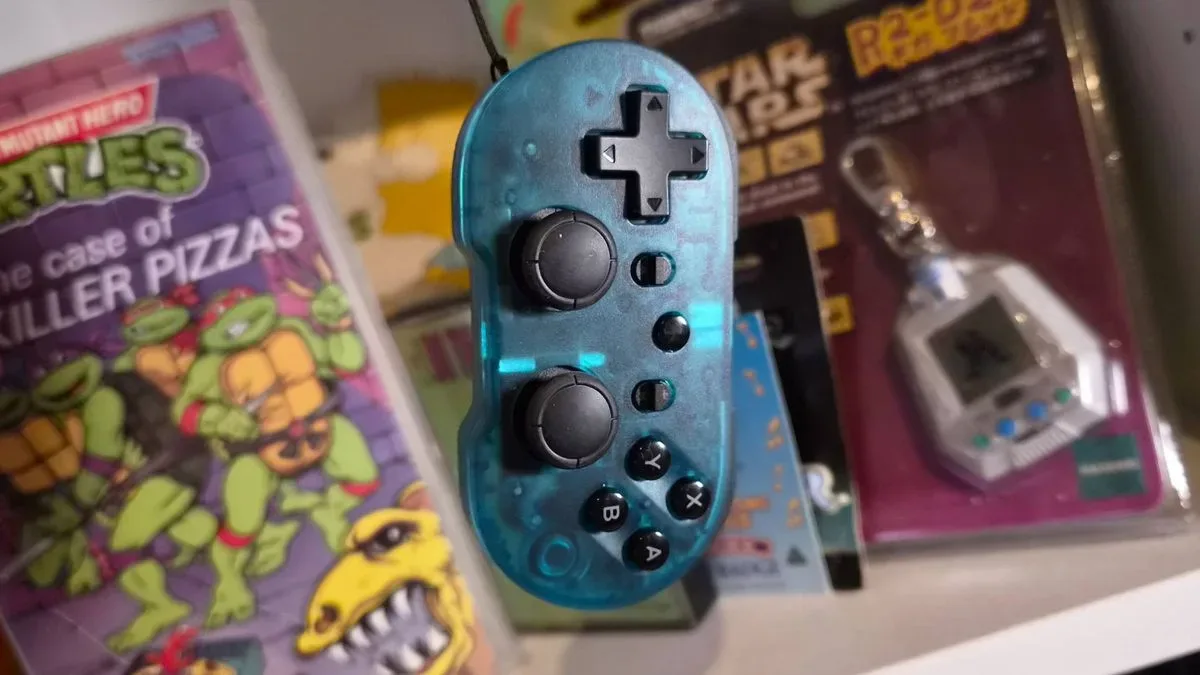
This concern is not unique to the Xbox Nano controller. It has followed the wider trend of ultra-portable gamepads and compact handheld controls for years. Devices such as the CRKD Atom and Atom+, the VoidJoy GC-P01, and small mobile-focused controllers demonstrate why the category remains attractive: they are easy to carry and can be genuinely impressive feats of miniaturization. Yet small size regularly brings a familiar ergonomic compromise.
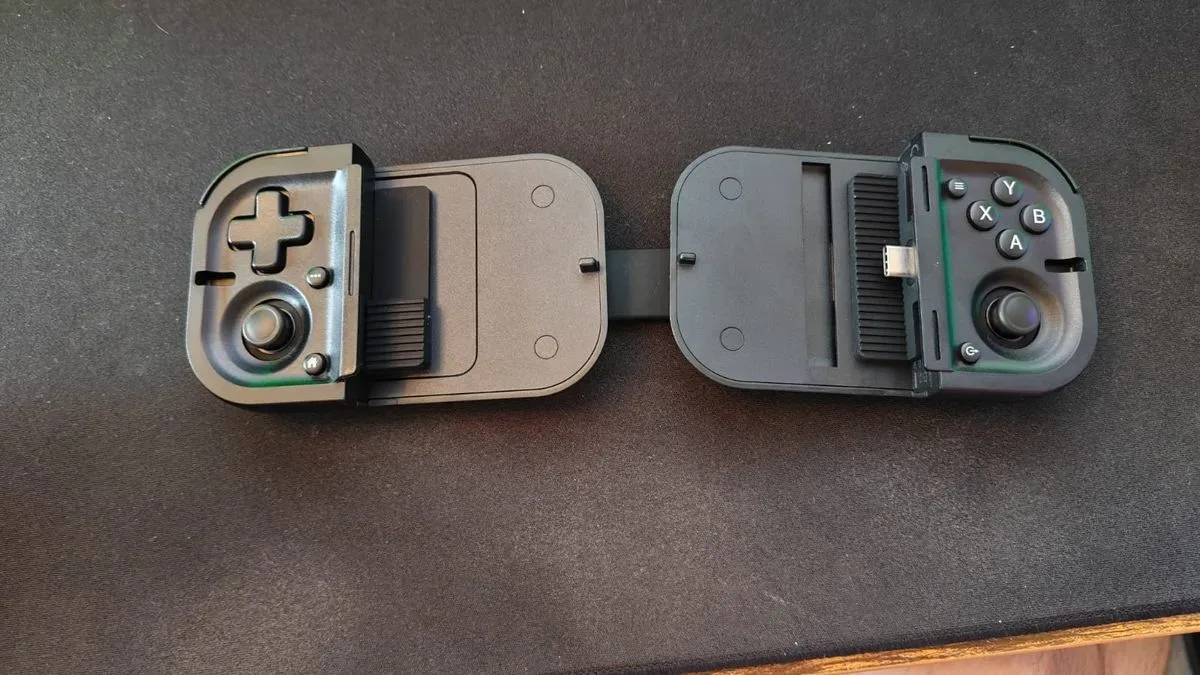
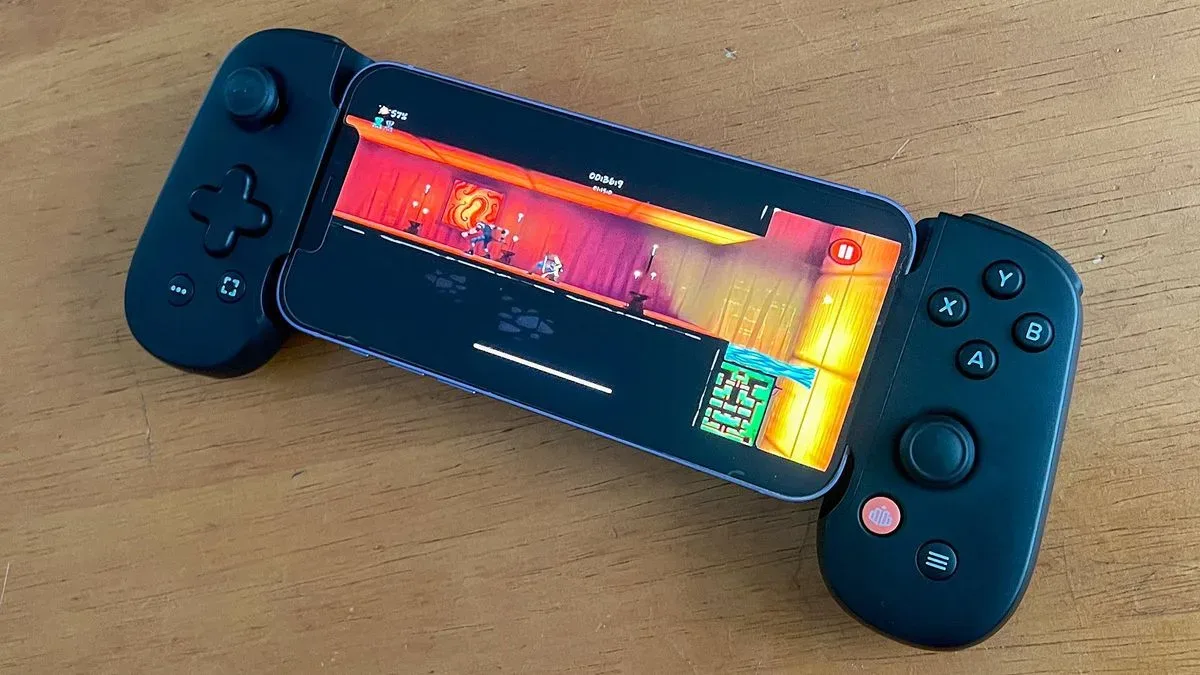
Even controllers that do more than simply shrink a conventional shape can run into that issue. Razer's foldable Prio mobile controller is an inventive design, but clever engineering alone cannot ensure that every hand finds it comfortable. The original Backbone One likewise illustrated the central tension of portable controls. Convenience can be excellent, but a compact device must still give the player enough room to hold it naturally.
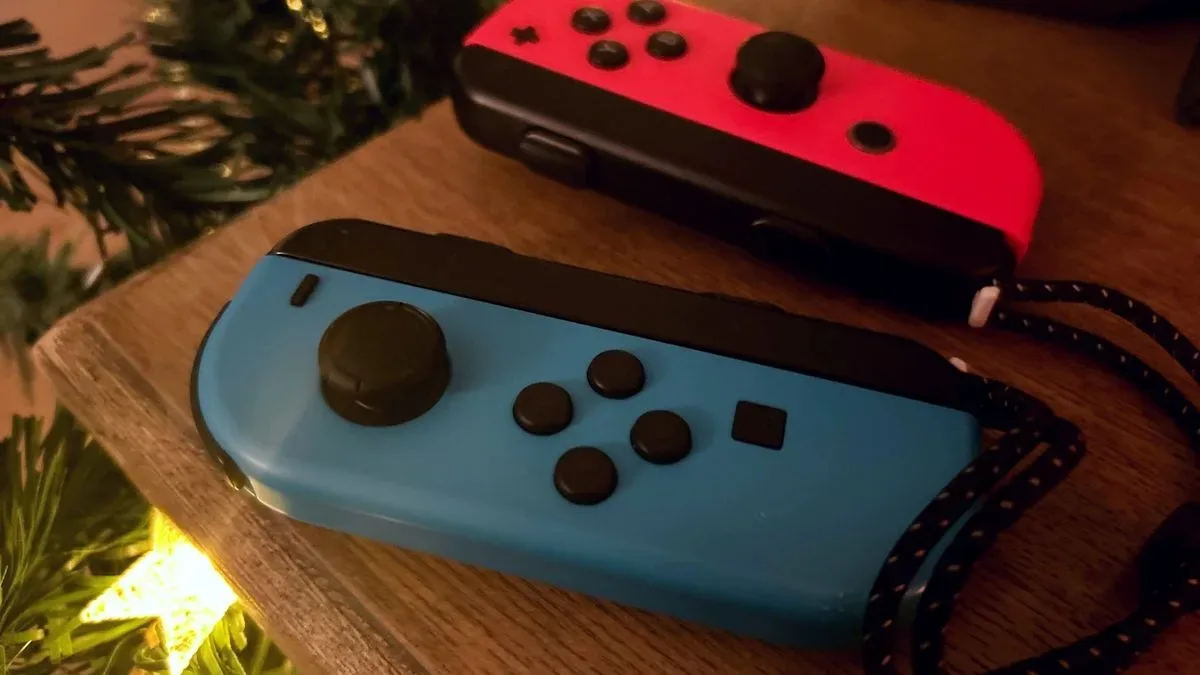
The same debate extends to handheld systems. Joy-Con controls have long divided players, with some valuing their versatility and others finding their shape uncomfortable. Larger portable hardware can create similar issues despite offering more physical space. A player who already experiences hand fatigue with a Nintendo Switch or a sizeable handheld PC may want to think twice before expecting an even smaller standalone controller to become their preferred way to play.
Who the Xbox Nano controller may suit best
The Nano controller could be particularly well suited to younger players. A seven-year-old does not necessarily need, want, or physically benefit from the bulk of a pro-style controller. Asking a young child to manage something as substantial as the Nacon Revolution X Unlimited can be impractical, and potentially expensive if it is dropped or damaged. A smaller controller is easier to grasp, less daunting, and less costly to add to a family setup.
That is where multiple controller sizes begin to make sense. Gaming hardware does not need to follow a one-size-fits-all philosophy. A household may reasonably keep a full-size pad for adults, a more advanced controller for a competitive player, and a smaller device for children or guests. The presence of a compact option does not reduce the value of conventional controllers; it simply adds another choice.
New players may be another audience worth considering. Learning to use twin sticks while managing shoulder buttons and face inputs can be difficult for anyone without years of controller familiarity. Some newcomers may prefer a less bulky pad while building confidence. This will not be true for everyone, and smaller controls can introduce their own precision issues, but accessibility is broader than adding more buttons and features. For some people, reducing physical scale and perceived complexity is meaningful.
Families looking for inexpensive extra controllers could also see a practical benefit. The $49.99 / £44.99 price puts the Nano below many premium pads and makes it easier to imagine purchasing one as a secondary option rather than a primary controller. For party games, short local multiplayer rounds, and younger guests, that may be all it needs to be.
Cute hardware can create expensive expectations
The main caution for adult buyers is emotional rather than technical. Nostalgia and novelty are powerful. A tiny controller can recall old handhelds, toy-like electronics, and the feeling of discovering gaming hardware when it seemed more whimsical. That reaction is real, and there is nothing wrong with liking the look of the Xbox Nano controller.
But visual charm is not the same as ergonomic value. Buyers should ask whether they are purchasing a collectible-feeling accessory, a controller for a child, or a pad they genuinely expect to use for hours in action games, racers, shooters, and RPGs. Those are very different use cases. Someone who wants a compact object for short sessions may be satisfied. Someone seeking a replacement for a standard Xbox controller may find that the reduced size becomes the entire story.
This is particularly relevant because controller discomfort is easy to underestimate before purchase. A pad can look manageable in photographs and feel substantially smaller in the hands. The issue may not surface in the first ten minutes, either. Hand fatigue, tense fingers, and repeated grip adjustments tend to appear after sustained play, when there is no longer a novelty factor to distract from the physical limitations.
Xbox benefits from a little more personality
There is a broader positive note in Microsoft offering something as playful as the Nano controller. Xbox has endured a difficult period, including workforce layoffs, and the business has faced ongoing scrutiny over its direction. A small, more whimsical peripheral cannot solve those larger questions, but it can help maintain a sense of identity and give fans another way to engage with the brand.
Under CEO Asha Sharma, these sorts of lower-stakes products may help add warmth to an ecosystem often discussed in terms of acquisitions, subscriptions, strategy changes, and hardware uncertainty. A fun controller is not a substitute for strong games or healthy working conditions, but it does show that there is room for hardware designed to be approachable rather than merely premium.
The Xbox Nano controller should therefore be judged on its intended role. It does not need to outperform a standard controller for every adult player. It needs to be comfortable enough for smaller hands, affordable enough to work as an extra household pad, and appealing enough to make gaming feel welcoming.
Wait for hands-on impressions if comfort is the priority
For adults with average-to-large hands, caution is sensible. The smallest controllers rarely become the best long-term option for players who value comfort above all else. The Nano may prove more capable than its dimensions suggest, but its core design still puts it in a category where ergonomic compromises should be expected.
For children, beginners, collectors, or families that need another controller without spending premium-controller money, the outlook is much more promising. The same miniature proportions that could be frustrating for one player may be exactly what another player needs.
Ultimately, the Xbox Nano controller is a useful reminder that gaming hardware can serve different people in different ways. It may not be the small controller that convinces an adult with large hands to abandon a standard Xbox pad. It could, however, be a welcome option for the younger gamer sitting beside them.
Community
Discussion
Start the conversation.
No comments have been posted yet.