


Zombie Hamsters is preparing to send players into a sprawling, unpredictable research facility where escaping is only part of the problem. Rogue Biscuit has outlined its upcoming co-op action game as a solo or four-player adventure focused on exploration, stealth, puzzles, platforming and a particularly unusual infection system: players can turn the laboratory's inhabitants into part of a growing hamster apocalypse.
The game is planned for Steam on PC. While the announcement confirms that a release date has been set, the supplied details do not specify the date itself. What is clear is the kind of chaotic laboratory breakout Rogue Biscuit is aiming to create: one where players are given objectives and useful equipment, but are not forced down one rigid route to freedom.
That open-ended structure could be the defining idea behind Zombie Hamsters. Rather than presenting a single correct sequence of actions, the game is designed to let players assess the facility, experiment with its systems and improvise around danger. A ventilation shaft may offer a quiet route around guards; an infection may transform the balance of power in a room; and a puzzle solution that works with a full four-person group may look very different for someone playing alone.
A laboratory built for unpredictable escapes
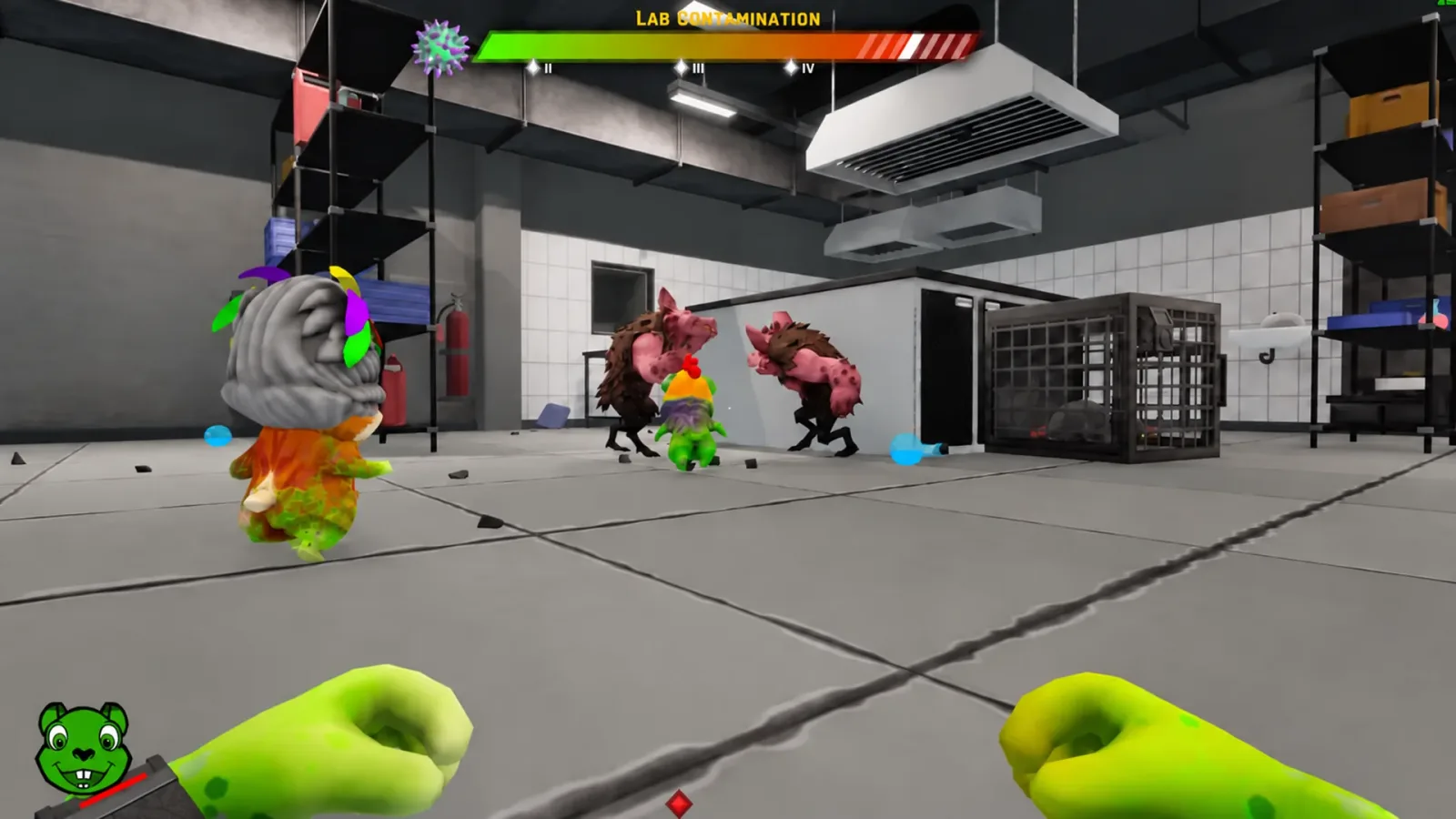
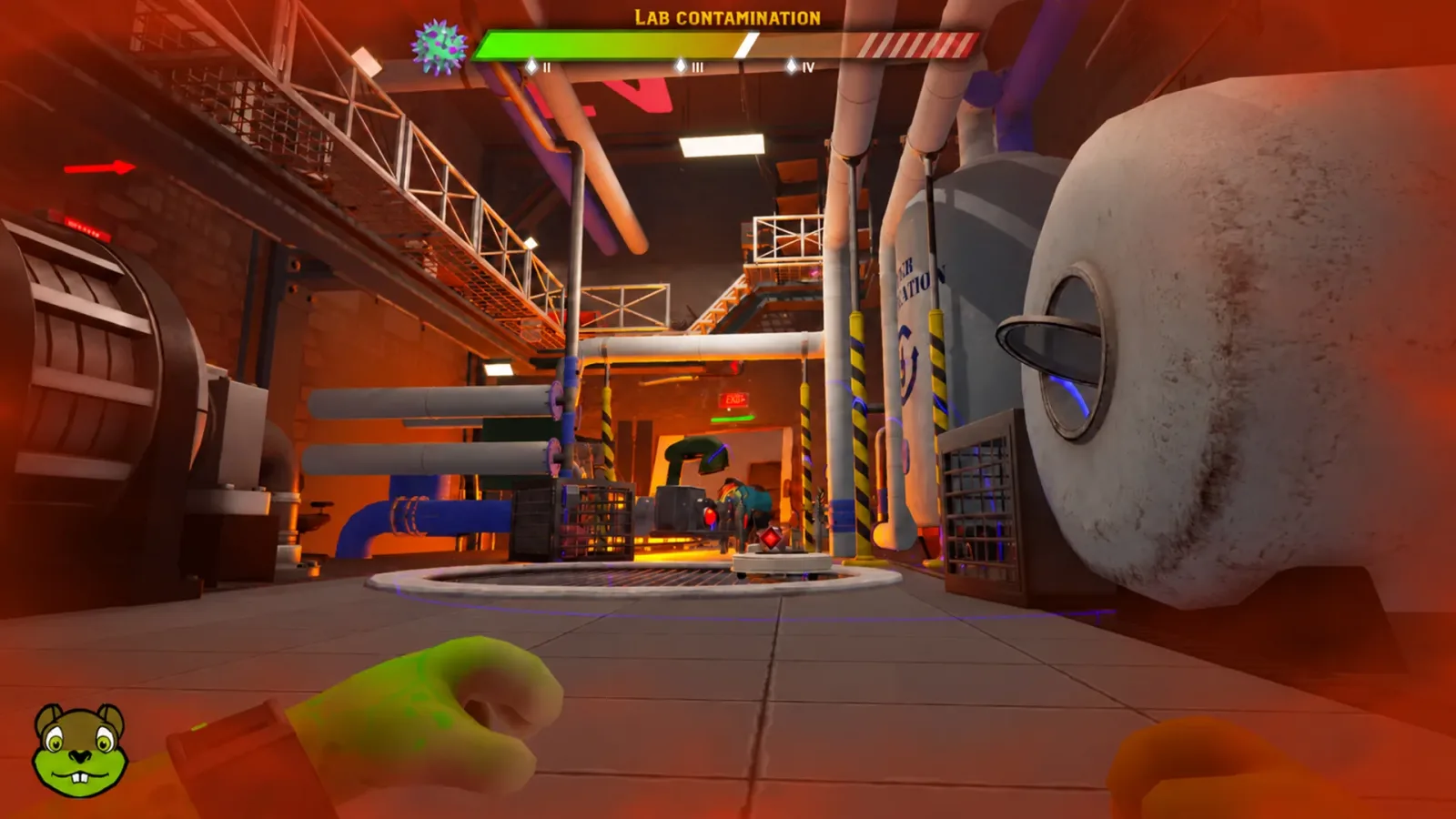
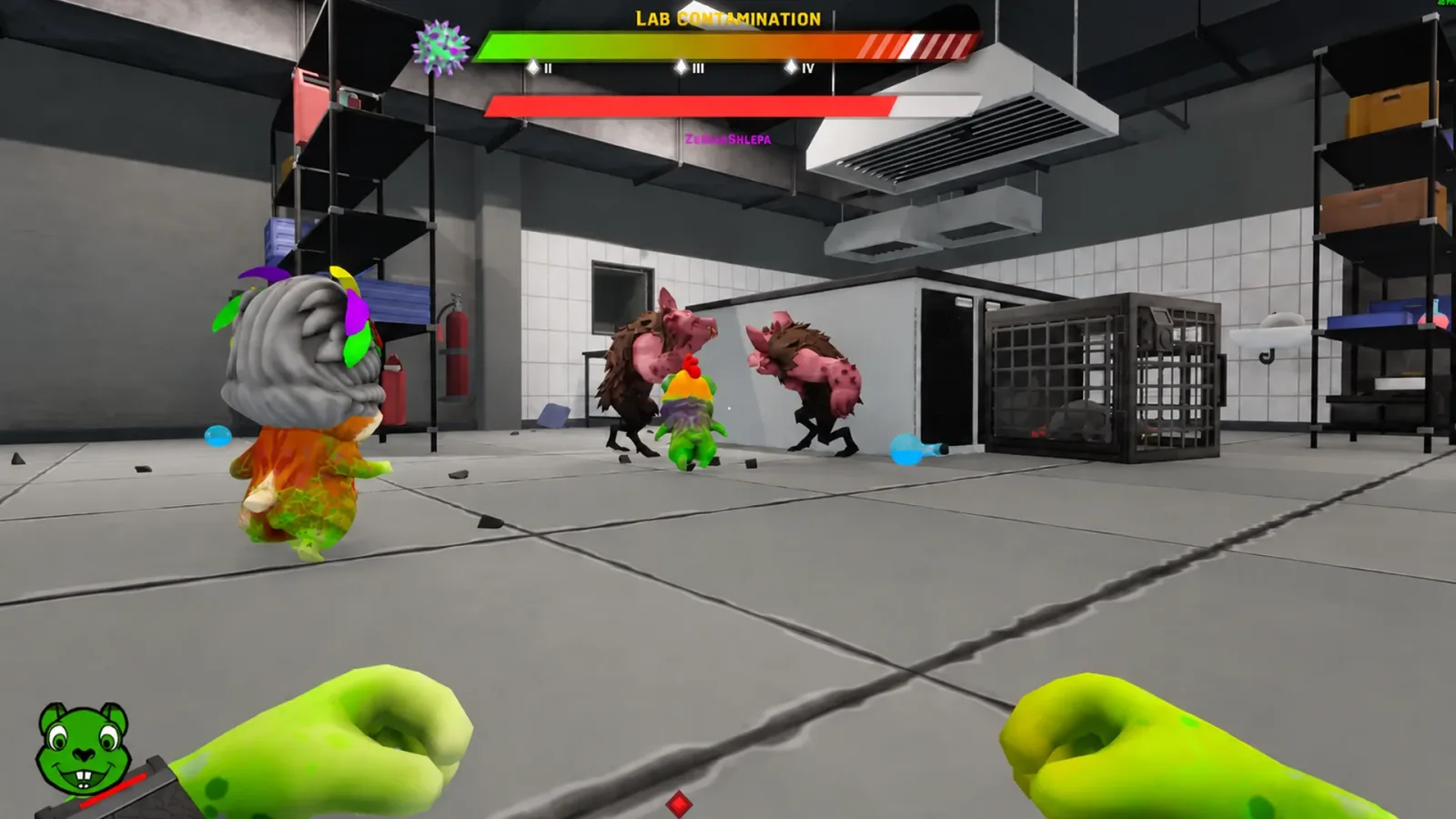
Zombie Hamsters takes place in a large research laboratory populated by several kinds of threats and potential targets. Scientists and security guards are among the facility's human inhabitants, while mutant experiments add an additional layer of danger. The lab itself is not merely a backdrop for combat. It is intended to be a space players must read, explore and exploit while working toward an escape.
For useful background on this topic, read Torchlight: Infinite Announces Assassin's Creed Collaboration for January 2027.
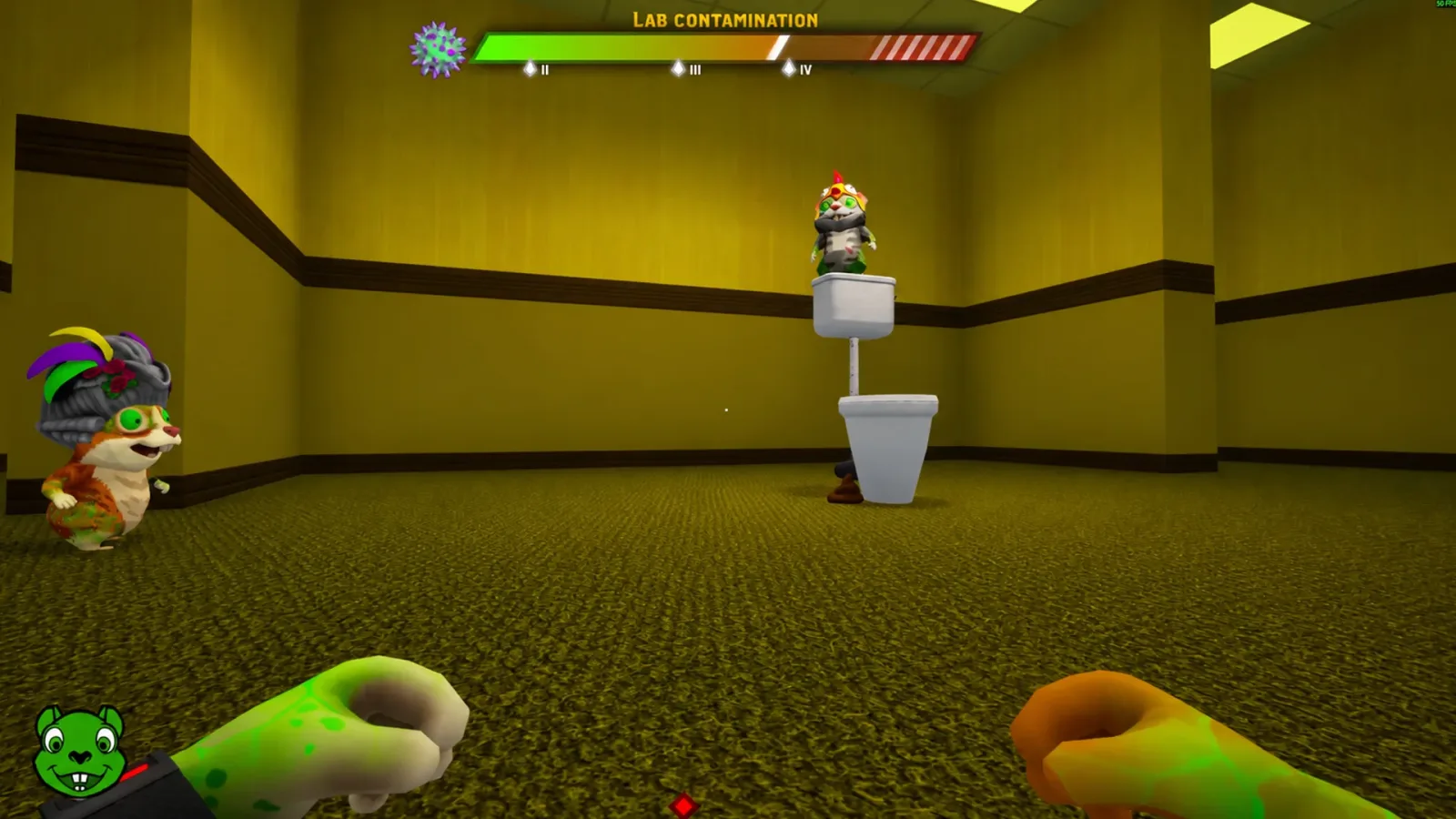
Its procedurally generated design means that players should not expect every attempt to unfold exactly the same way. Procedural layouts can make repeated runs more interesting by changing paths, room arrangements and the circumstances surrounding an objective. In a game that emphasizes alternative routes and player-driven plans, that variability has the potential to keep groups from relying exclusively on memorized solutions.
The facility is also described as dangerous in its own right. Deadly traps, hostile enemies and unexpected complications will stand between a group and the exit. Success will therefore depend on more than simply rushing through a map. Players will need to decide when to be patient, when to take risks and when the best solution is to create a distraction rather than confront an obstacle head-on.
That premise gives Zombie Hamsters a playful but flexible identity. The title immediately suggests absurd comedy, yet the listed systems point toward a game with room for tactical coordination. A team might sneak past patrols, search for equipment and carefully solve a platforming problem. Or it might infect an inhabitant, unleash disorder and use the resulting chaos as cover. Both approaches appear compatible with the game's broader design.
For another perspective on this story, read Zombie Hamsters Details Four-Player Lab Escapes, Infection and Open-Ended Chaos.
Co-op for up to four players, with solo support
Rogue Biscuit is positioning four-player co-op as a major feature. Up to four players can enter the laboratory together and tackle its hazards as a group, coordinating movement and using whatever tools they find to overcome challenges. The setup naturally supports different player roles even without a traditional class system: one person can scout a route, another can focus on an interactive objective, while others keep watch for enemies or help create an opening.
Co-op also changes the stakes of exploration. A route that is too dangerous for one player may be manageable if teammates can cover multiple angles. Likewise, puzzles and platforming challenges may create opportunities for groups to divide responsibilities, test possibilities and recover from mistakes. With multiple solutions promised, the game's replay value may come as much from changing group decisions as from its procedural laboratory generation.
Importantly, Zombie Hamsters is not exclusively multiplayer. It can also be played solo, allowing players to approach the facility at their own pace. That option matters for an escape-focused game whose systems include stealth and discovery. A lone player may be more inclined to take an indirect route through vents, avoid unnecessary trouble and spend more time studying the lab for alternate paths.
Solo play will likely carry a different flavor from full co-op. Without teammates to split up tasks or rescue a failed plan, each decision becomes more personal. The announcement does not detail separate balancing for solo sessions, so it remains to be seen how the experience will adjust between one-player and four-player runs. Still, supporting both formats gives the game a wider range of ways to engage with its central escape scenario.
Infection is more than a visual gag
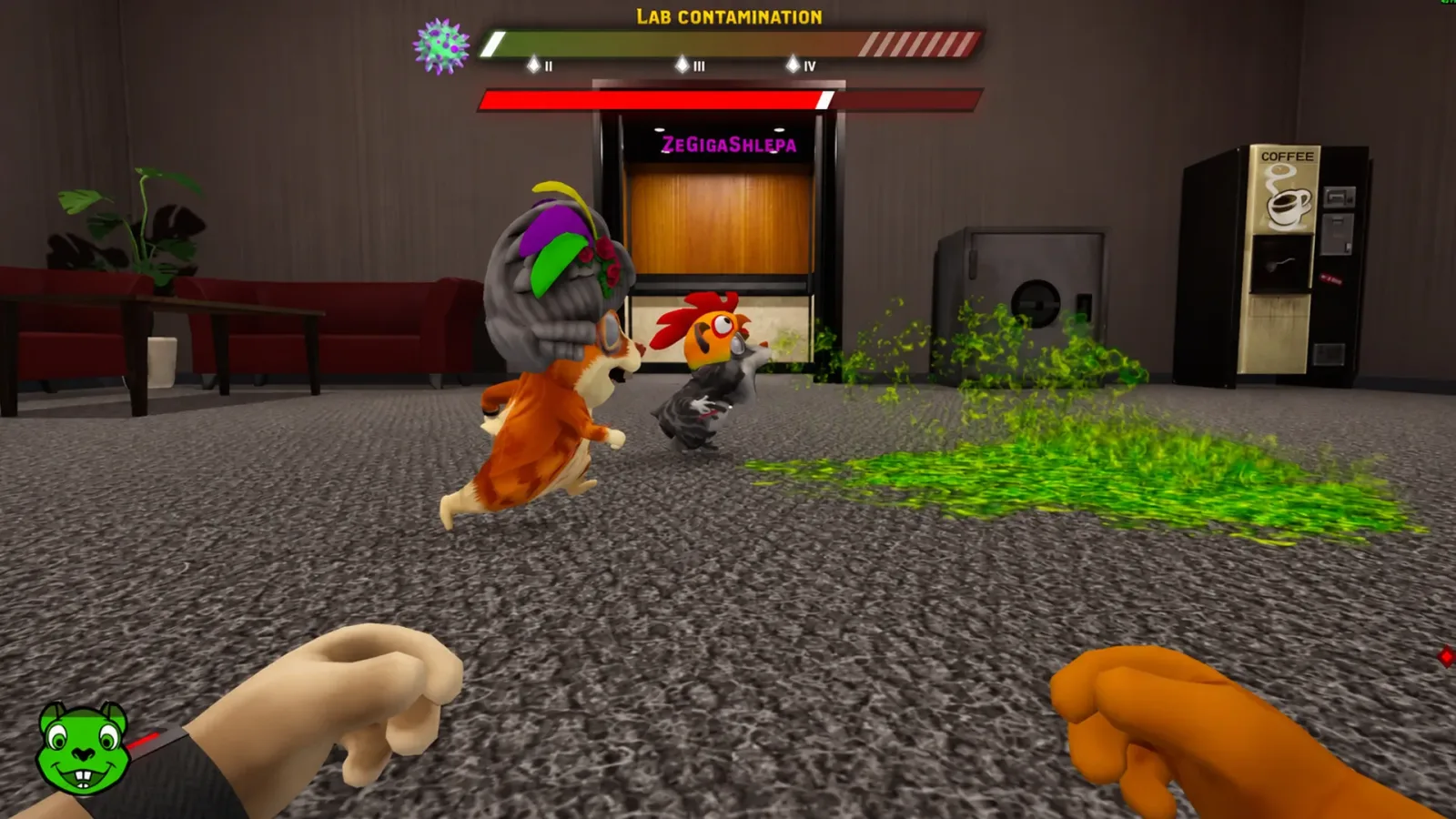
The most distinctive system described for Zombie Hamsters is its zombie infection mechanic. Players can infect scientists, security guards and other inhabitants within the laboratory, spreading the outbreak across the facility. This is not framed simply as an incidental effect. It is a core feature that can turn the lab's own population into a component of a player's plan.
That mechanic could create interesting choices around timing and consequences. Infecting someone may generate an immediate advantage by disrupting nearby enemies or changing a dangerous situation. It may also make an area harder to predict if the infection spreads beyond the player's intended target. The announcement specifically highlights consequences in connection with the game's multiple puzzle and platforming solutions, and the infection system seems well suited to that broader philosophy of actions producing new problems as well as opportunities.
There is also a strong thematic fit between the mechanic and the game's setting. Research laboratories are a familiar setting for outbreaks, experimental accidents and runaway mutations. Zombie Hamsters appears to use that backdrop in a deliberately mischievous way, turning the notion of a contained scientific disaster into a player-enabled source of mayhem. Instead of merely surviving an apocalypse, players may be responsible for making one substantially worse.
Exactly how far the infection can spread, how it interacts with enemy behavior and whether it is always beneficial have not been detailed. Those unanswered questions are likely to be important, because they will determine whether infection is primarily an offensive tool, a diversion, an environmental complication or all three at once. For now, it stands out as the feature most likely to separate Zombie Hamsters from a more conventional co-op escape game.
Stealth, vents and alternative routes
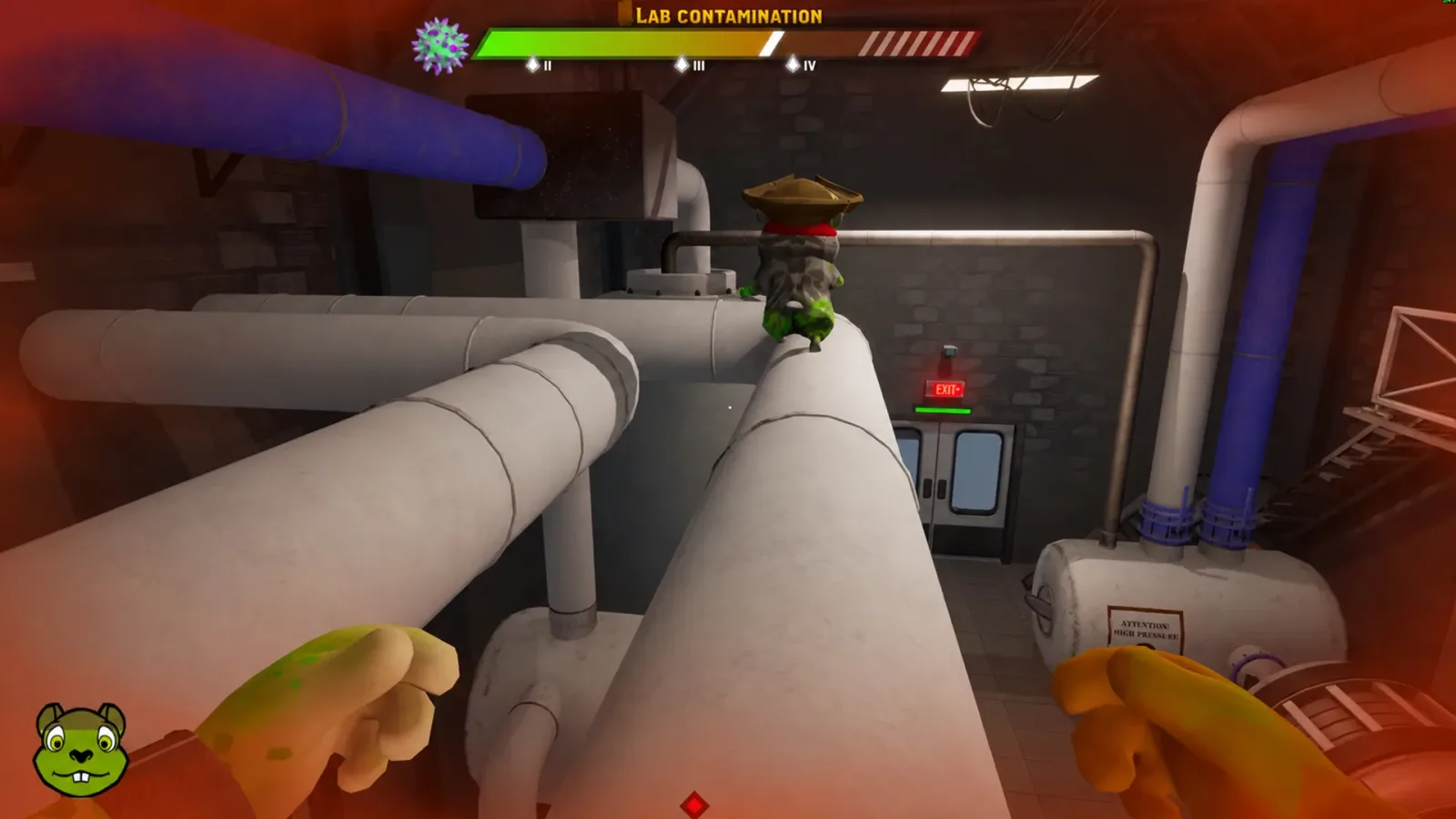
Although the premise includes hostile enemies and mutant experiments, Zombie Hamsters is not presenting combat as the only answer. Stealth and exploration are central parts of its feature set, with ventilation shafts specifically mentioned as a way to move around the laboratory and uncover different routes.
Vents are a natural fit for a game about small animals navigating an oversized human facility. They offer a believable way to bypass guarded spaces and reinforce the sense that the environment can be approached from more than one direction. A well-hidden shaft may allow players to avoid a trap, reach a useful item, flank an obstacle or quietly get closer to an objective.
Alternative routes are also important because they make a failed plan less likely to end a run immediately. If a team encounters guards or cannot solve a challenge through its first idea, it may be able to retreat and investigate another part of the lab. This kind of flexibility can encourage experimentation, particularly when procedural generation prevents players from treating every match as a solved puzzle.
Platforming challenges add another consideration to navigation. Players will not only be looking for a safe corridor; they may need to make careful jumps, negotiate environmental hazards and decide whether a risky shortcut is worth attempting. In co-op, that can lead to memorable moments of either coordinated success or chaotic recovery when someone triggers trouble at the worst possible time.
What to expect from Zombie Hamsters on Steam
The details shared so far establish Zombie Hamsters as a PC game built around emergent escape stories. Its laboratory is meant to be hostile, its layouts are designed to vary, and its goals can be tackled in more than one way. Whether played alone or with three friends, the central appeal is the freedom to turn a precarious situation into a personal plan--and then adapt when that plan inevitably goes wrong.
Players can expect scientists, guards, mutant experiments, traps, vents, puzzles and platforming to all play a role in that process. The infection system adds the game's strangest twist, offering a way to turn the facility's inhabitants into part of the unfolding disaster rather than treating them solely as obstacles.
Rogue Biscuit has also referenced an official trailer and a Steam store listing for the project. More specifics on the confirmed launch date, the full scope of the laboratory generation and the exact behavior of the infection system will be worth watching for as the game moves toward release. Until then, Zombie Hamsters looks set to offer a lighthearted but potentially demanding co-op escape game where the safest path may not be the most entertaining one.
Community
Discussion
Start the conversation.
No comments have been posted yet.