

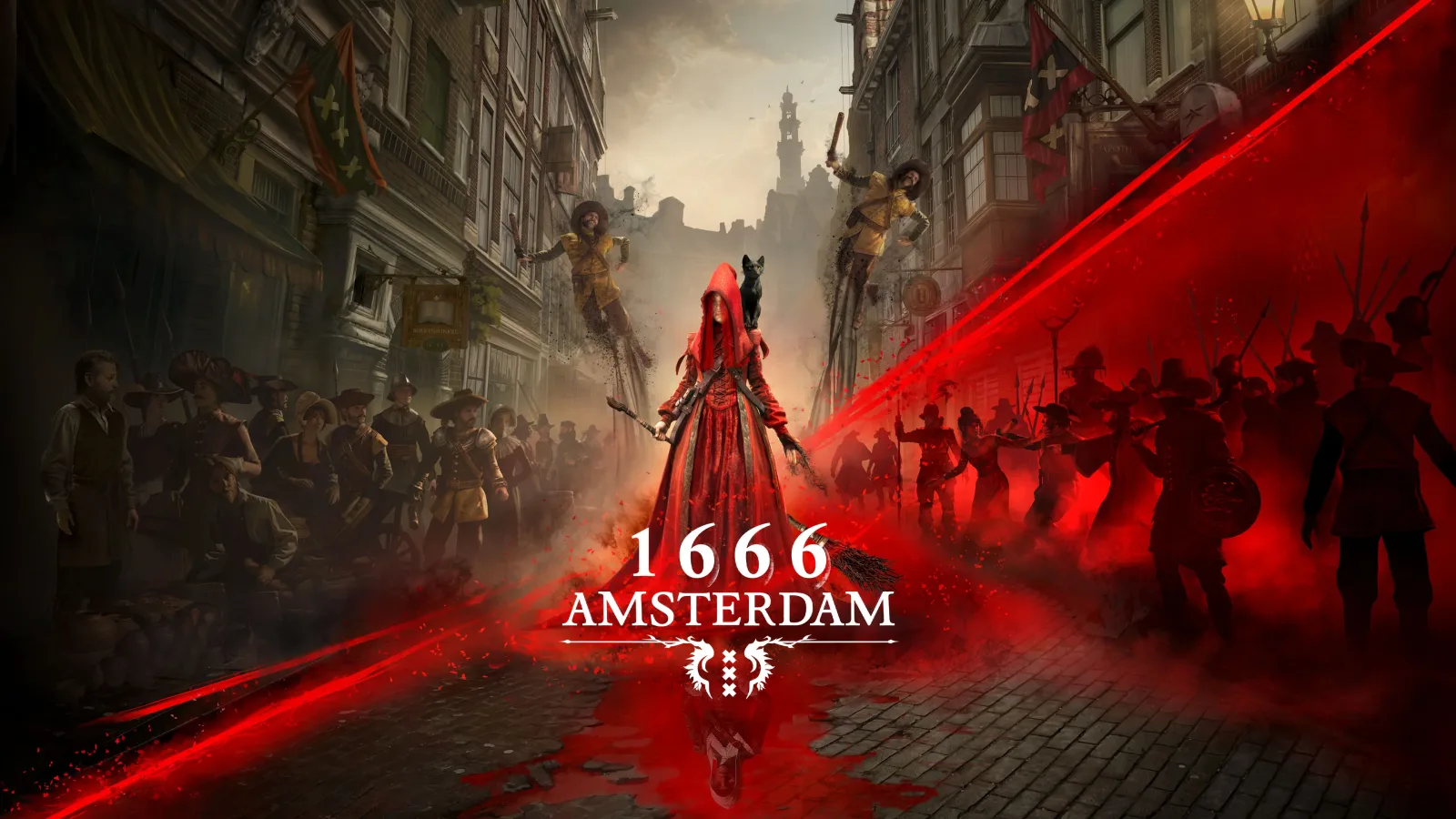
Panache Digital Games has released The Road to Early Access, a 30-minute documentary focused on the long development journey behind 1666: Amsterdam. The film arrives after the game entered Early Access on PC on August 25, 2026, and follows creative director Patrice Désilets as the project develops from an early idea into a publicly playable release.
Presented in French with English subtitles, the documentary combines behind-the-scenes material with interviews from the development team. Rather than concentrating solely on the game's current Early Access build, it retraces the circumstances that led to the creation of Panache Digital Games and the decisions, obstacles, deadlines, and milestones that shaped 1666: Amsterdam over time.
For players curious about how a game changes between concept, internal production, public reveal, and Early Access, the film is positioned as a look inside that process. Its subject is not simply Amsterdam as a setting, but the studio's attempt to turn a historical city and supernatural premise into an evolving interactive experience.
From an early idea to a studio project
The Road to Early Access begins with the roots of 1666: Amsterdam and follows the formation of Panache Digital Games around the ambition to make the project real. Désilets is the central figure in the documentary, but the feature also gives attention to the wider team and the practical work required to carry a game through years of production.
For useful background on this topic, read Coal Duty Enters Steam Early Access With Co-op Mining, Monsters and Escape Plans.
That framing matters because a game's public launch can make development appear more direct than it really is. A finished trailer, a convention demo, or an Early Access storefront page is only one point in a much longer process. The documentary addresses that path through team interviews and footage captured during production, showing the efforts behind the game before it became available to players.
The material covers periods of development under lockdown, as well as production sprints and preparations for the game's public reveal. Those moments place the project's creative goals alongside the operational realities of making a game: coordinating a team, maintaining momentum, responding to changing conditions, and preparing a work-in-progress for an audience beyond the studio.
It also covers major events from 2026. The team's trip to Amsterdam is included, connecting the developers directly with the city that informs the game's setting. Appearances at Summer Game Fest and Gamescom are also part of the story, documenting the shift from private development to a public-facing campaign in which players could begin forming their own expectations around the project.
For another perspective on this story, read 1666: Amsterdam Documentary Charts the Road to Early Access.
A supernatural Amsterdam at the center of the game
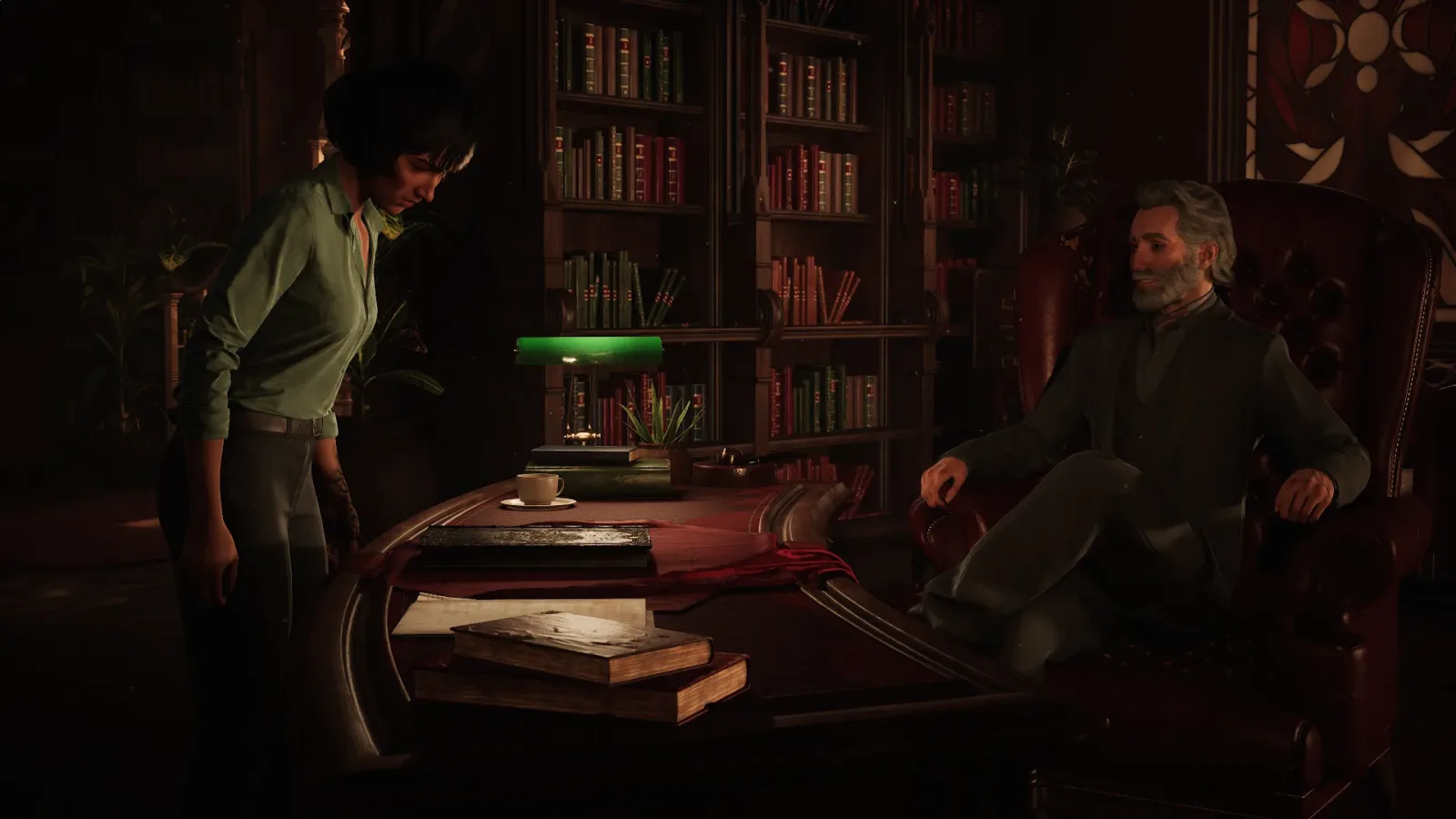
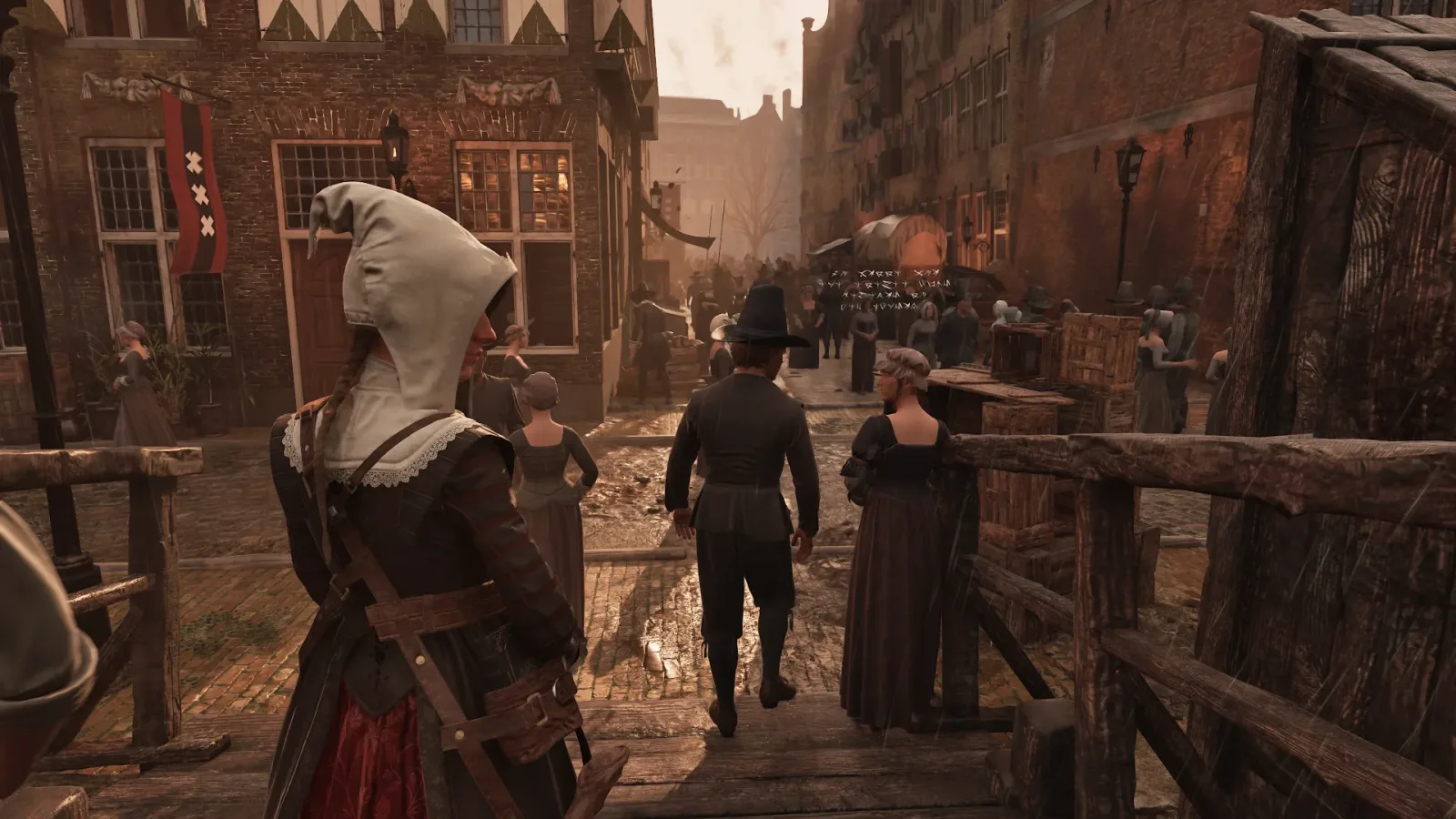
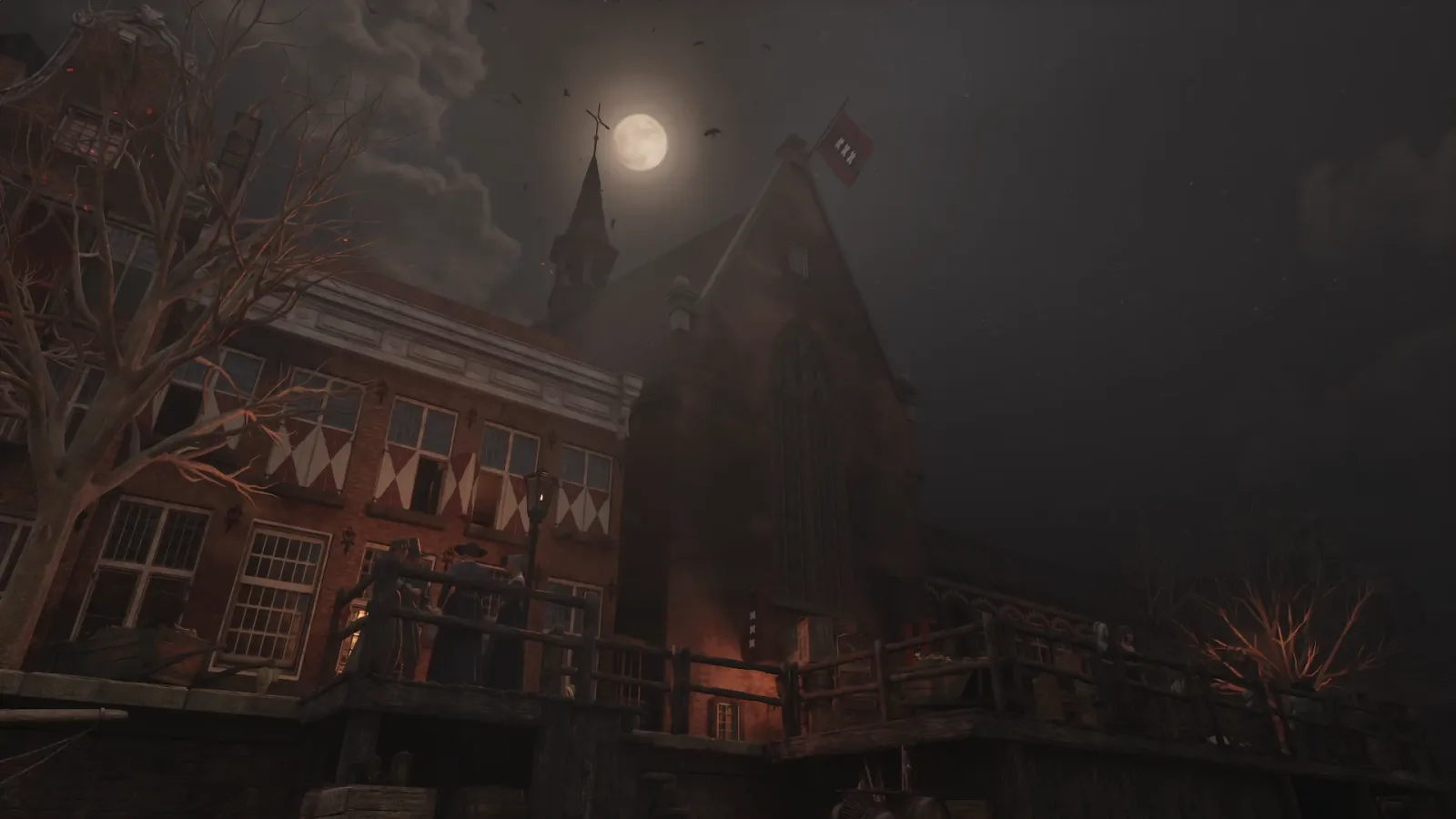
1666: Amsterdam is set in a supernatural interpretation of Amsterdam where history and occult forces overlap. Players take the role of Noa, a witch given the task of locating the Originals, powerful entities that have concealed themselves among the city's inhabitants.
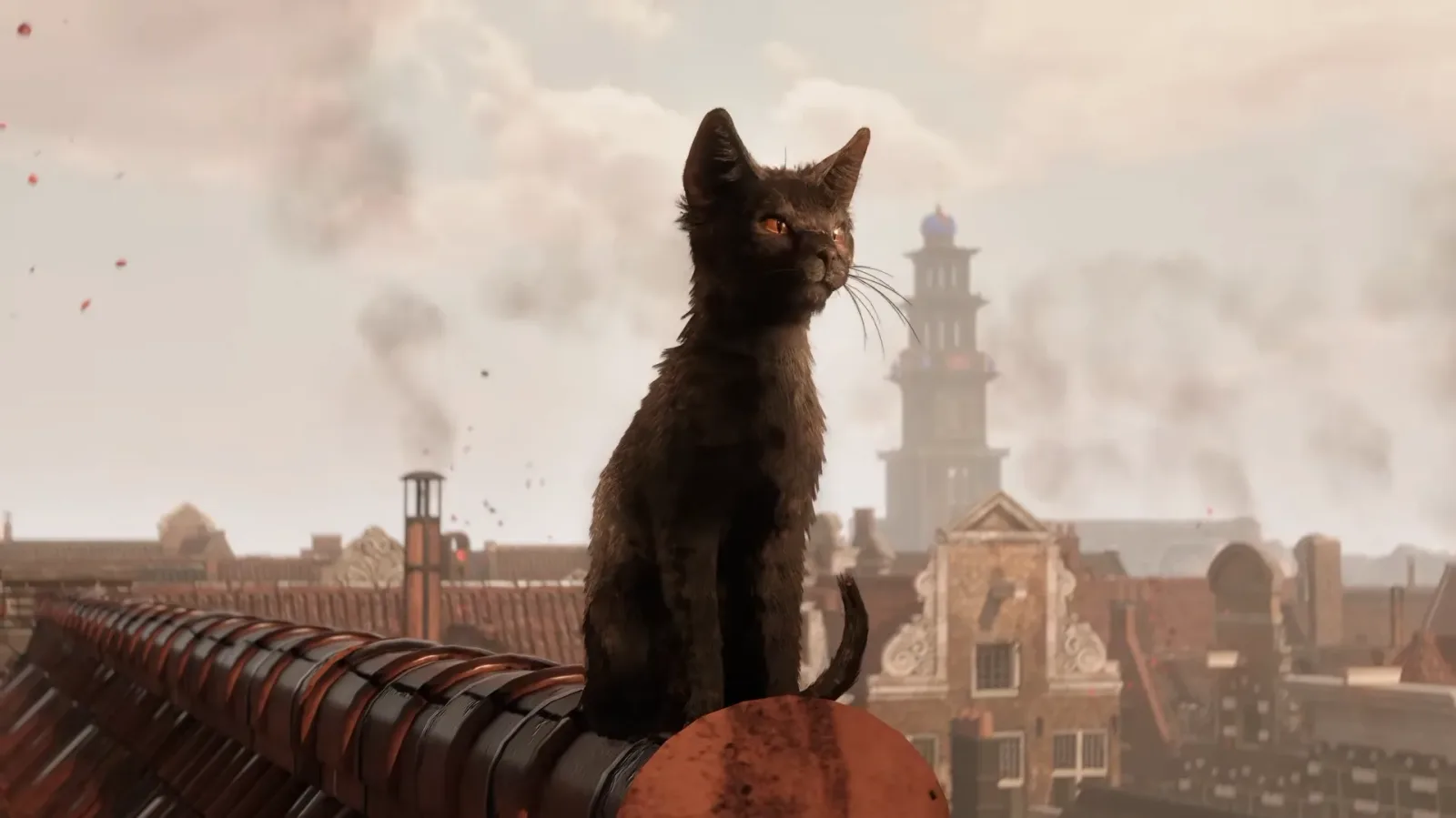
Noa does not undertake that investigation alone. Her feline companion, Aaron, accompanies her as players explore the city, investigate its mysteries, and confront the entities at the heart of the story. The setup places discovery at the center of the experience, with a city shaped by both recognizable historical inspiration and an original supernatural threat.
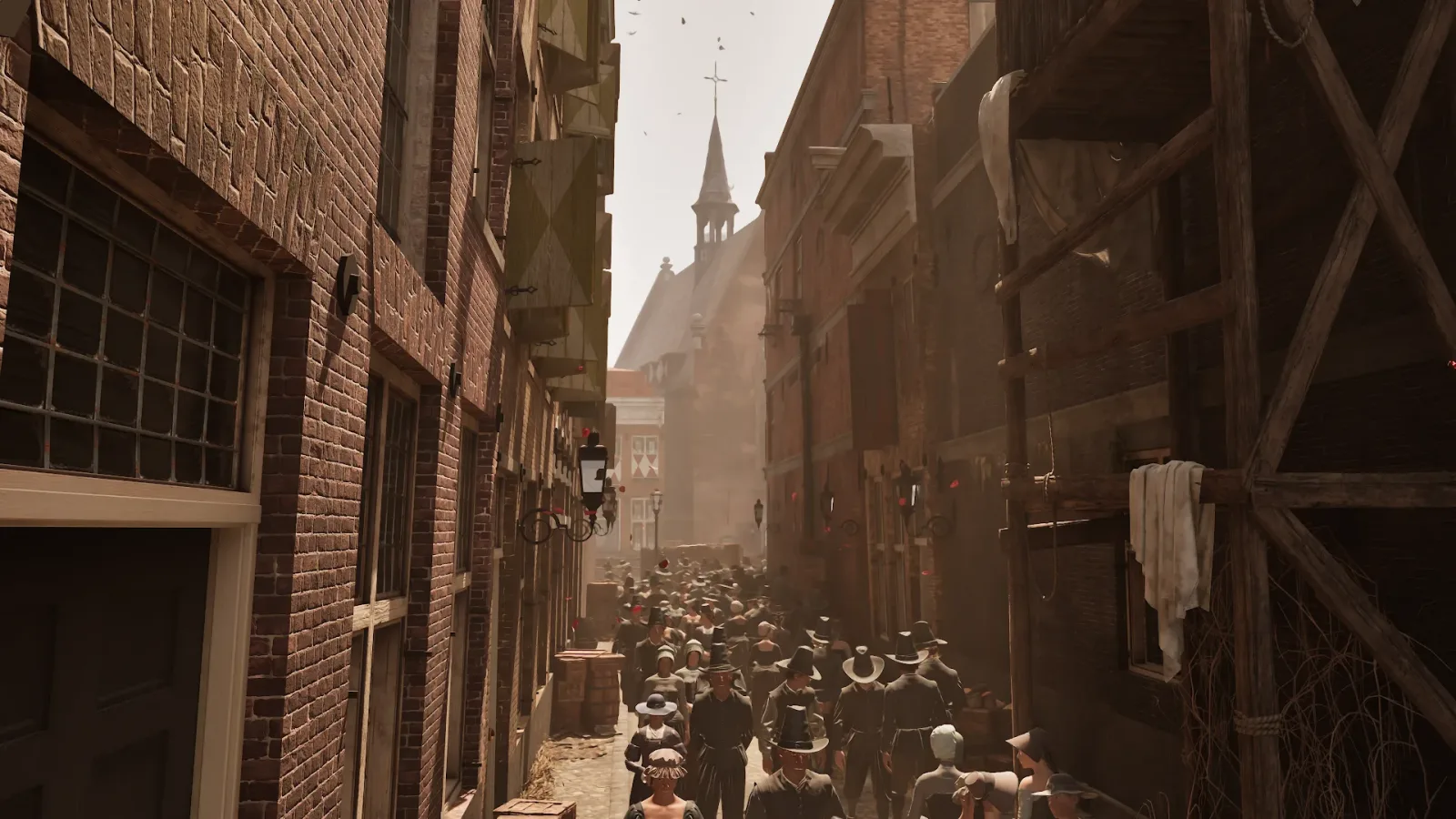
The documentary's attention to the Amsterdam trip provides added context for that choice of location. Game settings can be researched from afar, but visiting a place gives a development team a different perspective on its atmosphere, architecture, streets, and sense of scale. The film does not present that research as a simple one-to-one recreation; the game is explicitly supernatural. Still, the journey illustrates how the setting became a living part of the team's creative process rather than merely a name on a design document.
That tension between historical grounding and occult fiction is a key part of the game's premise. Amsterdam is not being used only as a backdrop for familiar genre action. It is the space in which Noa's investigation unfolds, where the Originals are hidden, and where the game can bring together exploration, mystery, and confrontations with unusual beings.
An Early Access launch is a new stage, not the final one
1666: Amsterdam is available now in Early Access for PC through Steam and the Epic Games Store. Its August 25 launch is one of the major milestones covered by the documentary, but Panache Digital Games has made clear that the game will continue to change throughout its Early Access period.
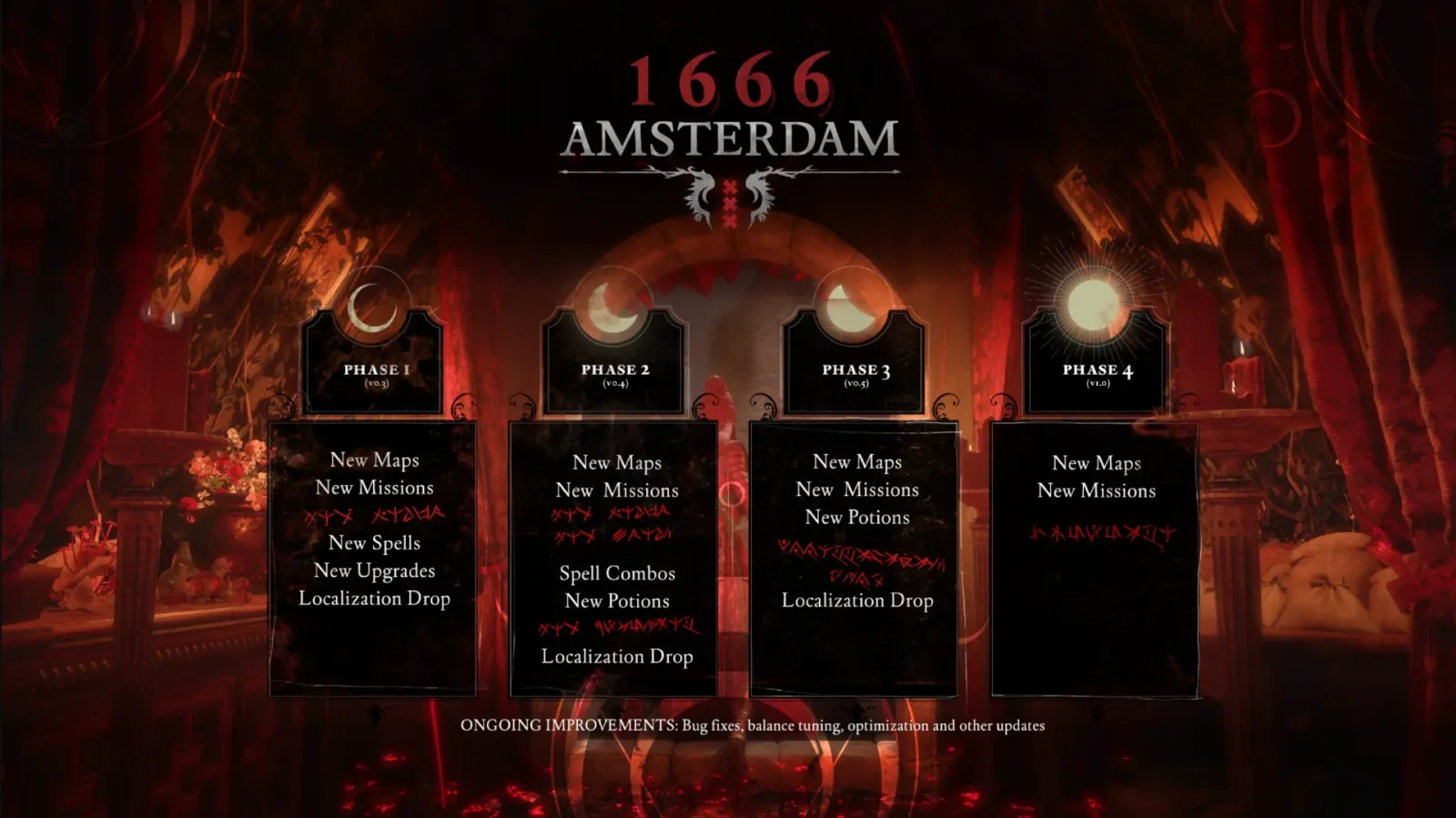
New content is planned, while player feedback is expected to help the studio refine and expand the experience. That makes the documentary timely in a way a retrospective released after a full launch might not be. It records the route to a major public milestone while the next part of the journey is still underway.
Early Access can mean different things for different games, but its basic appeal is the opportunity for a community to engage with a project while further development continues. For a game built around investigation and exploration in a detailed supernatural setting, feedback can potentially inform how players understand objectives, navigate environments, approach encounters, and experience the world's mysteries. The exact additions and changes have not been detailed here, but the stated plan is for the game to grow over time.
The documentary therefore serves two purposes. It is a record of the years that preceded Early Access, and it is a companion piece for players arriving after the game has become available. Viewers can see the pressures and decisions that shaped the initial release, then follow the game's future development with a clearer picture of the team behind it.
Behind-the-scenes footage gives the project human context
Development documentaries are often most valuable when they show that games are not created through a single uninterrupted burst of inspiration. The Road to Early Access appears to approach its subject through that broader lens. Its focus on lockdown work, production sprints, event preparation, travel, and interviews acknowledges the many kinds of effort involved in delivering a game to an Early Access audience.
The periods covered are especially significant because they include both internal and external challenges. Work through lockdown required teams throughout the industry to adapt their communication and production habits. Later, preparing for showcases such as Summer Game Fest and Gamescom introduced another demanding phase: presenting a developing game clearly enough for press, players, and event audiences while continuing the work needed to move it forward.
For Panache Digital Games, the public reveal and Early Access launch were not isolated marketing beats. In the documentary's framing, they are outcomes of a longer chain of creative and logistical decisions. The title, The Road to Early Access, captures that emphasis. The destination matters, but so do the detours, pressure points, revisions, and people encountered along the way.
That perspective may be particularly appealing to those interested in game development beyond conventional promotional material. The film is not described as a tutorial or a technical postmortem, so viewers should not expect a complete breakdown of every system and production tool. Instead, its value lies in its combination of personal history, studio history, developer testimony, and footage from a project progressing toward a playable public build.
What the documentary means for players following 1666: Amsterdam
Players who are already exploring 1666: Amsterdam can use the documentary as background for the game now in Early Access. It offers a chance to see how a story about Noa, Aaron, the Originals, and supernatural Amsterdam was shaped by a real team working across multiple years and major public milestones.
For newcomers, it may be a useful introduction to the game's identity. The film establishes the project as an investigation-driven supernatural adventure set against a historical city, while also explaining the studio's connection to the work. Since the documentary is in French with English subtitles, it is accessible to viewers beyond its Montréal-based development team's local language.
Most importantly, the release does not signal that the game's story is over. 1666: Amsterdam has reached Early Access, but Panache Digital Games plans to keep developing it through new content and community feedback. The Road to Early Access looks backward at the route taken so far, while the game itself continues forward from its first public release on PC.
Community
Discussion
Start the conversation.
No comments have been posted yet.