

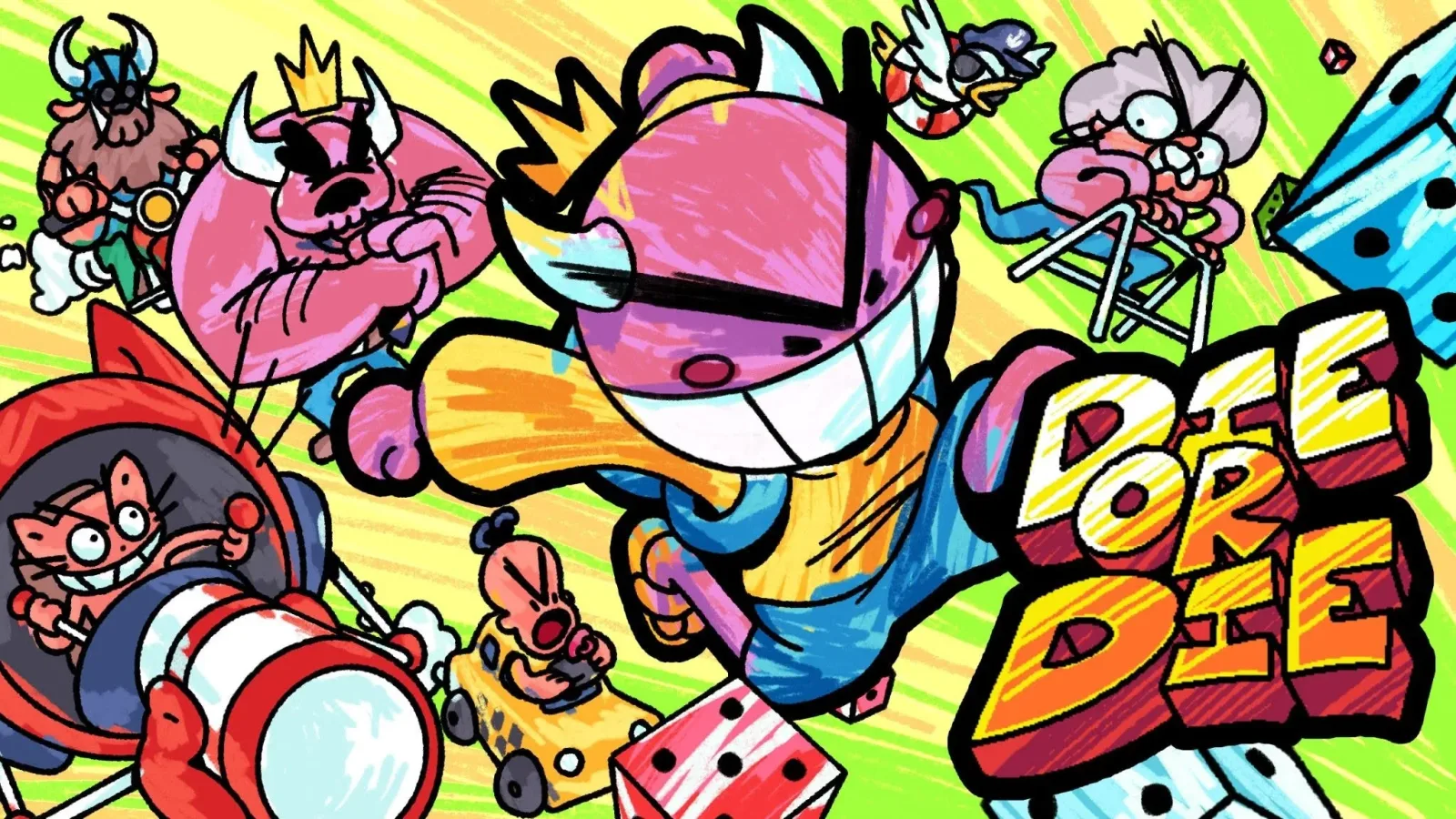
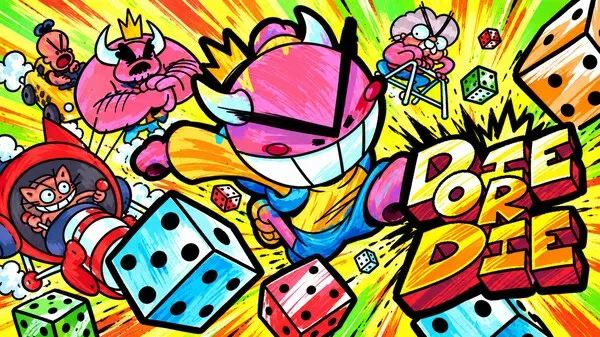
Die or Die, a top-down roguelike shooter from Galicia, Spain-based indie studio Ao Norte, is set to be published by Acclaim in 2027. The game is planned for Steam and consoles, though specific console platforms have not yet been named.
Built around fast movement, dense enemy encounters and a dice-management system that can dramatically alter each run, Die or Die presents a deliberately unruly take on the roguelike shooter. Players will blast through hostile stages, dodge incoming danger and collect dice, but earning those dice is only the beginning. The central question is whether to spend them on stronger weapons and abilities, or use them to remove the escalating hazards that can make every battle substantially worse.
A playable version of the game recently appeared at L.A. Comic Con, alongside a new trailer and press materials highlighting its animated enemies, brawler-like action and destructive environmental complications. Its visual style channels rough, grungy cartoon energy associated with the 1990s, while its structure places chance and resource planning at the center of a high-speed combat loop.
Dice are both power and protection
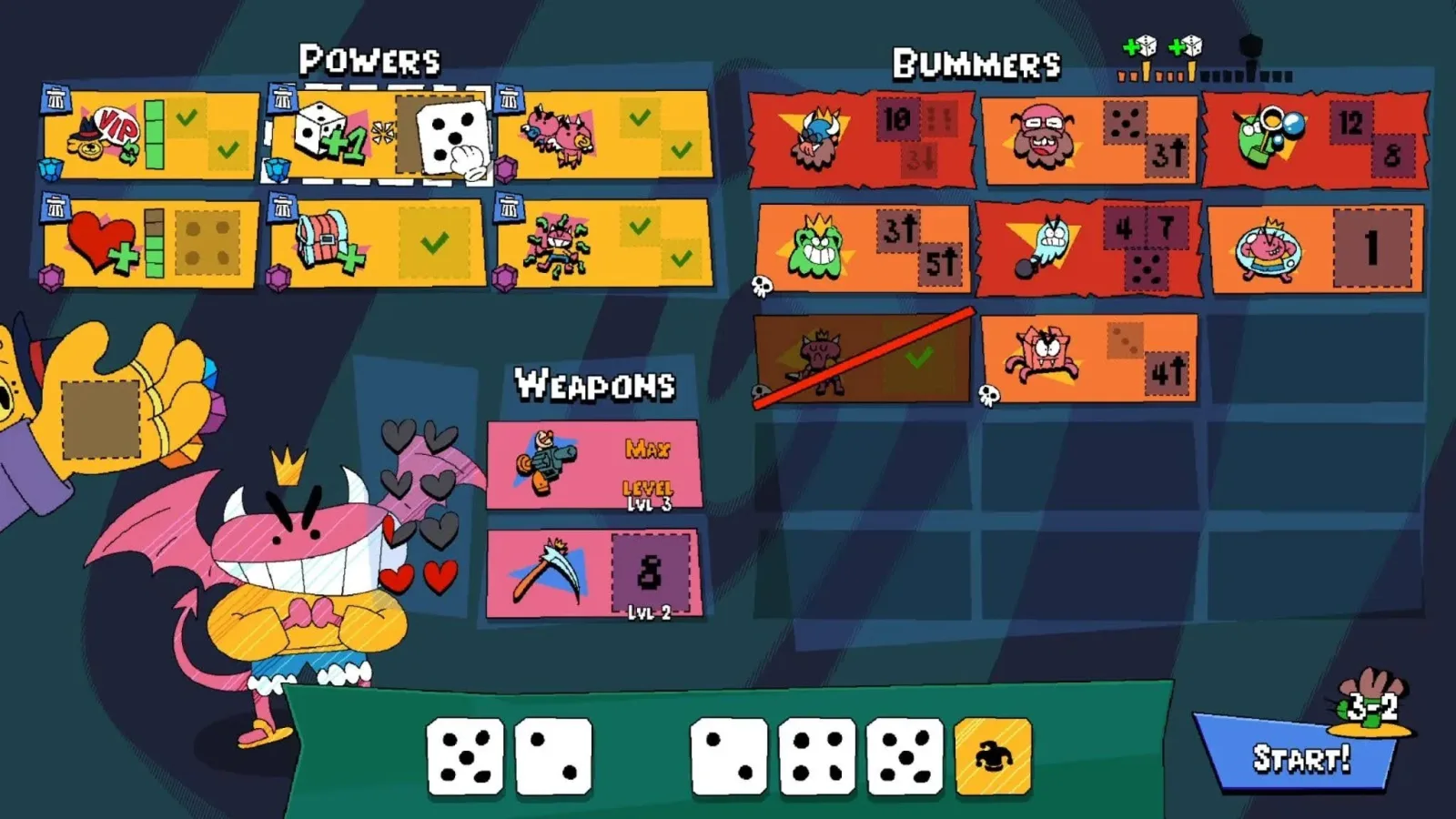
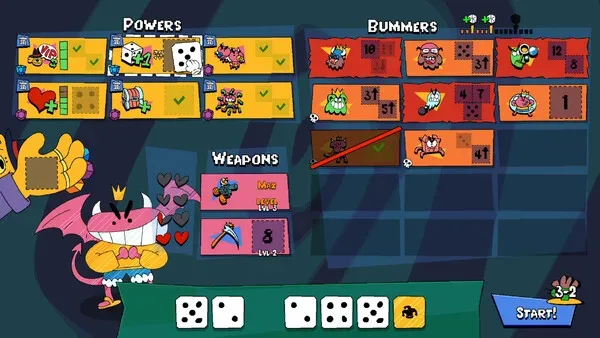
Many roguelikes ask players to make difficult decisions about money, upgrades, health or temporary bonuses. Die or Die turns dice into the key resource behind nearly every important decision. A die can be used to activate an ability, purchase a weapon, or deal with one of the game's so-called bummers: hostile modifiers that disrupt a level and raise the stakes of survival.
For useful background on this topic, read gaming news tips: What Makes a Strong Lead and How Anonymous Sources Are Protected.
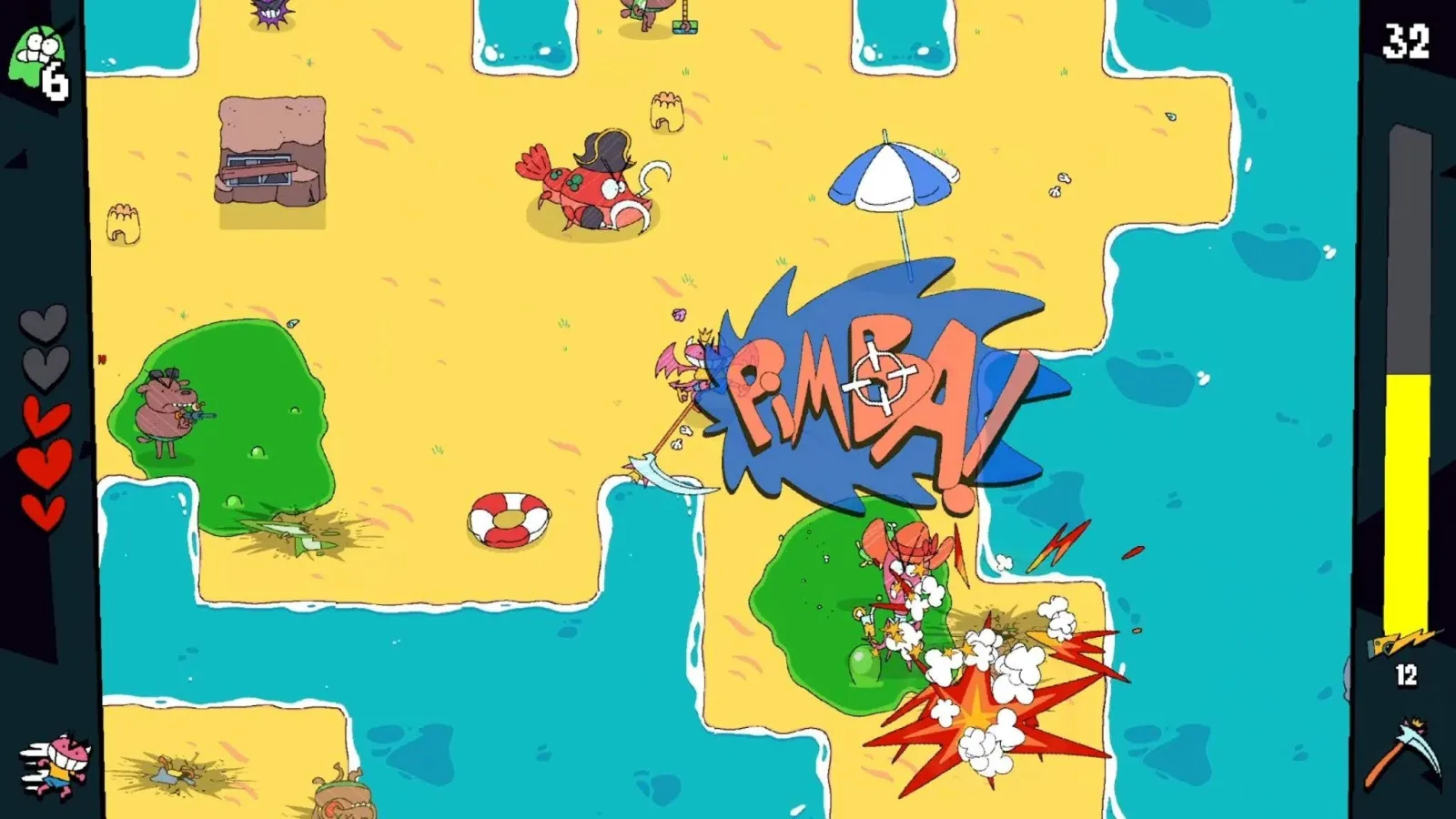
Those bummers are not merely minor inconveniences. The announced examples include giant enemies, floors flooded with lava and meteor showers. Each can turn an ordinary room full of enemies into a much more hazardous test of movement and positioning. Clearing one may provide immediate relief, but it comes with an opportunity cost: dice spent on making a stage safer are no longer available for an ability, a purchase or another long-term improvement.
That tension appears to be the game's defining hook. An aggressive player may decide that surviving a punishing modifier is worthwhile in exchange for preserving dice for a more powerful build. Another may spend early and often to keep encounters manageable, accepting a weaker setup in the process. Since dice also affect builds and level layouts, the decision-making goes beyond a simple choice between offense and defense.
Ao Norte's approach suggests a run can be shaped by a mix of player skill, random rolls and risk assessment. Quick shooting and evasive movement remain essential when enemies fill the screen, but success will also depend on recognizing when a nasty modifier has become too dangerous to ignore. A player might have the firepower to eliminate a crowd, for example, while still lacking the space to maneuver around lava or survive a sudden meteor barrage.
A road to the coast
Die or Die follows Lil' Demon, a weary taxi driver trying to abandon his old life and make his way to the coast. The premise gives the campaign a simple but memorable direction: keep moving forward, overcome the bummers in the way and see how far luck can carry the protagonist before it runs out.
The game will include five worlds on that journey. Details on those locations have not been announced, but the structure points to a series of distinct stages rather than a single repeated arena. For a roguelike, different worlds can provide room for changing enemy compositions, environmental threats and new combinations of modifiers, which would make dice decisions increasingly complicated as a run progresses.
The phrase "Roll. Die. Repeat." captures the intended rhythm. Players are expected to gather dice through combat, make a consequential choice, push into the next dangerous situation and start the process again. The title's pun also fits its mechanics: dice rolls are a route to power, but poor planning or a bad situation can bring a run to an abrupt end.
Lil' Demon's goal is not framed as a grand quest to save a fantasy kingdom or defeat an all-powerful villain. Instead, the game centers on a worn-down driver seeking a way out. That smaller, more personal setup suits the irreverent cartoon tone while leaving room for the game's enemies, hazards and modifiers to deliver the larger-than-life chaos.
Frantic action with a hand-drawn edge
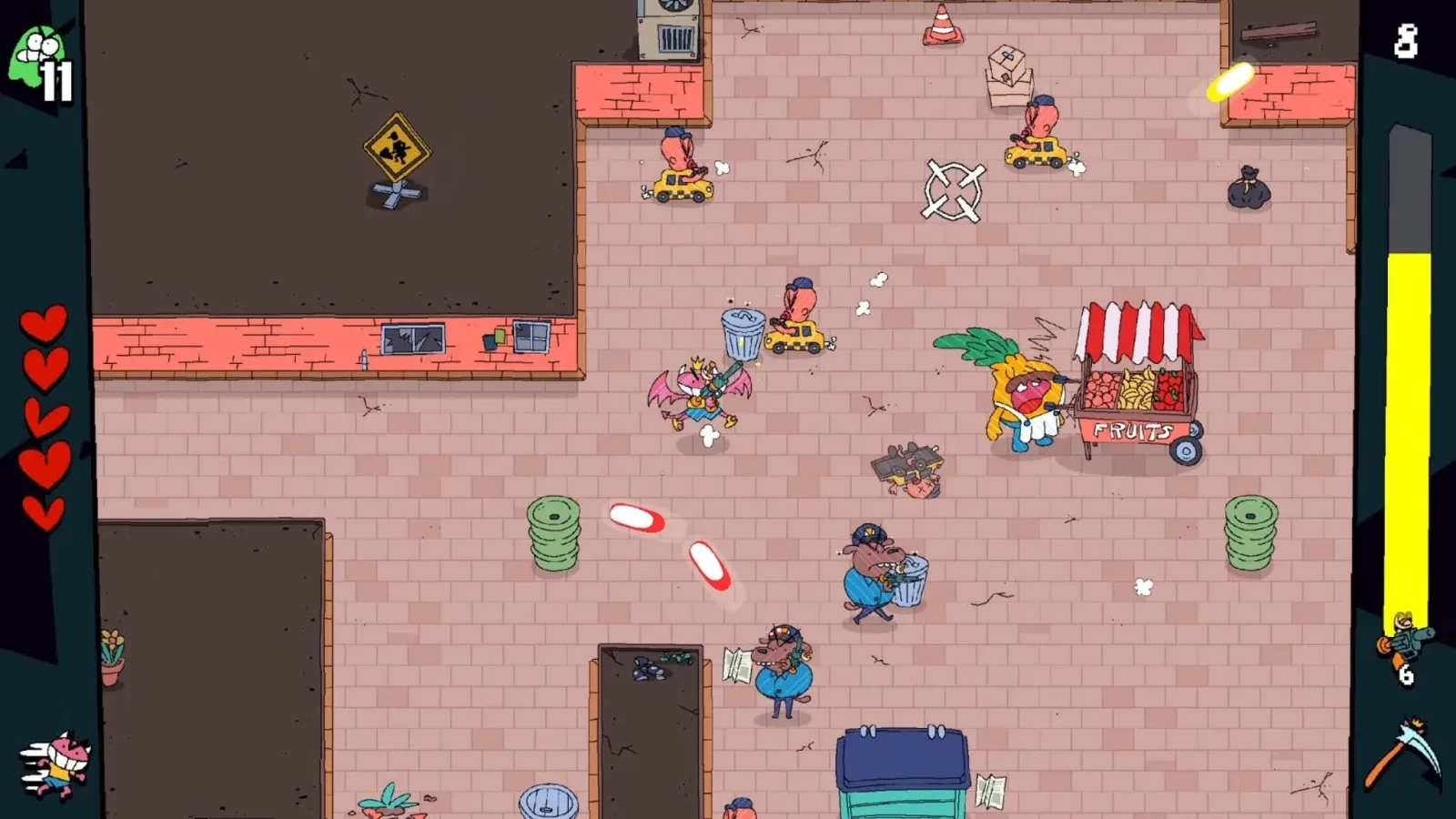
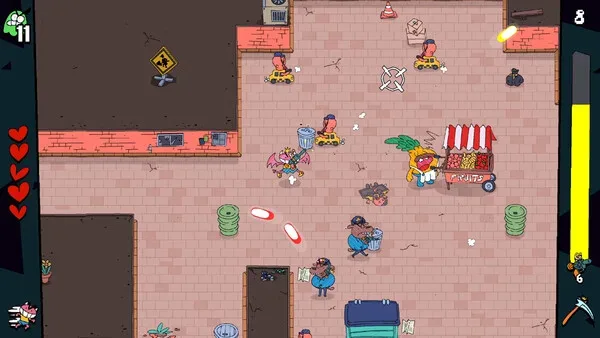
At its foundation, Die or Die is a top-down shooter. Players run, shoot and dodge through enemy-heavy levels, meaning spatial awareness will matter as much as raw damage output. The newly shown footage and materials emphasize fast, hand-drawn adversaries and a visually busy battlefield, with the game's bummers contributing to a sense that the environment itself is actively trying to end a run.
The 1990s-inspired cartoon presentation is an important part of the pitch. Rather than pursuing a clean sci-fi look or subdued fantasy atmosphere, Die or Die is leaning into a more abrasive, exaggerated style. That should help the major hazards read as comic-book disasters as well as gameplay problems: a huge enemy, a shower of falling meteors or a room made dangerous by lava all have immediate visual potential in a hand-animated shooter.
There is a practical design challenge in making that chaos readable. Roguelike shooters often demand split-second reactions, and the strongest examples make it clear which attacks, projectiles and hazards require attention first. Die or Die's combination of crowds, movement, bummers and dice-triggered abilities could create hectic encounters, so clarity amid the visual noise will be important when the game reaches players.
The dice system may also give the action a more tactical pace than the game's rapid combat initially suggests. A player can be skilled enough to weave through a mob, but still need to stop and consider the value of a roll. Is an ability worth activating now? Is a weapon upgrade more useful than removing a meteor shower? Is the current stage survivable with a particular bummer still active? Those choices could make individual runs feel less like a pure test of reflexes and more like a balance between boldness and restraint.
What Acclaim's publishing deal means
Acclaim will handle publishing for Die or Die as Ao Norte develops the project. The announcement places the game within Acclaim's current publishing efforts while keeping the creative identity firmly tied to the Spanish indie team behind it.
For a smaller studio, a publishing partnership can provide support in areas beyond development, including visibility, marketing and the logistics of reaching multiple storefronts and console ecosystems. In Die or Die's case, the project has already received a public showing at L.A. Comic Con, an event that offered attendees a chance to try the game before its planned 2027 launch window.
The announcement is still relatively early in the game's rollout. Steam and consoles have been confirmed, but no precise release date, console list, pricing, demo plans or additional gameplay modes have been detailed. There is also no indication yet of whether the console release will arrive simultaneously with the Steam version.
What is clear is the game's mechanical identity. Die or Die is not treating random rolls as a background stat system or a cosmetic theme. Dice are intended to govern the choices that define a run: the tools players can access, the threats they choose to live with and the path their build takes across five worlds.
A roguelike built around uncomfortable choices
The strongest promise in Die or Die is the way it frames survival as an ongoing negotiation. Players do not simply collect a resource and spend it whenever possible. They are asked to decide whether comfort in the present is worth sacrificing future strength. Clearing a bummer can prevent a disaster, but it may also leave Lil' Demon without the die needed for a weapon or ability that could matter later.
That design can create memorable stories even when a run ends in failure. A player may remember gambling on a difficult room to save dice, only to be overwhelmed by an oversized enemy and falling meteors. Another may regret spending too much to tidy up early levels before reaching a later world with limited offensive options. If the balance between danger and reward holds up, each defeat should offer a reason to reconsider the next approach.
With its hand-drawn aesthetic, stressed taxi-driver hero and potentially brutal modifier system, Die or Die is positioning itself as a roguelike shooter where bad luck is never the whole story. The roll may set the terms, but the player still has to decide what risks are acceptable. Ao Norte and Acclaim are aiming for Steam and consoles in 2027, with more platform and release information expected closer to launch.
Community
Discussion
Start the conversation.
No comments have been posted yet.