

BlizzCon 2026 has brought major World of Warcraft announcements, a packed convention floor, and the familiar rush for limited merchandise. It has also highlighted a problem that has become increasingly difficult for fans across games, collectibles, live events, and retail launches: scalpers are finding ways to turn enthusiasm into a secondary-market business.
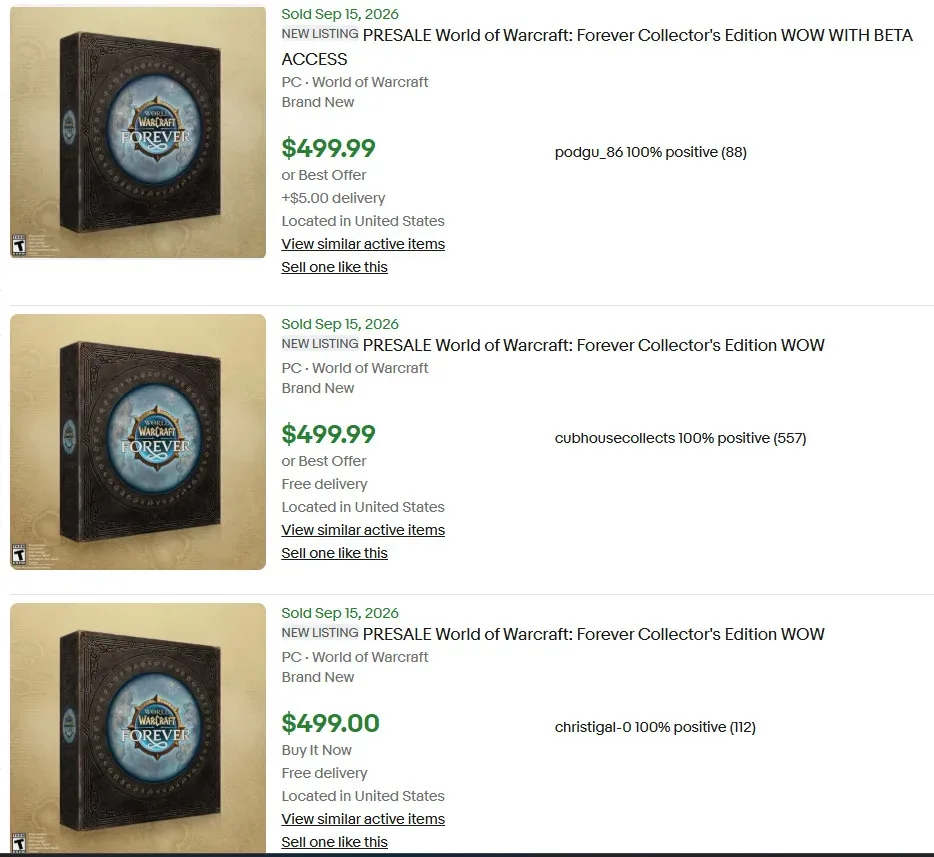
At this year's event, attendees encountered extremely long queues for Blizzard merchandise, limited-access activities, randomized rewards, and exclusive digital items. Away from the convention center, the newly revealed World of Warcraft: Forever Collector's Edition has repeatedly sold through shortly after restocks appeared online. In both cases, fans have watched items intended as commemorations of a major community event surface on resale sites at dramatically higher prices.
The concern is not simply that popular products are selling out. Popular convention merchandise has always been difficult to obtain, especially when it features beloved mascots or is tied to an annual gathering. The larger issue is the combination of limited supply, layered access requirements, random reward systems, and purchase protections that players believe are too easy to bypass.
Long merch lines were an early warning sign
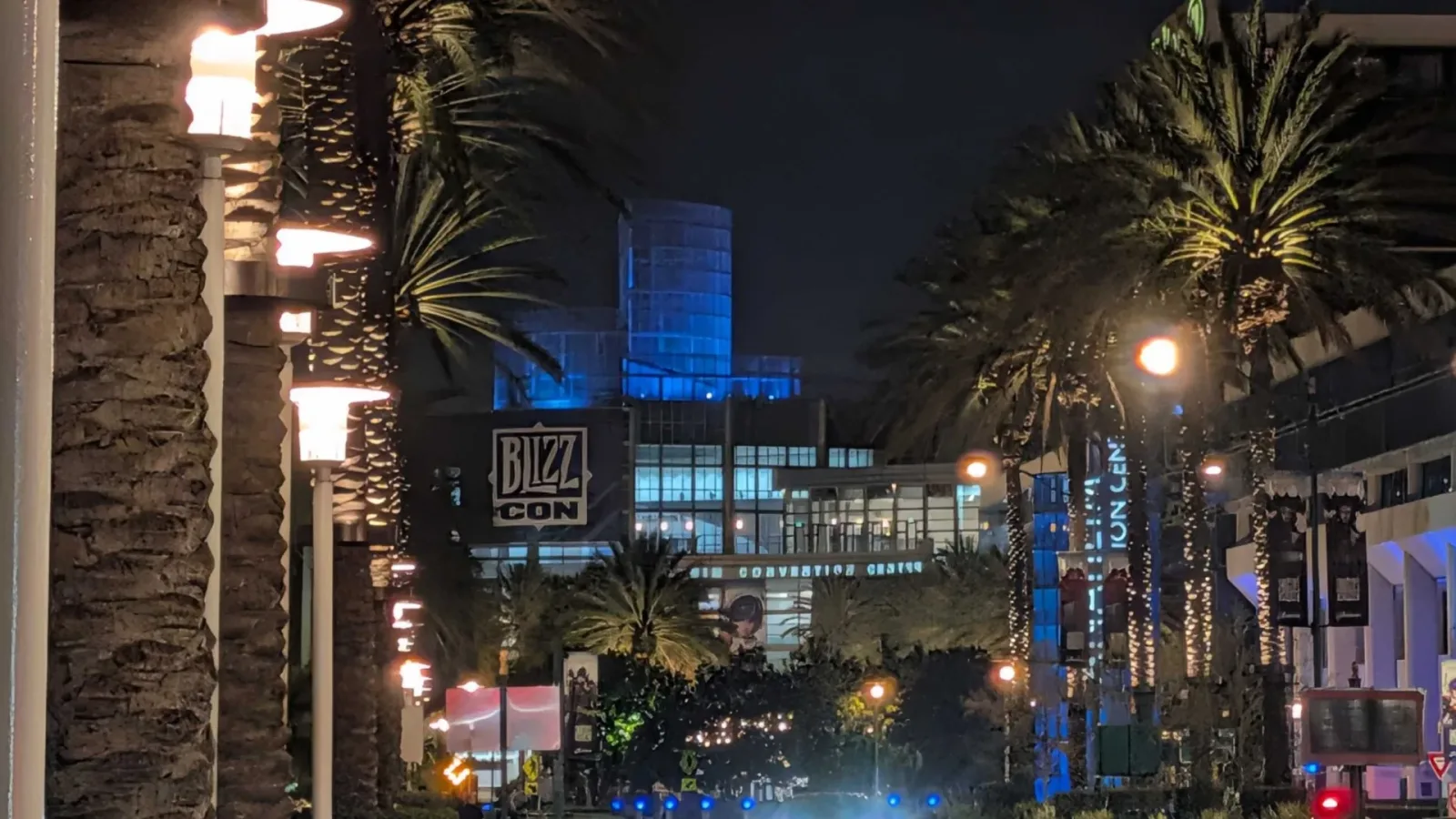
Even before BlizzCon's main programming began, the demand for the event's store was clear. On the Friday badge-pickup day, when the convention itself had not yet fully started, the merchandise queue reportedly stretched through the hall and required multiple hours for some people to reach the front.
For useful background on this topic, read Why Finding Legitimate Video Game T-Shirts Has Become So Difficult.
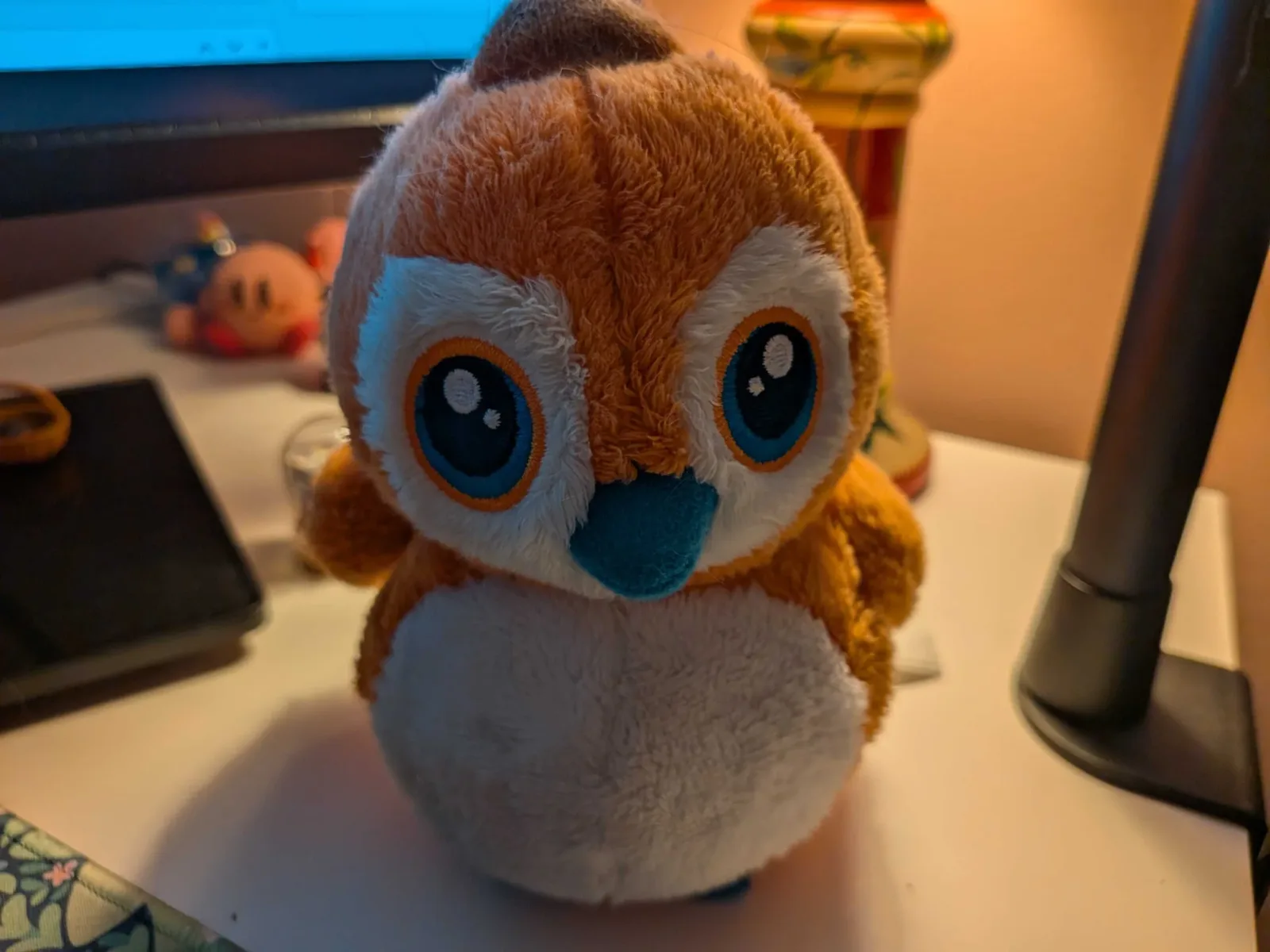
That wait was not merely for rare high-end memorabilia. One sought-after item was the 2026 Comfy Cozy Pepe Plush, a version of the familiar orange bird companion from World of Warcraft. The plush depicts Pepe in a warm-looking cloak while carrying a small cup of cocoa. It was priced at around $30 at the show, but it sold out before many attendees who had joined the line could purchase one.
Pepe's popularity makes a sellout unsurprising. However, secondary-market listings have made the experience particularly frustrating. Sales reported on eBay reached as high as $155 for the plush, transforming an affordable convention keepsake into a much more expensive purchase for fans unable to get one on site.
That pattern is unpleasant, but it is also the relatively straightforward version of the problem. A limited physical item sells out, and resellers list it for a markup. Several BlizzCon-exclusive rewards added more obstacles than a normal storefront queue, while offering an outcome determined at least partly by chance.
For another perspective on this story, read BlizzCon's Exclusive Pet Lottery Is Feeding a Scalper Market Nobody Needed.
Darkmoon Faire pet codes combine scarcity with randomness
The Darkmoon Faire is one of BlizzCon's popular attractions. It has limited capacity, meaning attendees must wait to get inside. Once admitted, visitors can take part in themed activities, receive freebies, trade and collect pins, and purchase event items.
One activity involves a duck pond. Participants first buy a ticket, then wait in another queue to use a fishing rod and pull a random duck from the pond. A duck marked with a star provides a code for an exclusive robotic duck pet in World of Warcraft.
For collectors, the path to that reward is unusually demanding. It requires purchasing a BlizzCon pass, entering the convention, getting into the limited-capacity Darkmoon Faire, paying for the activity, waiting again, and then receiving the correct result by chance. The robotic duck is not simply a guaranteed bonus for people who made the trip to the show. It is a random prize within an already restricted event.
That structure has created conditions ripe for resale. Codes for the pet have appeared on eBay, with reported completed sales reaching as much as $600. A digital companion that has little impact on the core MMO experience can still be enormously valuable to collectors, especially if it is presented as a one-time exclusive.
Companion pets in World of Warcraft have long occupied an unusual space. Some players regard them as optional cosmetic extras, while others take pet collecting and pet battles seriously. The battle system is entirely optional, but that does not make the pets meaningless to people who value the collection side of the game. For those players, locking a pet behind a paid event, multiple queues, and a lottery-like outcome can make the reward feel less like a celebration and more like a high-friction gacha mechanic.
Blind boxes add another route for resellers
The Darkmoon Faire also offered a $30 plush blind box containing one of eight possible plush toys, including Pepe. Blind-box products are common in collectible markets, but this one had an additional randomized incentive: some boxes included a code for a flying axolotl pet.
Like the robotic duck codes, the flying axolotl codes have entered the resale market. Listings and reported sales have reached prices as high as $500. The result is an economy where a modestly priced convention purchase can potentially yield a highly valuable digital code, giving dedicated collectors and opportunistic buyers alike a reason to acquire as many chances as possible.
Randomized rewards are not automatically a problem. They can be fun when items remain broadly accessible, when duplicate outcomes are manageable, or when players have alternative routes to complete a collection. The BlizzCon situation feels more contentious because access is restricted at every stage. A fan may travel to the event, pay admission, wait in several lines, spend more money, and still leave without the item they wanted.
Meanwhile, someone willing to invest heavily in repeated attempts can potentially obtain codes to resell. That does not mean every person buying multiple items is a scalper, and many fans enjoy trading or collecting extras. But the system naturally rewards volume, and volume is something professional resellers are positioned to exploit.
The World of Warcraft: Forever Collector's Edition faces online pressure
Scalping concerns have not been limited to the convention floor. World of Warcraft: Forever, revealed during BlizzCon, will be available in several versions, including a $150 Collector's Edition. The premium package includes the game bundle along with physical extras such as a statuette, pins, art prints, and a mousepad.
Since its announcement, the Collector's Edition has gone out of stock, returned, and sold out again multiple times within a matter of days. Players have said online that they received stock alerts, opened the store immediately, and still found the edition unavailable within seconds. At the same time, resale listings have appeared at significant markups.
The speed of those sellouts has fueled suspicions that bots and bulk buyers are securing a meaningful portion of available inventory. The product does state that purchases are limited to three per household, but fans have pointed out that such a limit may be difficult to enforce if buyers use multiple email addresses or other workarounds. The Collector's Edition also reportedly does not require an existing Battle.net account tied to the purchaser.
Account-based purchase requirements would not eliminate automated buying or resale. Determined scalpers routinely look for ways around retail protections. Still, verified account requirements, stricter order reviews, lower household limits, queue systems, delayed fulfillment checks, and cancellations of suspicious bulk orders are among the measures companies can use to make large-scale abuse harder.
Restocks could help, but design choices matter too
More Collector's Edition restocks may ease the immediate pressure. If supply continues to return and more customers can buy at the $150 retail price, secondary-market prices may fall. That would be good news for players who missed the earliest waves, though it could leave people who already paid inflated resale prices in a painful position.
However, restocks alone cannot resolve the concerns surrounding BlizzCon's randomized in-person rewards. The robotic duck and flying axolotl are valuable precisely because of their exclusivity and scarcity. If Blizzard intends these to remain unavailable outside the event, then the company's activity design effectively ensures that the codes will carry resale value.
There are alternatives that could preserve special convention rewards without making them feel like lottery prizes. A purchased activity could grant a guaranteed pet code rather than a chance at one. Attendees could receive a redemption opportunity tied to their badge. Codes could be made non-transferable, though that would affect legitimate gifting and trading. Blizzard could also return the items through later promotions, in-game events, or charity programs, reducing the belief that missing one convention means losing access forever.
Each option involves trade-offs. Exclusivity is part of what makes convention merchandise feel special, and collectors often value rare items precisely because they are not permanently available. But there is a difference between a limited commemorative item and a system that requires fans to navigate several paywalls, lengthy waits, and random draws while resellers can monetize the result.
A broader problem for games and fan communities
The situation at BlizzCon reflects a wider issue rather than an isolated problem for World of Warcraft. Collectible card releases, hardware drops, special editions, concert tickets, limited sneakers, and convention exclusives all attract people looking to profit from scarcity. Bots and sophisticated buying tools have made that process easier, while online marketplaces provide an immediate way to turn limited stock into resale listings.
Blizzard is not alone in facing the challenge, and no anti-scalping system is perfect. Yet the company has control over how it structures its own products and event rewards. A random, paid, heavily limited path to an exclusive digital collectible is likely to invite speculation. A premium game edition with modest purchase restrictions is likely to attract automated buyers when demand is high.
For BlizzCon attendees and World of Warcraft collectors, the frustration is understandable. The event should be an opportunity to celebrate a game and its community, not a test of who can spend the longest in line, refresh a storefront fastest, or pay the highest price to a reseller afterward. Future stock waves for the World of Warcraft: Forever Collector's Edition will show whether the online situation improves. The convention-exclusive pet system, though, raises a more fundamental question about whether highly desired fan rewards should depend so heavily on luck and scarcity in the first place.
Community
Discussion
Start the conversation.
No comments have been posted yet.