

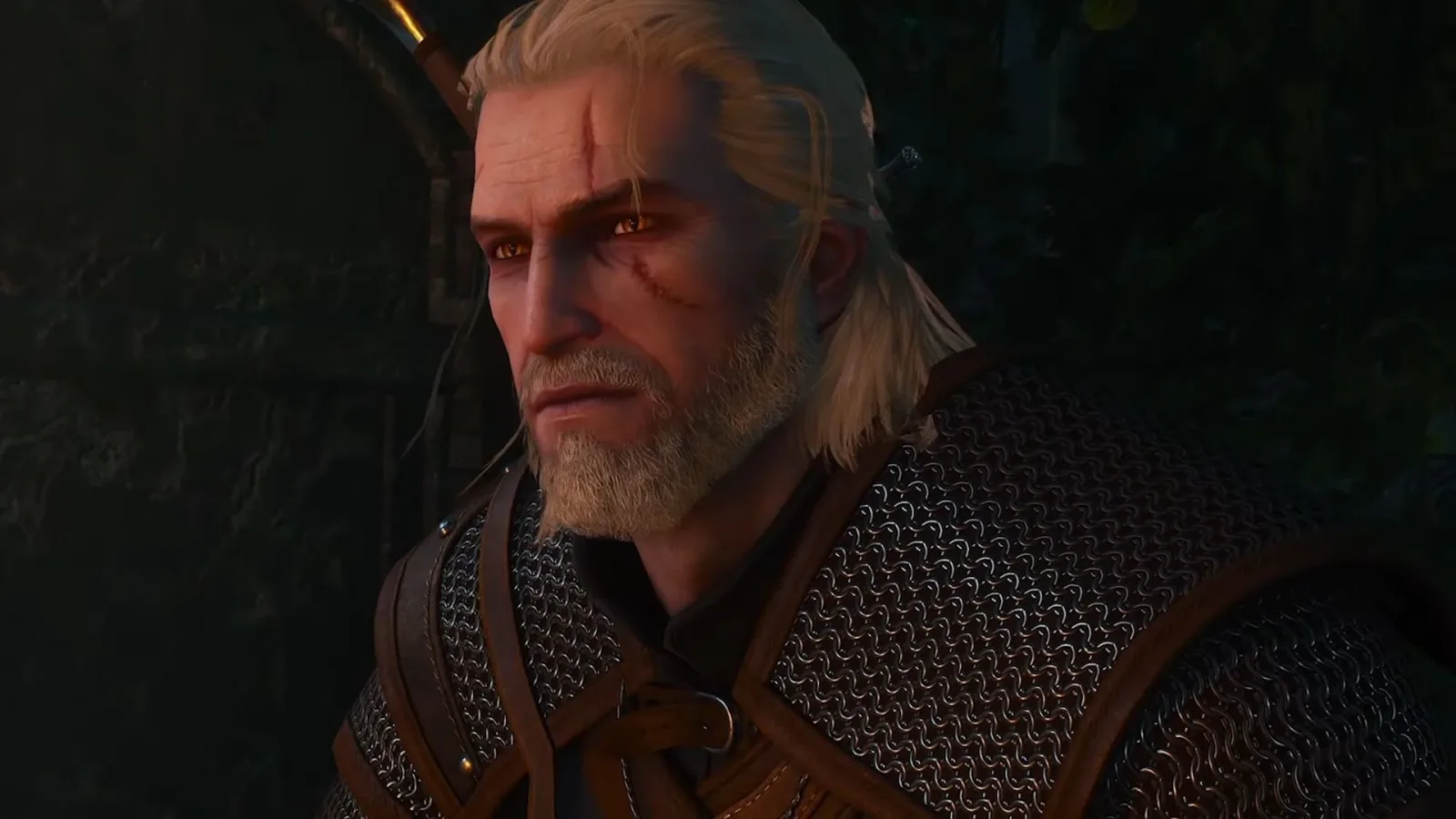
Battle.net is adding two of the biggest role-playing games of the modern era, but Blizzard does not see Cyberpunk 2077 and The Witcher 3 Remastered as the start of an effort to transform its PC launcher into a general-purpose storefront on the scale of Steam or the Epic Games Store.
The pair of CD Projekt Red games were confirmed for Battle.net during BlizzCon 2026. Their arrival continues a noticeable expansion of the games available through Blizzard's platform following Microsoft's acquisition of Activision Blizzard. Yet Andrew Guerrero, Blizzard's vice president of product management and global insight, has stressed that the company's approach is intended to remain selective rather than becoming an open-ended push for third-party catalog size.
"We're obviously not out there trying to do the Steam or Epic Game Store thing," Guerrero said. "We have our audience. We have a passionate core of people that play Blizzard games and games similar to Blizzard, and if something makes sense for them, we'll get after it."
That distinction matters because the presence of major non-Blizzard releases on Battle.net naturally raises questions about where the platform is heading. For years, Battle.net has primarily functioned as the home for Blizzard's own games, from World of Warcraft and Overwatch to Diablo, Hearthstone, and StarCraft. The Activision Blizzard acquisition put the service under the same larger corporate umbrella as an enormous number of games and publishers, creating more opportunities for Battle.net to host titles that would once have seemed unlikely fits.
For useful background on this topic, read Takaya Imamura's AI Game Prototype Sparks Debate Among Nintendo Fans.
Even so, Blizzard's stated goal is not to chase every major PC release, build a marketplace packed with thousands of games, or compete directly through sheer breadth. Instead, the company appears to be choosing high-profile games that have a strong chance of resonating with people already invested in the kinds of experiences associated with Battle.net.
Why CD Projekt Red's RPGs fit Battle.net's audience
Cyberpunk 2077 and The Witcher 3 Remastered are not Blizzard games, but the logic behind their selection is relatively easy to see. Both are expansive RPGs built around long-form progression, major narrative campaigns, detailed worlds, and the potential for players to spend dozens or even hundreds of hours exploring their systems. That audience has substantial overlap with players who enjoy sinking time into Diablo builds, World of Warcraft characters, or Blizzard's other long-running PC communities.
The games also carry the sort of prestige and broad recognition that can make an addition to Battle.net feel meaningful without requiring the platform to dramatically widen its scope. CD Projekt Red's RPGs are established blockbuster experiences, not experimental picks intended to fill out an enormous digital shelf. Their addition can give Battle.net users more choice while keeping the service's identity centered on major, polished games with deep engagement.
Guerrero described that decision-making process as a focused evaluation of what Battle.net players would genuinely appreciate, whether a game represents a top-tier experience, whether it could benefit from greater exposure, and whether the overall partnership makes sense. In other words, curation--not volume--is the stated priority.
"It's a much more focused approach, I'd say, of 'What do we think our players would absolutely love? What are the top-tier quality experiences out there that we might be able to get some more exposure to, and does it make sense?'" Guerrero explained.
That leaves plenty of room for Battle.net to continue adding games without changing its fundamental purpose. A curated platform can still host releases from outside Blizzard, especially when those games serve an audience likely to be interested in the same kinds of high-investment PC experiences.
A growing catalog, but not an open storefront
The Witcher and Cyberpunk announcements did not happen in isolation. Battle.net has already become home to titles connected to Bethesda and other publishers since the Microsoft acquisition. Games such as Doom: The Dark Ages, The Outer Worlds 2, and Destiny 2 are examples of releases that can be viewed as complementary to the broader Battle.net user base, even if their genres differ substantially from Blizzard's own lineup.
There are also games on the service with less immediately obvious Blizzard connections, including Crash Bandicoot and Call of Duty. Those examples reflect the business reality of Activision Blizzard's place within Microsoft as much as they reflect Battle.net's audience strategy. Not every game needs to resemble World of Warcraft or Diablo to have a reason to appear there, particularly when it belongs to an organization with shared publishing interests.
But bringing in a few major games and building a true all-purpose PC game store are very different undertakings. Steam's enormous catalog and the Epic Games Store's broader publishing and exclusivity efforts rely on infrastructure and operational commitments far beyond simply listing more games in a launcher. A platform seeking to compete on those terms would need to handle a vast range of developer relationships, product submissions, storefront rules, customer support demands, content reviews, regional issues, updates, and moderation concerns.
It would also mean entering a market where the leading platforms have already established powerful user habits. Steam in particular remains a central destination for PC game discovery, library management, community features, and a huge range of releases from blockbuster publishers to tiny independent teams. Epic has built its own significant presence through its store, publishing efforts, and the wider reach of Fortnite. Trying to match that scale would be expensive, complex, and far removed from Battle.net's historic role.
Blizzard's comments suggest it has little interest in taking on that challenge. Battle.net can instead serve as a more controlled destination: a place where Blizzard's own games remain the foundation, with a limited number of carefully chosen additions that offer clear value to the existing community.
What this means for indie games and smaller releases
The immediate implication is that PC players should not expect Battle.net to suddenly become a major hub for independent development. A fully open storefront is not just a matter of accepting more games. It demands tools, policies, people, and systems designed to support a high volume of releases from creators of every size. It also introduces difficult questions about quality control and moderation at a scale that Battle.net has not traditionally pursued.
That does not mean smaller games could never appear on the platform. A curated strategy still allows for exceptions, and a standout game with a strong fit for Blizzard's players could conceivably be considered. However, Guerrero's comments set expectations clearly: Battle.net is not positioning itself as a place where developers can assume their game will be listed alongside every other release on PC.
For consumers, that could be either a limitation or a benefit depending on what they want from a launcher. Players who value a gigantic catalog and constant discovery will still have obvious reasons to use the existing market leaders. Players who already use Battle.net for Blizzard games may appreciate a smaller selection of prominent outside releases that feel tailored to their interests rather than an overwhelming, unrestricted marketplace.
The Witcher 4 looks like an increasingly logical prospect
Although Blizzard has not announced The Witcher 4 for Battle.net, the arrival of The Witcher 3 Remastered makes the prospect seem increasingly plausible. If CD Projekt Red's current RPGs prove to be a good match for Battle.net's audience and business goals, the next game in the Witcher series would be an obvious candidate for the same kind of partnership.
That remains an inference rather than a confirmation. Battle.net's selective approach means each title is likely to be assessed individually, and no future CD Projekt Red release has been guaranteed for the service. Still, establishing a relationship through two of the studio's best-known games gives Blizzard a clear foundation if it decides that a future Witcher release belongs in its curated catalog.
For now, the key message from Blizzard is restraint. Cyberpunk 2077 and The Witcher 3 Remastered are major additions, and they demonstrate that Battle.net's library can grow beyond the company's traditional first-party boundaries. But the platform is not abandoning its identity in pursuit of an endless catalog. Blizzard wants Battle.net to remain centered on its passionate core audience, adding outside games when they are high-quality, relevant, and capable of feeling at home beside the company's own releases.
That is a narrower ambition than becoming the next Steam, but it may also be a more sustainable one. Battle.net does not need to be everything to every PC player. Blizzard's plan is to make it more useful for the people who are already there.
Community
Discussion
Start the conversation.
No comments have been posted yet.