

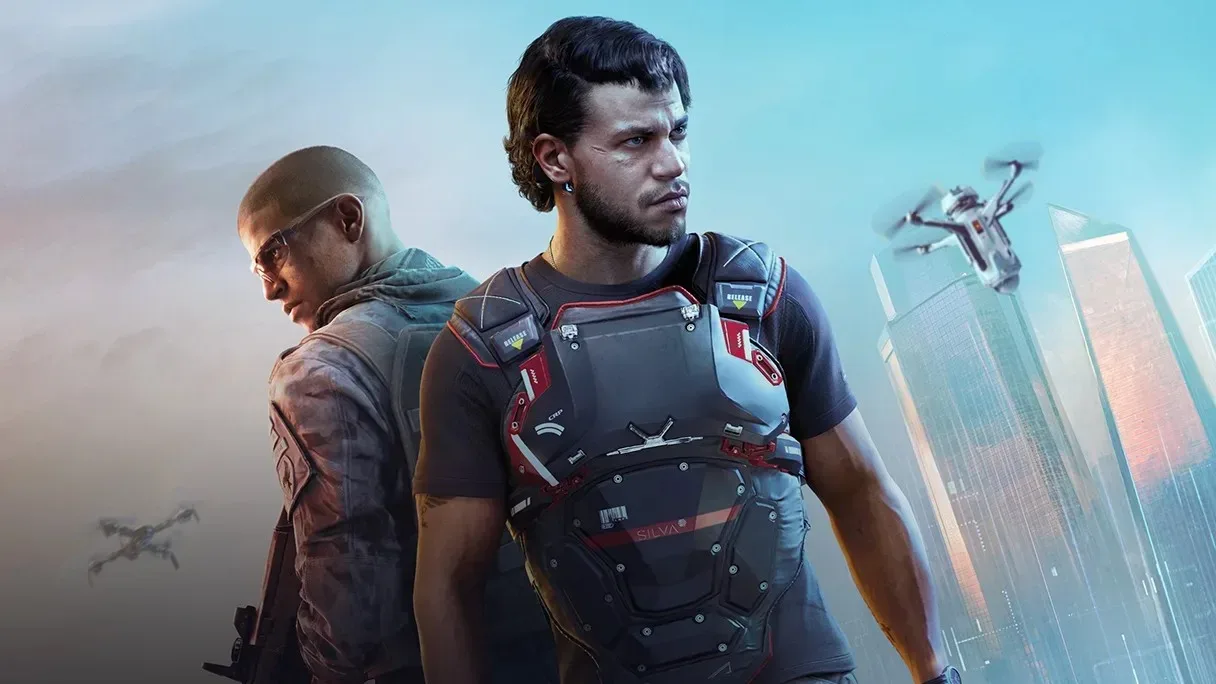
Build a Rocket Boy, the developer behind the troubled action game MindsEye, is reportedly winding down permanently. Several employees have publicly indicated that their jobs at the company are ending, while people familiar with the situation have said the closure is not simply another round of layoffs at an otherwise continuing studio.
The reports arrive after an already difficult period for the company, which is owned by Leslie Benzies and Mark Gerhard. Build a Rocket Boy faced multiple layoffs following the release and poor reception of MindsEye, a game often compared with the open-world crime-game formula. Its later months were also marked by a collective grievance involving the Independent Workers' Union of Great Britain, as well as allegations concerning crunch and unlawful monitoring of employees.
Now, posts from staff members in several departments suggest the business is reaching its final stage. Level designer Liam Shannon, QA analyst Elizabet Tyaneva, release manager Michaela Emslie, and production QA analyst Cameron Deaves have each said over the past day that their employment with Build a Rocket Boy is coming to an end.
Employees describe an end rather than another restructuring
Layoffs have been a recurring part of Build a Rocket Boy's recent history, but the latest statements appear to point to a broader shutdown. Dan Hawkins, the company's principal talent acquisition partner, described himself as being open to new work while saying he would remain with Build a Rocket Boy to help conclude its HR operations.
For useful background on this topic, read BlizzCon 2026 Exclusives and WoW Collector's Edition Restocks Draw Scalping Concerns.
Hawkins wrote that he and his colleagues were approaching the company's final stretch, framing his ongoing role as helping the studio wrap up its remaining work. That language is significant because it suggests the organization is not preparing another development phase, a new project announcement, or a reduced but continuing operation. Instead, the focus appears to be on completing the practical work required as the company winds down.
People familiar with the situation have also said that Build a Rocket Boy is closing its doors permanently. The company had not publicly provided a detailed statement on the reported closure at the time these employee posts emerged, leaving important questions unanswered about the scope of the wind-down, the status of any remaining teams, and what will happen to the studio's projects and technology.
A difficult aftermath for MindsEye
MindsEye was Build a Rocket Boy's most prominent release and became the center of the studio's struggle to establish itself after launch. The game drew widespread criticism, and the company made efforts to improve it in the hope of changing its reception and attracting more players. Those attempts did not appear to reverse the wider problems surrounding the project or the studio.
For another perspective on this story, read Build a Rocket Boy Reportedly Winding Down Permanently After MindsEye and Layoff Turmoil.
For a developer founded around high ambitions and recognizable industry leadership, the apparent closure is a stark outcome. Benzies is a prominent figure in the games industry, and Build a Rocket Boy's work attracted considerable attention before MindsEye arrived. But visibility can create intense expectations, particularly for a studio attempting to launch a major new property in a genre dominated by established blockbuster franchises.
The game's performance and reception were only part of the picture. Build a Rocket Boy had also been dealing with substantial internal pressure. Previous staff reductions left employees facing uncertainty, while the collective grievance led by the Independent Workers' Union of Great Britain brought workplace concerns into public view. Allegations around extended working hours and employee monitoring added to a damaging series of controversies during a period when the studio needed stability.
None of those factors alone explains every aspect of a reported closure, and the company has not publicly laid out a full account of its decisions. Still, the timing makes clear that the wind-down follows a prolonged stretch of commercial, operational, and workplace difficulties rather than a sudden isolated event.
What the closure could mean for staff
The immediate impact is on the people who worked at Build a Rocket Boy. Public posts from staff in design, quality assurance, production, release management, and talent acquisition show that the apparent shutdown is affecting roles across the company rather than a single discipline. As is often the case when a studio closes, employees will now be looking for new positions in an industry that has itself endured widespread cuts and closures.
QA and production workers can be especially vulnerable during a project's final stages, but the apparent inclusion of development, management, recruitment, and HR roles indicates a complete wind-down process. Hawkins' stated intention to assist with HR work until the end also reflects the administrative reality of a closure: even once active game development stops, there may be remaining employment, legal, records, and transition responsibilities to handle.
The industry's recent cycle of layoffs has made such transitions more challenging. Experienced developers, artists, designers, testers, and support staff are frequently entering the job market at the same time, competing for a limited number of openings. The public nature of the Build a Rocket Boy employees' posts may help raise awareness of their availability, but it also underlines how quickly a studio's workforce can be dispersed when a company reaches its end.
Unanswered questions around MindsEye and Build a Rocket Boy's work
The reported closure leaves several practical issues unresolved. It is not yet clear whether MindsEye will receive further patches, support, or planned content following the wind-down. Players who own the game will naturally want to know whether its current availability, technical maintenance, and any promised updates will be affected.
There is also no confirmed information about Build a Rocket Boy's other assets, ongoing initiatives, or intellectual property. A studio closure does not automatically determine the fate of a game or its technology; rights can remain with owners, be sold, be retained by an associated company, or simply remain inactive. Without a formal explanation from Build a Rocket Boy, however, any conclusion about the future of its work would be speculation.
Likewise, there is no confirmed public timeline for when the closure process will be completed. Employee comments indicate that at least some people are still performing end-of-company duties, but they do not establish whether every department has already ceased operations or how long the final administrative work will continue.
A cautionary ending for a high-profile studio
Build a Rocket Boy's reported final chapter is another reminder that launching a major game, even with notable leadership and substantial attention, offers no protection from the risks facing modern game development. Large projects require years of investment, and a difficult release can create problems that extend beyond reviews or player sentiment. Revenue expectations, post-launch costs, staffing needs, and investor confidence can all become decisive.
The situation is particularly sobering because the studio's decline played out alongside concerns raised by workers. The layoffs, grievance activity, and workplace allegations mean the story is not only about one game failing to find an audience. It is also about the people who worked through the company's turbulent period and now appear to be dealing with the consequences of its closure.
For now, the clearest public indication comes from the staff members saying goodbye to Build a Rocket Boy and beginning searches for their next roles. Their messages, combined with confirmation from people familiar with the company's situation, paint a picture of a developer completing its final wind-down rather than preparing a recovery.
Until Build a Rocket Boy issues a full public statement, details surrounding the closure and the future of MindsEye remain uncertain. But the studio that sought to build a new major games brand appears to be nearing its end, leaving its employees, players, and the wider industry waiting for clarity on what follows.
Community
Discussion
Start the conversation.
No comments have been posted yet.