


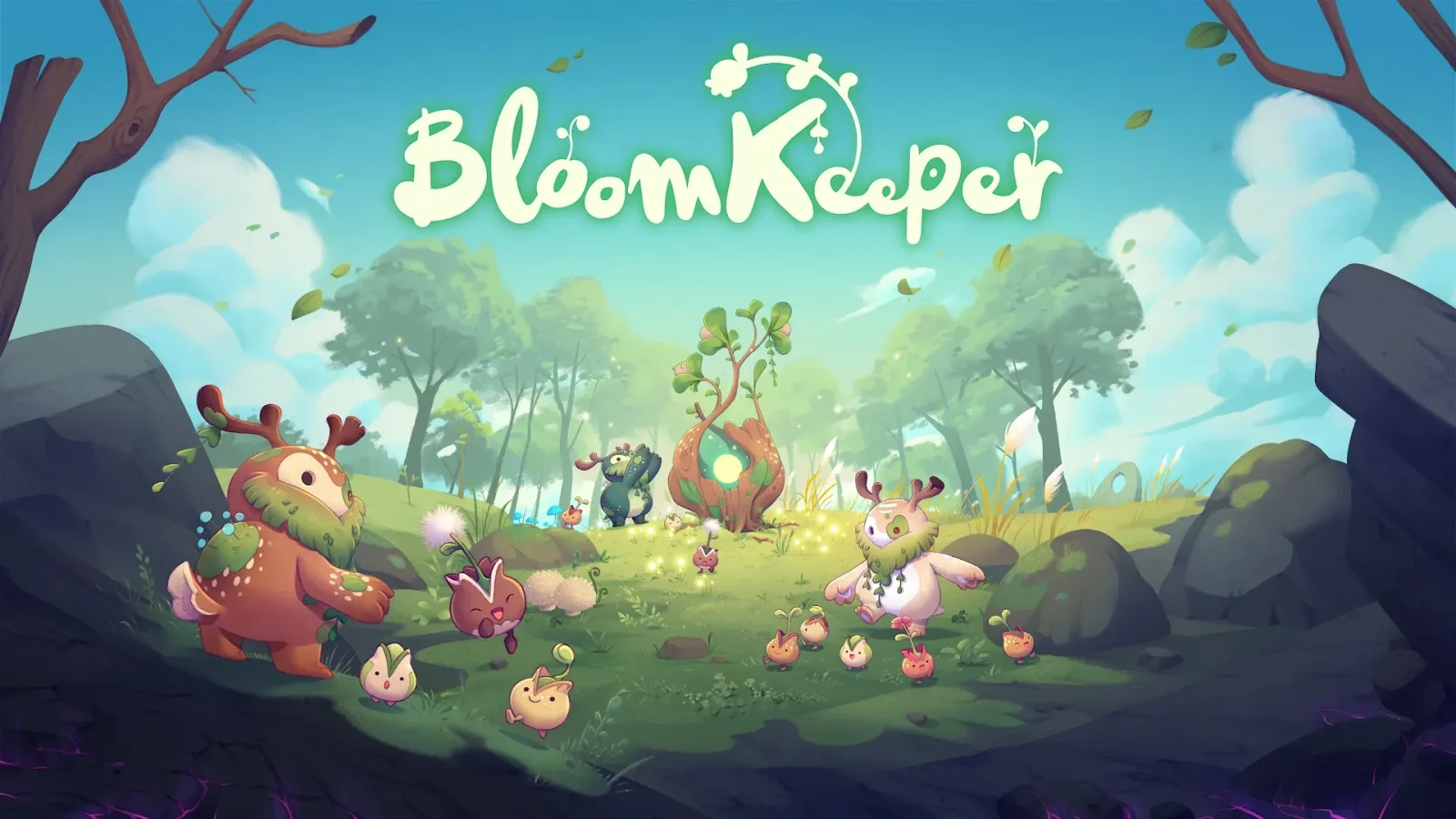
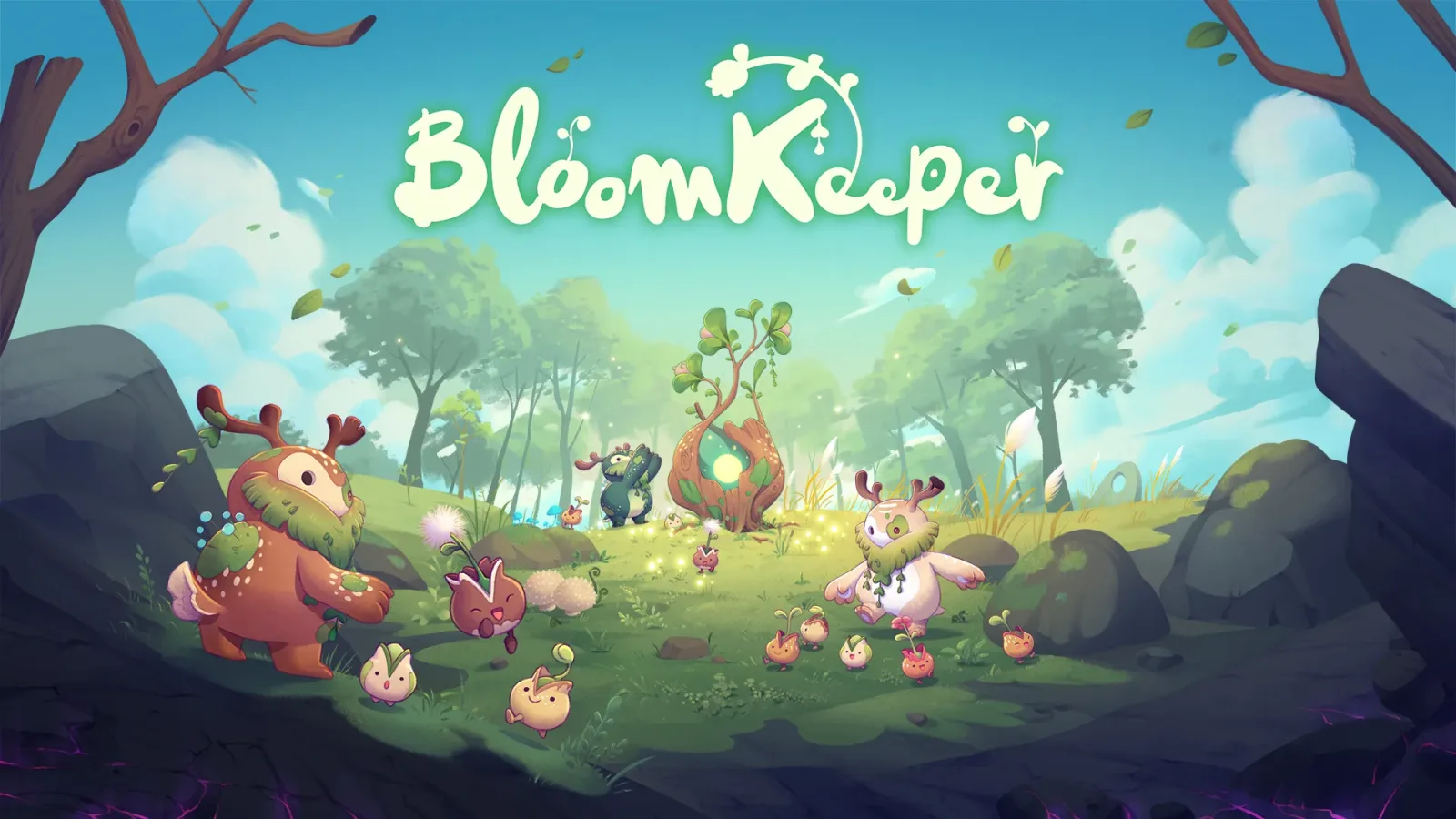
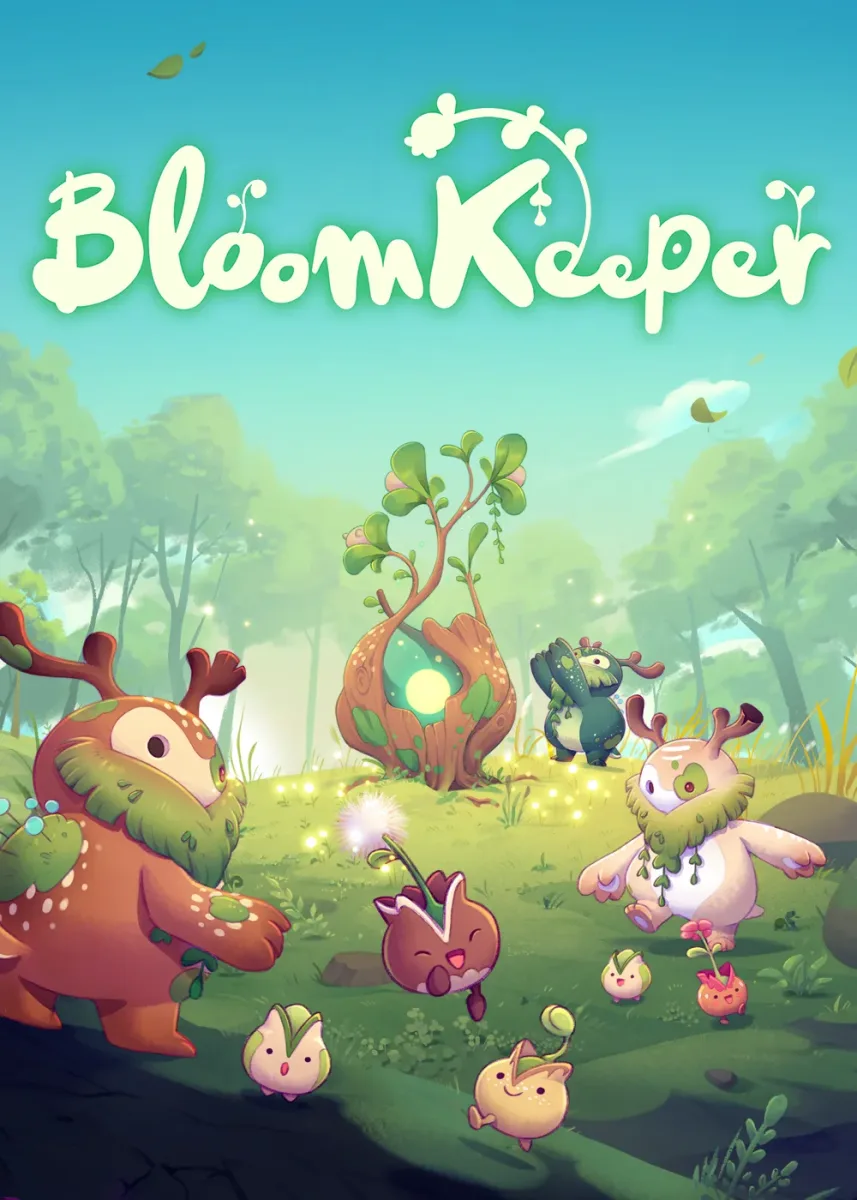
BloomKeeper, the real-time tactical adventure from Resonance Interactive, is now available on Steam. The September 16 launch opens the island of Hedera to players, who take on the role of its Guardian and lead a vulnerable but growing colony of creatures called Pouics through territory ravaged by fire, ash and a spreading corruption.
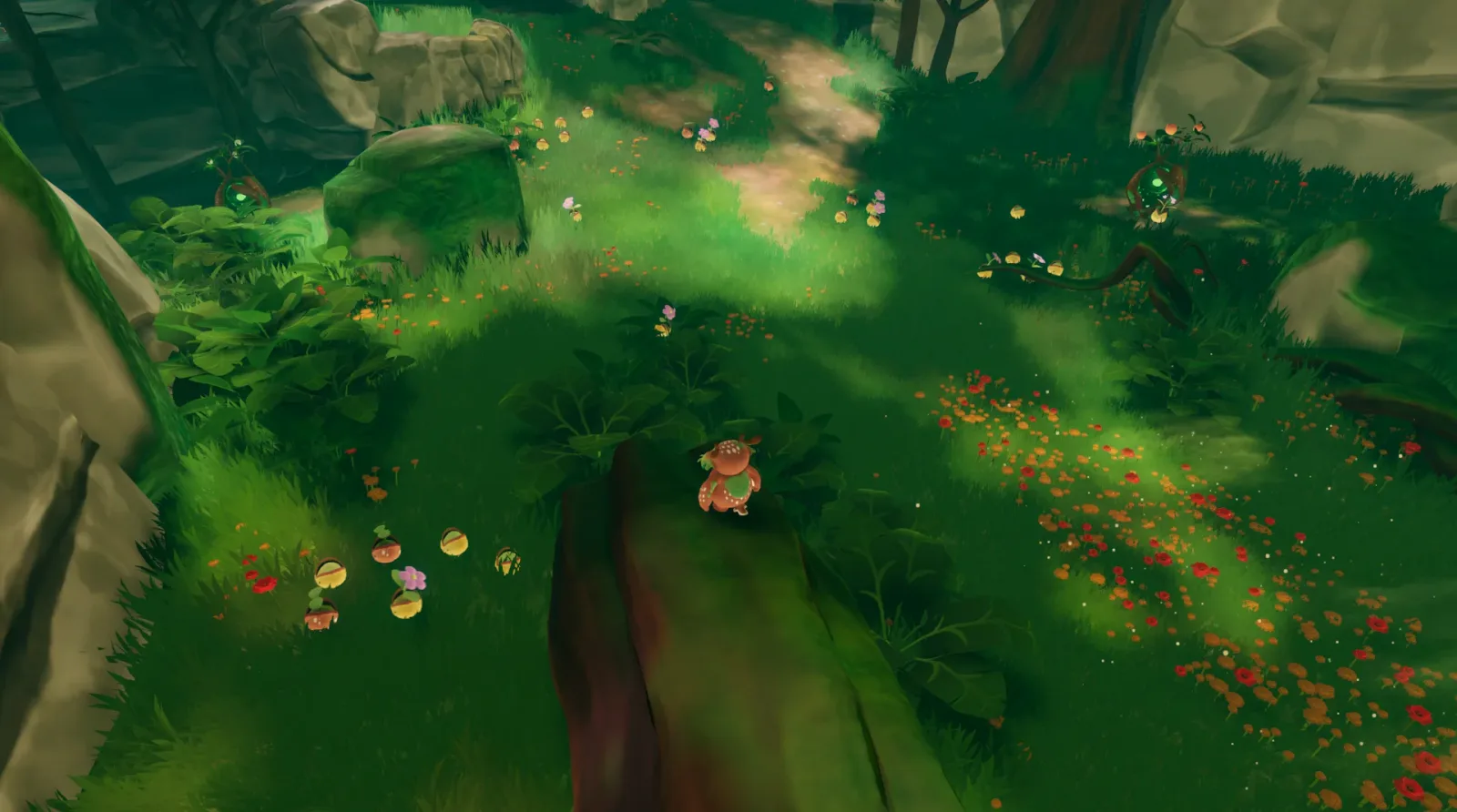
Rather than presenting restoration as a passive reward after a battle, BloomKeeper makes recovery central to its moment-to-moment play. The colony's movement brings vegetation and color back to burned ground, but restoring an area is only part of the job. Players must also hold onto that progress, keep their Pouics together and choose safe routes through terrain that can rapidly become more dangerous.
Resonance Interactive has also released a launch trailer alongside the Steam version, offering another look at Hedera's damaged environments, the colony-management gameplay and the hazards that can turn a successful expedition into a struggle to contain the island's decline.
A tactical journey across a wounded island
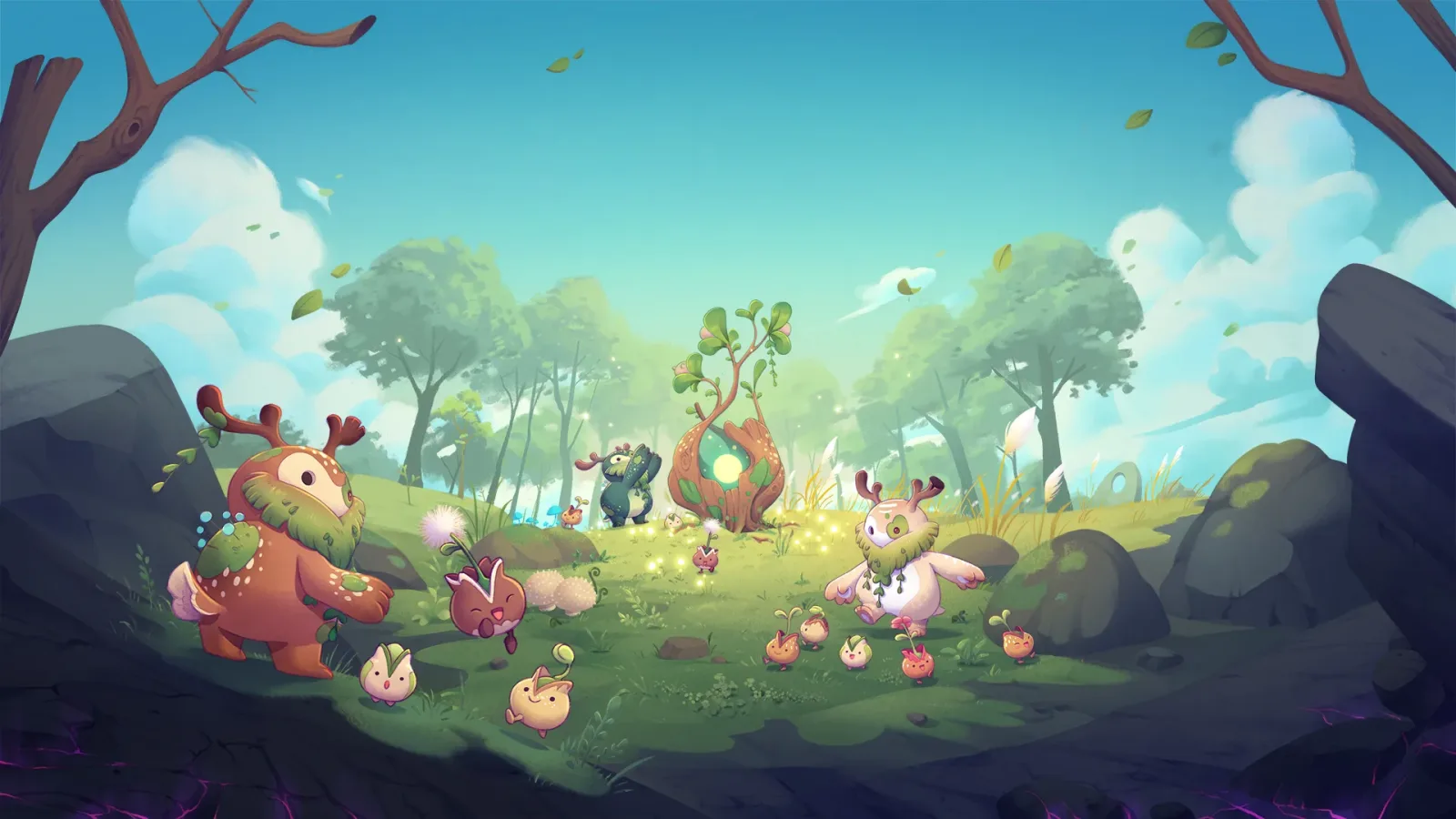
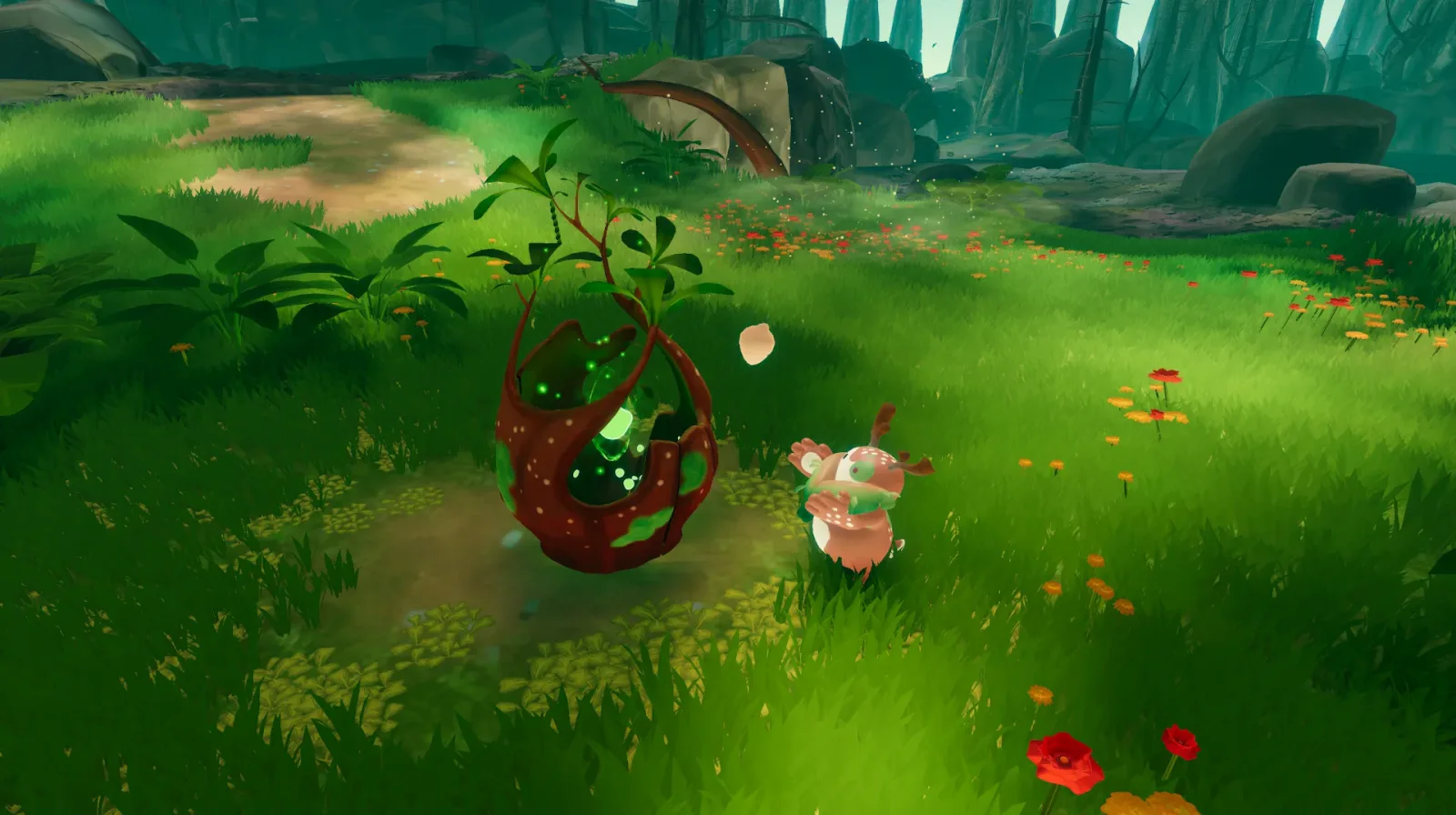
Hedera begins in a bleak state. Its regions have been consumed by ashes, and the small Pouics depend on the Guardian to move forward, find safer ground and gradually reclaim what has been lost. As the colony advances, the land can visibly change: scorched areas give way to renewed plant life, making each push across the island part exploration challenge and part restoration effort.
For useful background on this topic, read House Flipper 2 + Sakura DLC Physical Edition Heads to Nintendo Switch 2 on December 4.
That forward movement is complicated by a threat that does not stand still. Corruption spreads through each region, creating hazardous zones that become more threatening as players get closer to their source. The result is a game built around competing needs. It may be tempting to press deeper into a level to reach an objective or unlock a route, but doing so can leave previously restored territory exposed.
Players will need to assess where the colony can travel safely, which spaces are worth securing, and when to slow down to protect the gains they have made. Terrain is a major part of that decision-making. Cliffs, lakes and other natural obstacles affect navigation, while environmental features can be used to help defend restored ground. The island is therefore not merely scenery around the colony; it is a tactical tool as well as a constant source of limitations.
The Pouics are both the mission and the resource
At the center of BloomKeeper are the Pouics themselves. These small creatures are the group players guide through Hedera, and their wellbeing determines how effectively the island can be restored. Finding and gathering more Pouics can make the colony more capable, including opening up routes and improving its ability to move through the world.
For another perspective on this story, read BloomKeeper Is Now on Steam, Sending Players to Reclaim a Corrupted Island With a Growing Pouic Colony.
More Pouics also mean more responsibility. A larger group is harder to keep organized and protect against the changing conditions of each area. Players must watch for hazards that can separate the colony, disrupt its movement or place part of the group in danger. In a real-time tactical setting, that creates pressure to react quickly without losing sight of the larger route and restoration plan.
The game's danger escalates when Pouics are lost to corruption. Those claimed by it can become Malpouics, hostile creatures that strengthen the threat rather than simply removing resources from the player. Their presence helps the scorched zones spread faster, increasing the difficulty of keeping the situation under control. A setback can consequently reshape an entire run, changing which routes are viable and forcing the Guardian to shift from expansion to containment.
This relationship gives BloomKeeper's colony guidance a notably high stake. The player is not just managing a numerical population or collecting units to satisfy an objective. The size, location and safety of the colony directly influence the state of the island, while mistakes can feed the same corruption the player is attempting to overcome.
"With BloomKeeper, we wanted restoration to feel like an active part of the challenge, where bringing nature back and protecting the Pouics are directly tied to the decisions players make," said Valentin Livi, Creative Director at Resonance Interactive.
Changing priorities from run to run
BloomKeeper's corruption is designed to evolve in response to player progress. This means that a journey through the same region may not always demand the same priorities. Route decisions, the number of Pouics under the Guardian's care, the safety of the group and the areas selected for restoration can all alter how a run develops.
That reactive structure is important to the game's tactical identity. It suggests players cannot rely entirely on a single learned path or a fixed solution. A route that feels efficient at one point may become risky if corruption gains ground elsewhere, while an effort to build a larger colony may introduce new management problems that change the pace of an expedition.
Environmental recovery also appears to have a practical as well as visual role. Watching grass, plants and life return to Hedera provides a visible record of the player's work, but restored territory must still be considered in relation to the spreading danger. The Guardian's task is not only to create islands of safety. It is to determine how those safe spaces connect, how they can be preserved and how far the colony can reasonably travel before conditions turn against it.
For players drawn to strategy games that value adaptation, the premise places an emphasis on reading the current state of the map. The immediate challenge may be moving a scattered group around a lake, preventing a disaster near a cliff or selecting a way through a compromised zone. The wider challenge is maintaining momentum while the game continually asks whether the colony's gains are secure enough to support the next advance.
Solo play or coordinated online co-op
BloomKeeper supports solo play as well as online cooperative sessions for up to four players. Playing alone puts every aspect of the colony's direction, route planning and crisis response in one person's hands. That mode is positioned as a way to approach each region at an individual pace, with time to make careful choices about the Pouics and the spreading corruption.
Online co-op changes the nature of those decisions. With as many as four players managing the situation together, communication and coordination become part of the tactical challenge. The group must respond collectively when the colony is endangered or when the changing landscape calls for a new plan. The game's real-time structure means that agreement matters: hesitation or conflicting priorities could make an already unstable situation harder to resolve.
The cooperative option also fits the game's core theme. Restoring Hedera is framed as an undertaking involving an entire colony, and co-op extends that shared responsibility to the players. Success will depend on more than simply dividing attention across the screen; teams will need to decide which threats require immediate action, when the group is ready to press onward and what territory cannot be allowed to fall back into danger.
What Steam players can expect from BloomKeeper
BloomKeeper arrives with a clearly defined blend of genres and systems. It combines real-time tactical decision-making with exploration, colony guidance and environmental restoration, all tied together by the dynamic growth of corruption across Hedera. Its most distinctive tension comes from the fact that progress creates further responsibilities: expanding the colony can offer new possibilities, yet makes that colony more difficult to manage; restoring the landscape establishes safer ground, yet demands continued protection.
- Real-time tactical adventure: Direct a colony while reacting to hazards and a changing map.
- Environmental restoration: Transform ash-covered land as the Pouics move across Hedera.
- Dynamic corruption: The advancing threat changes in response to progress and can alter each run's priorities.
- Colony management: Gather Pouics to access opportunities, while facing the risks of protecting a larger group.
- Malpouics: Lost Pouics can become hostile forces that accelerate the spread of corruption.
- Solo and online co-op: Play alone or work with up to three additional players online.
Resonance Interactive says the project has been years in the making. Livi described the Steam release as the point at which the team can finally let players explore Hedera and decide for themselves how to bring the island back to life.
BloomKeeper is available now on Steam for PC. For players interested in a tactical game where protecting a group, reclaiming territory and responding to a living threat are inseparable, Hedera's recovery offers a new challenge built around careful movement, rapid adaptation and the fragile future of the Pouics.
Community
Discussion
Start the conversation.
No comments have been posted yet.