

Call of Duty: Modern Warfare 4 is set to launch on October 23, 2026 for PC, PlayStation 5, Switch 3, and Xbox Series X. Developed by Infinity Ward and published by Activision, the new entry is positioned as a major turning point for the rebooted Modern Warfare storyline that began in 2019. Early campaign impressions suggest it is also one of the more ambitious single-player efforts the series has produced in years: an explosive military thriller with memorable set pieces, surprising losses, a sharply uneasy view of its heroes, and a frustrating tendency to punish players for stepping even slightly outside its intended path.
Only the campaign has been evaluated so far, meaning there is still no verdict on Modern Warfare 4's multiplayer, cooperative offerings, progression systems, or post-launch plans. But based on the story mode alone, Infinity Ward appears to be aiming for closure. The campaign is said to bring together nearly a decade of narrative threads and characters while trying to resolve the moral questions at the center of the modern reboot: when soldiers have the power to act outside official boundaries, who gets to decide where justice ends and wrongdoing begins?
Seoul Opens the Story With a Sense of Normality
Modern Warfare 4 reportedly begins in Seoul, initially presenting a remarkably ordinary city scene. Civilians go about their routines, shops are stocked, conversations drift through the streets, and Wu-Tang Clan's C.R.E.A.M. plays in the background. It is an unusual opening beat for a franchise famous for beginning with disaster, but the calm does not last. North Korean forces launch an attack, quickly pushing the game into familiar Call of Duty territory.
The contrast is important. Rather than treating a location as little more than a combat arena, the opening is described as establishing a convincing sense of place before violence dismantles it. There is still the expected Call of Duty oddity--players can apparently wander into a convenience store and throw punches at snack displays while bystanders carry on--but the broader effect is to make the escalation feel more immediate.
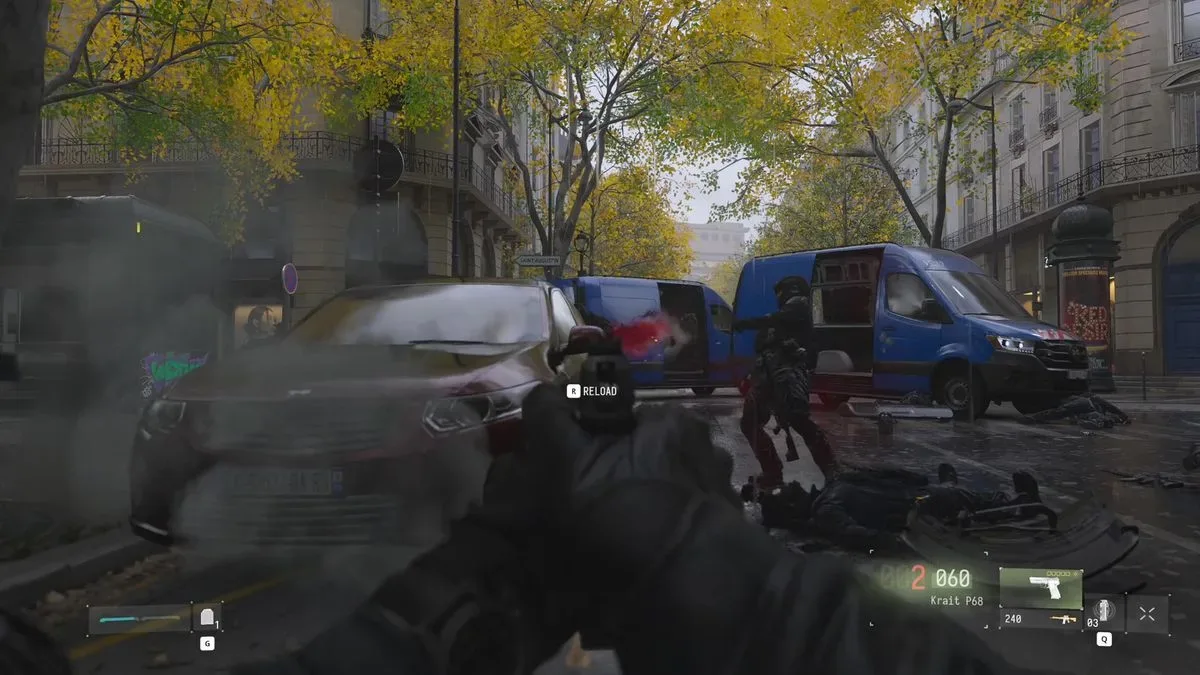
That confidence in setting reportedly continues through the campaign. Modern Warfare has long been at its best when it grounds globe-spanning action in specific, recognizable places before turning them into war zones. The new game seems eager to use that formula, from Seoul to Paris and the North Korean countryside, while delivering the frantic pace expected from Infinity Ward's take on the military shooter.
A Conclusion That Does Not Protect Its Characters
The campaign's greatest narrative strength may be its willingness to make consequences feel permanent. Modern Warfare 4 reportedly clears away a number of lingering threads left by 2023's Call of Duty: Modern Warfare 3, which had a notably divisive reception. It does so in a brutal fashion, with beloved characters dying suddenly and without much room for sentimentality.
These deaths are not treated as easily reversible cliffhangers. The game is said to linger on the aftermath, emphasizing that the people lost during the campaign are not simply being parked for a later update or another sequel. That approach gives the story an unusually final quality for a series built around recurring faces, shifting alliances, and ever-expanding conflicts.
New additions help fill the resulting void. Mads Mikkelsen is described as an entertaining major antagonist, while Lanny Joon's performance as Ko stands out in particular. Luke Tennie also appears in the cast. The newer characters may not all receive extensive development--the story moves too quickly for that--but their performances and immediate roles appear strong enough to make an impact amid the constant movement between firefights.
Exposition is delivered in motion: between encounters, during ammunition scavenging, and in the brief quieter periods where players regroup. That breathless structure has always been part of Call of Duty's campaign identity. Here, it seems to work because the plot is not merely moving from one spectacle to the next; it is steadily pushing its cast toward a reckoning.
Captain Price Faces His Darkest Campaign Yet
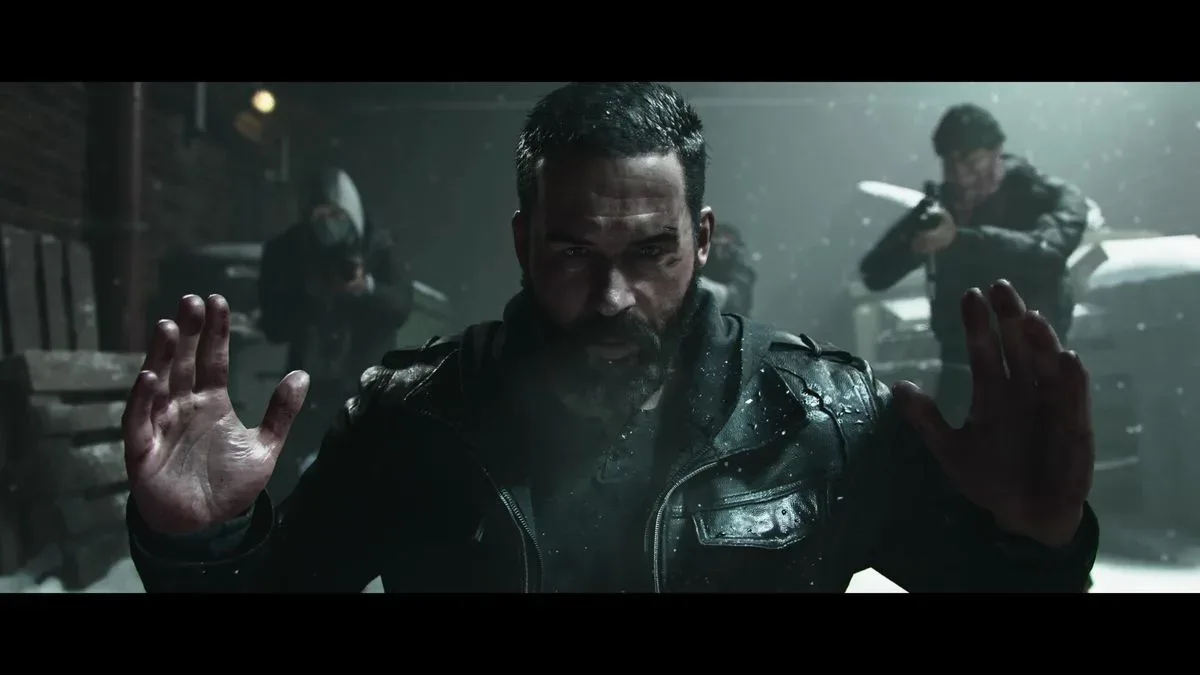
John Price remains central to that reckoning. After assassinating General Shepherd in Modern Warfare 3, Price is now on the run. He has grown a full beard, replacing his long-established moustache, but the cosmetic change is the least significant part of his transformation. Modern Warfare 4 reportedly asks players to confront a version of Price who is no longer easy to regard as an uncomplicated hero.
There are moments involving violent interrogations, clashes with supposed allies on the streets of Paris, and situations where former squadmates can become targets. Price's behavior is deliberately uncomfortable. He can come across as cruel, but the campaign's point seems to be that the player should not be entirely comfortable with his choices--or with the choices they are asked to make alongside him.
One especially striking mission places players in the role of a North Korean soldier searching for a dissident in a small village. The level reportedly allows some latitude in how ruthless the player chooses to be, creating one of the more morally challenging scenarios in recent Call of Duty campaigns. Its impact is somewhat undercut by the familiar need to hunt for collectibles, an activity that can feel at odds with the severity of the situation. Still, the mission reflects a broader willingness to place players on uncertain ethical ground rather than offering a narrow, unquestioned perspective.
Big-Screen Action Is Still Infinity Ward's Specialty
For all its interest in moral ambiguity, Modern Warfare 4 is still a Call of Duty campaign, and its major action sequences are said to be among its best assets. An early standout involves tracking a target through a nightclub before the stealthier approach collapses into open combat. The mission's staging draws clear inspiration from action cinema, including a bouncer whose confident weapon-handling animation evokes Henry Cavill's famous reload in Mission: Impossible - Fallout.
The club itself escalates into an intentionally heightened arena of floor-to-ceiling displays and gunfight-friendly architecture. It may not resemble a realistic venue, but it serves the needs of an action sequence with the stylized energy of films such as John Wick: Chapter 2. The important distinction is that these inspirations reportedly feel less like simple imitation and more like the work of a team enthusiastic about action filmmaking and eager to translate that energy into playable scenes.
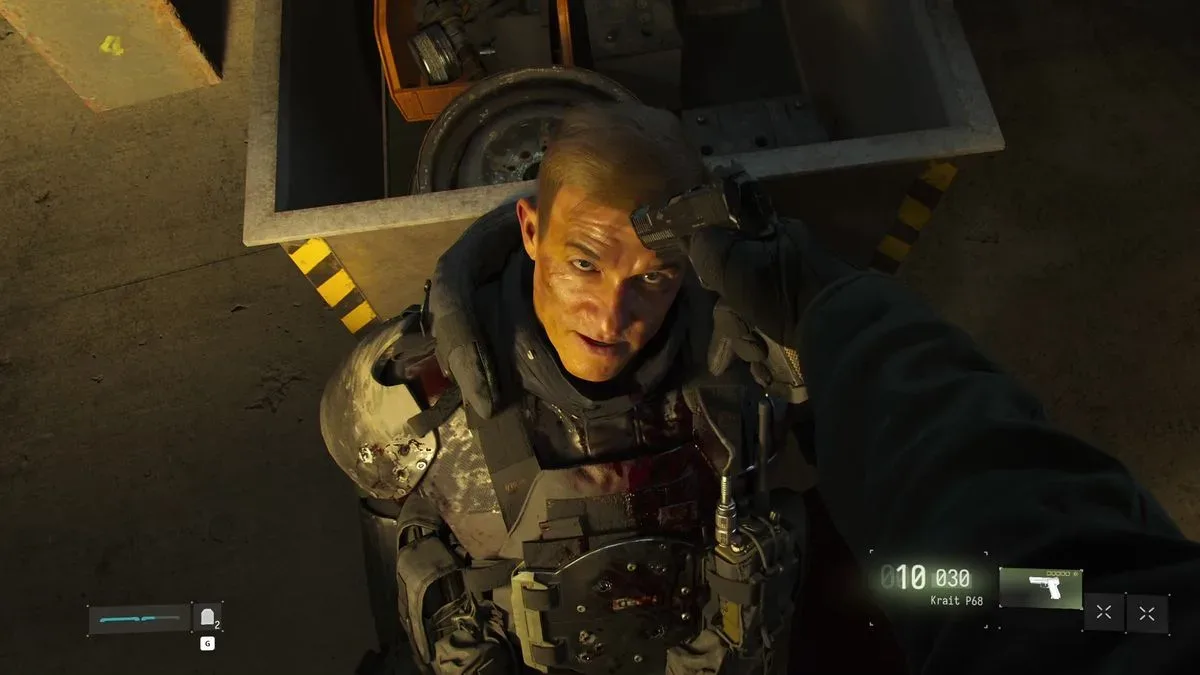
The campaign's apparent highlight is a mission named Stranded. Players begin with only a pistol in North Korea and are left to build an arsenal by exploring the surrounding area. Points of interest can be approached on foot, equipment can be gathered gradually, and objectives can be tackled with more freedom than is typical for the series. Fast travel is available for those who want to move directly from task to task, but the mission is designed to reward exploration.
Stranded sounds like a compelling proof that Call of Duty's traditional formula can accommodate a broader structure without losing its momentum. It retains the intensity of the series' combat but gives players more control over preparation, approach, and pacing. That makes what follows especially disappointing.
Freedom Gives Way to Familiar Restrictions
After Stranded's more open design, the campaign reportedly sends players into an amphibious assault on Seoul. The sequence is intended as a full-circle moment, recalling the franchise's history of large-scale beach landings dating back to its World War II origins. As a pure military-action fantasy, it sounds impressive: players advance against an overwhelmingly defended urban shoreline in a scene built for spectacle.
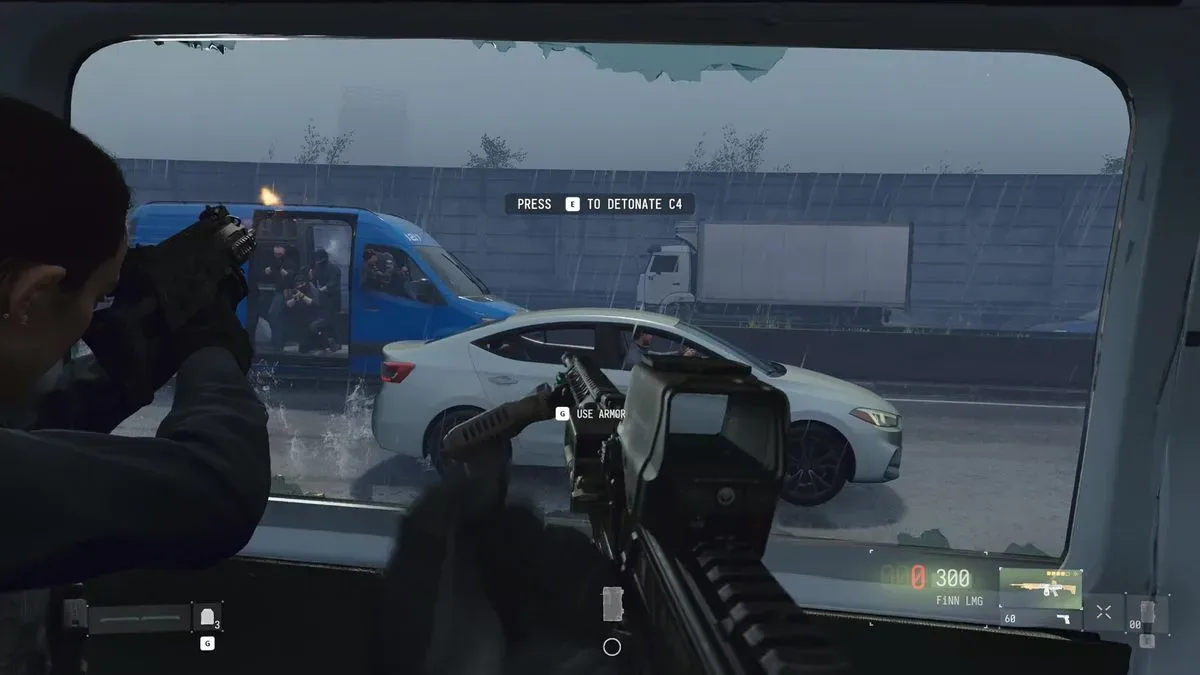
However, it also illustrates Modern Warfare 4's most persistent problem. Stray too far from the designated leader and the game can instantly end the mission, accompanied by a message instructing the player to return to the squad. The result is a sharp loss of agency immediately after a mission that suggested Infinity Ward might be loosening its grip on the player.
This rigidity apparently appears throughout the campaign. In one low-visibility sequence following a plane crash, merely trying to orient oneself can result in failure for abandoning the team. In another encounter, vaulting a low fence to avoid incoming fire can trigger a warning about leaving the mission area, followed by another game-over screen before health has fully recovered. These are small moments individually, but they can be disruptive in a fast shooter where improvisation ought to be rewarded.
Modern Warfare 4 also remains severe about civilian casualties. Shooting an innocent can produce an immediate failure even when civilians are caught in chaotic combat spaces and enemies do not seem to face comparable restrictions. That tension may suit the game's desire to challenge player morality, but it can become more irritating than thought-provoking during high-speed encounters, particularly in situations involving automatic weapons and moving vehicles.
An Encouraging Start for the Single-Player Campaign
Even with those frustrations, the campaign's early assessment is overwhelmingly positive. Modern Warfare 4 reportedly understands why Call of Duty campaigns still matter at a time when major shooters are often judged primarily by online communities, seasonal content, and hours watched on streaming platforms. A tightly constructed action story can still leave an impression when it has the confidence to deliver spectacle, take risks with established characters, and question the assumptions behind its own military fantasy.
The campaign may be aggressively linear when it should be flexible, and its civilian-failure rules sound particularly aggravating. Yet Infinity Ward's strongest missions appear to demonstrate a path forward: cinematic action with stronger performances, more uncomfortable choices, and occasional room to let players shape the encounter instead of simply following markers.
With the full release arriving October 23, Modern Warfare 4 has positioned its story mode as more than a routine prologue to multiplayer. If the rest of the package can match the campaign's best moments, Infinity Ward may have delivered a fittingly dramatic end to this chapter of Modern Warfare.
Community
Discussion
Start the conversation.
No comments have been posted yet.