

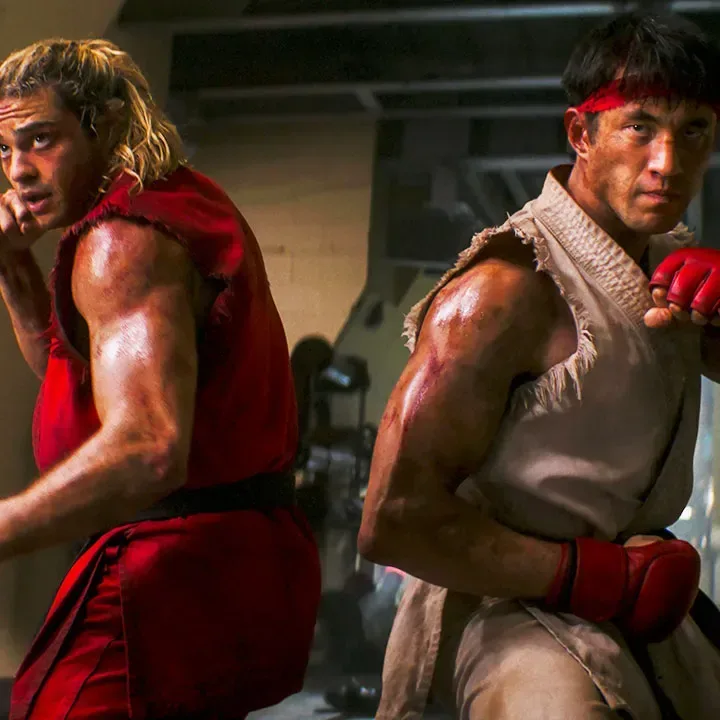
Capcom is standing behind its wider entertainment strategy following the theatrical debut of its new Street Fighter film. In an investor relations update dated November 2, the publisher highlighted the movie's strong opening-weekend performance and reaffirmed its intention to extend its game properties into other forms of entertainment, including movies, live events, merchandise, collaborations, and esports.
The announcement arrives at an interesting point in the movie's box-office run. The Capcom and Legendary production reportedly opened at number one, demonstrating that the long-running fighting-game series still has substantial name recognition beyond its core player base. Yet the movie then experienced a severe fall in its second weekend, dropping 72%. Estimates place its worldwide total at roughly $91.9 million against a reported production budget of $80 million, a figure that does not include the potentially considerable costs of marketing and distribution.
That trajectory makes the financial case for an immediate sequel less straightforward than the opening weekend initially suggested. Still, Capcom's latest comments indicate that the company is looking beyond whether one film alone becomes a clean theatrical success or failure. The publisher's focus is on using adaptations and promotional efforts to make its game brands more visible, reach new audiences, and create opportunities across several different businesses.
What Capcom Means by "Single Content Multiple Usage"
Capcom has described this approach as its Single Content Multiple Usage strategy. The idea was outlined in the company's 2023 integrated report, where Capcom presented its valuable catalog of game properties as content that can be deployed across multiple platforms and media formats. Games remain the foundation, but the plan also includes turning popular franchises into films, stage productions, and other non-game entertainment.
For useful background on this topic, read South of Midnight Director Reflects on Xbox Funding: 'In Hindsight... It Was Unsustainable'.
In practical terms, that means a property such as Street Fighter can be supported by far more than a new entry on console and PC. A theatrical release can lead into promotional tours, premiere events, crossover content in other games, branded merchandise, tournament activity, and public-facing campaigns. Each piece can theoretically introduce the series to people who do not currently play fighting games, while giving existing fans new ways to engage with the brand.
Capcom said the Street Fighter movie release was accompanied by a worldwide promotional tour, premiere events in Japan and the United States, and collaborations involving game titles. The company believes those activities helped the film gain global attention. Its broader position is that multifaceted use of its extensive game portfolio can support sustainable growth and improve corporate value over time.
That does not necessarily mean every Capcom series is headed to theaters. Nor does it confirm another Street Fighter movie. What it does make clear is that Capcom sees cross-media expansion as a continuing business priority rather than a one-off experiment tied solely to this release.
A Franchise Built for Crossovers and Spectacle
Street Fighter is a particularly natural fit for this approach. The series has spent decades creating recognizable fighters, visual styles, special moves, rivalries, stages, and musical identity. Even people who have never entered a ranked match can often identify characters such as Ryu, Chun-Li, Guile, Ken, or Zangief. That recognition is useful when moving from competitive games into a moviegoing setting, where an adaptation has only a limited amount of time to establish its world.
The franchise is also closely connected to live competition. Capcom's fighting games have long occupied an important role in the tournament scene, and the company has continued to invest in official competitive initiatives. A film can act as a marketing spotlight for that ecosystem, while esports and community events can keep interest active after the initial theatrical campaign has passed.
There is also room for game collaborations and promotional content. Fighting games, in particular, are well suited to character costumes, themed cosmetics, special event modes, guest appearances, and crossover campaigns. Those efforts do not replace a major new game release, but they can keep a franchise visible between larger launches and connect its different audiences.
Sequel Talk Remains Uncertain
Despite Capcom's commitment to broader media use, a sequel to the current film has not been formally confirmed. The box-office decline has complicated expectations, especially given the reported budget and the additional expenses usually attached to a global theatrical campaign. The eventual financial picture will depend on more than ticket sales alone, including international performance, home entertainment, streaming arrangements, licensing, and other revenue sources.
However, members of the film's cast have expressed enthusiasm about returning. Olivier Richters, who played Zangief, said that the cast had signed on for three movies. He explained that the first installment was designed to offer only a glimpse of Zangief's strength, with the prospect that the character could receive a larger showcase if another film is made.
Richters' comments also help explain the movie's large ensemble and its decision to hold back some fan-favorite fighters. A two-hour film with a roster as wide as Street Fighter has to divide its attention among many personalities. That can leave characters with limited screen time, but it also creates a structure that could support subsequent chapters if the series continues.
The film's ending, which leaves major room for a follow-up, similarly suggests that its creators were thinking beyond a single standalone project. That ambition does not guarantee a second installment, of course. Studios and partners will ultimately make that decision based on the movie's complete commercial performance and the perceived value of continuing the property.
Fans and Critics Have Not Seen the Film the Same Way
Audience reaction to the movie has generally been more favorable than its critical reception. Many viewers have responded positively to its comedic tone, energetic fight-driven presentation, and willingness to embrace the heightened spirit of the games. That sort of broad, playful approach can be especially appealing for an adaptation based on a series known for exaggerated attacks, colorful personalities, and larger-than-life action.
Critical response has been more mixed. Reviewers have recognized the enthusiasm of the cast and the film's unruly energy, while also pointing to issues with narrative focus. That tension is familiar for video-game adaptations built around extensive rosters: serving recognizable characters and iconic moments can sometimes compete with the need to tell a tightly structured story for viewers who may not know the games.
For Capcom, though, a mixed critical response does not erase the potential brand value of the release. A movie can generate discussion, raise awareness of the games, encourage old fans to revisit the series, and expose its characters to audiences who may never otherwise encounter them. That is the wider logic behind the company's strategy.
Capcom's Catalog Offers More Than One Path Forward
Street Fighter is only one part of a library that includes globally recognized series such as Resident Evil, Monster Hunter, Devil May Cry, Mega Man, and Onimusha. These franchises differ dramatically in genre and audience, but that variety is an advantage for a publisher considering cross-media projects. Horror, action, fantasy, competitive fighting, and family-oriented adventure can each support very different kinds of adaptations and partnerships.
Capcom's statement does not reveal which property, if any, might be next in line for a movie or another non-game production. It instead establishes a direction: the company wants to keep extracting value from its intellectual property across multiple formats. Films are part of that plan, but so are events, promotions, merchandise, game collaborations, and competitive gaming.
For players, the most important question will be whether this expansion remains connected to strong game development. Capcom's strategy is built on the continued relevance of the games themselves. Cross-media visibility may bring new fans through the door, but new releases and ongoing support are what give those fans a reason to stay.
The new Street Fighter movie's ultimate box-office outcome remains to be seen, and the path to a sequel is not guaranteed. Even so, Capcom's November update sends a clear message: the company views the film as part of a larger, long-term effort to turn its best-known game worlds into entertainment brands that can live well beyond the screen where players first met them.
Community
Discussion
Start the conversation.
No comments have been posted yet.