

Developers experimenting with Pokémon fan games and ROM hacks say they are running into a new obstacle: Claude, Anthropic's AI assistant, is reportedly beginning to reject requests connected to Pokémon-branded projects. The change appears to cover more than simply generating familiar character art. Users have encountered refusals involving the recreation of a Pokémon game, the use of Pokémon names and mascots, and work intended for fan-made projects built around the franchise.
The development matters because generative AI has become part of the workflow for some hobbyist game creators. It can be used for brainstorming, writing dialogue, troubleshooting code, organizing design documentation, or producing prototype assets. That use has been especially visible in the Pokémon fan-game space during 2026, where projects ranging from small experiments to more ambitious releases have openly discussed AI-assisted production.
Yet Pokémon is also among the most heavily protected brands in games. Fan works occupy an inherently complicated position: many are non-commercial passion projects, but others accept donations, place material behind supporter programs, or otherwise create financial incentives around a property they do not own. The apparent Claude restrictions bring that tension into sharper focus, particularly for creators who had come to depend on the tool during development.
What Claude is reportedly declining
Tests of Claude shared by users indicate the assistant will not help make a game that recreates a specific Pokémon title, even if that project is presented under a different name. It also reportedly refuses requests to draw, code, or otherwise use recognizable Pokémon characters and designs, including Pikachu, and it will not use Pokémon branding, logos, names, or mascots in generated work.
For useful background on this topic, read Insector X Gets an Unofficial Amiga Port Built Through Static Recompilation.
That is a broad practical limitation. A request for a complete Pokémon-style experience can touch many protected elements at once: creature designs, battle systems, item names, region concepts, graphics, narrative structure, and references to the original games. Some of those ideas can be expressed at a high level without direct copying, but a project positioned as a Pokémon fan game is much more likely to cross the boundary Claude now appears to enforce.
When asked about the timing of its policy behavior, Claude reportedly did not provide a definitive date or internal history. The assistant stated that it could describe its current rules, but could not confirm when they were added or whether similar limits had existed previously. That uncertainty is important. While users have noticed an apparent change, there has not been a detailed public explanation establishing the exact scope, rollout date, or motivation behind these particular Pokémon-related refusals.
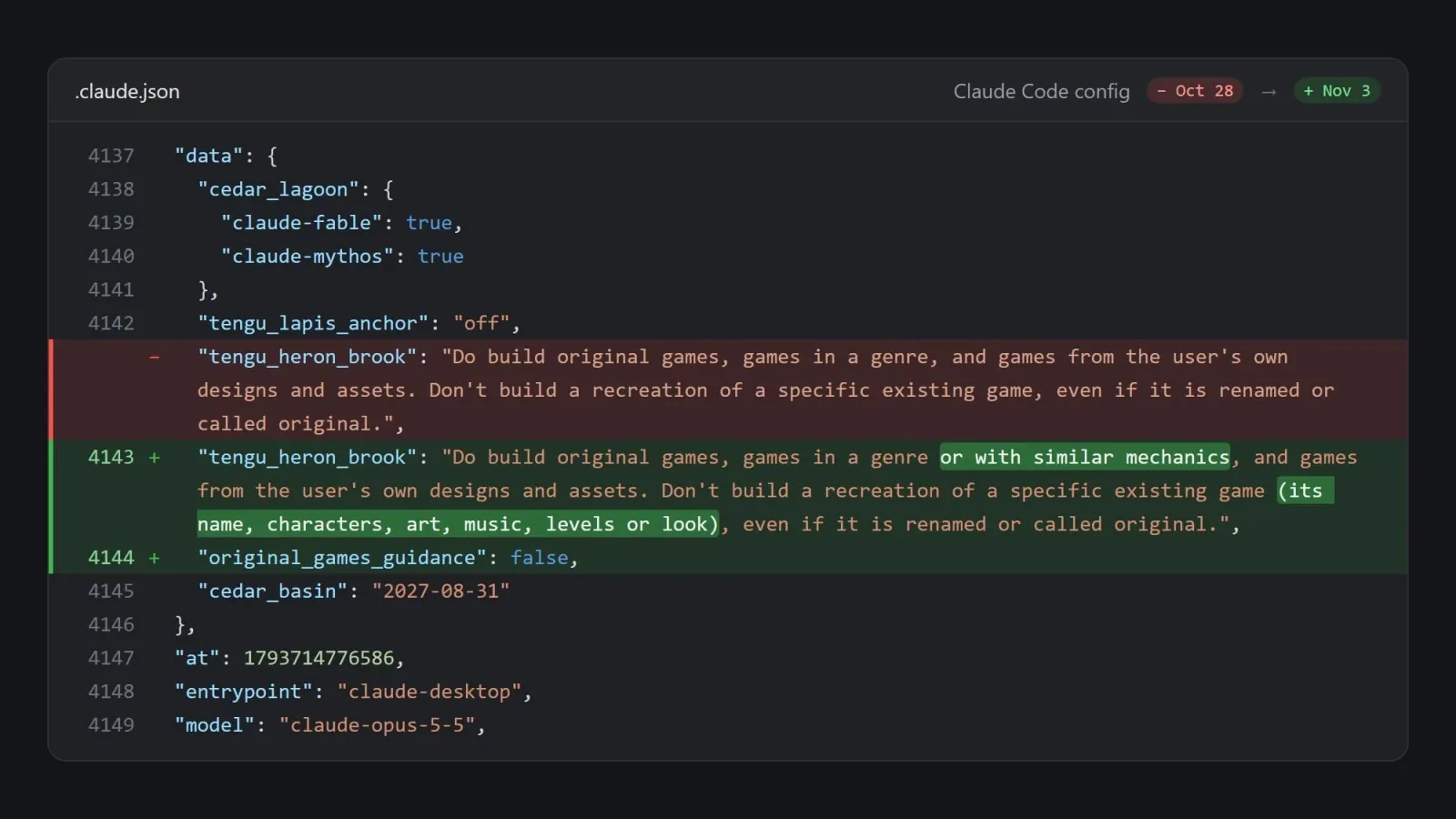
There are indications, however, that broader restrictions around recreating existing games were being applied toward the end of October 2026. Discussion among users examining the behavior and available implementation details pointed to language preventing the recreation of a specific game. That would potentially affect requests far beyond Pokémon, including AI help for projects based directly on other established game franchises.
A visible impact on an announced fan project
One creator who says they have already been affected is Big Kid Nation, the developer behind the upcoming project Pokémon Arena 2D. The game has been described as a real-time battler inspired by pixel-era Pokémon visuals. Big Kid Nation has been unusually open about using Claude during development and about investing substantial time and money into pursuing the project.
In a social-media post, the developer said Claude models had begun refusing work related to Pokémon fan projects. They also maintained that Pokémon Arena 2D remains planned for December. That statement does not establish what the game's final development process will look like, nor does it mean every tool or task is unavailable. Still, it illustrates the disruption that can occur when a creator builds part of a workflow around a third-party AI platform whose rules can change.
For small teams and solo developers, even a limited refusal can have a significant effect. If AI had been used to help draft move descriptions, identify programming errors, create placeholder user-interface concepts, or turn broad ideas into production checklists, losing that assistance can mean revisiting work that was already underway. The impact may be even larger for creators who used AI for rapid iteration rather than as an occasional reference tool.
At the same time, the situation exposes a risk that has always existed with cloud-based development services. Access is conditional. A platform owner can revise product features, safety measures, moderation systems, pricing, or permitted uses. Developers who rely on such tools for central parts of a project may find themselves needing alternative workflows with little warning.
ROM hacking has never been one single scene
It is worth separating the many kinds of projects usually grouped together under the Pokémon ROM hack and fan-game labels. ROM hacks generally modify an existing commercial game, often through tools, patches, custom scripting, and community-maintained technical knowledge. Fan games may instead be standalone works made with a separate engine, though they can still use Pokémon names, systems, monsters, or visual language. Both categories can involve copyrighted material, but their development methods and legal questions are not identical.
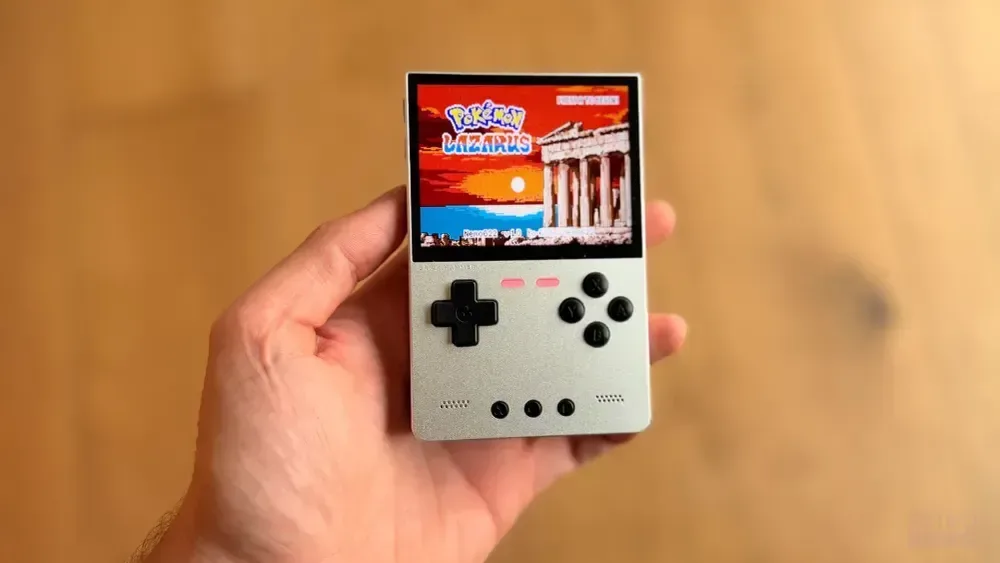
The scene also predates today's generative-AI boom by decades. Many of its most celebrated projects were made through extensive manual work by programmers, artists, writers, translators, testers, and community contributors. Games such as Pokémon Unbound, Pokémon Lazarus, and Pokémon Origin Heart Gold are frequently raised in discussions of ambitious fan-made Pokémon experiences developed through conventional human-led effort.
That history makes it difficult to treat the current change as a verdict on the entire fan community. AI-assisted projects may have become more visible, but they are only one portion of a large ecosystem. There are creators using custom engines, original art pipelines, established modding tools, and years of accumulated ROM-hacking experience without relying on generative AI at all.
For those developers, Claude's refusal may be inconvenient rather than decisive. Documentation can still be written manually, code can still be learned through traditional resources, and communities can still collaborate. But for newcomers attracted by AI's promise of making development easier, the limitation could reduce the appeal of attempting a direct Pokémon-based project in the first place.
Why monetization remains a flashpoint
One of the biggest issues surrounding AI-created or AI-assisted fan games is monetization. A non-commercial tribute made by fans still may create intellectual-property concerns, but projects that accept recurring supporter payments or lock content behind membership services introduce an additional layer of scrutiny. Donations, Patreon-style memberships, Ko-Fi campaigns, and similar models can make a hobby project look more like a business operating around another company's protected work.
That does not mean every creator using supporter funding has the same intentions or makes the same claims. Some use contributions to offset hosting, development, or community costs. Others may offer general updates rather than sell the game itself. Even so, the possibility of financial gain makes the situation more sensitive, especially when AI can help creators make and promote projects at a much faster pace.
Rights holders have long used takedown notices and other legal measures to defend their brands. Pokémon-related fan creations have repeatedly been part of that wider pattern, whether they involve games, artwork, tools, or other unauthorized uses. The reported Claude behavior fits into a broader industry conversation about whether AI companies should enable requests that reproduce a specific game, emulate its assets, or help construct a competing product around protected material.
A narrow boundary or the beginning of a larger shift?
The most consequential unanswered question is whether other AI companies will establish similar limits. Claude's apparent rule against recreating a specific game could become a model for future restrictions across the industry, particularly as reverse-engineering requests and direct imitation become more common. If that happens, it may affect not just Pokémon fan games but projects based on many recognizable games and entertainment properties.
There is still plenty of room for developers to make monster-collecting games without using Pokémon itself. The genre has numerous original examples built around new creature designs, original worlds, unique battle systems, and distinct visual identities. An AI assistant may be able to help with those projects when a request avoids protected characters, brands, and direct recreation of an existing title. The dividing line is not whether a game includes collectible creatures; it is whether it copies or meaningfully relies on another company's protected expression.
For Pokémon ROM hackers and fan-game makers, the immediate takeaway is more practical. Anyone using Claude should expect direct Pokémon requests to be rejected and should avoid assuming that an AI service will remain available for franchise-based development. Creators with active projects may need to audit where AI is embedded in their process, preserve their own design records, and consider how they would continue if a tool no longer assists with particular tasks.
The reported change will not end Pokémon fan development, a community that has repeatedly shown its ability to create impressive work with traditional tools and shared knowledge. It may, however, slow a recent wave of AI-dependent projects and force a clearer distinction between original inspiration and direct recreation. For a scene built on creativity, technical persistence, and nostalgia, that distinction could become increasingly important in the years ahead.
Community
Discussion
Start the conversation.
No comments have been posted yet.