

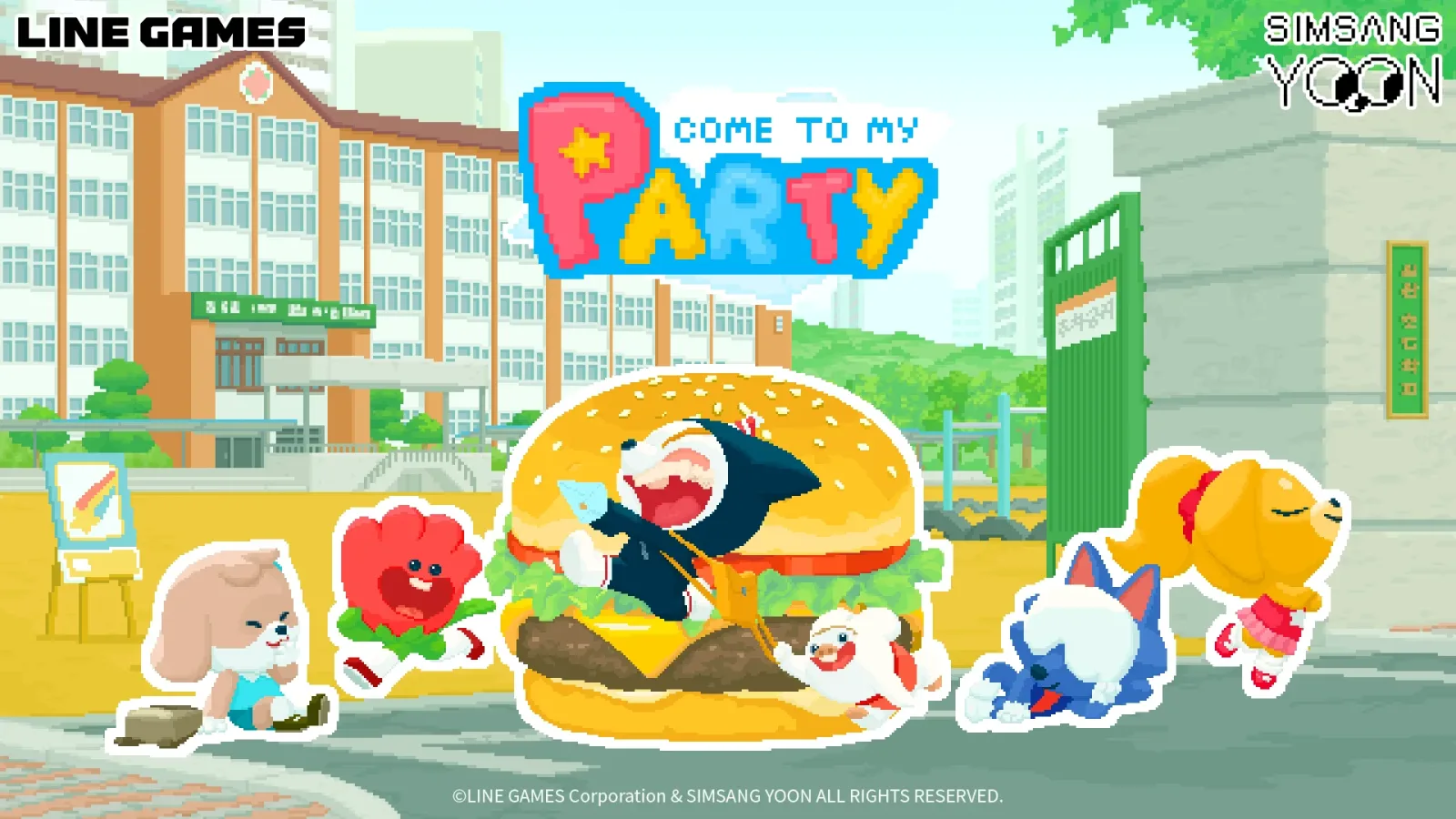
Come to my Party!, the dark comedy visual novel from solo developer SIMSANG YOON and publisher LINE Games, is preparing a renewed Steam demo experience. Demo 2.0 is set to launch on Steam on October 16, the same day the game is due to appear in The MIX Fall Showcase. The title will then be part of Steam Next Fest, running from October 19 through October 26.
The updated demo has also been described as available ahead of the festival, giving curious players an opportunity to meet protagonist Jimin and experience the unusual mix of childhood ambitions, schoolyard social politics, interactive activities, and black comedy at the game's core. For a game built around a seemingly innocent goal, its premise promises more than a straightforward tale of student elections.
A birthday party depends on winning an election
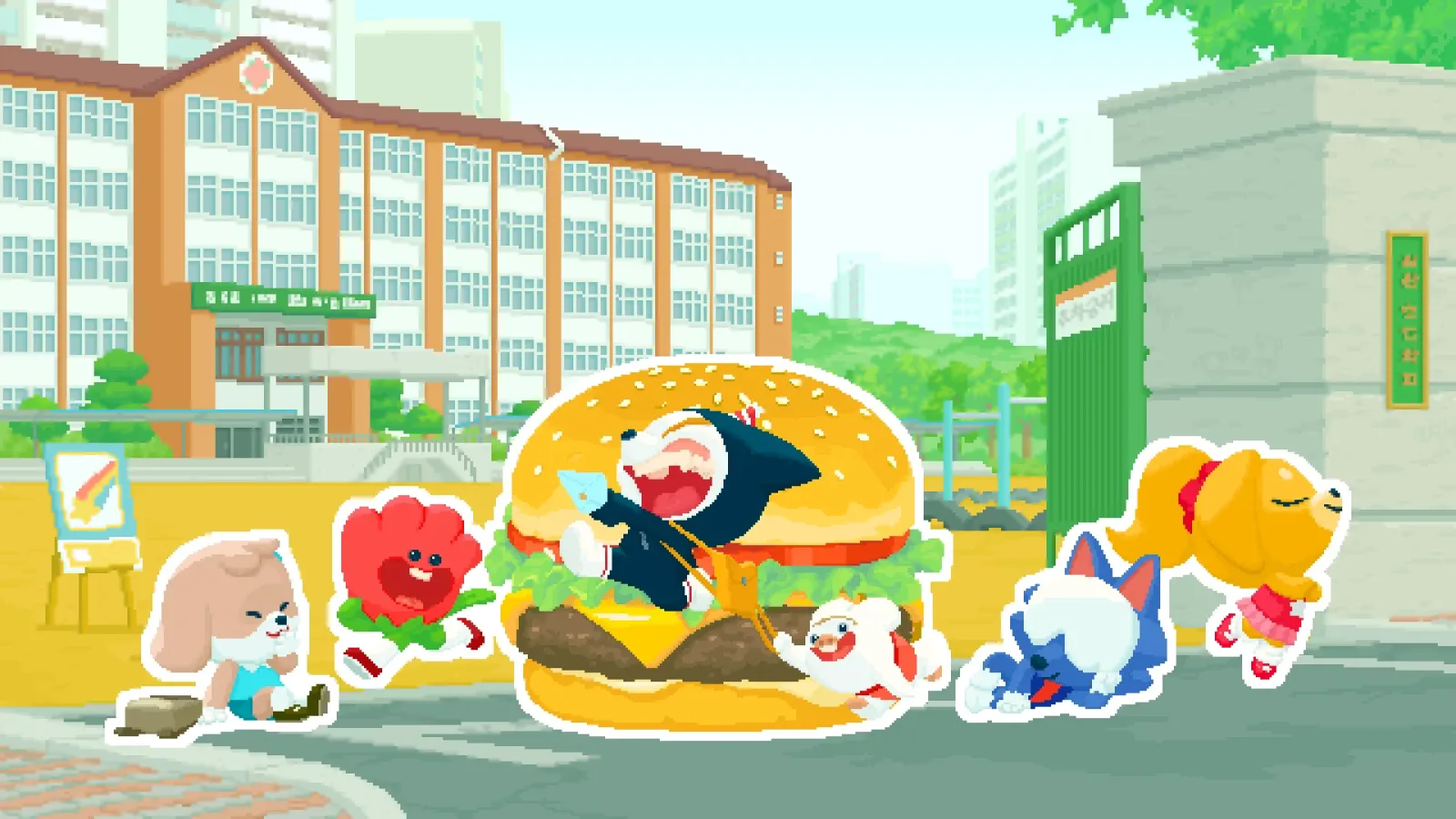
Come to my Party! centers on Jimin, a 10-year-old girl living through the everyday pressures and small victories of childhood. Her objective is direct: she wants to be elected class president. Yet the reason behind that campaign is more personal than political. Becoming president is her path toward getting to hold her own birthday party.
That premise establishes a compact but potentially emotionally charged conflict. At 10 years old, matters that might sound minor to adults can feel enormous: who gets invited, what classmates say behind someone's back, whether a friend takes a side, and how a child reacts when their plans begin to unravel. Come to my Party! uses the election as a framework for those anxieties and aspirations, while placing its coming-of-age story within a darkly comic tone.
For useful background on this topic, read MAFATE Steam demo Invites Players Into a Cozy Creole-Inspired Island Adventure.
Rather than treating Jimin's goal as a background detail, the game turns it into the force that drives the narrative. Her campaign puts her in contact with classmates and the social structures of school life, where reputation, gossip, favors, and personal choices can all matter. The result is a visual novel designed to make a familiar childhood setting feel consequential from Jimin's perspective.
Choices lead to 12 endings
Player decisions shape Jimin's route through the story, with 12 different endings available. That structure gives the demo and the full experience a reason to be revisited, particularly for players interested in seeing how shifts in behavior, relationships, or campaign decisions alter the final outcome.
The announcement does not detail every branch or ending, but the number suggests that Jimin's story is not built around one fixed version of success. Winning, losing, making allies, mishandling a situation, or navigating difficult social moments may carry different meanings depending on the choices made along the way. In a story about a child seeking something as simple and meaningful as a birthday party, that range of outcomes could make the emotional context as important as the result of the election itself.
For another perspective on this story, read Come to my Party! Demo 2.0 Brings Jimin's Schoolyard Campaign to Steam on October 16.
Choice-driven visual novels often gain their impact from the way they frame seemingly ordinary decisions. Come to my Party! appears positioned to do the same, using small-scale interactions and school life as the setting for larger questions about belonging, confidence, and the desire to be seen by others. The game's dark-comedy approach also leaves room for awkward, surprising, and potentially uncomfortable turns as Jimin works toward her goal.
Schoolyard gossip, mini-games, and life in 1999
Beyond dialogue choices, Come to my Party! includes interactive mini-games. These activities are intended to complement the visual novel format, breaking up conversations and allowing players to engage more directly with Jimin's daily world. The exact range of mini-games has not been outlined, but their inclusion signals that the game will not be solely about reading and selecting dialogue responses.
Schoolyard gossip is another key ingredient. Rumors and chatter are a recognizable part of childhood social life, but in the context of a class-president campaign they can become powerful tools. A careless comment, a misunderstood moment, or a changing friendship can influence how a young character sees herself and how others treat her. For Jimin, whose party hopes are connected to her campaign, those social pressures have an immediate personal stake.
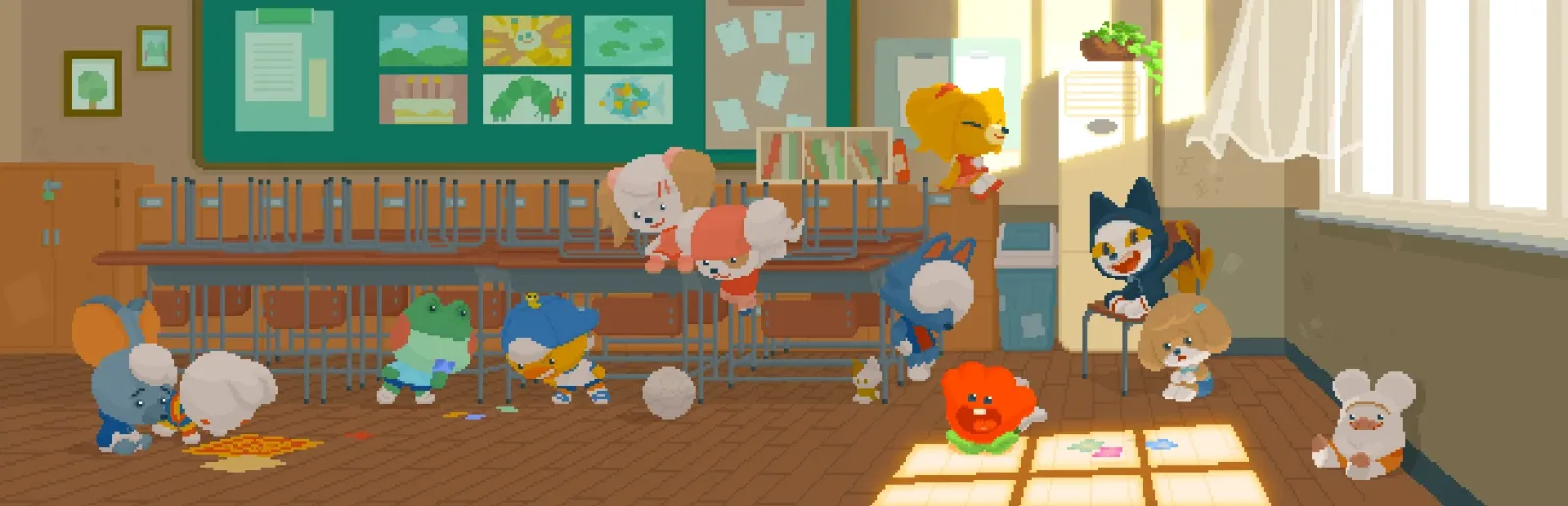
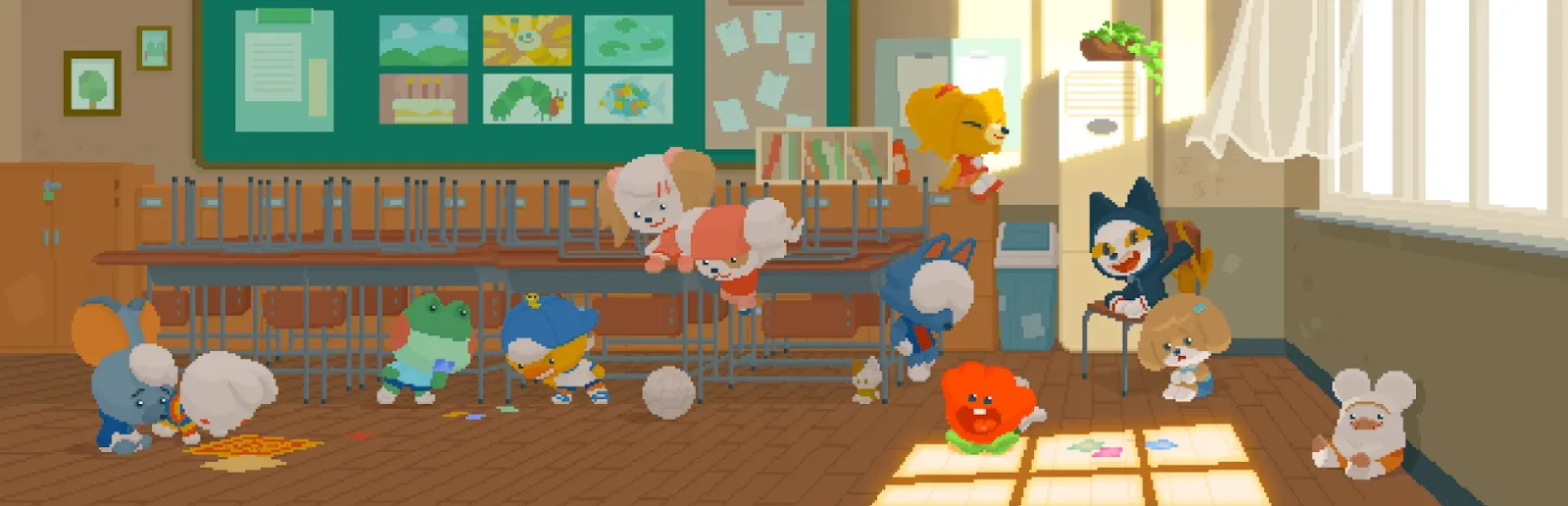
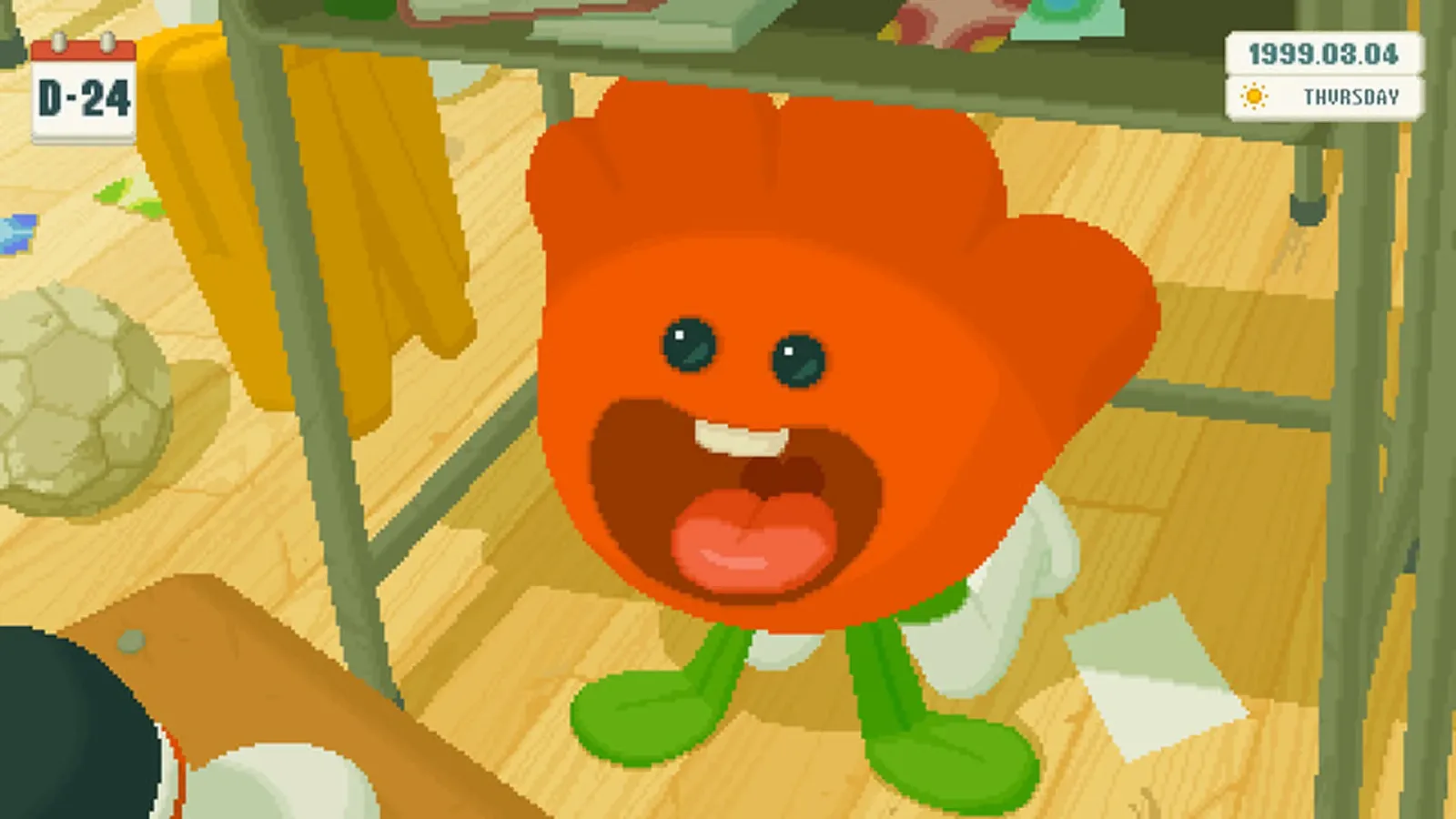
The story is inspired by everyday experiences of growing up in South Korea in 1999. That time and place give the game a specific cultural and historical grounding rather than presenting its childhood setting as entirely generic. The focus remains on ordinary moments, but those moments are filtered through a particular era and a personal perspective.
This approach can make a small story feel distinctive. A school classroom, a conversation among children, or the anticipation surrounding a birthday can be broadly relatable, while the details of Jimin's surroundings and upbringing offer a more individual sense of place. The game presents its coming-of-age material as deeply personal, emphasizing memories and emotional situations rooted in a lived-in setting.
A hand-crafted project from a solo developer
SIMSANG YOON is developing Come to my Party! as a solo creator, with the project described as hand-crafted throughout its art and storytelling. The game also explicitly states that it contains no AI-generated content.
That emphasis speaks to the project's identity as an authored, personal visual novel. With a narrative focused on the texture of childhood memories and a central character whose ambitions are both modest and huge in her own eyes, a consistent individual creative voice may be especially important. The game's artwork and writing are presented as parts of the same closely made experience rather than separate components assembled around a premise.
LINE Games is publishing the title, while SIMSANG YOON remains the developer behind Jimin's story. Together, the setup places Come to my Party! among smaller narrative games that use a focused setting and a strong character viewpoint to explore bigger emotions.
Demo 2.0 arrives during a busy Steam showcase period
The October 16 Demo 2.0 launch coincides with Come to my Party!'s appearance in The MIX Fall Showcase. The timing gives the game a public stage just before Steam Next Fest begins on October 19. Steam Next Fest will continue until October 26, providing a week in which players can explore demos and discover upcoming PC games.
For Come to my Party!, the new demo is an opportunity to introduce its premise in playable form: help Jimin navigate her school environment, pursue the class presidency, and see how decisions can influence her path. A refreshed demo also offers a useful entry point for players who may have previously encountered the game and want to see the latest version.
Visual novels can be difficult to summarize with a single genre label, especially when they blend humor, coming-of-age drama, branching narrative design, and interactive segments. Come to my Party! leans into that mixture. Its surface-level goal is charmingly clear--a child wants a birthday party--but its setting gives that wish room to become complicated. Elections, friendships, rumors, and personal choices all sit between Jimin and the outcome she hopes for.
What players can expect
- A dark comedy visual novel starring 10-year-old Jimin.
- A class-president campaign driven by Jimin's wish to have her own birthday party.
- Branching choices that can lead to 12 endings.
- Interactive mini-games alongside narrative decisions.
- Schoolyard gossip and everyday childhood situations.
- A setting inspired by growing up in South Korea in 1999.
- Hand-crafted art and storytelling, with no AI-generated content.
- Demo 2.0 activity on Steam around October 16, followed by Steam Next Fest from October 19 to October 26.
Come to my Party! may begin with a campaign for class president, but its appeal lies in the perspective behind that campaign. By focusing on a child whose immediate dream is to celebrate herself with a birthday party, the game turns a familiar school setting into a place where every choice can feel unusually important. Players looking for a narrative game with a personal voice, multiple outcomes, and a sharply observed childhood atmosphere will be able to sample Jimin's story through Demo 2.0 on Steam during its October showcase window.
Community
Discussion
Start the conversation.
No comments have been posted yet.