

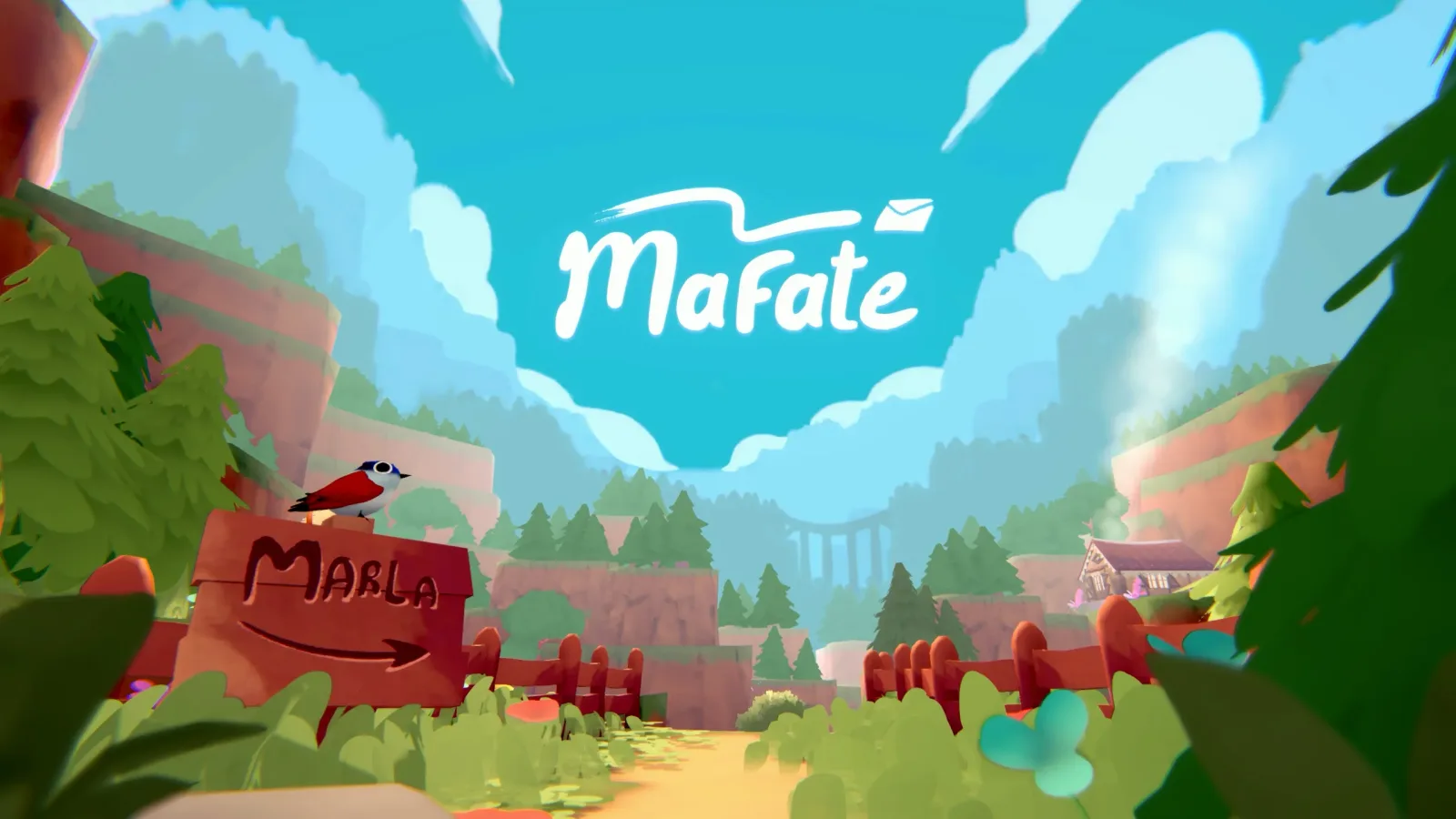
MAFATE, a cozy exploration adventure from Blue Ramen Studios, now has an updated demo available on Steam ahead of its appearance at Steam Next Fest. Beginning October 19, the event will give more PC players an opportunity to discover a game built around hiking, delivering letters, photography, environmental puzzles, and the stories of communities separated by dramatic mountain terrain.
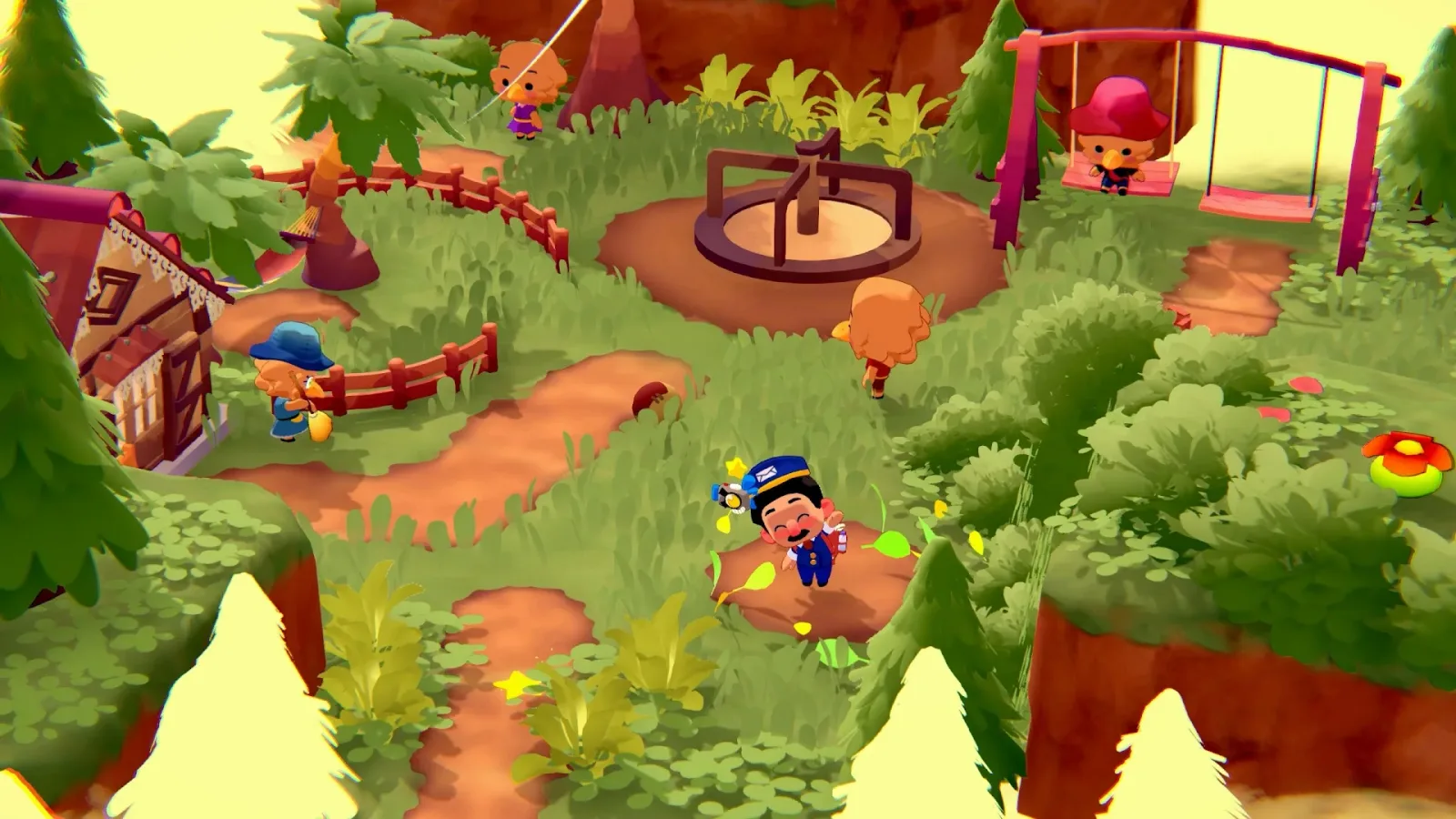
Set in a magical interpretation of the real Cirque de Mafate on Réunion Island, MAFATE places players in the role of a legendary mail carrier. Rather than framing the journey around combat encounters or urgent objectives, the game focuses on the quieter importance of moving between isolated villages and maintaining the human connections that link them. Letters are not simply collectibles or routine quest items here; delivery is the central thread that carries players across the landscape and into the lives of its inhabitants.
The newly updated demo offers an early look at that premise before the game's Steam Next Fest showcase. While details on a full release date have not been announced, the demo provides a chance to see how its relaxed pace, travel systems, and fantastical island setting come together.
A journey through a volcanic caldera
The real Cirque de Mafate is a remote volcanic caldera known for its rugged geography and villages that are difficult to reach by road. MAFATE uses that location as the foundation for an adventure space filled with trails, forests, waterfalls, steep cliffs, and settlements. Blue Ramen Studios describes its version of the region as faithful while also magical, giving the development team room to build mystery and playful traversal mechanics into an environment rooted in a real place.
For useful background on this topic, read GRAVHOUNDS Steam demo Launches With Co-Op Expeditions Across Seven Planets.
That combination is important to the game's apparent identity. It is not merely using a scenic island backdrop for a generic open-world adventure. The sense of distance between communities, the need to travel on foot through natural terrain, and the significance of carrying messages all reflect the setting at the heart of the project. The emphasis on Creole culture further distinguishes MAFATE from the many cozy games that rely on more familiar pastoral village or fantasy-kingdom imagery.
Players will traverse the caldera's varied terrain while following deliveries and exploring beyond the obvious routes. The game promises no conventional waypoints, a notable choice for a modern exploration title. Instead of repeatedly directing players toward a glowing marker or constantly updating route line, MAFATE is designed to encourage observation, curiosity, and a more self-directed sense of navigation.
For players who enjoy wandering off a main path, that approach could make each delivery feel less like a checklist task and more like a reason to learn the geography. A waterfall, overlook, forest passage, or distant village can become part of the player's growing mental map of the island. The absence of pressure is also central to the game's pitch: there is no combat system pushing the player to prepare for fights, and no stated demand to rush from one assignment to the next.
For another perspective on this story, read MAFATE Demo Arrives Ahead of Steam Next Fest.
Delivering letters and connecting communities
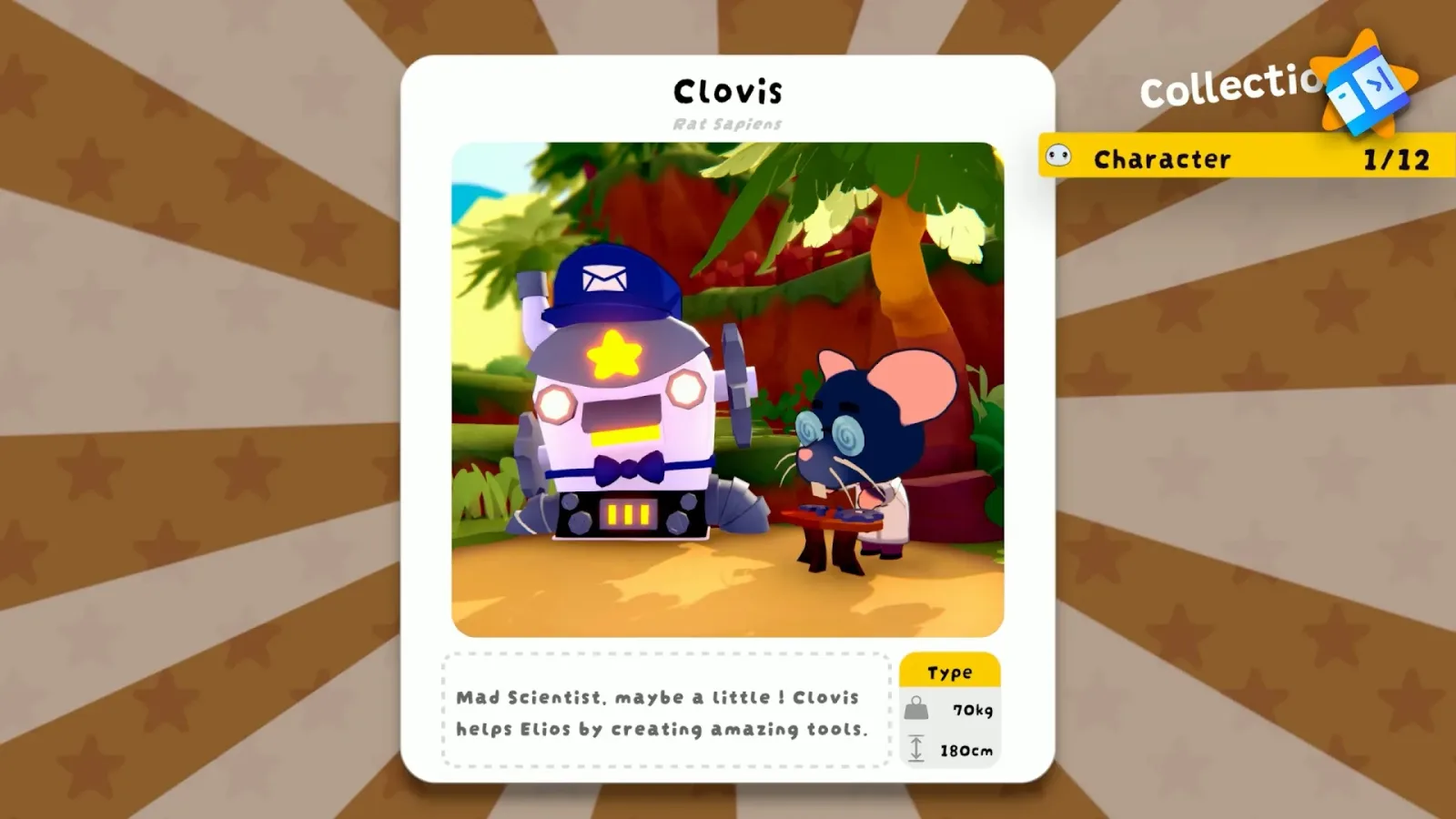
The mail carrier role gives MAFATE a straightforward structure while leaving room for personal stories. Each letter represents a connection between people living across a difficult landscape, and the journeys between villages are intended to reveal both the world and its residents. Players will encounter inhabitants with their own stories to uncover as they move through the caldera.
In a genre often populated by farming loops, shop management, or life-simulation routines, a postal adventure offers a different kind of cozy responsibility. The player is still helping a community, but through movement and discovery rather than through resource grinding. The act of carrying a message becomes an excuse to visit a new part of the world, learn a route, meet someone, and perhaps uncover a hidden detail that would have remained unseen on a more direct path.
MAFATE's setup also suggests a gentler approach to progression. The player begins with a distinctive local role rather than arriving as an outsider who must immediately rebuild an entire town. As a legendary carrier, they are already connected to the broader region's communication network. The adventure is about strengthening and rediscovering those connections as much as it is about reaching the next destination.
Luna turns photography into a magical tool
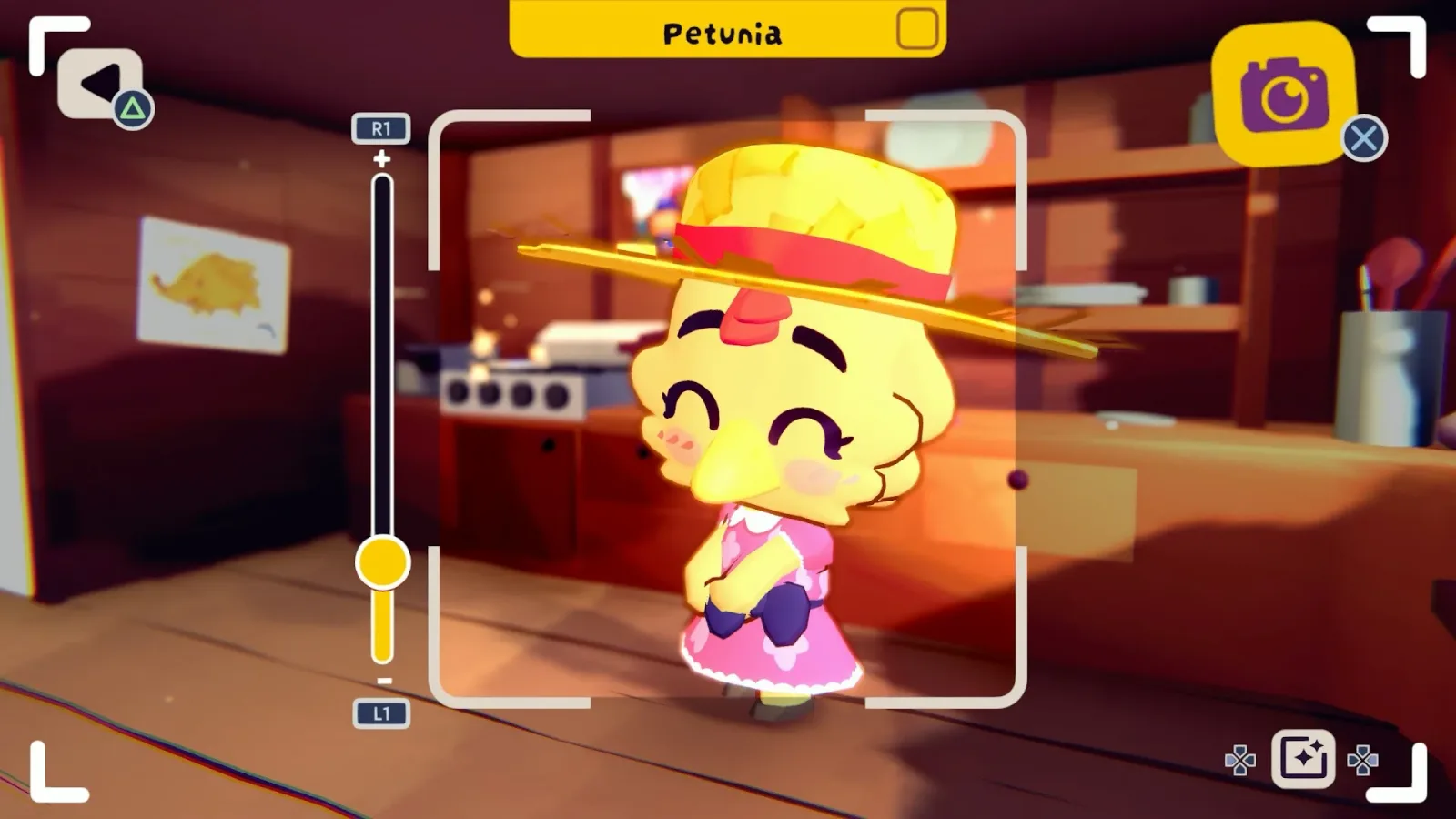
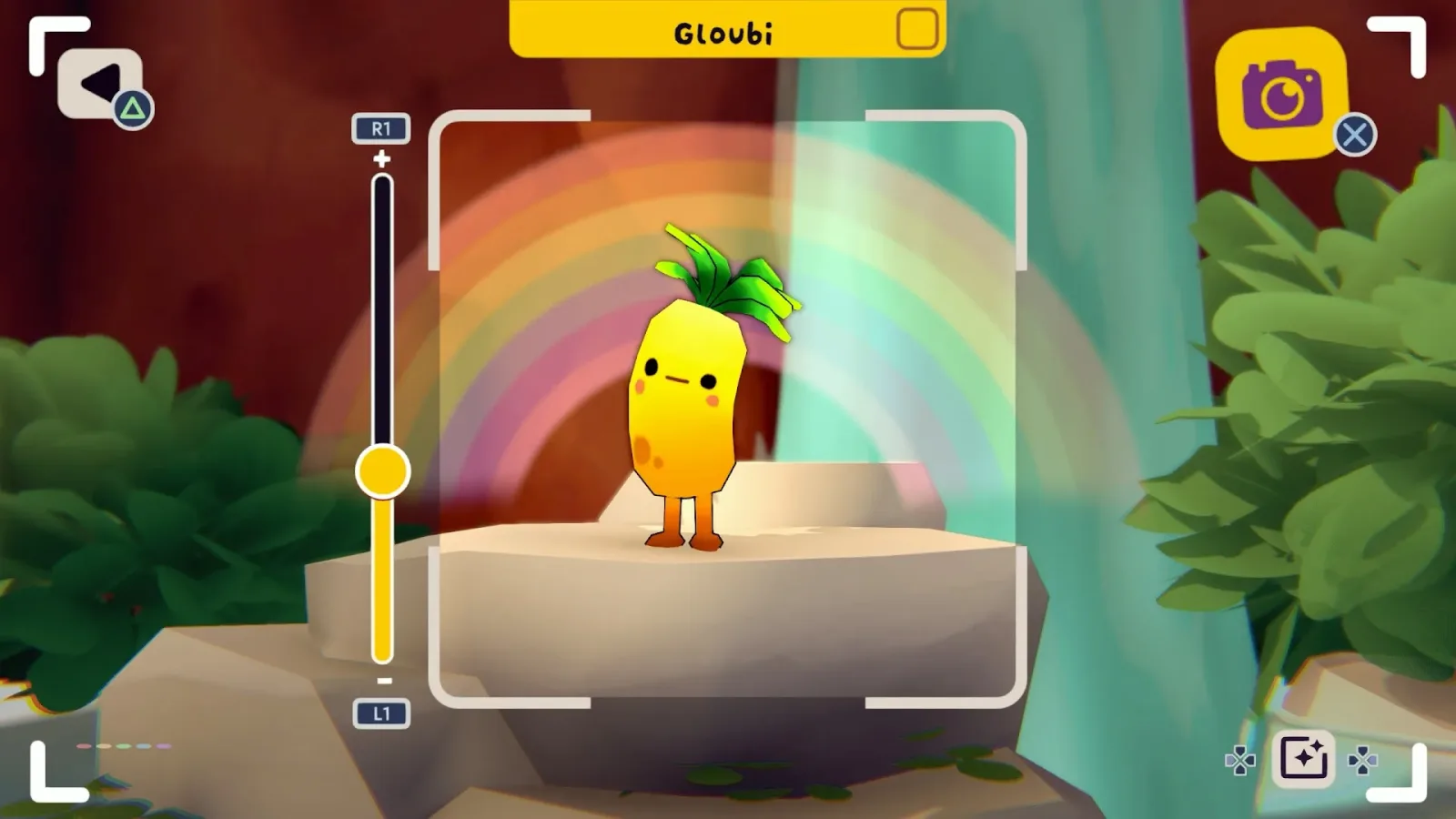
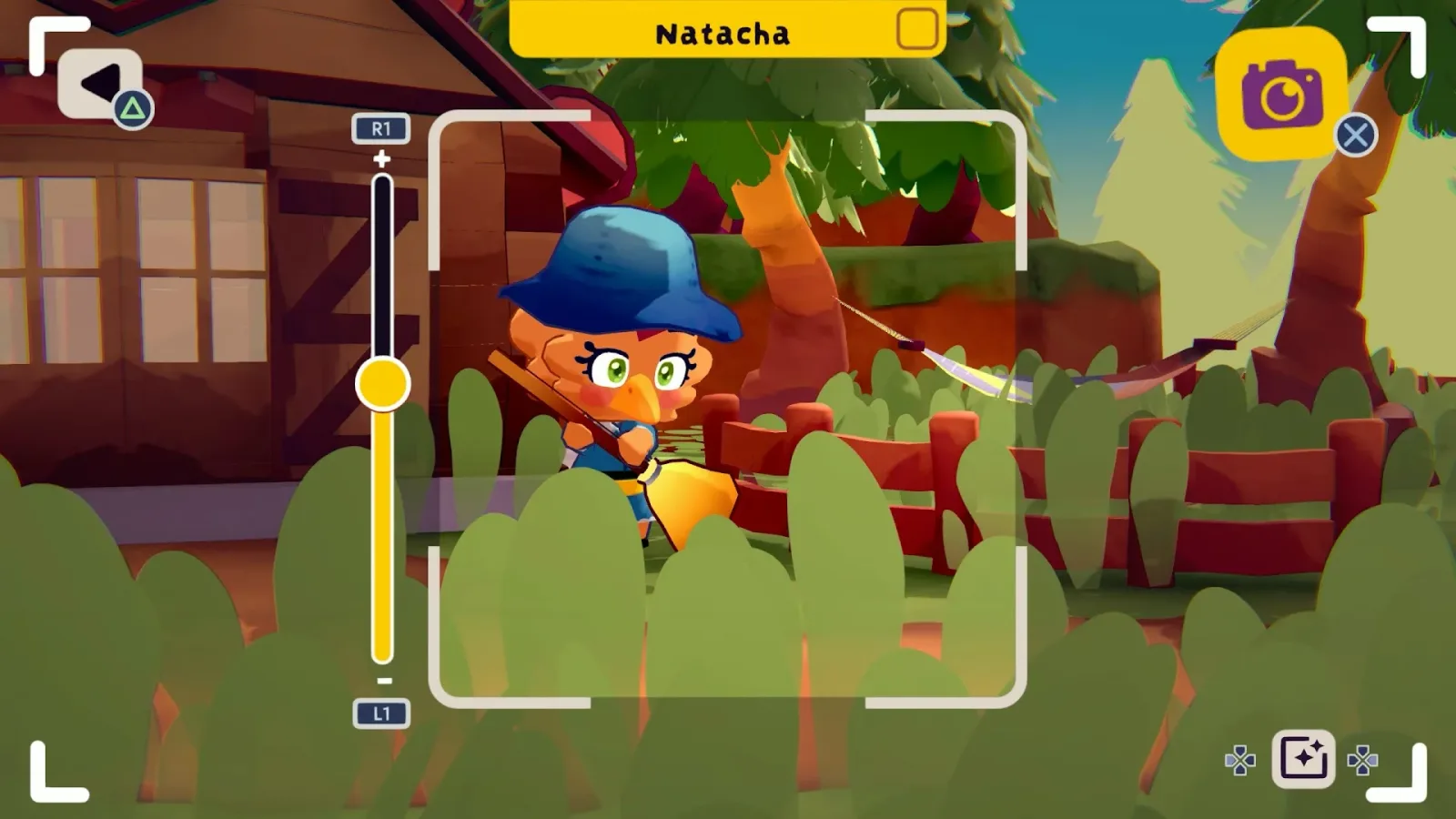
Accompanying the mail carrier is Luna, a young Creole girl who has mysteriously been transformed into a magical camera. Luna is more than a visual companion: her camera form enables photography that can reveal secrets and offer new perspectives on the world. That mechanic gives MAFATE a second mode of exploration beyond simply walking its trails.
Photography games often encourage players to slow down and look at a location with more care, and MAFATE appears to take that idea in a supernatural direction. A player may need to use Luna to identify something concealed in the environment, reinterpret a scene, or find a clue that is not visible from an ordinary viewpoint. The result could make the camera an active problem-solving device rather than a separate photo mode meant only for snapshots.
Luna's premise also gives the adventure a sense of whimsy amid its grounded landscape inspiration. A volcanic caldera and isolated communities can provide a powerful natural setting, but the magical camera adds an immediately unusual character relationship. Her transformation raises questions that players will presumably explore through the game's story, while her abilities connect narrative mystery to the practical act of finding a way forward.
The focus on perspective fits especially well with MAFATE's waypoint-free philosophy. If players are expected to pay attention to the shape of the land and the details around them, a camera that exposes hidden information can reinforce that attentive play style. The solution may not always be about moving faster or acquiring a stronger tool; it may be about pausing and viewing the same place differently.
Borrowing the abilities of native animals
Photography is not the only unusual traversal tool in MAFATE. Players can also possess native animals, using their abilities to reach secret routes, solve environmental puzzles, and access parts of the island that would otherwise be out of reach. The announcement does not detail every creature or ability included, but the system is positioned as a major component of exploration.
Animal possession opens the possibility for level design based on changing scale, movement, or perspective. A path that is inaccessible to the mail carrier could potentially become viable through an animal's natural traits, while a puzzle may require approaching an object or space from a completely different physical point of view. Alongside Luna's camera powers, this makes MAFATE's exploration feel designed around alternative ways of interacting with the environment instead of around combat upgrades.
It also supports the game's interest in making the natural world feel integral to travel. The trails, forests, waterfalls, and cliffs are not just scenery between story moments. They are spaces with routes to read, obstacles to understand, and secrets to discover. Possessing animals could turn familiar areas into new opportunities when players return with a better understanding of the landscape or a different creature's abilities.
A cozy game without combat or urgency
MAFATE explicitly removes combat, and it also avoids the pressure usually associated with quest markers and tightly directed progression. That does not mean the game lacks goals. Deliveries, environmental puzzles, hidden paths, photography, and character stories all give players reasons to keep moving. But its structure is intended to let those activities unfold at a comfortable rhythm.
For players drawn to soothing exploration games, the lack of fighting may be one of the project's strongest points. There is no indication that the player will need to master enemy patterns, build weapons, or interrupt a scenic hike for a forced battle. Challenges instead come from geography, observation, and figuring out how the game's magical systems can be applied to the environment.
The no-waypoint approach may appeal to a slightly different but overlapping audience: players who want freedom without needing a massive map full of icons. MAFATE's world is built around specific villages and natural routes, so its navigation could encourage a more intimate relationship with place. The goal is not necessarily to clear every marker, but to feel the distance and character of the route between one community and another.
Steam Next Fest will offer a wider first look
The updated MAFATE demo is available now on Steam, with Steam Next Fest beginning October 19. The event should provide a useful opportunity for players to try the game's opening ideas directly, especially for anyone curious about how its delivery structure works without waypoints and how Luna's photography or animal possession fits into its puzzles.
Blue Ramen Studios is developing MAFATE, with support from publishing label Blue Ridge Games. For now, the Steam demo is the clearest way to experience the project's mix of real-world inspiration and magical adventure. Its promise is not one of conquest or constant escalation, but of a journey across a striking island landscape where taking the long way, noticing an overlooked detail, and carrying a message to the next village are all part of the reward.
As Steam Next Fest approaches, MAFATE stands out as a game aiming to make exploration itself feel personal. Between its Creole culture-inspired setting, letter-delivery role, magical camera companion, and animal-based traversal, it offers a distinct vision of cozy adventure--one where the route matters as much as the destination.
Community
Discussion
Start the conversation.
No comments have been posted yet.