

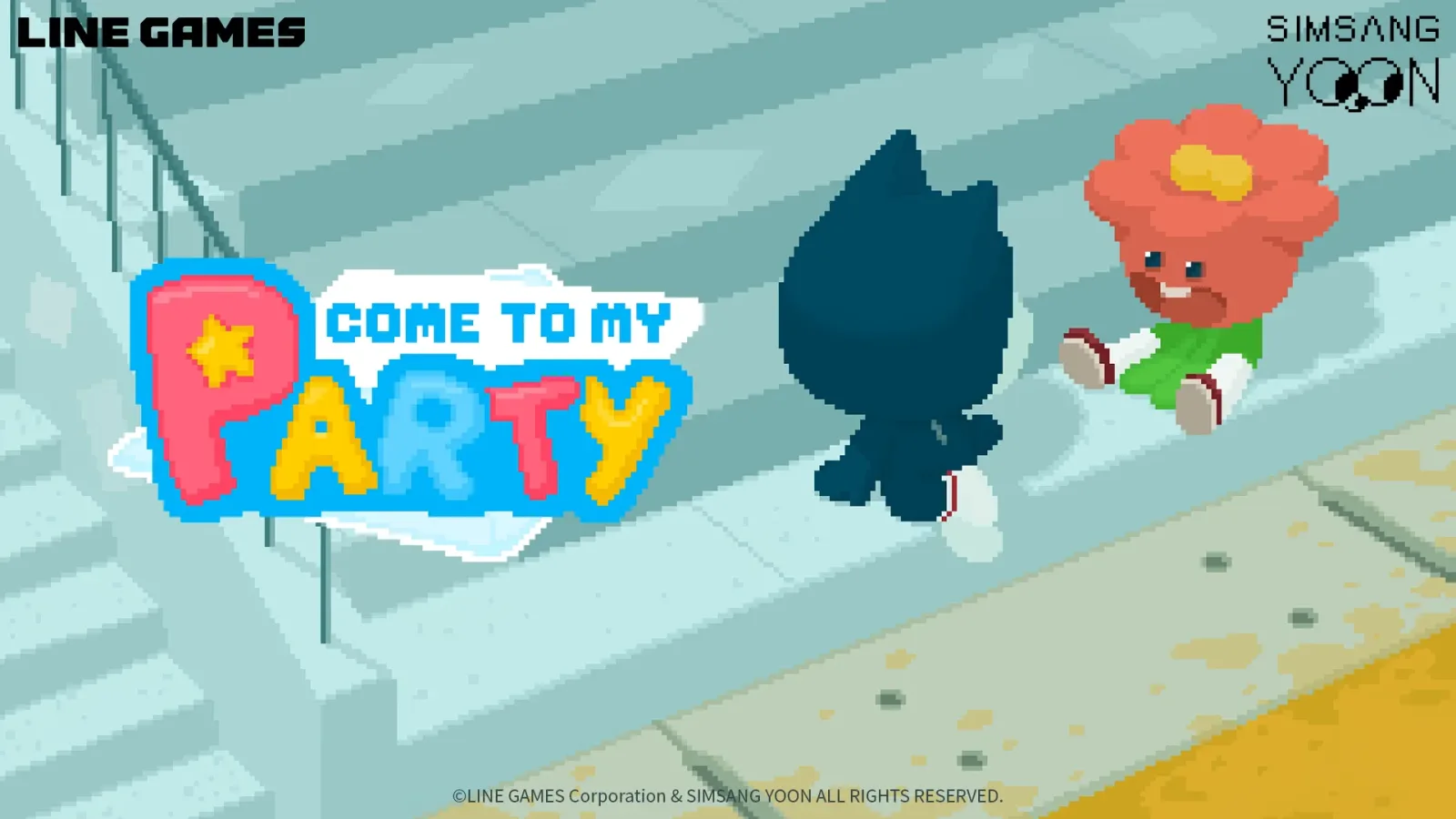
Come to my party!, a decision-based visual novel from solo developer SIMSANG YOON, has crossed 10,000 wishlists on Steam following its appearance in October 2026's Steam Next Fest. The milestone arrived alongside a notably enthusiastic response to the game's Demo 2.0, which has received a 97.6% positive rating from players.
For a game centered on a small, intensely personal childhood goal, the response is a meaningful early sign of interest. Come to my party! follows 10-year-old Jimin as she attempts to have her first birthday party while managing the expectations of her mother, the reactions of classmates, family tensions, and the uncertain consequences of every choice she makes. Rather than positioning player agency as a route to heroic victory, the game uses decisions to explore a child's fragile social world.
The developer said the updated demo generated more than 100,000 total impressions during Steam Next Fest, creating a substantial boost in visibility and sending wishlists beyond their normal day-to-day pace. Demo 2.0 remains available on Steam for players who want to try the opening portion of Jimin's story before adding the full game to their wishlist.
A modest birthday wish with high emotional stakes
At the center of Come to my party! is a straightforward desire: Jimin wants a birthday party. But the setup gives that wish considerable weight. She is trying to make it happen under an ultimatum from her mother, meaning everyday conversations and seemingly minor interactions can carry real emotional risk. The game's premise treats childhood as a time when a classroom friendship, a family disagreement, or a poorly timed decision can feel enormous.
For useful background on this topic, read RATATA-brings-four-player-animal-crime-comedy-to-pc/">RATATA Brings Four-Player Animal Crime Comedy to PC.
Players guide Jimin through these circumstances and determine which direction the story takes. The game includes 12 possible endings, with outcomes ranging from fulfillment to heartbreak. That structure makes its central objective more complicated than simply finding the "correct" dialogue option. Players are asked to consider how Jimin relates to her peers, how she responds to pressure at home, and how her actions shape the possibility of the celebration she hopes for.
Visual novels often build replay value around branching routes, romance paths, mysteries, or radically different plot revelations. Come to my party! instead applies that branching design to the shifting feelings of a young protagonist navigating a close-knit environment. A party may sound like a small reward from an adult perspective, but for Jimin it represents belonging, recognition and the chance to make a happy memory on her own terms.
That emotional framing appears to be a significant part of the demo's appeal. A 97.6% positive rating suggests that early players have connected with the tone and premise, even before the full set of routes and endings becomes available. Steam Next Fest can be especially useful for visual novels, where a short playable section gives audiences an immediate sense of a game's writing style, pacing, art direction and decision-making systems.
For another perspective on this story, read Come to my party! Clears 10,000 Steam Wishlists After Next Fest Demo Draws 97.6% Positive Rating.
Demo 2.0 gives the game a larger Steam Next Fest moment
The October Steam Next Fest appearance was built around Demo 2.0, an updated version of the playable preview. The event gave Come to my party! exposure in a crowded showcase environment, where players browse a broad range of upcoming PC releases and use demos to decide which projects deserve closer attention.
More than 100,000 impressions during the event indicates that the game was seen by a much wider audience than it would typically reach in a normal release window. Impressions do not necessarily translate directly into downloads or purchases, but visibility matters greatly for an independent narrative game. A distinctive premise can be easy to miss on a busy storefront without an event that places it in front of players already looking for something new to try.
In this case, the attention translated into a clear wishlist milestone. Passing 10,000 wishlists is not a promise of a specific sales result, nor does it establish a launch date, but it is an important measure of pre-release momentum on Steam. Wishlists allow interested players to track a game and receive notifications around major updates or release activity, making them one of the most closely watched indicators for smaller PC projects.
The combination of a high positive rating, increased impressions and a sharp rise in wishlists gives Come to my party! a useful foundation as development continues. It also demonstrates why refreshed demos can matter. A second version of a demo is an opportunity to introduce a game to new players while offering those who have followed it previously another reason to revisit the project.
A late-1990s South Korean childhood setting
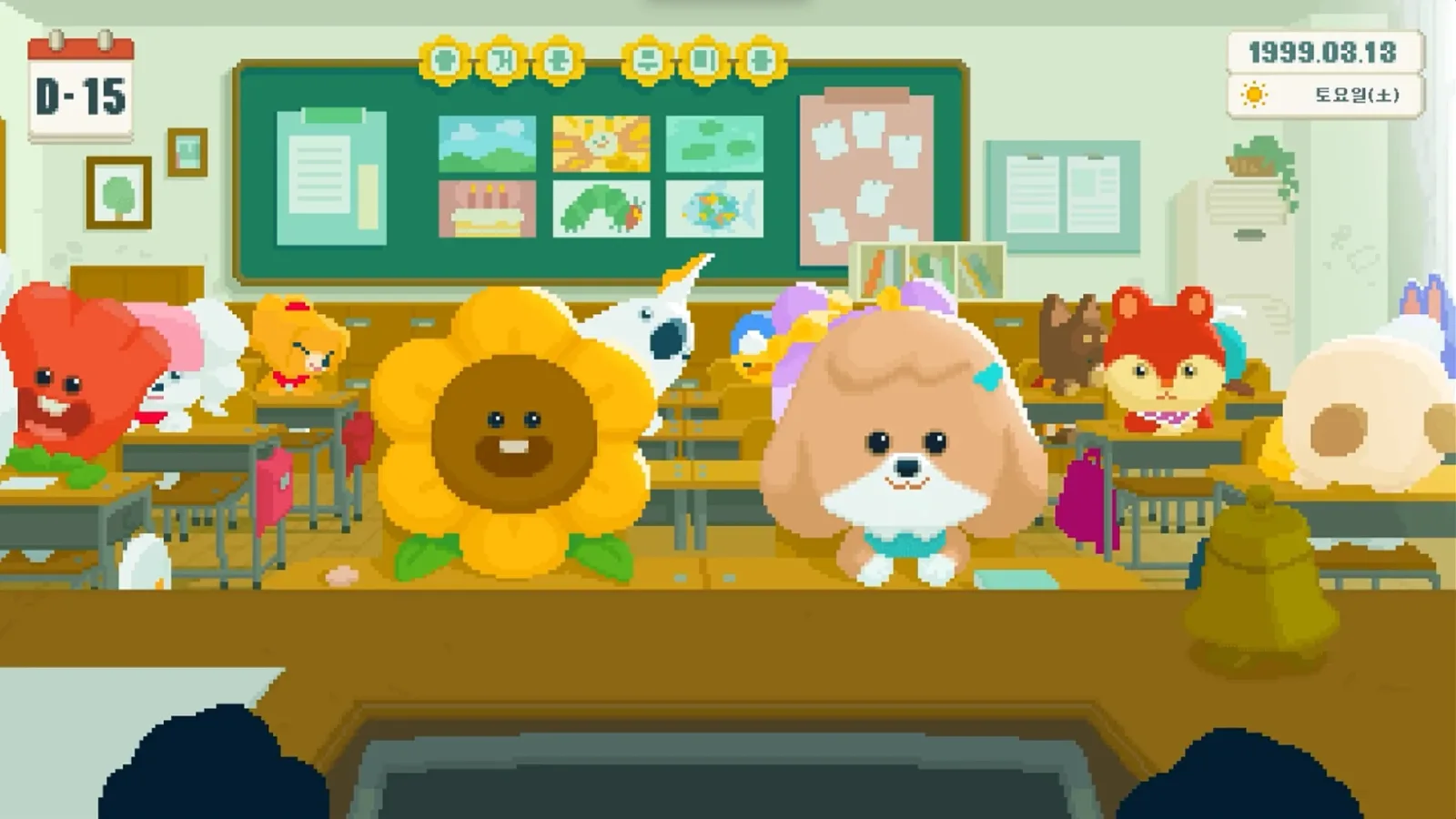
Come to my party! is set against the backdrop of late-1990s South Korea. The game emphasizes the everyday texture of childhood in that period, using its setting as more than surface-level visual decoration. The focus is on the routines and relationships that define Jimin's life: school, classmates, family expectations, small social rituals and moments that may look ordinary from afar but become defining when seen through a child's eyes.
Period settings can make a visual novel feel specific without making it inaccessible. In Jimin's case, the late-1990s context helps establish an identity for her world while the basic feelings at the story's center remain widely understandable. Wanting friends to show up, worrying about a parent's reaction, trying to say the right thing and fearing embarrassment are experiences that can cross cultural and generational boundaries.
The game also uses handcrafted art and storytelling to support that intimate focus. As a solo-developed project, Come to my party! has a personal creative identity tied closely to SIMSANG YOON's work. That can be especially valuable in a genre where atmosphere and consistency of voice often matter as much as the scale of a game's feature list.
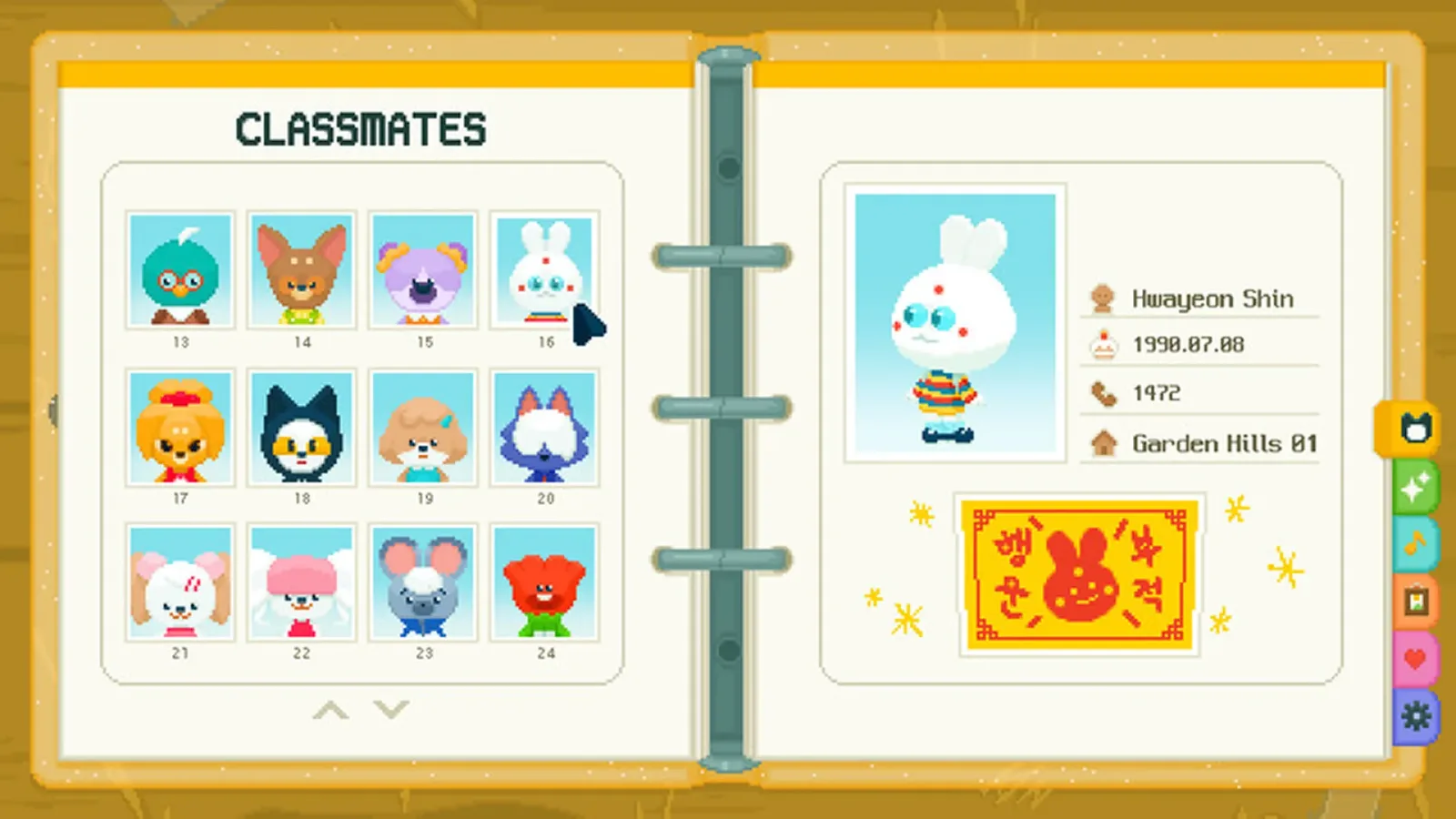
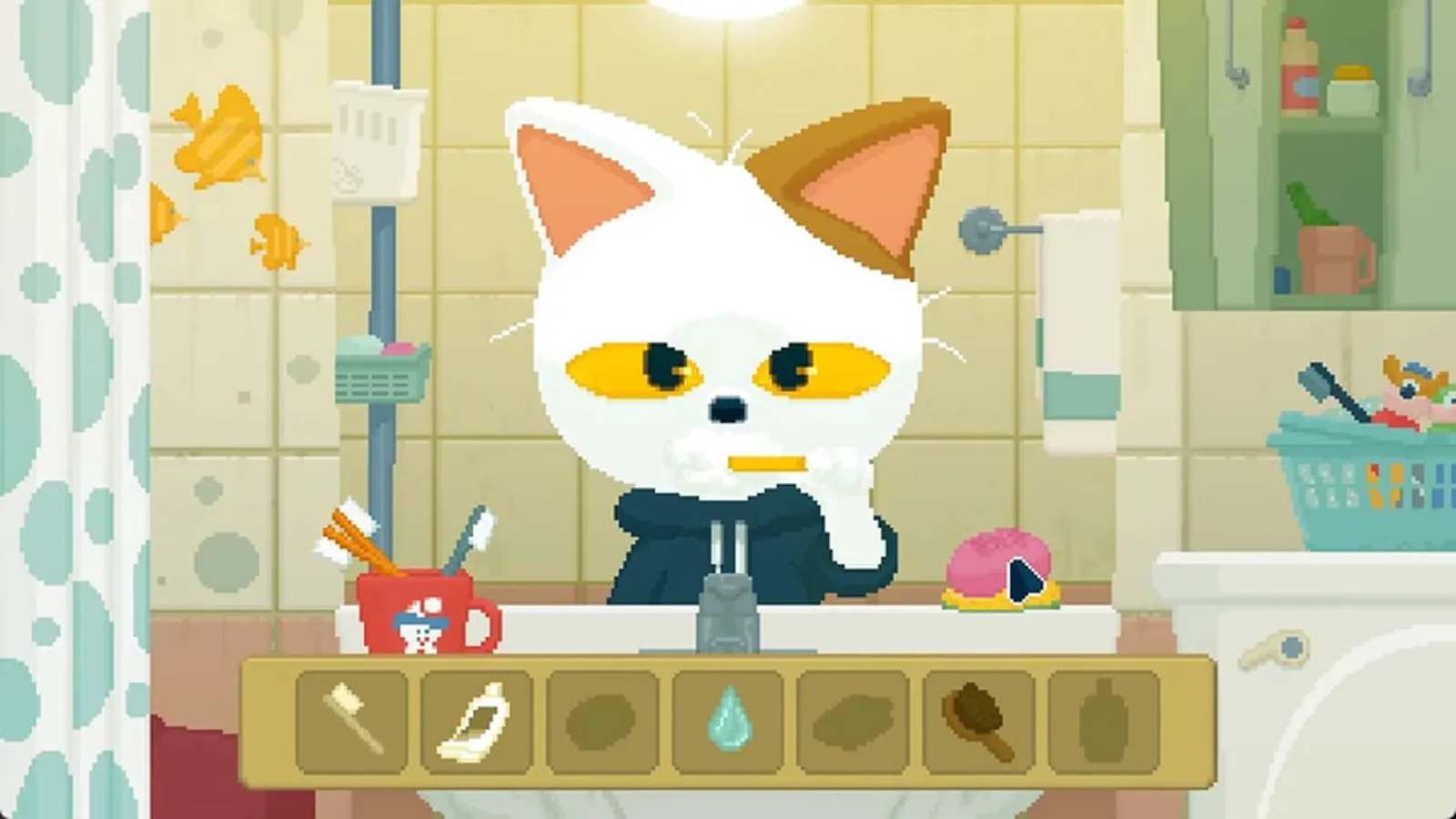
Rather than relying only on text choices, the experience includes immersive mini-games and relationship-building with Jimin's classmates. These elements aim to make players active participants in her daily life rather than distant readers moving from one scene to the next. How extensively these systems develop across the complete game remains to be seen, but their inclusion suggests an effort to make the route toward each ending feel lived-in.
Choice, consequence and replaying Jimin's story
The promise of 12 endings gives players a reason to approach Come to my party! with care and, potentially, curiosity about outcomes they did not see the first time. Since the possible conclusions stretch from happy resolution to disappointment, the game's decision system is designed to support both success and failure as meaningful story results.
That is an important distinction for a narrative game about childhood. Not every emotionally resonant conclusion needs to be triumphant, and not every poor outcome needs to be treated as a joke or a simple game-over state. The premise leaves room for players to consider how Jimin's choices, her circumstances and the behavior of people around her intersect. A birthday party can become the immediate goal, but the larger story concerns how a child responds when affection, approval and social acceptance feel conditional.
The demo provides an accessible way for prospective players to decide whether its style of storytelling is for them. Players interested in visual novels with grounded stakes, period-specific settings and branching endings can now try Demo 2.0 directly on Steam. Those who enjoy the demo can wishlist the game while waiting for further development news.
What comes next for Come to my party!
No release date, price or additional platform plans have been announced. For now, Steam is the confirmed destination, and the continued availability of Demo 2.0 means the game can keep building interest after the close of Steam Next Fest.
Its recent results offer a promising snapshot of where the project stands. Come to my party! has moved past 10,000 wishlists, received a 97.6% positive player rating for its updated demo and reached well over 100,000 impressions during the October event. For an independent visual novel built around one girl's hope for a birthday celebration, those figures show that Jimin's story has already made a memorable first impression.
Whether players ultimately lead her toward the party she dreams of or one of the game's more painful outcomes, the central appeal is clear: Come to my party! takes the intense joys and anxieties of childhood seriously. Its Steam demo offers the first chance to step into that world, meet Jimin and discover how much can rest on a single invitation.



Community
Discussion
Start the conversation.
No comments have been posted yet.