

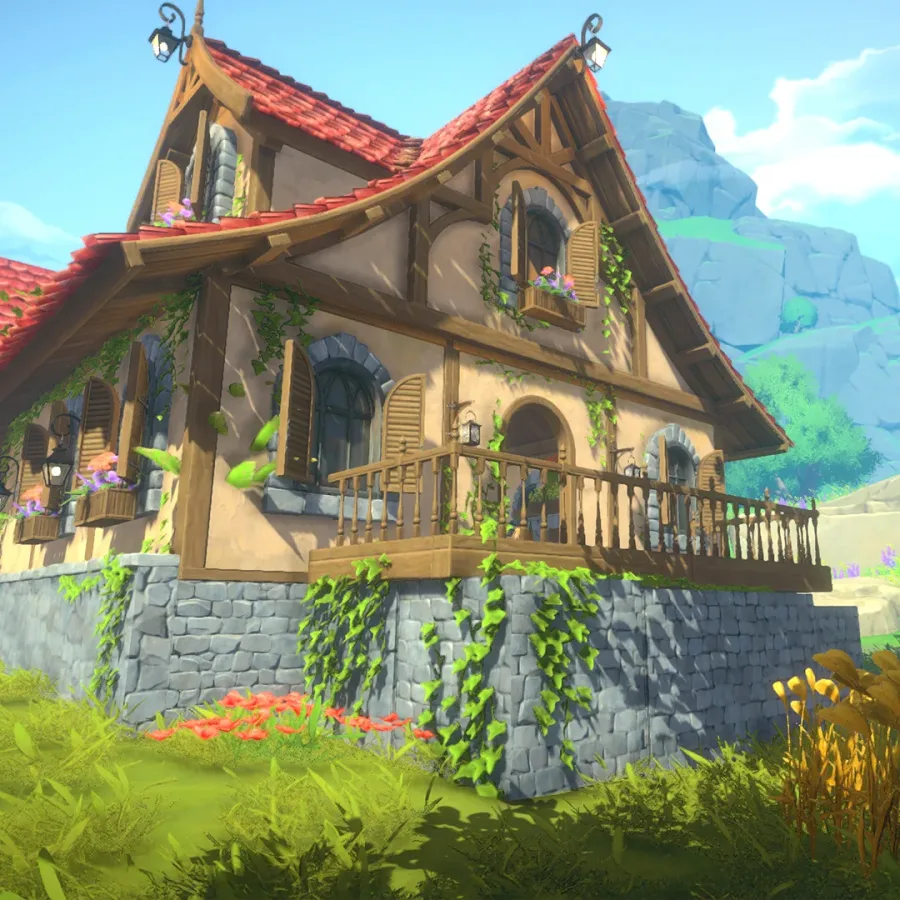
Cozy Builder, the relaxed sandbox construction game from two-person family developer Pangea Game Studios, is now available on Steam. The game is priced at $14.99 and has launched with a 20% discount. It is also available through the indie.io store.
Set in a vineyard valley left quiet after an earthquake, Cozy Builder centers on bringing a damaged community back to life one building at a time. Rather than asking players to survive hostile wilderness, meet rigid building objectives, or race against a clock, the game approaches restoration as an open-ended creative activity. Every home begins in a ruined state, and players decide how to rebuild it using an assortment of architectural pieces and decorative items.
The full release broadens the playable area beyond the game's earlier demo, opening the remaining portions of the valley, adding more building components, and giving players additional hillsides to roam. Alongside its construction tools, the finished game includes character creation, gardening, resource gathering, food production, and online co-op support for two players.
A valley waiting for new foundations
Cozy Builder's premise begins after disaster, but its atmosphere is designed around renewal rather than danger. The earthquake has left the homes of the vineyard valley in pieces, with the community's buildings no longer serving as places for its residents to live. Players arrive to take on the work of restoration, assembling each house from individual elements instead of selecting from a short list of completed blueprints.
For useful background on this topic, read Pokémon Zarza Turns Browser Battles Into a 15-Game Arcade Hub.
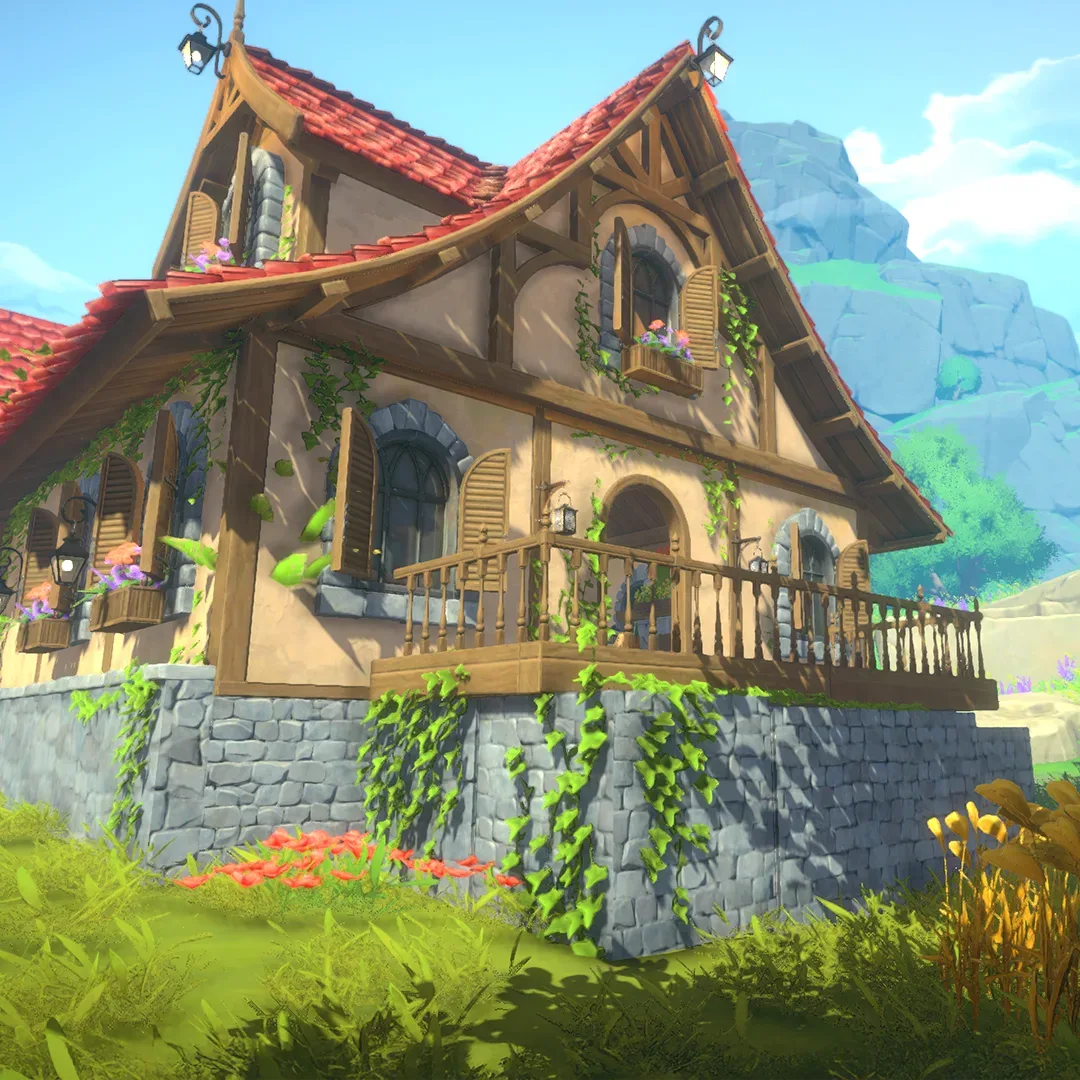
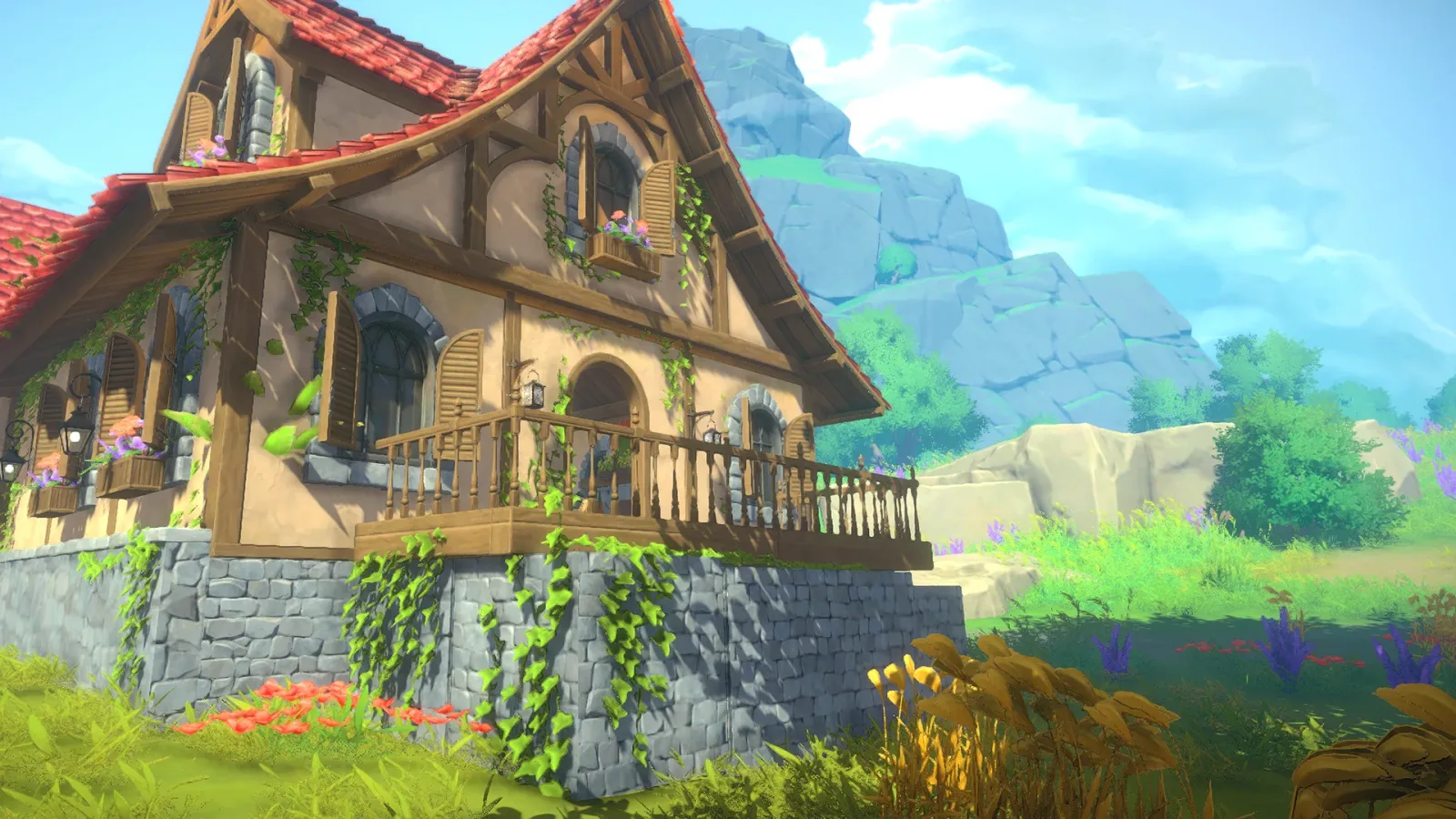
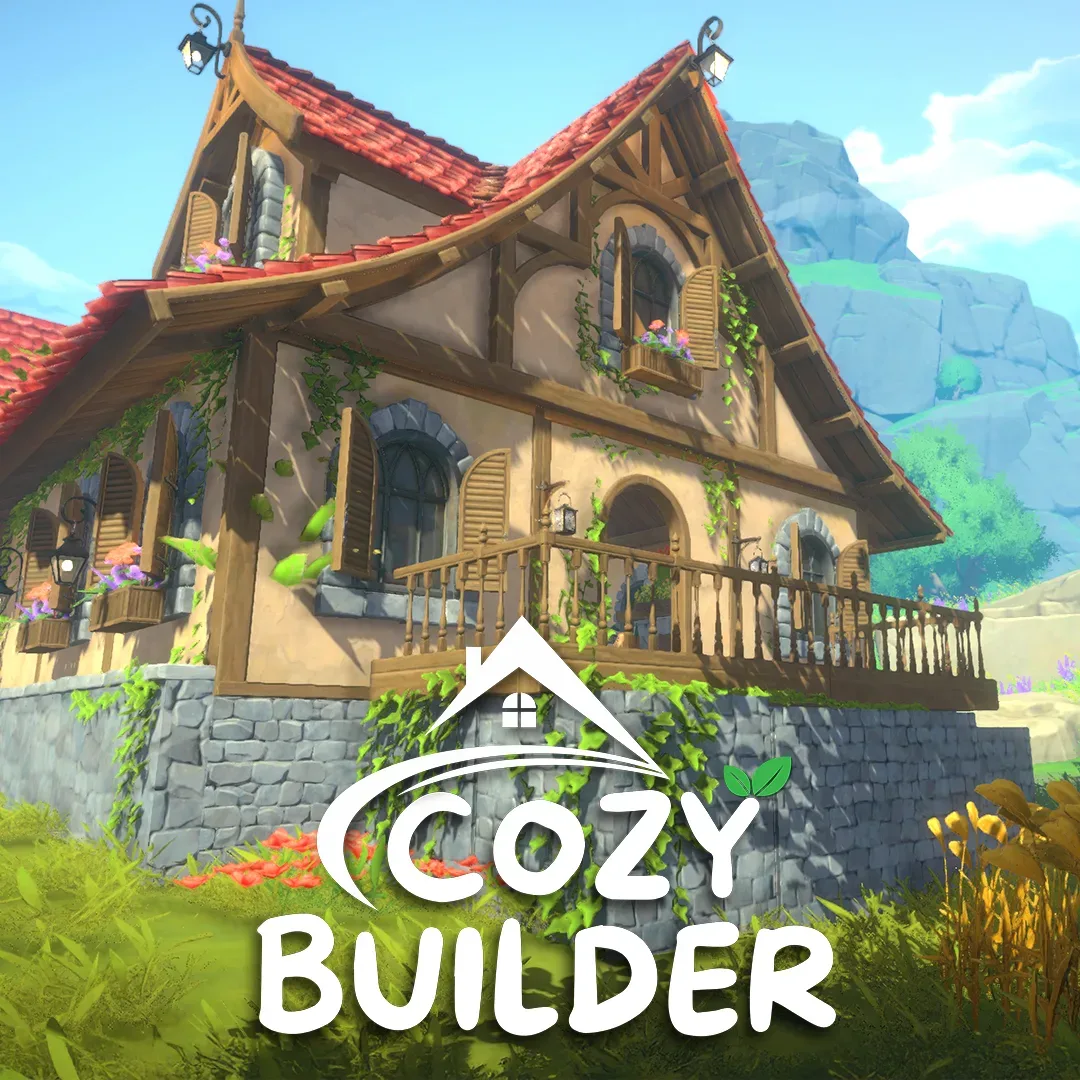
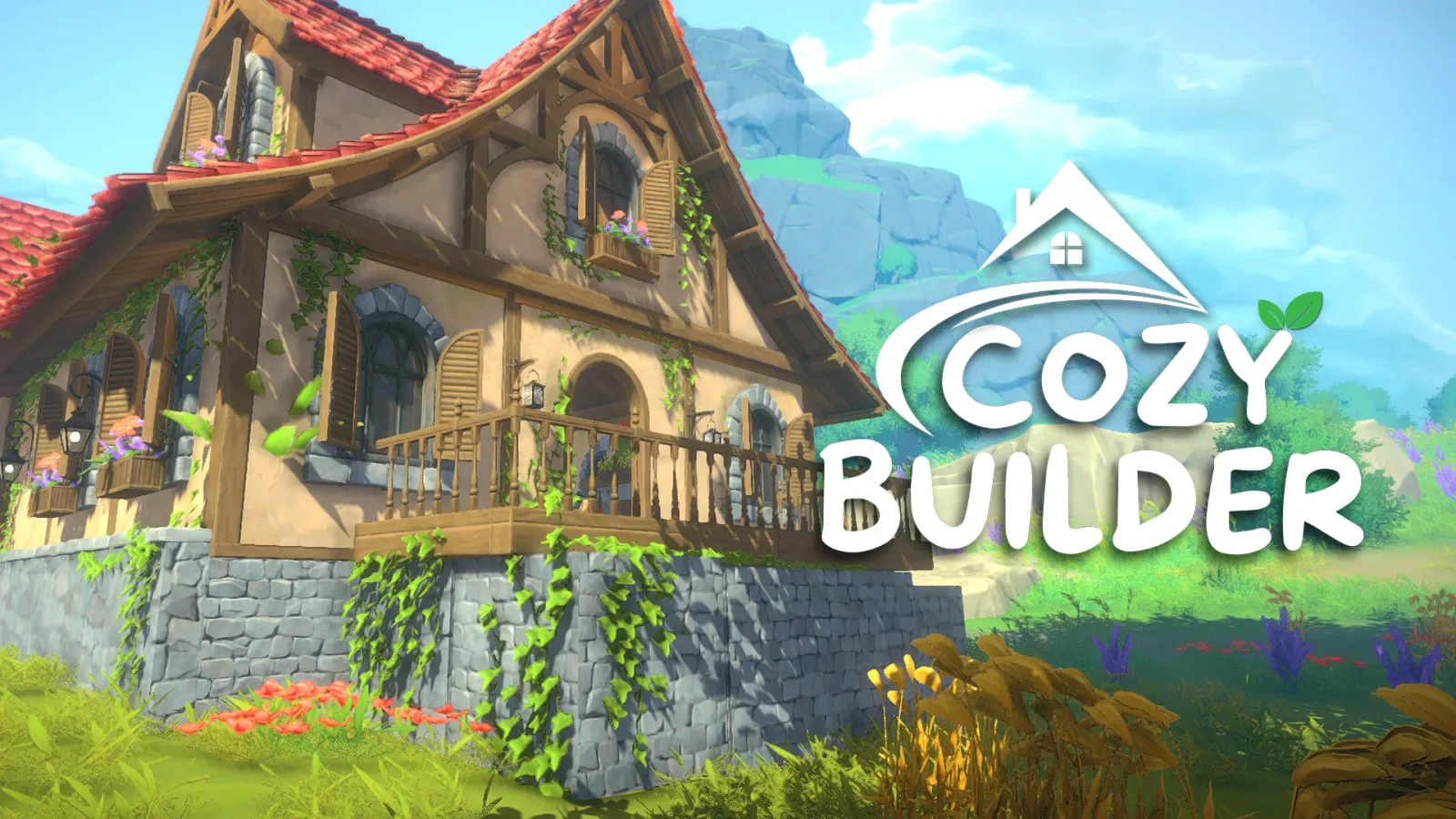
That piece-by-piece approach is central to the game's building system. Players can work with details including dormers, arches, gabled roofs, and curved glass walls, allowing a house to take on a more traditional, rustic, or unusual silhouette depending on the choices made during construction. A small cottage can be made simple and practical, while another structure might lean into wider windows, dramatic rooflines, or an arrangement that reflects the surrounding slope.
The goal is not merely to replace broken walls with matching walls. Rebuilding is presented as an opportunity to establish the identity of each home and, by extension, reshape the visual character of the entire valley. With more than one ruined building to tackle across the landscape, the project can grow gradually from a single repaired house into a restored settlement.
Freeform decoration inside and out
Construction extends beyond exterior architecture. Cozy Builder also emphasizes decorating the spaces players restore, with items and customization intended to cover both interiors and outdoor areas. Kitchen shelves can be dressed up, while exterior spaces can be changed with additions such as ivy. The game does not require players to follow a designated house style, so a consistent village aesthetic is optional rather than mandatory.
That freedom matters for a game built around a cozy creative loop. Some players may prefer warm, lived-in homes full of objects and plants; others may make clean, open spaces that highlight the valley views. Because the buildings start as ruins, the difference between their initial condition and their eventual form should make each restoration feel personal. The construction process is as much about deciding what a place becomes as it is about repairing damage.
The full game's added building pieces give returning demo players more material to work with. Expanded access to the valley also means there are more opportunities to vary the designs from home to home. A hillside residence does not necessarily need to feel like a building nearer the vineyard, and the game's toolkit is meant to support that kind of experimentation.
Foraging, vineyards, and preserves
Although restoring houses is the heart of Cozy Builder, the valley supports a range of gentler activities away from the workbench. The hillsides offer grapes and olives, while players can look for herbs, wildflowers, and rare plants while exploring. These materials feed into production systems that include making wine, jam, and preserves.
The vineyard setting gives the resource loop a clear local identity. Grapes are not simply another collectible: they can become part of the valley's wine-making activity. Likewise, the availability of olives, herbs, and flowers helps make the landscape feel like more than a backdrop for construction. Players are encouraged to explore it, notice what can be gathered, and turn those findings into crafted goods.
There is also a greenhouse for cultivating rare plants discovered during exploration. This gives unusual finds a continuing role after they have been collected, while offering another space players can tend as the settlement develops. The greenhouse fits naturally with a game focused on reviving a place that has been dormant, adding a smaller-scale restoration and cultivation project alongside the larger task of rebuilding homes.
Cooking is another part of the game's peaceful routine. Together with crafting wine, jam, and preserves, it provides ways to engage with gathered ingredients without turning Cozy Builder into a high-pressure farming simulation. Treasure hunting and gem cutting round out the list of activities, offering players reasons to investigate the valley beyond construction materials and harvestable plants.
Residents return as homes are restored
The rebuilding work has a social purpose within the valley. Restored houses become addresses for townsfolk once again, and players can meet and live alongside the local residents. That connection gives each repaired building a role in reviving the community, rather than treating it as a purely decorative structure with no relationship to the world around it.
Cozy Builder's setting is populated, even if its focus remains firmly on calm creative play. Bringing homes back into use means helping make the valley feel inhabited again. The process links visual progress--the repaired roof, decorated kitchen, or ivy-covered wall--to the return of townsfolk and the gradual renewal of everyday life.
Character creation is included in the full game, allowing players to have their own presence within that community. Instead of acting only as an unseen builder moving between projects, players can create a character who exists in the restored landscape and shares it with the residents they encounter.
No combat, failure, or deadline
Pangea Game Studios has designed Cozy Builder around an explicitly low-pressure structure. There is no combat, no fail state, and no time limit. Players can approach a ruined house, a greenhouse project, a hillside forage, or a cooking session in whichever order suits them, without the threat of a countdown or an enemy interrupting the work.
For players looking for a building game where experimentation is not punished, that absence of pressure may be one of the release's defining features. A roof can be reconsidered, a room can be redecorated, and exploration can happen at a leisurely pace. The game's various systems--construction, decoration, gathering, production, cooking, and collecting--are positioned as complementary ways to spend time in the valley rather than demands competing for attention.
The lack of prescribed house style reinforces the same philosophy. Cozy Builder does not frame one architectural solution as the correct answer. Its ruins are starting points, its available pieces are tools, and players are left to determine the form of each restoration.
Solo building or shared restoration
Cozy Builder can be completed solo from beginning to end, making it suitable for players who want to quietly work through the valley at their own pace. Online co-op is also available for playing with a friend. Partners can share a house project or split up to work across separate hillsides.
That flexibility can change the rhythm of a restoration session. Two players might focus together on the details of one home, discussing its layout and decorations as they build. Alternatively, one can forage for ingredients or rare plants while the other continues construction, or each player can claim a different structure in the valley. The game supports collaboration without requiring it, so the same world can accommodate a private solo project or a shared creative space.
With its broader full-game valley, expanded supply of building pieces, and collection of non-combat activities, Cozy Builder arrives as a small-scale sandbox about making a damaged place feel lived in again. Players can now begin that process on Steam or through the indie.io store, whether they want to rebuild alone or bring a friend along for the work.
Community
Discussion
Start the conversation.
No comments have been posted yet.