

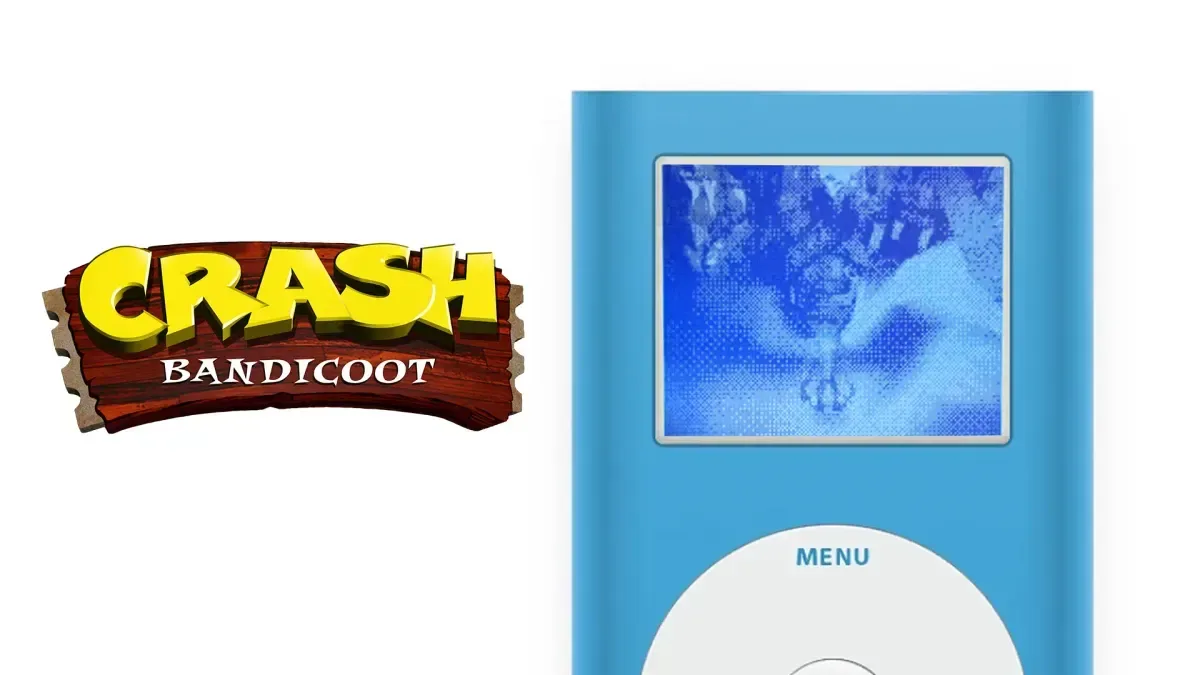
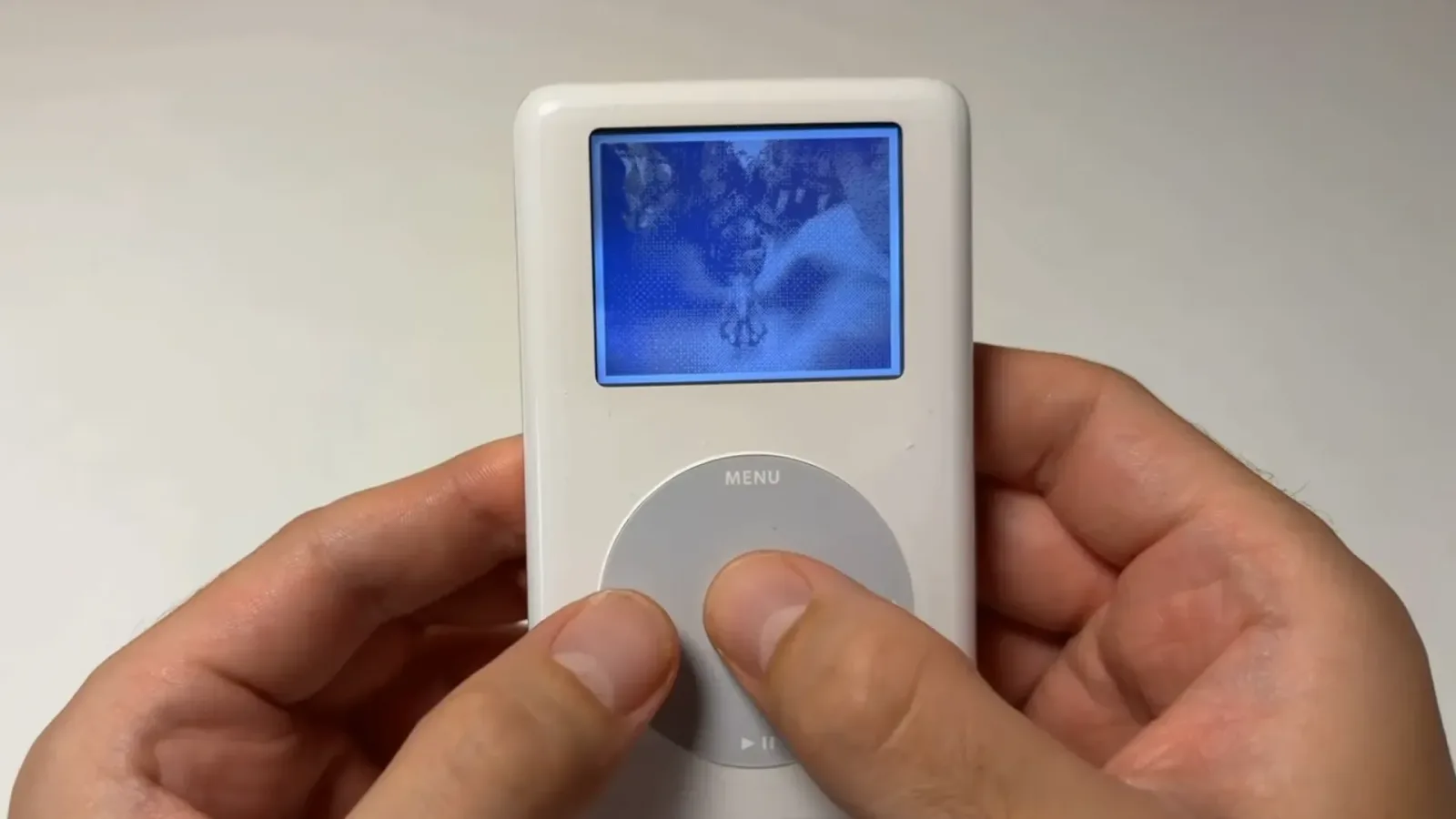
Crash Bandicoot has appeared on a remarkable range of hardware over the years, from its PlayStation roots to handheld systems, phones, modern consoles and PC. But one potential new destination is considerably stranger than most: the monochrome-screen iPod. A project called Sprout, designed as a modern replacement motherboard for several classic Apple music players, has demonstrated a few seconds of the original Crash Bandicoot running on a fourth-generation iPod.
It is an unusual sight. The early iPod's compact display, iconic click wheel and music-player-focused shape are not obvious ingredients for a PlayStation-style 3D platform game. Yet the brief demonstration is an intriguing indication of what may be possible when vintage hardware shells are paired with entirely new internals. Rather than merely upgrading an iPod's storage or battery, Sprout replaces its central logic board, aiming to preserve the familiar exterior while substantially changing what the device can do.
For retro gaming enthusiasts, the appeal is not necessarily that an iPod will become the most comfortable or practical way to play Crash Bandicoot. It almost certainly will not be. Instead, the project represents a broader fascination with restoring aging devices, retaining their physical character, and giving them functions their original designers could never have anticipated.
What Sprout is designed to replace
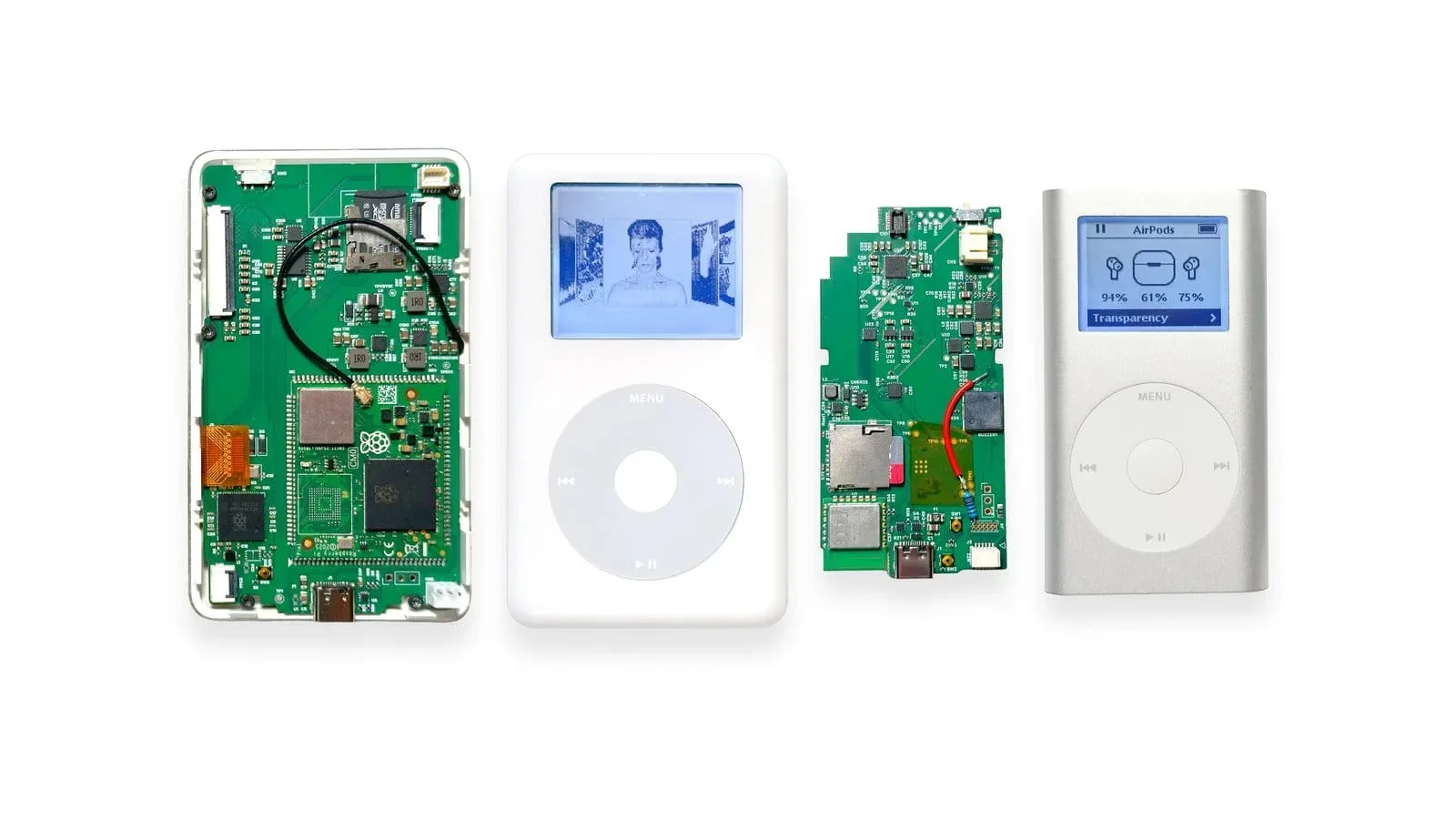
Sprout is a replacement printed circuit board intended for the third-generation iPod, fourth-generation iPod and iPod mini. The installation concept is relatively straightforward: users open the original device, remove its existing board and fit the new one in its place. The project is designed to reuse key original parts, including the case, monochrome LCD, click wheel and ribbon cables.
For useful background on this topic, read Official South Park Discord Shuts Down as Volunteer Mods Cite Lost Support.
That approach separates Sprout from many familiar iPod modifications. A common classic-iPod upgrade involves removing the old mechanical hard drive, installing flash storage and possibly fitting a larger battery. Those changes can greatly improve reliability and capacity, but they generally leave the original software environment and its limitations intact. Sprout instead seeks to modernize the foundations of the device.
The stated feature set includes Bluetooth audio, Wi-Fi, USB Type-C charging, microSD expansion and a dedicated hi-fi DAC. It also supports wired listening through the original 3.5 mm headphone jack. In practical terms, that could let an old iPod work with wireless headphones and speakers while avoiding dependence on the aging connectors, storage hardware and desktop-sync workflows associated with the original experience.
The microSD slot is specified for cards up to 2 TB, which is an enormous jump over the capacities associated with these generations of iPod. USB Type-C is intended for charging and drag-and-drop data transfer, while digital audio output over USB Type-C is also listed. The board additionally supports inline remote controls through USB Type-C and includes two GPIO connections via the wired-remote connector.
Two versions with different goals
Sprout is planned in two configurations: Sprout Pico and Sprout Pi. Both are built to retain the original iPod screen and controls, but their capabilities differ considerably.
Sprout Pico uses a Raspberry Pi RP2350 microcontroller. It is positioned as the more focused music-player option, with instant-on behavior and support for personal music libraries and podcasts. Its emphasis is on making a classic iPod feel immediate and familiar while adding storage and connectivity improvements that make sense in 2026.
Sprout Pi is the more expansive model. It adds a Raspberry Pi Compute Module Zero and is designed to support custom apps, streaming music from Spotify and Apple Music, podcast streaming, and AirPlay streaming. The availability of some services is marked with an asterisk in the project's feature list, so prospective users should treat the exact implementation and supported functionality as subject to confirmation as development continues.
Custom apps are the key detail for gaming. They establish that Sprout Pi is not simply a music player with upgraded components; it is a compact computing platform housed within an old iPod enclosure. Crash Bandicoot's appearance in promotional footage serves as a conspicuous proof of concept for that flexibility.
Crash on a click wheel is a novelty, not yet a promise
The footage of Crash Bandicoot is exciting largely because it is so absurd. Naughty Dog's original PlayStation platformer was famous for pushing Sony's first console aggressively, combining colorful 3D environments, carefully timed hazards and a control scheme built around a conventional directional pad and face buttons. The fourth-generation iPod, by contrast, offers a circular touch-sensitive wheel and a small set of buttons.
That disparity raises obvious questions about control mapping and overall playability. The short demonstration confirms that the game can be shown running on the hardware arrangement, but it does not establish how comfortable the experience will be over a full level, whether all actions are mapped elegantly, or what performance looks like outside the clip. There is also no detailed public breakdown here of the software method being used for the demonstration.
Those caveats matter. A technical proof of concept and a polished, user-friendly gaming application are very different things. Crash's appearance should therefore be viewed as evidence of Sprout Pi's custom-app potential rather than a guarantee of a finished, broadly available Crash Bandicoot release for iPod owners.
Still, unconventional controls have long been part of retro hardware experimentation. Players have put games on calculators, appliances, tiny keychain devices and all manner of modified consumer electronics. In that context, using a click wheel to navigate a classic platformer is less about replacing a gamepad and more about celebrating an improbable technical achievement.
Modern audio specifications inside vintage hardware
Gaming is only one angle of the Sprout project. Its central purpose remains modernizing old iPods as audio players. Both versions list support for MP3, AAC, ALAC, FLAC and Opus codecs, covering common lossy formats as well as multiple lossless options. Audio is handled through a Cirrus Logic CS43131 DAC, routed to the original headphone jack.
Bluetooth support is intended to work with AirPods as well as other wireless headphones and speakers. For people who still enjoy the physical design of an iPod but have moved to wireless listening, that feature could be one of the most meaningful changes. Wi-Fi and USB Type-C further narrow the gap between a vintage device and a present-day portable player.
Sprout Pi is listed with an estimated 40-hour battery life when paired with a 2,500 mAh cell. As with any battery-life claim, real-world results will depend on factors such as streaming use, Bluetooth use, display activity, storage access and the applications running on the device. The stated figure nevertheless suggests that the project is targeting all-day music playback rather than treating the iPod only as a novelty computer.
Installation is described as requiring no soldering, using a screwdriver and plastic opening tool. That makes the concept more approachable than many electronics modifications, although opening old iPods still requires care. Device condition, battery choices and the fragility of aging components can all complicate work on decades-old hardware.
A different kind of preservation
There is a growing appetite for projects that preserve the tactile identity of older technology without requiring users to accept every limitation that came with it. The click wheel is a large part of the classic iPod's appeal. It is instantly recognizable, mechanically simple and closely tied to an era when portable music devices had strong individual identities.
Sprout's design philosophy is to keep that identity visible. The original shell, display and controls remain in service, while the internals gain capabilities associated with newer devices. The result is neither a stock restoration nor a conventional modern handheld. It is a hybrid: an old object with a new technological purpose.
That same philosophy has helped fuel the popularity of Game Boy modifications, custom retro handhelds and hardware restorations across the hobby. In each case, enthusiasts are not only chasing raw convenience. They are also preserving form factor, tactile memory and a particular relationship with physical technology.
Sprout has not yet demonstrated enough to answer every question around app performance, game controls, service support or the final day-to-day experience. But the project has already made its point: the classic iPod can be more than a museum piece or a storage-upgraded music player. If its promised features reach users as intended, it could become a surprisingly capable modern audio device--and, for the adventurous, one of the oddest places ever to see Crash Bandicoot spin into action.
Community
Discussion
Start the conversation.
No comments have been posted yet.