

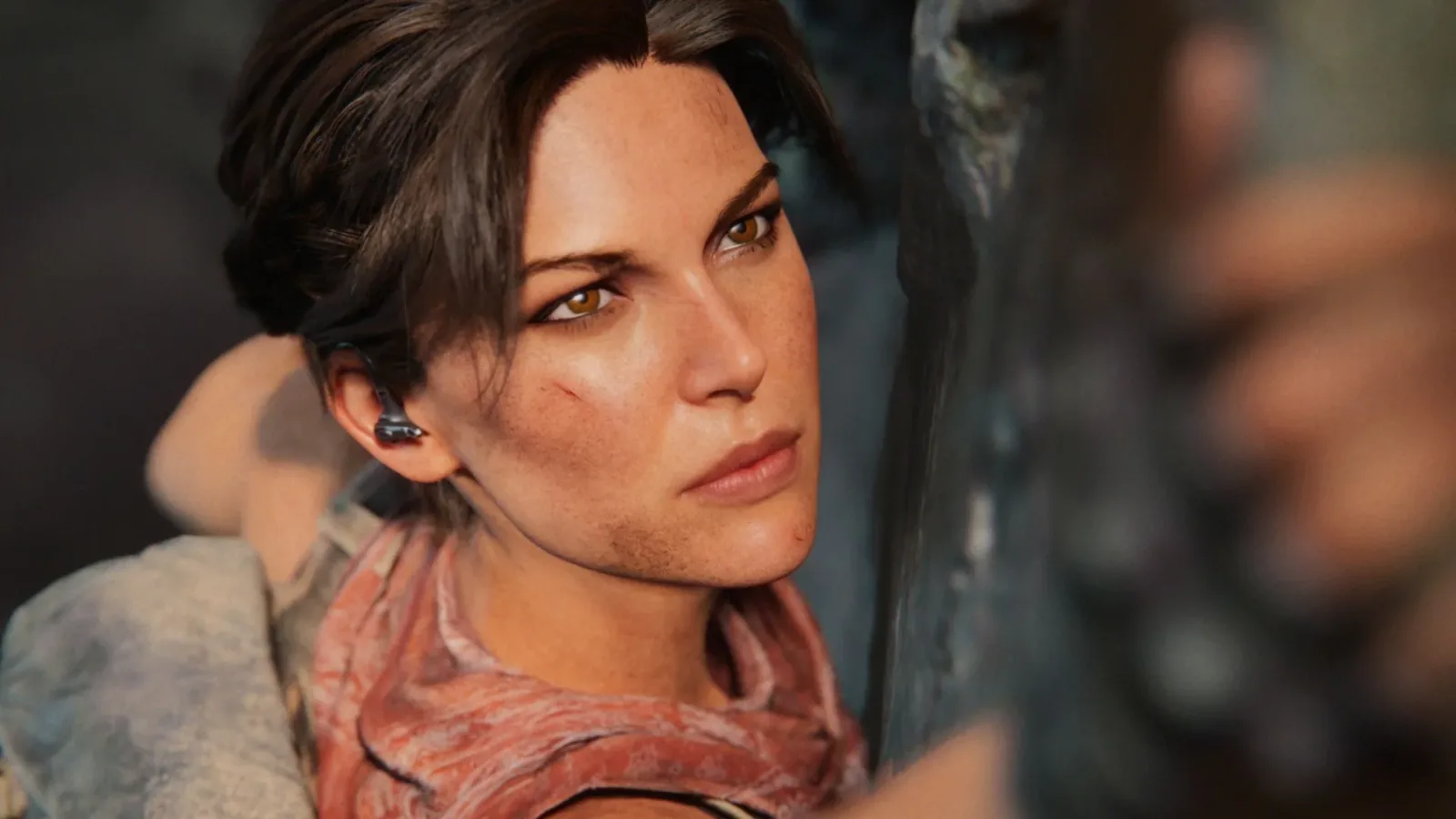
Crystal Dynamics has reportedly carried out another round of layoffs, with several developers publicly saying that their roles at the Tomb Raider studio have been eliminated. The latest reported cuts would mark at least the sixth round of job losses at the company since it last released an original game, 2020's Marvel's Avengers.
The full scale of the latest reduction has not been confirmed, and it is not yet known how the changes will affect the studio's in-development projects. However, the employees who have discussed being laid off publicly include staff whose work histories identify Tomb Raider: Catalyst among their credits. Crystal Dynamics is also working on Tomb Raider: Legacy of Atlantis, another upcoming entry connected to the long-running action-adventure series.
Among those affected is senior game designer Joshua Mitchell, who described the move as the first layoff of his 14-year career in game development. UI software engineer Garin R. K. Richards has also indicated that they were impacted. Senior environment technical artist Kevin Baker is another developer reported to have been cut from the studio.
Baker's listed work included leading development on procedural tools that were used extensively in building the game world for Tomb Raider: Catalyst. His credits also say that Claude Code was integrated into procedural-tool development. That detail suggests Crystal Dynamics has been exploring generative AI-assisted workflows in technical production for the new Tomb Raider project, alongside previously known AI-related work on Legacy of Atlantis.
For useful background on this topic, read BLACK LAKE story trailer Reveals a Haunting Search Across an Endless Black Ocean.
Another difficult moment for a studio in transition
For Crystal Dynamics, the reported layoffs continue a difficult period that has stretched across several years of corporate changes, project uncertainty, and repeated workforce reductions. The studio has not shipped a new original release since Marvel's Avengers arrived in 2020. While the live-service superhero game represented an ambitious attempt to operate one of the industry's biggest licensed properties, its post-launch path was short-lived, and support concluded after the game's commercial and critical challenges.
Since then, Crystal Dynamics has been acquired by Embracer Group, whose years of rapid expansion were followed by significant financial upheaval and a wide-ranging restructuring effort. Embracer's cost-cutting campaign affected studios and workers across its portfolio. In 2023, the wider company had said Crystal Dynamics would not be affected by its ongoing layoffs, but job cuts reached the Tomb Raider developer a few months later.
Including the newly reported reductions, there have now been five additional rounds of layoffs at Crystal Dynamics after that 2023 action. Three separate sets of cuts occurred during 2025. Those reductions came both before and after the cancellation of Perfect Dark, the Microsoft project that Crystal Dynamics had been co-developing.
The end of Perfect Dark removed a prominent project from the studio's slate and added to the uncertainty surrounding its future workload. Crystal Dynamics had been working alongside The Initiative on the reboot, but Xbox cancelled the game amid broader changes to its organization. The cancellation was particularly notable because it followed years of development and had positioned Crystal Dynamics as a major partner on one of Xbox's high-profile revivals.
Tomb Raider remains the studio's central focus
Despite the repeated staffing reductions, Crystal Dynamics said in March 2026 that it remained fully committed to its upcoming Tomb Raider games. That statement followed another round of layoffs and made clear that the company intended to continue work on the franchise even as the size and structure of the team changed.
The current reports do not establish whether the newest layoffs have altered the scope, schedule, or staffing plans for either Tomb Raider: Catalyst or Tomb Raider: Legacy of Atlantis. No release dates, target platforms, or launch windows for the games have been detailed here, and no announcement has outlined a direct production consequence from the latest cuts.
Still, the fact that all three developers currently known to have spoken about their departures list Catalyst in their work histories naturally raises questions about how development duties will be redistributed. Large-scale game production depends on institutional knowledge across design, engineering, art, world building, quality assurance, production, and technical pipeline teams. The loss of specialists can require remaining teams to reassign responsibilities, rebuild workflows, or bring in new personnel with time to learn a project's tools and goals.
That is especially relevant in the case of technical art and procedural world-building systems. Procedural tools can help a team construct, populate, test, and revise expansive environments more efficiently. They are not merely background technology; the people maintaining them often sit at the intersection of artistic direction and engineering. When those roles change hands, preserving documentation and workflow continuity can be as important as filling a headcount gap.
AI tools add another point of discussion
The mention of Claude Code in Baker's work history has also drawn attention because artificial intelligence remains one of the most contested subjects in game development. Studios are examining a broad range of AI tools for uses that can include coding support, asset organization, rapid prototyping, testing, localization support, and procedural pipelines. At the same time, developers, players, and labor advocates have raised questions around job security, authorship, quality control, data sourcing, and transparency.
It is important to distinguish between a developer using AI-assisted tools in a technical workflow and a complete description of how a game is made. The currently available information does not provide a full account of Crystal Dynamics' internal policies, the exact role such tools play across the project, or whether their use affects final game content. It does, however, indicate that generative AI-related technology has been part of the conversation around the studio's upcoming Tomb Raider work.
For employees, the juxtaposition can be uncomfortable. Game developers have faced a prolonged wave of layoffs across publishers, independent teams, platform holders, and service companies, even as firms invest in automation and new production technology. The human consequences of those changes are immediate: experienced people lose positions, teams lose colleagues, and projects must adapt in ways that are rarely visible to players until much later.
What happens next remains unknown
Crystal Dynamics has not publicly detailed how many jobs were affected in this latest reported round, which departments were involved beyond the employees who have come forward, or whether further changes are planned. Until the company shares a fuller statement, it will be impossible to assess the breadth of the reduction or its precise effect on the Tomb Raider roadmap.
What is clear is that the studio's next release will arrive after a lengthy gap. By the time Crystal Dynamics delivers its next original game, it will be doing so following years of ownership shifts, halted projects, changing production strategies, and at least six reported rounds of layoffs since Marvel's Avengers. The Tomb Raider name remains one of the most recognizable franchises in games, but the team tasked with carrying it forward has repeatedly had to navigate upheaval behind the scenes.
For now, the immediate focus is on the developers affected by the cuts and on whether they can find new opportunities quickly in an industry that remains turbulent. Meanwhile, fans waiting for news on Tomb Raider: Catalyst and Tomb Raider: Legacy of Atlantis will likely be watching closely for any official update on the projects' progress, staffing, or eventual release plans.
Community
Discussion
Start the conversation.
No comments have been posted yet.