

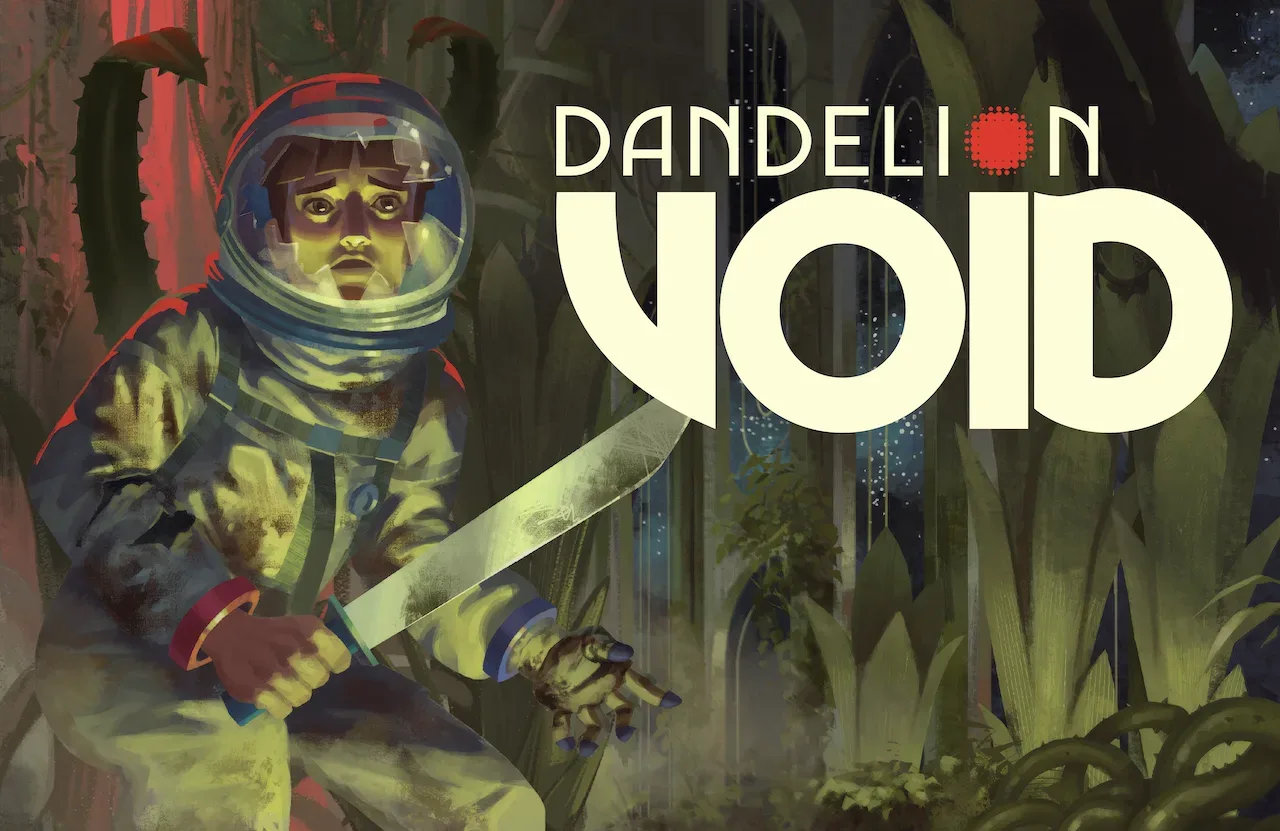
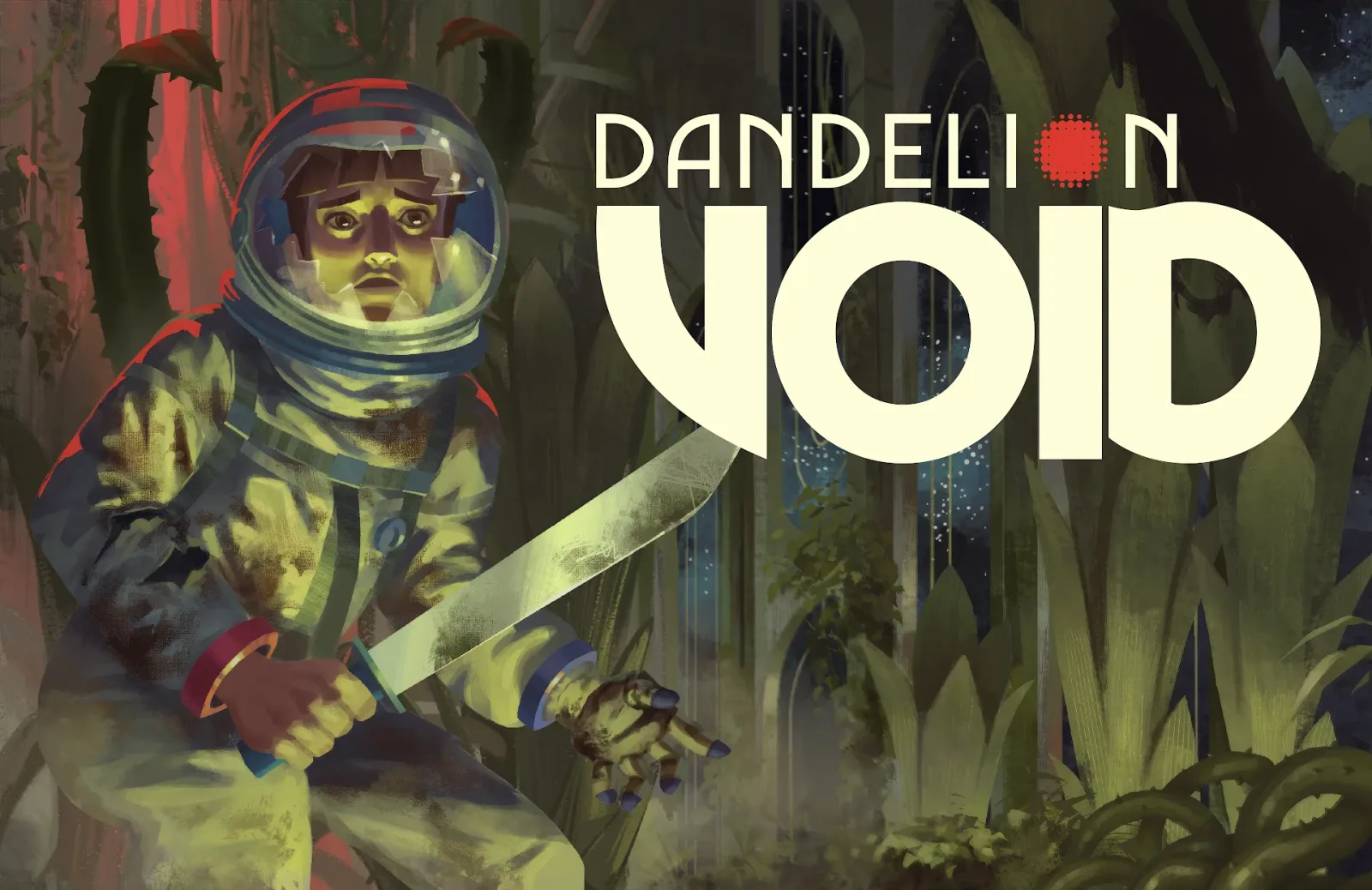
Dandelion Void, a single-player survival horror game set inside a decaying generation ship, has released its first public demo for PC. Publisher Kwalee and worker-owned developer Manzanita Interactive confirmed the game is planned to enter PC Early Access in 2027, while the newly available demo offers an early look at the dangers, systems, and unanswered questions waiting aboard the arkship Pergola.
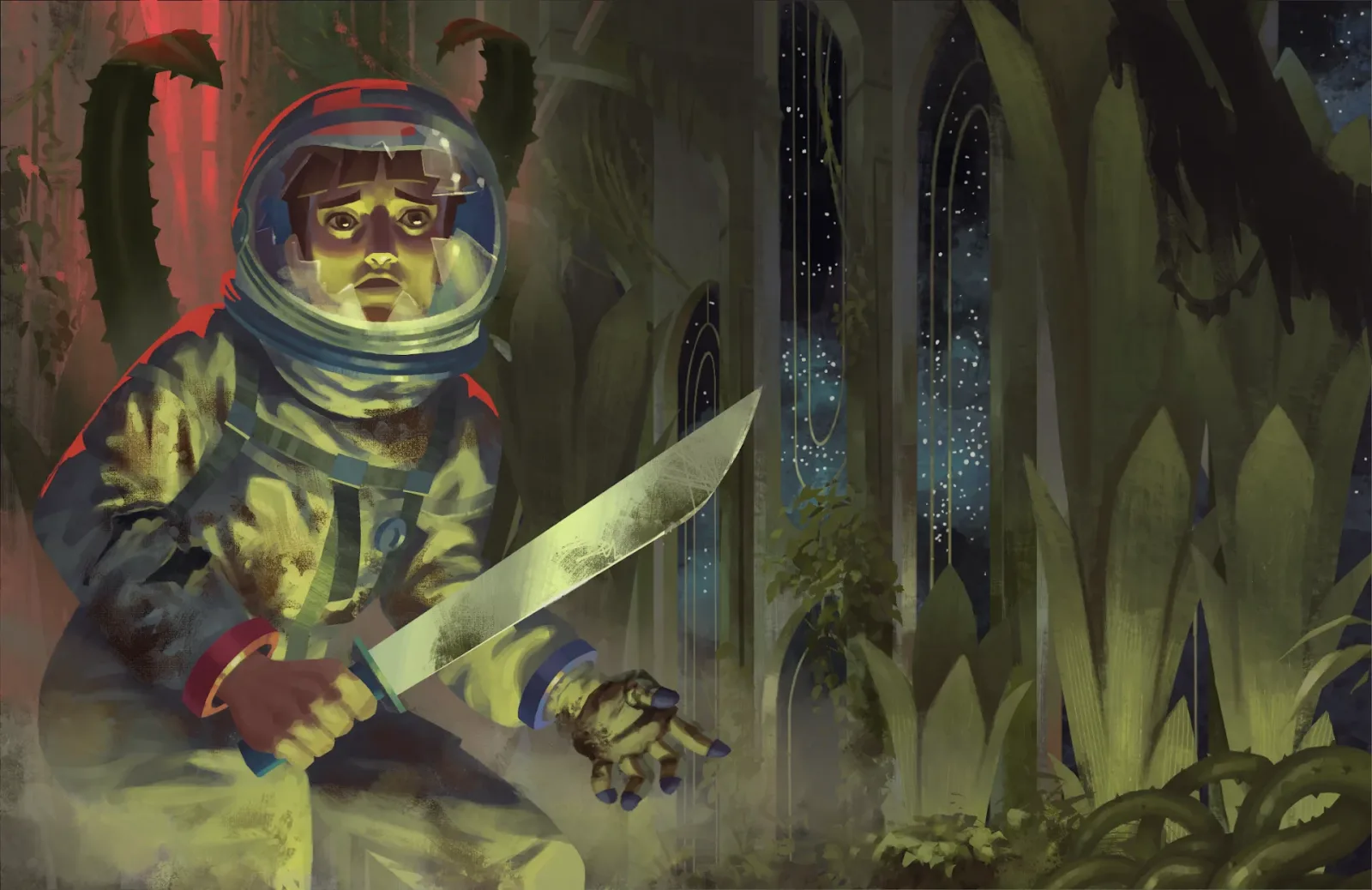
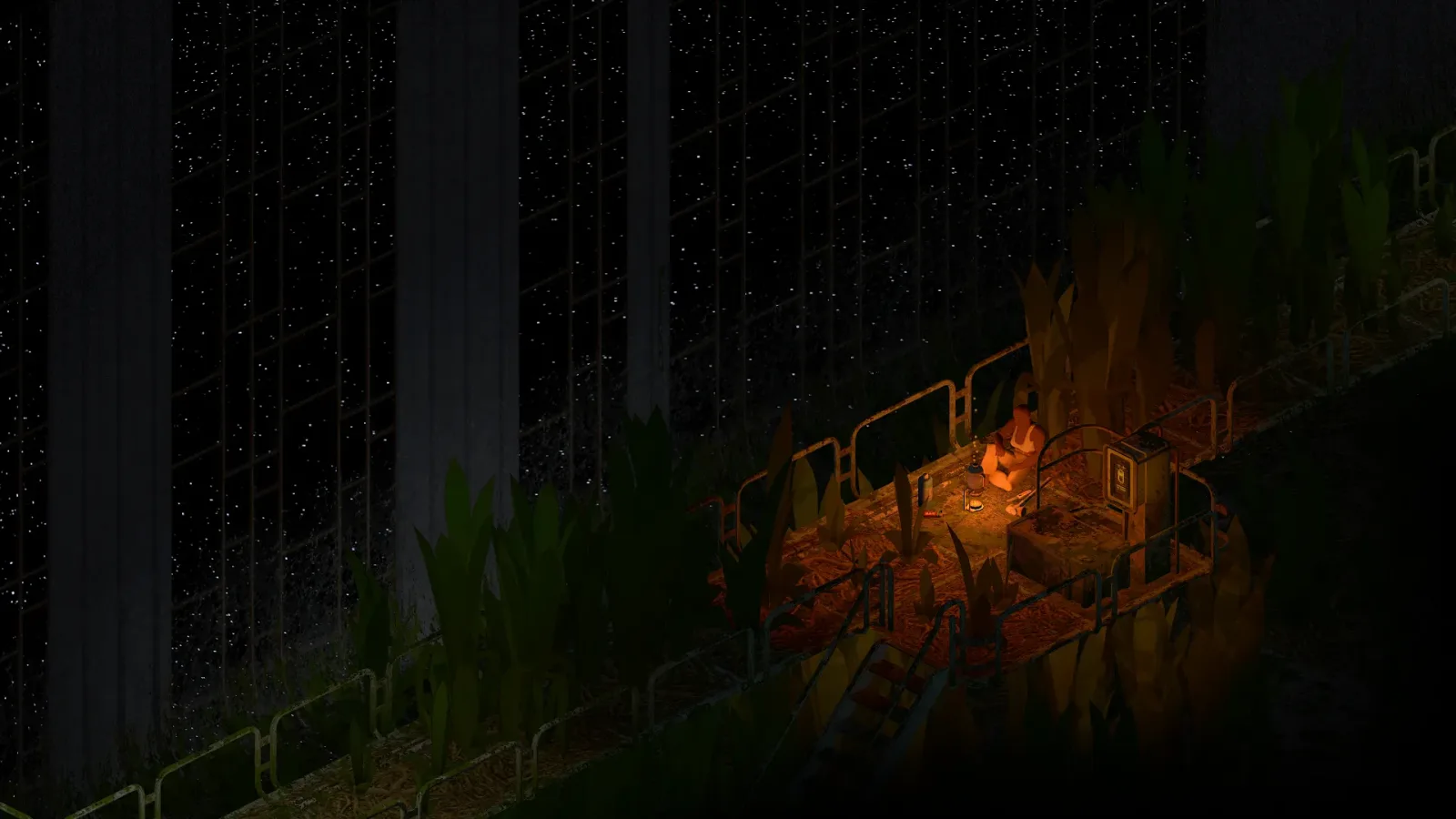
The demo places players in the foliage-strangled corridors of the Pergola, a vessel that was built to carry people across the vast distances of space but has become a hostile, derelict environment. Its halls are no longer orderly living spaces. They are choked by jungle growth, damaged by time and disaster, and occupied by unfamiliar threats. Players will be able to learn how the ship functions, confront early enemies, and begin piecing together what became of the Pergola and the people who once called it home.
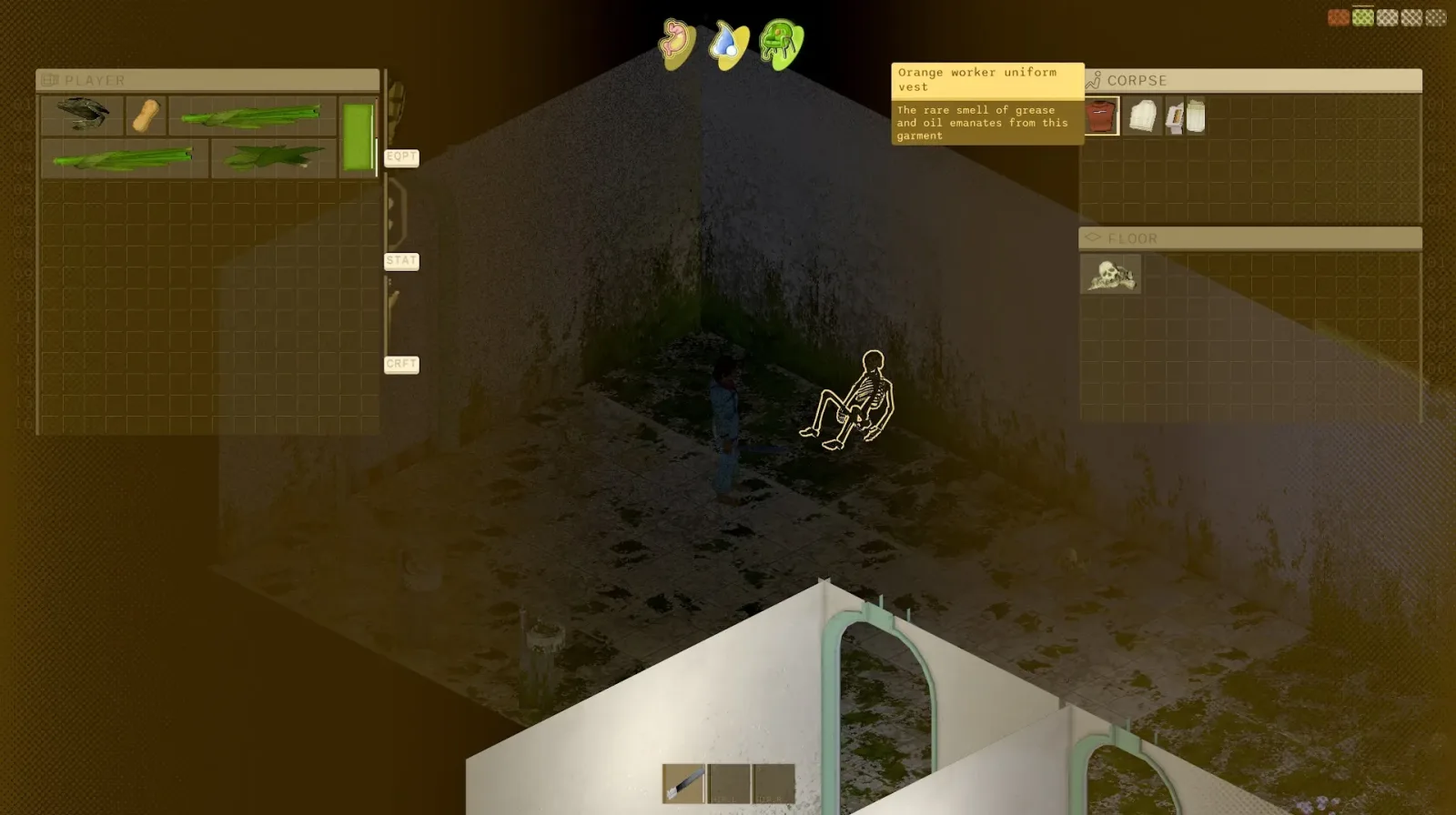
Rather than presenting survival as a simple matter of finding ammunition and moving on, Dandelion Void is built around adapting to a failing world. The ship itself is a source of tools, shelter, dangers, and mystery. Everything from old equipment to abandoned clothing may have value, but players will need to decide what is worth carrying, repurposing, or saving for a later emergency.
A generation ship consumed by its own wilderness
The central setting of Dandelion Void is a generation ship, the kind of enormous interstellar vessel intended to support multiple generations of human life during a voyage. That concept gives the Pergola a scale and history that goes beyond a conventional haunted spaceship. It was designed as a long-term home, with rooms and systems made for people to live, work, and endure. Now those same spaces have become unstable ruins.
For useful background on this topic, read Former Dragon Age Lead Blames Annual Release Pressure for The Veilguard's Troubled Path.
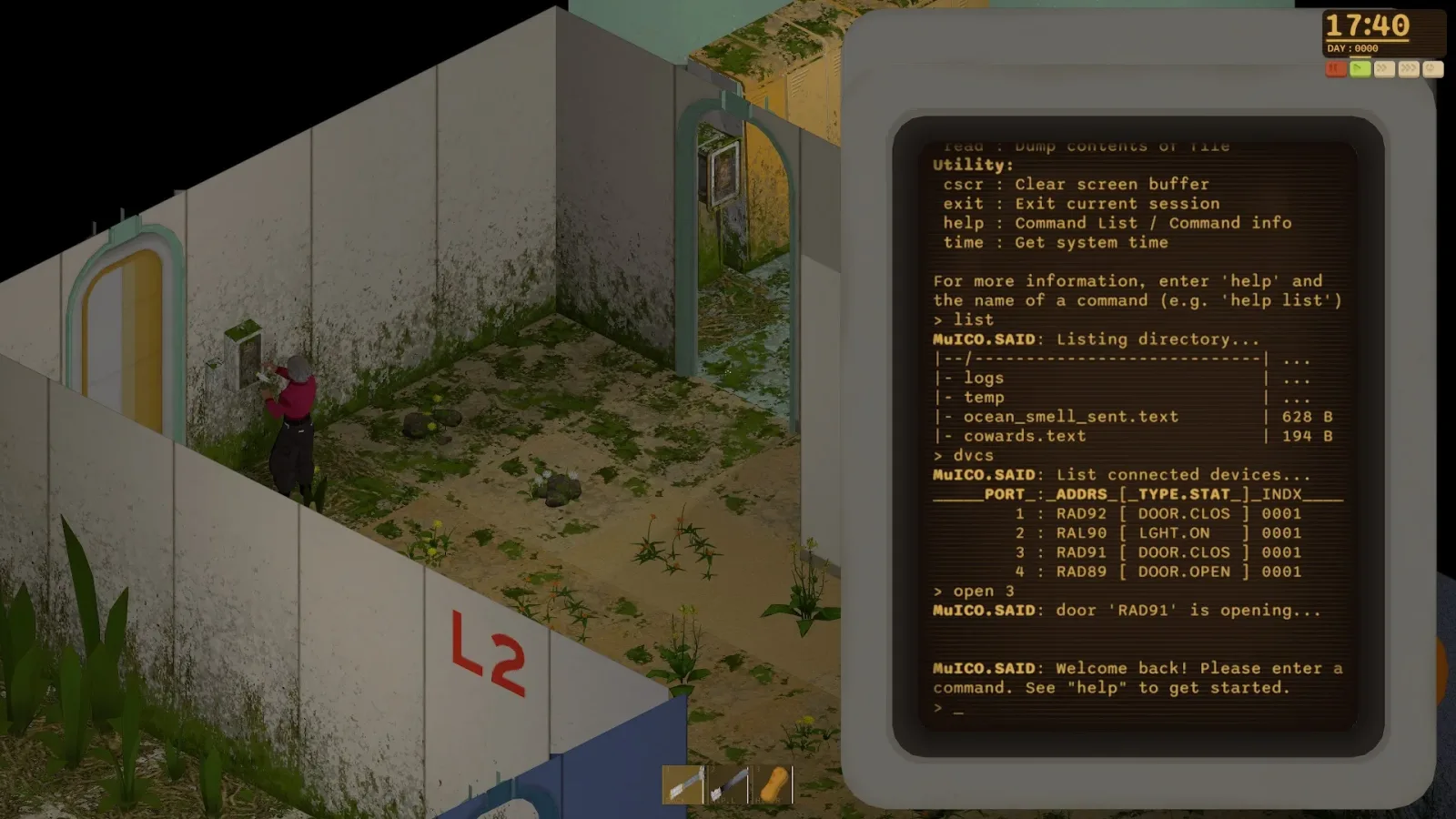
Manzanita Interactive describes the Pergola as an arkship overtaken by dense vegetation and decay. The result is a setting where technology from an older imagined future sits beside rapidly evolving plant life. Players will scavenge 1970s-era technology alongside practical survival supplies, weapons, and clothing. This period-inspired equipment helps establish a distinct identity for the game's sci-fi setting: one that looks toward space travel through the design language and machinery of an earlier era.
The vegetation is not merely decorative. The ship's botanical growth is part of the threat. Highly evolved botanical horrors inhabit the Pergola, turning the idea of an enclosed habitat into something more unsettling. In a place that should have been carefully regulated and self-sustaining, nature has expanded beyond control. That contrast between artificial structure and aggressive overgrowth appears to be at the heart of the game's horror.
The Pergola is not simply a backdrop for exploration. Its damaged systems, unstable rooms, and spreading wilderness are designed to make survival an ongoing problem.
Scavenging, shelter building, and keeping morale intact
Survival on the Pergola will involve more than avoiding monsters. Players must search the ship for useful materials and then find ways to make those items serve new purposes. Tools, clothing, weapons, and old technology can be scavenged and repurposed, supporting an approach where resourcefulness matters as much as direct combat.
Establishing safe spaces is another major part of the experience. Abandoned chambers throughout the ship can be turned into shelters and bases, giving players places to regroup amid the wreckage. In a survival horror game, a base can be more than storage. It can be a temporary line of defense against the unknown, a staging point for expeditions, and a small measure of control in an environment where much has gone wrong.
Players will also have to manage fundamental needs including hunger, thirst, comfort, and morale. The inclusion of comfort and morale suggests that the game is interested in the psychological pressure of surviving alone in a compromised arkship, not only the immediate physical necessities. A character may have enough food or water to continue, but that does not necessarily mean they are in a good state to face the next crisis.
The list of environmental risks is extensive. Starvation is one danger, but it is joined by shipquakes, collapsing structures, broken airlocks, and hazardous materials. Each of these hazards reinforces the sense that the Pergola is deteriorating around the player. A room may offer valuable supplies, yet reaching it could demand a decision about whether the potential reward is worth exposure to structural damage, contamination, or a loss of breathable air.
A hand-authored map with changing conditions
Dandelion Void will feature a hand-authored ship map, meaning the Pergola has been deliberately designed rather than assembled entirely from procedural pieces. That can allow the setting's story, architecture, and key locations to carry a more intentional sense of place. The ship is still not meant to be completely predictable, however.
Randomized overgrowth and decay will modify the map, changing the challenges players face from run to run. This means the broad layout can remain recognizable while its condition varies. A familiar path may be blocked by growth in one attempt, while another area could become more dangerous due to structural damage or altered environmental conditions. The system aims to make repeat trips through the ship less routine without abandoning a crafted setting.
That combination is especially fitting for the premise. The Pergola is presented as a real place with a past, but it is also a living and deteriorating system. Randomized changes can help communicate that the vessel is continuing to shift, break down, and be reclaimed even when the player believes they understand it.
Customization and a story shaped by who survives
Before entering the ship's dangers, players will be able to customize their character through lineage, backstory, and traits. These choices point toward an experience where the survivor is not simply an interchangeable figure dropped into the Pergola. Their history and qualities may help frame how players approach the game's challenges and the kind of person attempting to uncover the ship's fate.
The announcement does not detail exactly how lineage, backstory, and traits will alter gameplay. Still, their presence creates room for different survivor identities and potentially different priorities when resources are scarce. In a game concerned with hunger, comfort, morale, and hazardous exploration, defining a character beyond basic appearance could make each attempt feel more personal.
The immediate demo is single-player, giving players a chance to experience the atmosphere and core survival loop on their own. The full game is also planned to include optional co-op multiplayer at launch. Players will be able to use peer-to-peer play or player-hosted servers, allowing groups to tackle the ship's dangers together without the announcement pointing to a requirement for dedicated official servers.
Co-op could significantly change the tone of the experience. A lone survivor must handle every decision, repair, scavenging trip, and frightening encounter alone. A group can divide responsibilities, establish a more ambitious base, and support one another, but it may also create new pressure around shared resources and risky expeditions. The important point is that multiplayer is intended as an option rather than replacing the solitary horror focus of the demo.
Mod support is part of the launch plan
Manzanita Interactive has also outlined substantial modding plans for Dandelion Void. Full mod support is planned at launch, alongside a custom map editor and a Lua API. The tools are intended to let the community make maps, clothing, weapons, and scripted scenarios.
That is a broad set of possibilities for a game built around a flexible survival sandbox. Custom maps could take the core systems into entirely different layouts and environments, while new gear and weapons may support alternative playstyles. Scripted scenarios could be particularly useful for creators who want to build focused survival challenges or narrative-driven situations within the game's framework.
The game is directed by Brian Ostrander, known as the creator of the Save Our Station! mod for Project Zomboid. That background aligns naturally with a project emphasizing systems-driven survival, player-created content, and a hostile enclosed setting where practical preparation can matter as much as quick reactions.
What the demo offers now
The debut demo serves as the first opportunity for players to step aboard the Pergola themselves. It introduces the ship's systems, its early hostile inhabitants, and the opening clues surrounding the disaster that overtook the vessel and its population. It is not the full Early Access release, but it establishes the major ideas behind the project: scavenging under pressure, maintaining a survivor's wellbeing, building refuge in wrecked compartments, and pushing deeper into a place being consumed by something alien and botanical.
With PC Early Access planned for 2027, Dandelion Void still has time before its broader launch phase begins. The demo gives survival horror fans a chance to see how its retro-futurist technology, customizable survivors, mutable ship conditions, and oppressive plant-infested setting come together. For now, the Pergola offers only a first glimpse of its ruined interior--but it is already clear that surviving the voyage will require more than finding a way out.

Community
Discussion
Start the conversation.
No comments have been posted yet.