

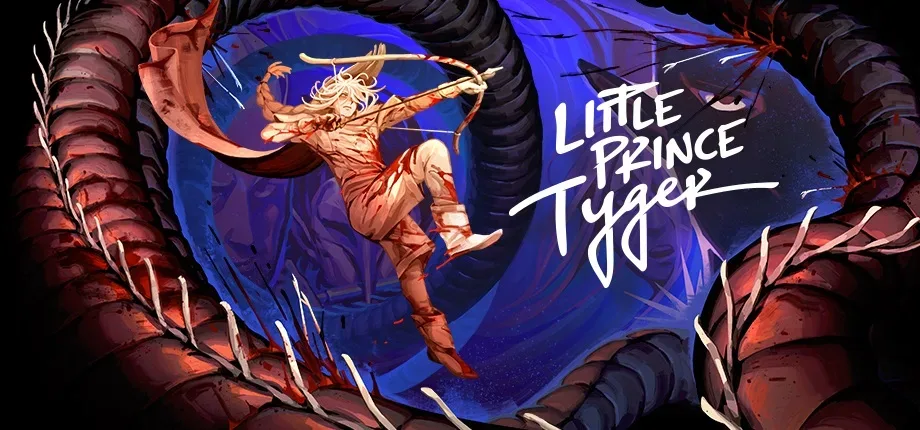
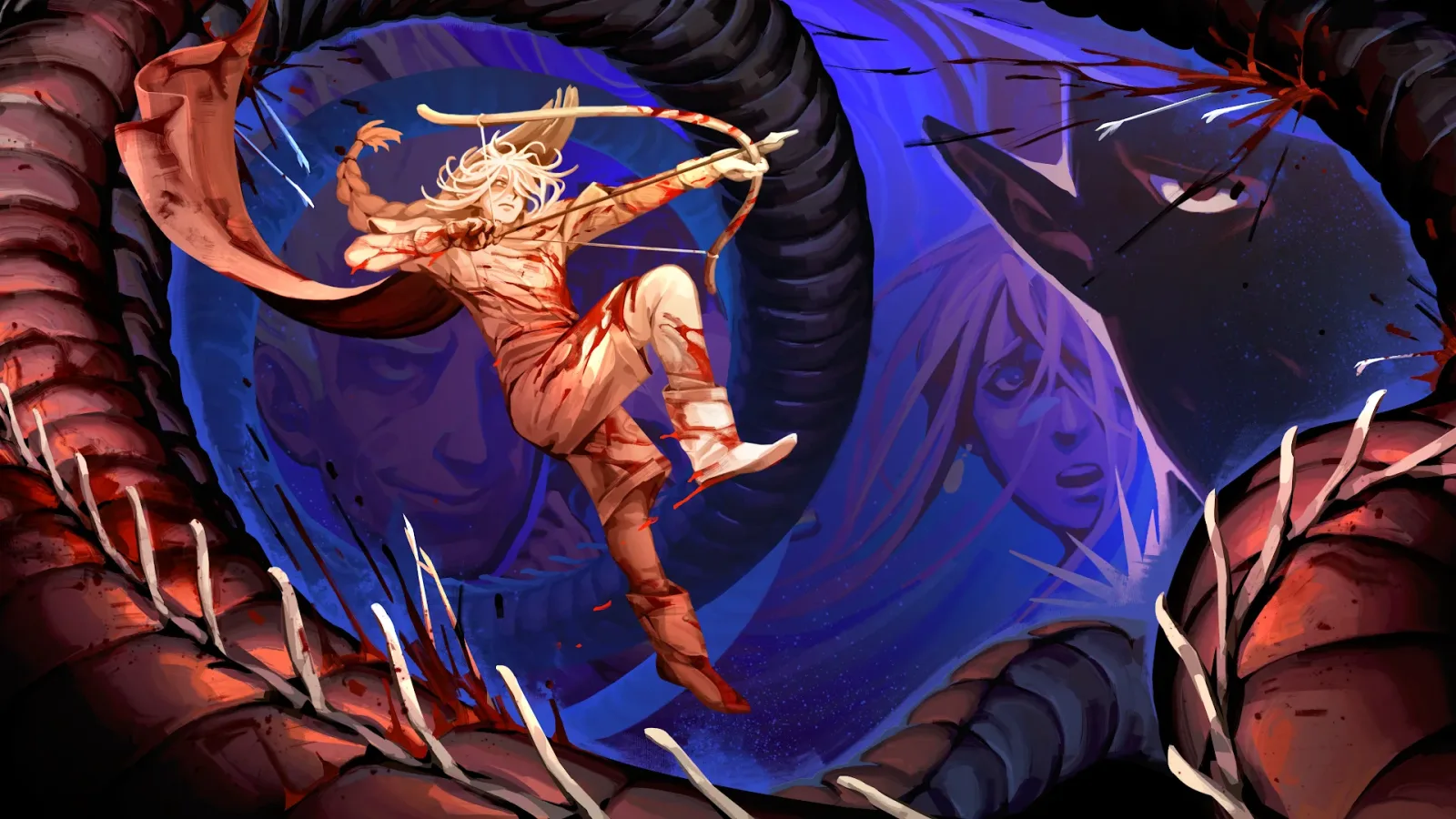
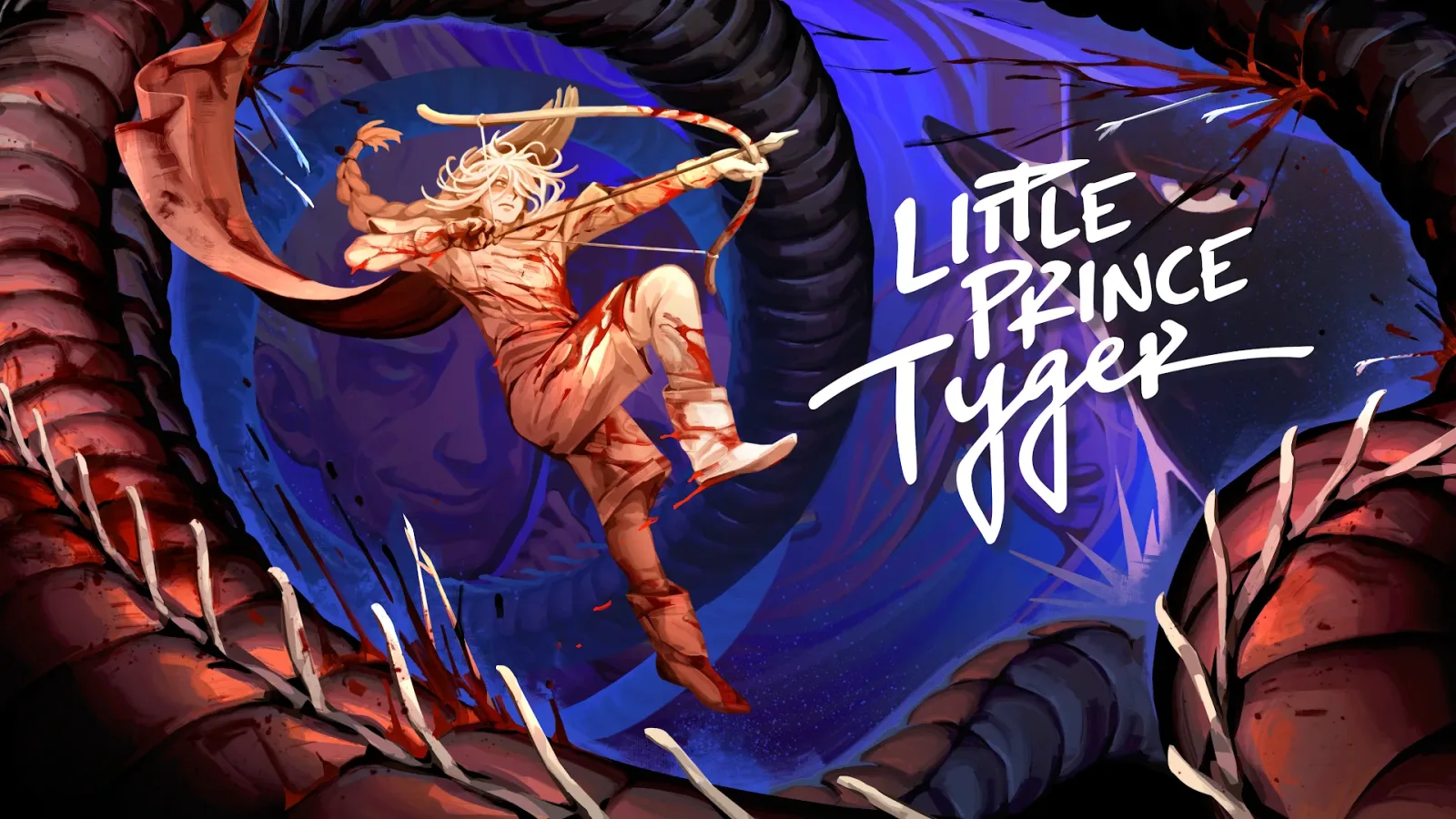
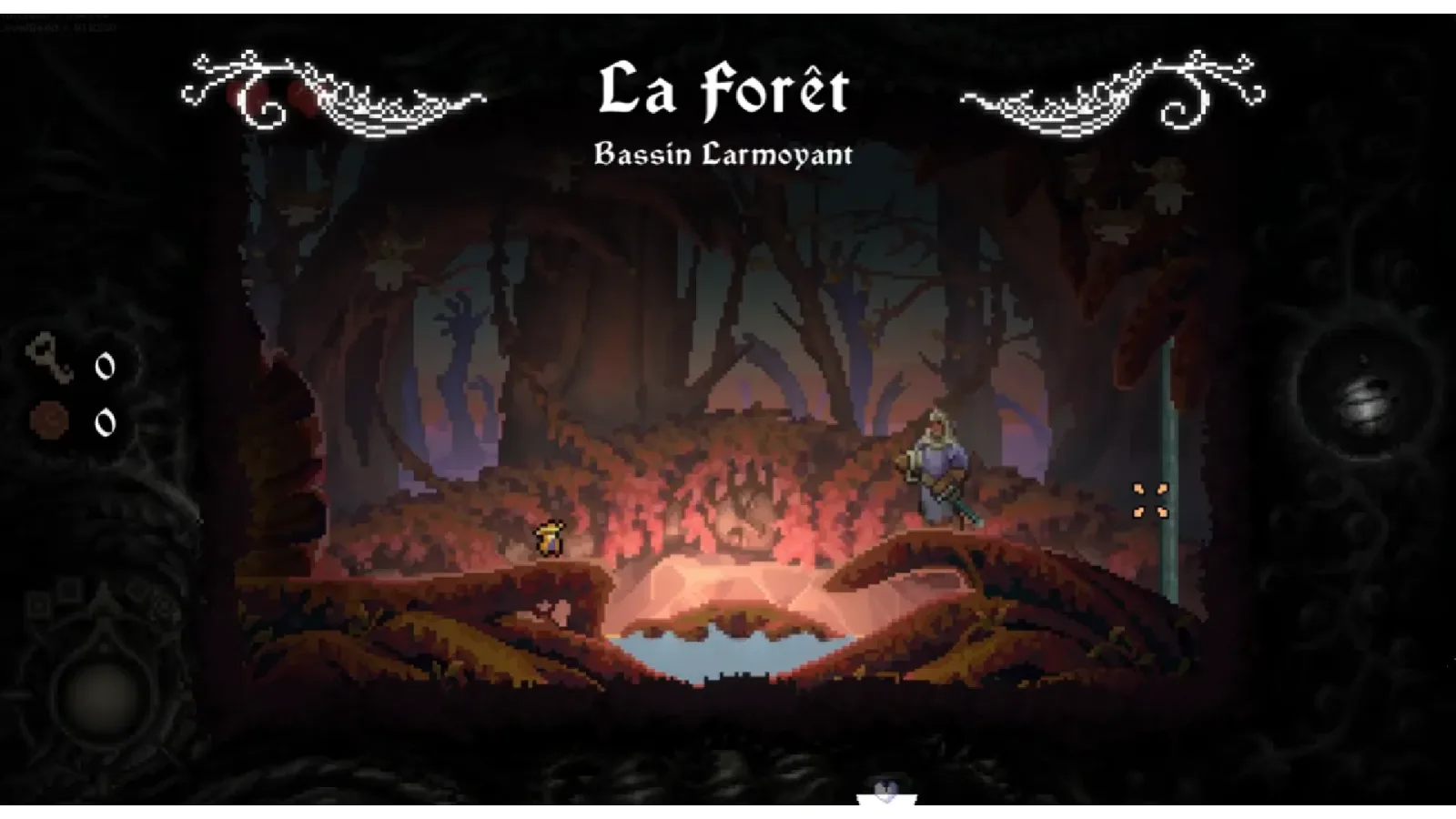
Little Prince Tyger is a newly announced dark fantasy action-roguelite headed to PC in 2027. Developed by French studio Saltitude Games, the game places players in control of a diminutive, two-dimensional pixel hunter who is sent into a hostile kingdom on a royal mission: find Prince Galaad, the lost son of the Queen.
The premise may begin with a familiar fairy-tale objective, but Little Prince Tyger is aiming for a much harsher mood. Its world is described as dark and unforgiving, while its action centers on careful archery, environmental physics and roguelite runs that can substantially change from attempt to attempt. Rather than presenting a long sequence of sprawling stages, it is built around more than 1,000 handcrafted single-screen levels, each designed as a compact challenge with its own risks, opportunities and possible solutions.
Announced on October 8, 2026, Little Prince Tyger is currently in development exclusively for PC. The game has a planned 2027 launch window, though a specific release date has not been confirmed.
A tiny hunter with a demanding bow
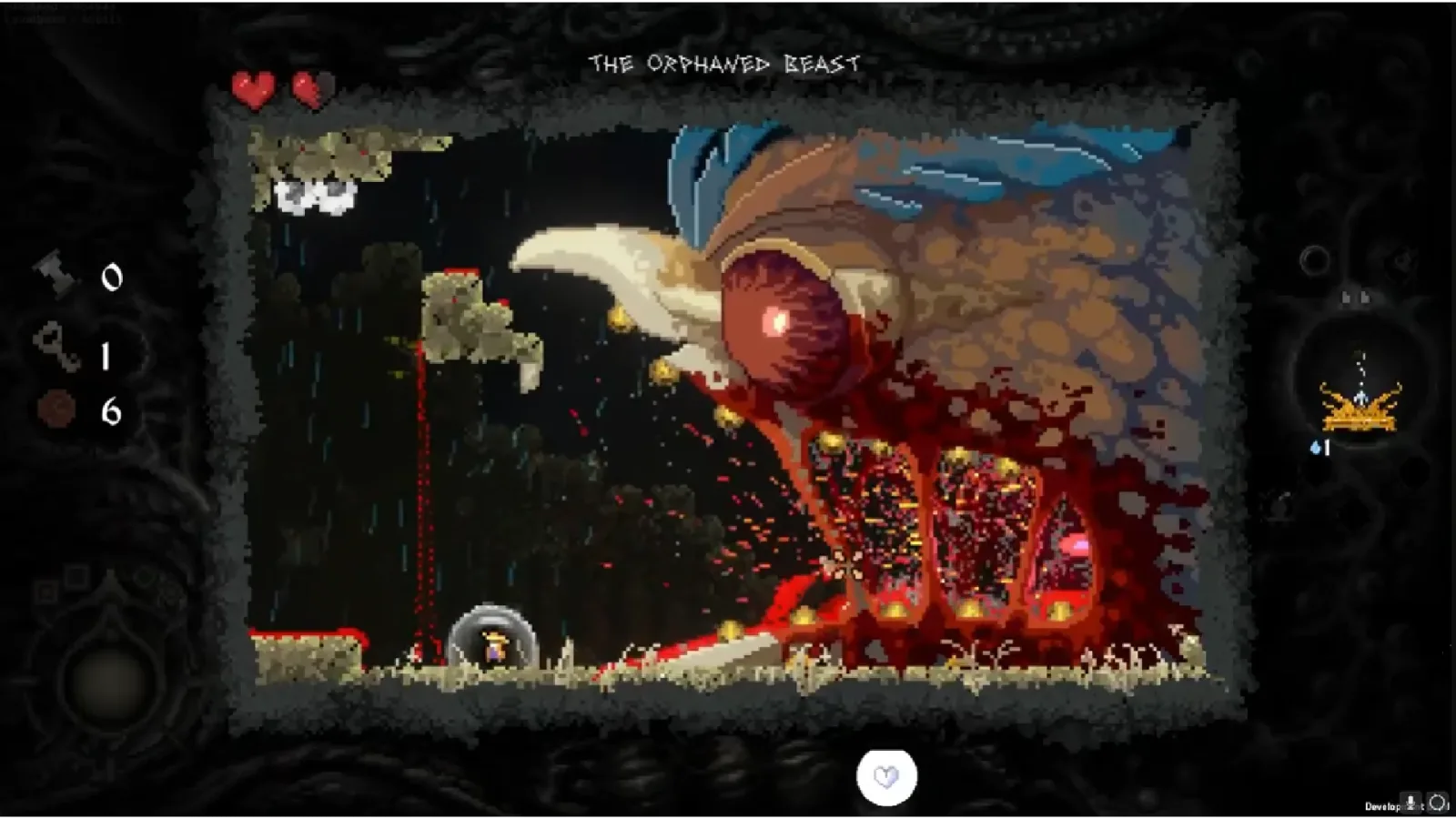
The central tool in Little Prince Tyger is the protagonist's bow and arrow. Combat is expected to reward precision rather than simple button mashing, with the game emphasizing archery as a core part of its strategic action. The hunter's small pixelated form also appears to be important to the experience's visual identity: this is a low-resolution adventure with a deliberately stylized presentation, not a game chasing realistic detail.
For useful background on this topic, read Dandelion Void demo Opens the Airlocks Ahead of 2027 PC Early Access.
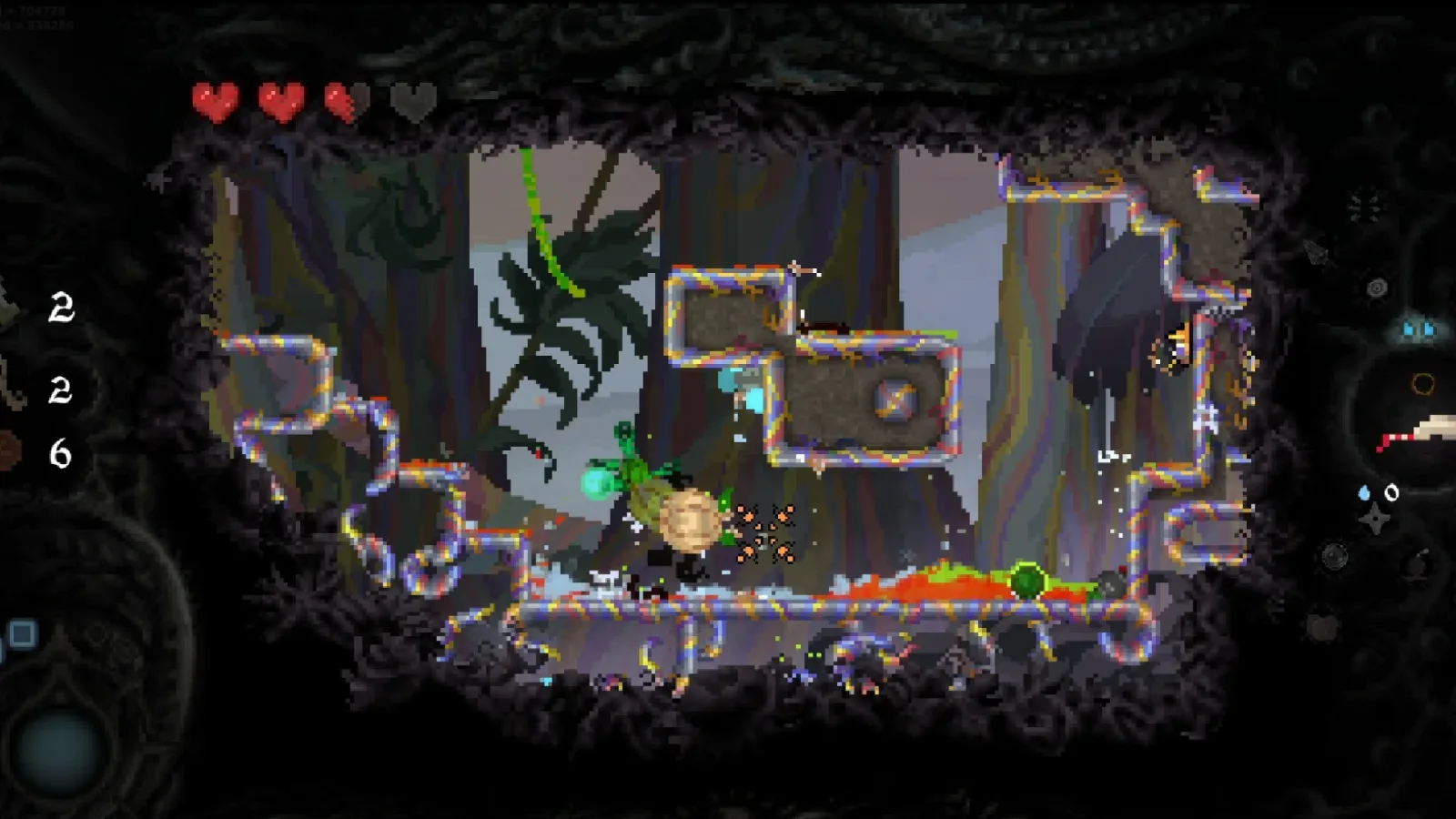
That minimal visual approach should put the spotlight on movement, projectile paths and the physical consequences of an arrow fired into the world. Saltitude Games is combining its combat systems with fluid simulation and physics-driven interaction, suggesting that a successful shot will not always be just about hitting an enemy. Players may need to account for the environment around them, use it to open a path, or turn a room's hazards and materials to their advantage.
The announced perk system gives the bow a particularly broad range of possible variations. Some upgrades alter straightforward stats, including bleed damage, movement, arrow draw speed and arrow weight. Those may sound like small numerical changes, but together they could reshape how a run feels. A quicker draw could favor rapid responses in crowded encounters, while a heavier arrow may change the behavior of shots in a way that better suits a particular room or enemy situation.
Other perks go beyond conventional combat modifiers. The game will include abilities that can manipulate fluids or slow time, introducing another layer to its tactical possibilities. In a title with single-screen levels and a focus on physics, abilities like these may matter as much for navigating a dangerous space as they do for defeating foes. The exact rules behind those powers have not yet been detailed, but their inclusion points to runs built around experimentation as well as mechanical accuracy.
More than 1,000 handcrafted room-sized challenges
Little Prince Tyger's use of over 1,000 handcrafted single-screen levels is one of its most notable promises. Roguelites often rely heavily on procedural generation, but the focus here is on individually made bite-sized challenges. That approach could give Saltitude Games room to build tightly controlled encounters where enemy placement, obstacles, fluids, projectile trajectories and available tools all interact in deliberate ways.
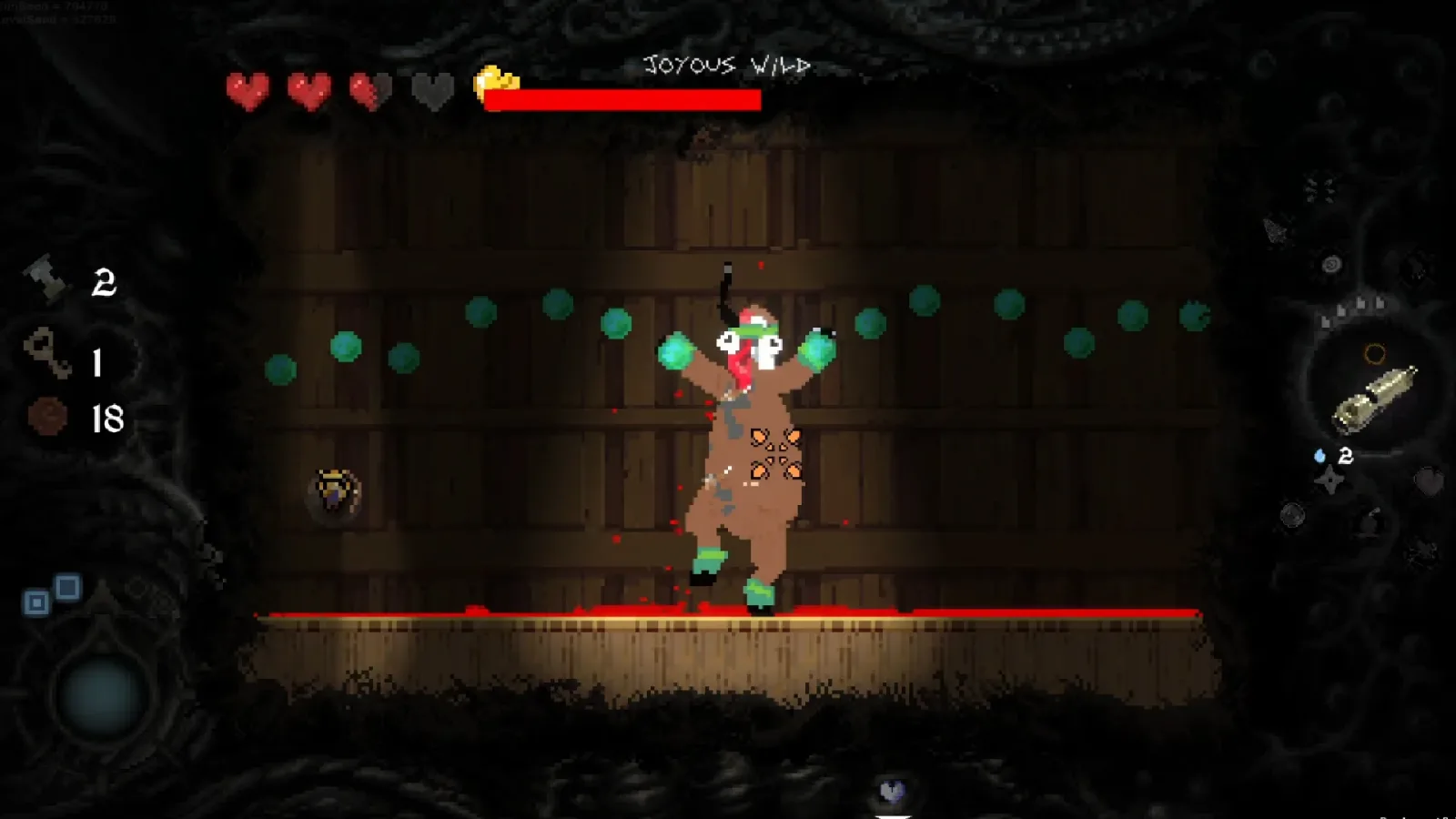
Each screen can function as a small tactical problem. One room may reward a carefully lined-up arrow, another may ask players to consider movement and timing, while another may encourage use of a special ability or an alternate weapon. Because the levels are short in scope, failure and retrying may become part of the rhythm without requiring players to replay a lengthy stretch of content before reaching a difficult moment again.
Handcrafted stages do not mean every trip through the game will play identically. Little Prince Tyger is also drawing from action-roguelike progression systems, with runs changing based on the perks and weapons players discover. The result is intended to be an experience where familiar rooms can demand fresh approaches depending on a hunter's evolving build.
That combination gives the game two distinct sources of replayability. The level designs can be carefully composed and memorable, while the tools available to the player can vary enough to alter how those spaces are tackled. A room approached with a bow-focused build may feel very different when entered with time-slowing powers, fluid manipulation or a newly unlocked throwable weapon.
Runs can expand beyond the bow
Although the bow and arrow are the hunter's primary arms, Little Prince Tyger will offer more equipment over the course of its runs. The announced selection includes javelins, boomerangs, throwing knives and traps, along with additional weapons that have not yet been named.
These options should allow players to adapt their fighting style as a run develops. A javelin suggests a different kind of ranged commitment than an arrow, while a boomerang could introduce returning projectile behavior. Throwing knives may offer another pace or cadence for ranged attacks, and traps naturally complement a game interested in environmental manipulation and tactical room design.
The important detail is that these weapons are not described as a replacement for the bow's central role. Instead, they appear to broaden the hunter's toolkit. That distinction matters for a game built around precise archery: the bow remains the foundation, but runs can add extra answers to problems that a standard shot may not solve cleanly.
Players will also need to make decisions around perks that influence both basic handling and extraordinary powers. Since the game is designed around ever-changing roguelite progression, builds are likely to become a major part of how players define each attempt. One hunter may be tuned around mobility and fast shots; another could focus on bleed effects and heavier arrows; another may lean into powers that affect time or liquids.
A grim search through memory
The narrative begins with the Queen's order to find Prince Galaad, but the journey will also involve encounters drawn from past memories. These moments introduce a cast that includes Sauterelle, Machiavelli and Dagaubert. Further details about their roles have not been revealed, though their presence indicates that the search for the prince will unfold through more than combat arenas alone.
The use of memories fits the game's dark fantasy framing, potentially giving its world a storybook quality without making it a conventional fairy tale. Little Prince Tyger's title and tiny hero may initially suggest something whimsical, yet its stated tone, dangerous setting and lost-prince premise point in a more ominous direction.
For now, the story's larger stakes remain under wraps. There is no confirmation of how the memories are accessed, how these characters connect to Galaad's disappearance, or what waits at the end of the hunter's mission. Still, the named characters offer an early indication that this kingdom has its own history to uncover amid the game's rapid, room-by-room action.
What to expect before launch
Little Prince Tyger is still some distance from release, with its arrival planned for 2027 on PC. The announcement establishes a clear foundation: a stylized low-resolution dark fantasy world, precise bow combat, physics and fluid systems, compact handcrafted levels, and roguelite variety shaped by perks and extra weapons.
That is an ambitious mix, especially because the individual elements are meant to support one another. Physics is not being positioned as a decorative feature separate from combat, and perks are not limited to damage boosts. Arrow properties, movement, time manipulation, fluid interaction and supplementary weapons all feed into the same goal of making each screen a changing tactical challenge.
The eventual appeal will likely come down to how naturally those systems connect in play. If its handcrafted rooms consistently create interesting reasons to experiment with arrows, traps, powers and the environment, Little Prince Tyger could offer a distinct spin on the action-roguelite format. PC players will have to wait for more details as Saltitude Games continues development toward its 2027 launch window.
Community
Discussion
Start the conversation.
No comments have been posted yet.