


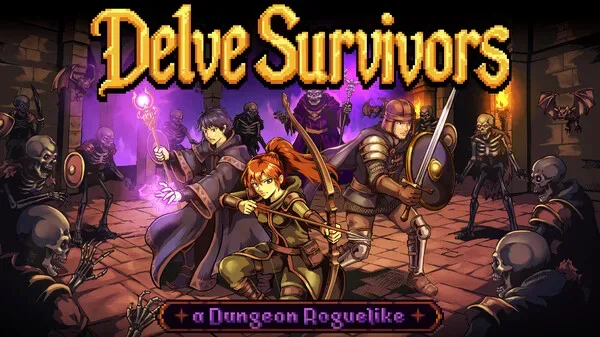
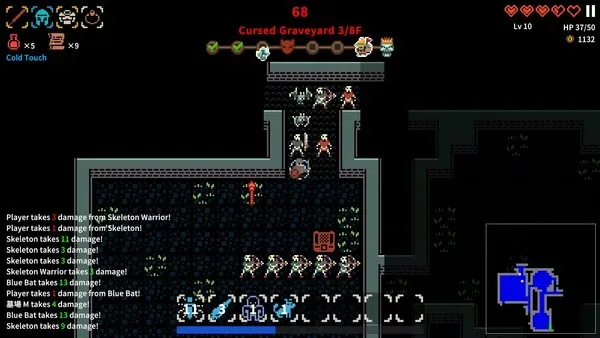
Delve Survivors is now available on Steam. The retro-inspired dungeon roguelike sets out to combine two very different but increasingly compatible ideas: the thoughtful, grid-by-grid decision making of classic turn-based dungeon exploration and the mounting pressure of survivor-style combat against large groups of enemies.
Its central challenge is straightforward in concept but potentially demanding in practice. Players enter dangerous, randomly generated dungeons, make a plan for each move, battle enemy hordes, gather loot, and adapt their approach with a changing selection of skills and abilities. Every run is built around survival, but the path to that goal is not simply about reacting quickly. Delve Survivors asks players to weigh positioning, threats and opportunities while the dungeon becomes increasingly hostile.
The game has already drawn comparisons from players at Tokyo Game Show to a meeting point between Crypt of the NecroDancer and Vampire Survivors. That description gives a useful indication of the balance Delve Survivors is aiming for: an experience where the screen can become crowded with danger, yet where movement and tactical choices remain fundamental to staying alive.
A roguelike built around planning under pressure
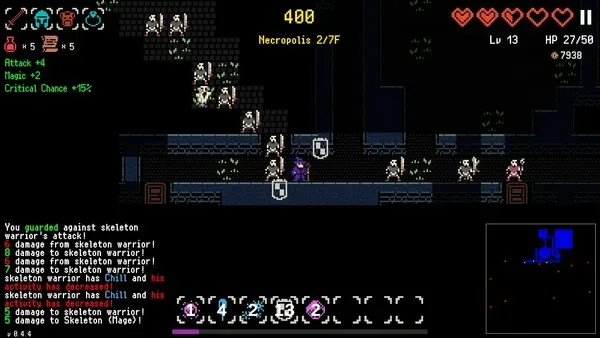
Turn-based strategy changes the feel of a horde encounter. In many survivor-style games, success is tied to constant movement, fast reactions and building a powerful character while enemies pour in from every direction. Delve Survivors retains the danger of being surrounded, but frames that danger through deliberate turns. A single step can be an attack, an escape route, a setup for a later decision, or the move that places a character in an impossible position.
For useful background on this topic, read Worst Class Ever Launches on Steam With 1v7 Classroom Chaos.
That structure can make dungeon exploration especially tense. In a conventional action game, a player might rush through a corridor and adjust after seeing what is around the next corner. In a turn-based dungeon, committing to a route has more weight. Enemies can close space, escape routes can shrink, and the value of a piece of loot may need to be judged against the risk required to reach it.
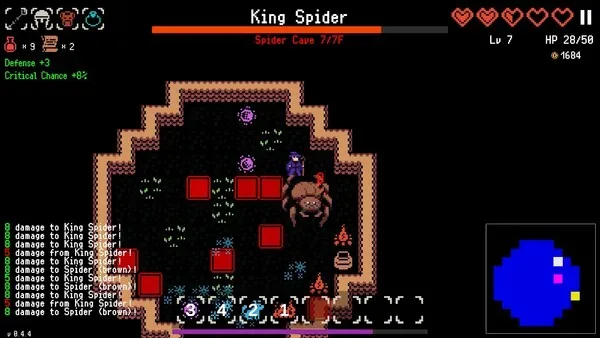
Delve Survivors presents its runs as a test of whether players can keep making good decisions while enemy numbers rise. The goal is not merely to eliminate every foe on screen. Sometimes the best move in a roguelike is to reposition, create room, avoid being boxed in, or take a safer route deeper into the dungeon. The survivor-style element ensures that even sensible plans may need to change as the horde grows.
Randomly generated dungeons shape each attempt
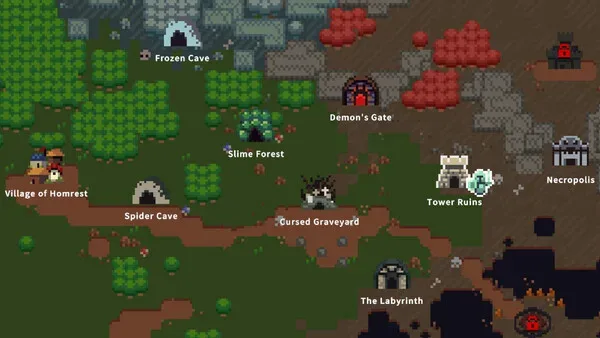
Random generation is a core part of the game's dungeon structure. That means players should not expect to memorize one fixed route through a set of handcrafted rooms and rely on the same answer every time. Dungeon layouts, the dangers within them and the opportunities to improve a run can shift from attempt to attempt.
For another perspective on this story, read Delve Survivors Launches on Steam With Turn-Based Roguelike Horde Combat.
For a roguelike, that variability is central to replayability. A strong run may emerge from finding helpful loot early, discovering a useful ability combination, or navigating a dungeon layout that supports a particular strategy. Another run may demand more caution because the available routes are dangerous or the early enemy pressure is difficult to manage. The player's knowledge can carry forward, but the circumstances surrounding that knowledge change.
This setup also places added importance on reading a dungeon rather than simply moving through it. Loot is valuable because it can increase the odds of survival, but it is not presented as a reward without consequence. Reaching an item can require entering a more hazardous area or spending turns that allow enemies to reposition. Deciding what to grab, when to grab it and when to leave it behind should be part of the game's tactical rhythm.
Loot, skills and abilities offer room to adapt
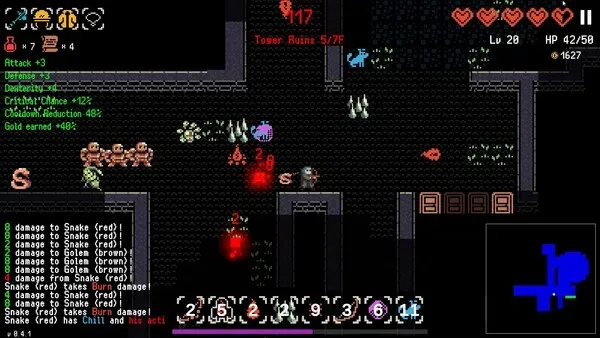
Delve Survivors gives players multiple ways to alter a run through loot, skills and abilities. The release information does not detail a complete list of items or specific character builds, but it makes clear that these systems are intended to let players mix up their approach as they descend through the dungeons.
That flexibility matters in a game with randomized runs. If every attempt offered the same tools in the same order, the changing dungeon layouts would only provide part of the variety. Skills and abilities can instead encourage players to respond to what a run provides. A useful option might change how safely a player can move through crowded spaces, how they deal with enemy groups, or how aggressively they can pursue rewards.
The appeal of this design is the opportunity for unexpected combinations. Roguelikes are often at their most memorable when a player begins with a basic survival plan, finds a tool that changes their priorities, and then reshapes the entire run around that discovery. Delve Survivors positions its loot and ability systems as part of that ongoing process of adjustment.
Because the game emphasizes both strategy and chaotic hordes, the best choices may not always be the most immediately destructive ones. An ability that helps maintain space or improves control over a crowded encounter could be just as meaningful as a direct offensive upgrade. In turn-based play, even a small advantage in positioning can turn an overwhelming situation into one that is manageable.
Retro inspiration with a modern genre blend
Delve Survivors is described as retro-inspired, placing its dungeon-crawling premise in a tradition associated with classic roguelikes and older strategy-focused adventures. The retro influence fits naturally with turn-based movement and repeat dungeon runs, but the survivor-style horde component gives the game a more contemporary hook.
The combination is notable because the two genres create different kinds of tension. Classic turn-based dungeon games often reward caution, information gathering and careful use of limited resources. Survivor-style games create urgency through sheer enemy volume and the need to keep a build growing as the threat escalates. Delve Survivors brings those pressures together: players have time to consider a move, but that does not mean the situation is safe.
The comparison to Crypt of the NecroDancer and Vampire Survivors should be understood as player shorthand rather than a detailed feature list. Still, it captures the broad idea behind the game: tactical movement in a dungeon setting paired with a screen-filling survival challenge. Anyone familiar with either style can likely see why that intersection could create a distinct pacing from a standard real-time horde game or a slower, more methodical roguelike.
What Steam players can expect from the core loop
At its heart, Delve Survivors is built around a repeatable dungeon-run loop. Players venture into procedurally generated danger, confront enemies, collect equipment or other useful rewards, select from skills and abilities, and attempt to survive long enough to push further. The escalating horde pressure gives each decision a practical purpose: every gain should help improve the chances of enduring what comes next.
That makes the game potentially appealing to several overlapping audiences. Roguelike fans may be drawn to randomized dungeons, repeat attempts and build experimentation. Turn-based strategy players may appreciate the emphasis on planning each move. Meanwhile, players who enjoy survivor-style games may find the promise of fighting hordes and gathering power during a run familiar, even if the pace of input is very different.
Delve Survivors is now on Steam for players looking for that particular fusion of genres. Its dungeon runs are designed around a simple question that becomes more difficult with every new threat: when enemies are closing in and the route ahead is unknown, can a carefully chosen next move be enough to survive?
Community
Discussion
Start the conversation.
No comments have been posted yet.