

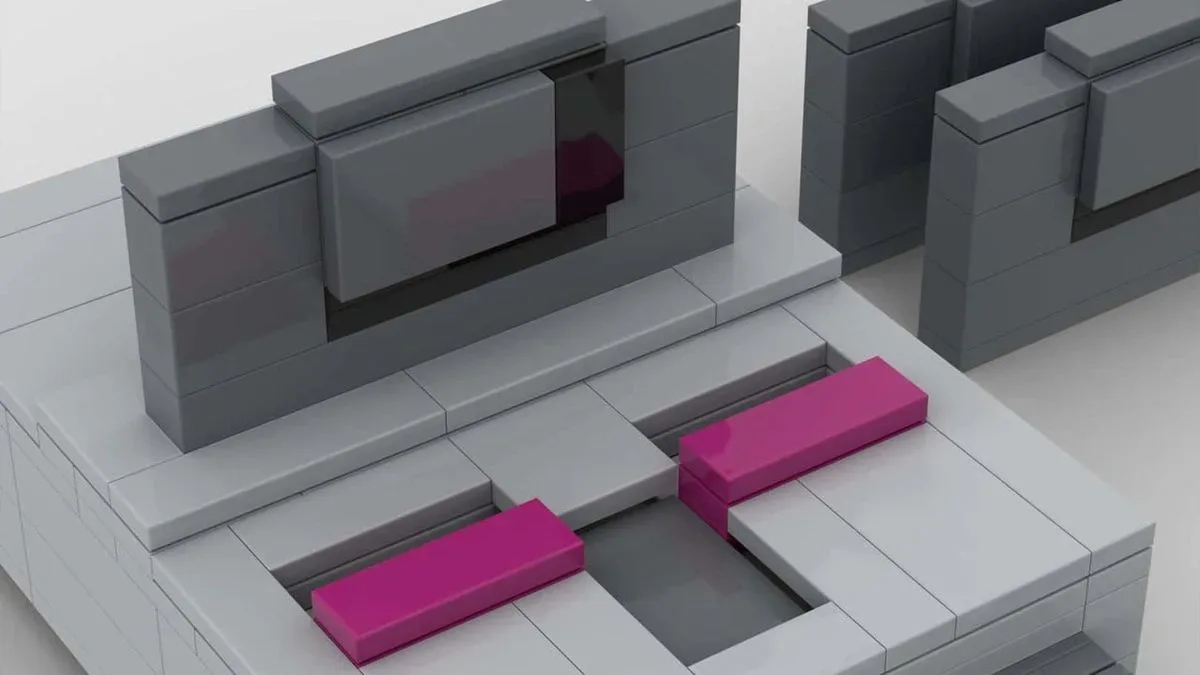
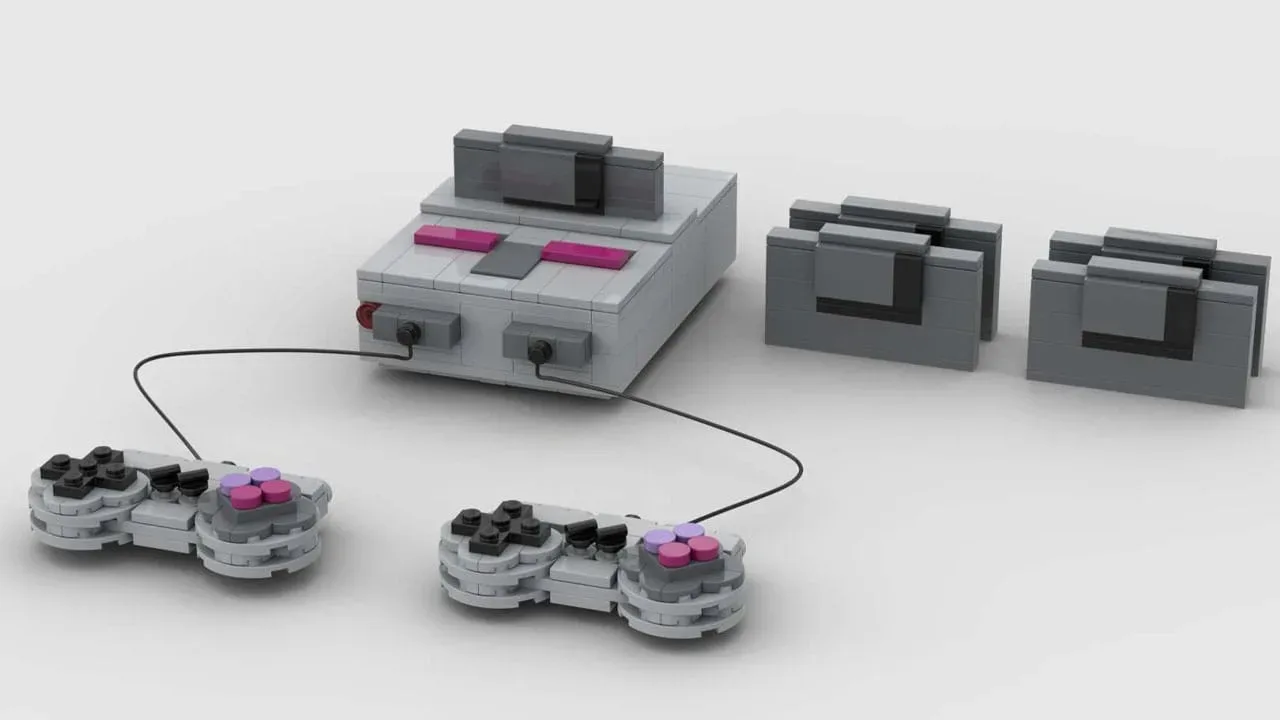
A fan-built LEGO model inspired by Nintendo's Super Nintendo Entertainment System has launched on LEGO Ideas, giving retro gaming collectors another console-shaped project to rally behind. Created by LEGO Ideas user FoxDude5795, the compact build recreates the look of the NTSC version of the 16-bit machine, including its recognizable purple-and-pink button scheme, while also adding two controllers and five cartridges.
The project went live on November 10, 2026 and quickly approached its first supporter target. At the time it was highlighted, the model had 99 supporters, just short of the initial 100 needed to unlock more time in the LEGO Ideas process. It is an early step on a long road: the proposal must eventually reach 10,000 supporters before it can be evaluated by the LEGO Ideas judging panel, and even that review would not guarantee a retail release.
Still, the concept taps into a particularly clear gap for fans of brick-built gaming hardware. LEGO has already released officially licensed models based on Nintendo hardware, including the LEGO Nintendo Entertainment System and the LEGO Game Boy. A LEGO Sega Mega Drive/Genesis has also arrived through the Ideas line. For collectors who grew up with the Super Nintendo, however, there is not yet an official LEGO counterpart for one of Nintendo's most celebrated home consoles.
A familiar 16-bit silhouette in brick form
FoxDude5795's design does not use the Super Nintendo name in its project title, but the inspiration is immediately apparent. The model follows the shape and detailing of the North American SNES, rather than the rounded, multicolored-button styling associated with the Japanese Super Famicom and many PAL-region SNES consoles. Its gray body, purple controller accents, and pink-tinted Power and Reset controls make the intended design language unmistakable.
For useful background on this topic, read Loco Motive's Hands On Update Brings Steam Deck Touch Controls, Mac and Linux Support.
The build is described as medium scale, and its dimensions appear designed for display rather than for becoming an oversized centerpiece. That approach could be one of the proposal's strengths. The official LEGO NES is an elaborate set with a brick television and a mechanical scrolling scene, while a smaller SNES-style console could sit naturally on a desk, shelf, or alongside original retro hardware without needing a large amount of space.
It also evokes the miniature Super NES Classic Edition in overall form. That is not necessarily a drawback. The smaller-looking proportions help the model read cleanly as a display piece, while leaving room for the details that matter most to fans: controller ports, cartridge placement, and the console's distinctive front controls.
Buttons and eject mechanism aim for more than a static display
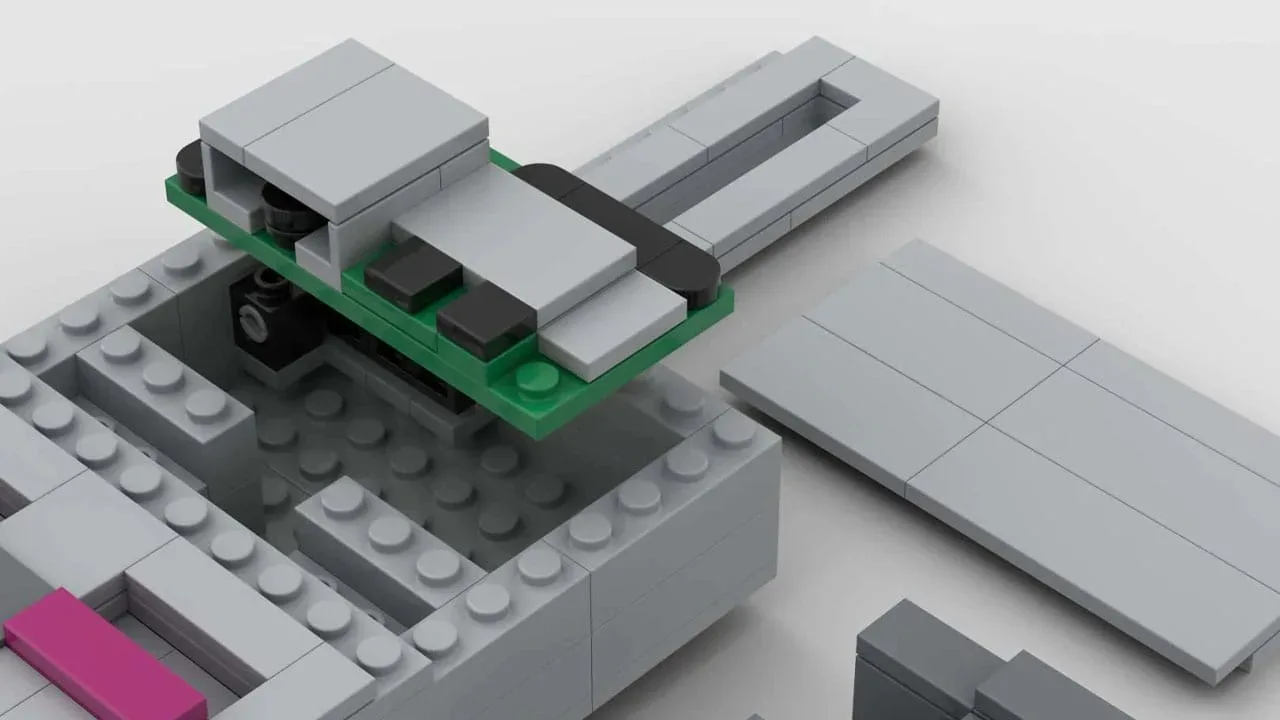
The proposal is not simply a solid decorative block. FoxDude5795 has designed the console's buttons to move or spring in a manner intended to recall the original machine. That includes the Power button, Reset button, and cartridge Eject button. Small interactive details are often important to successful LEGO gaming builds because they transform a replica from something that only resembles a beloved device into an object that encourages hands-on use.
Such functions would naturally need to survive LEGO's own review and redesign process if the project ever became an official set. LEGO Ideas submissions are concepts rather than final retail products, and approved designs can change substantially as they are tested, rebuilt, and adapted to company standards. Nevertheless, the inclusion of tactile controls demonstrates that the creator is aiming to capture the experience of the SNES as well as its exterior.
The set also includes two matching controllers. The original Super Nintendo was synonymous with its controller's shoulder buttons and its four-face-button layout, design choices that became foundational for generations of console gamepads. Reproducing those pieces in LEGO form helps the project feel like a complete console package rather than just a standalone system shell.
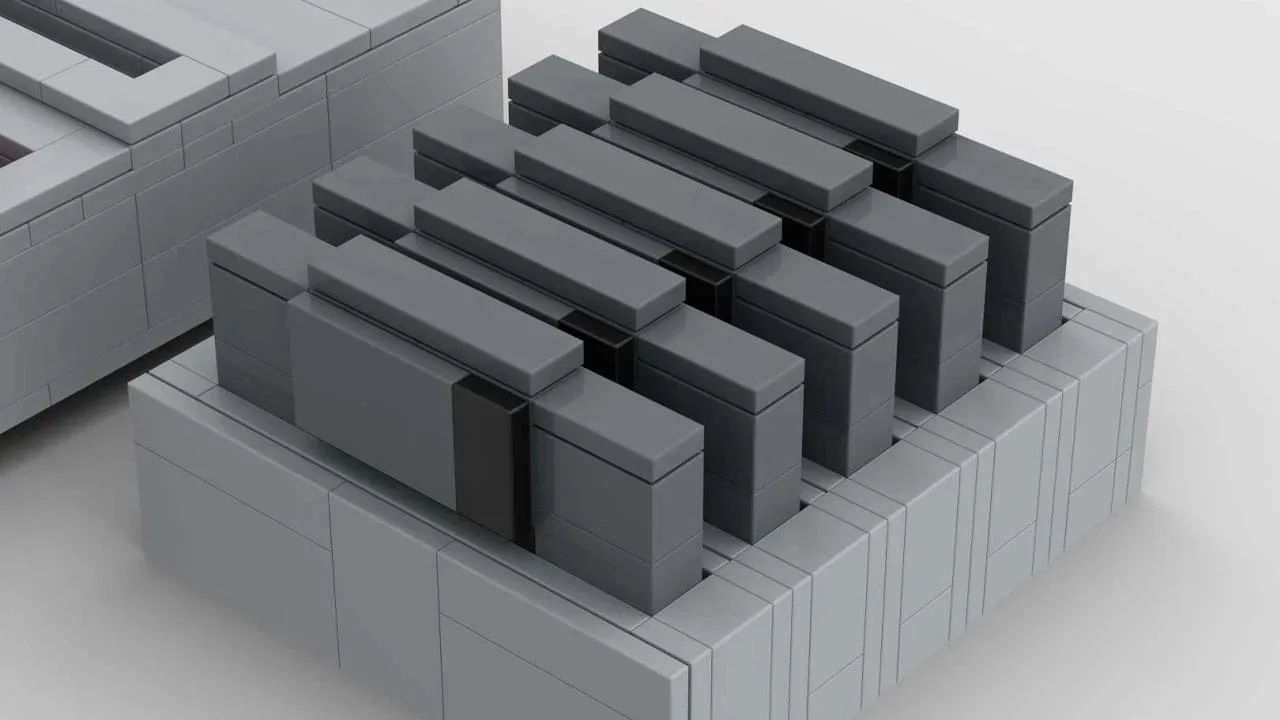
Five game cartridges are included as well, each intended to slot into the top of the console. The possibility of using different labels on those cartridges gives builders an additional way to personalize a finished model. Whether any specific game references could appear in a potential commercial release would depend on licensing, approvals, and the final direction of an official set, so the current concept should be viewed as a fan creation rather than confirmation of any particular software tie-in.
The LEGO Ideas climb has only begun
Early momentum is encouraging, but LEGO Ideas is deliberately structured as a lengthy community campaign. The project's first target is 100 supporters, which needs to be reached within 60 days of launch. Once that figure is met, the submission receives an additional 360 days to pursue 1,000 supporters. Later thresholds increase the available time again as a project works toward 5,000 and, ultimately, 10,000 supporters.
Reaching 10,000 is the milestone that sends a proposal to LEGO's internal Ideas review. At that stage, the company considers a number of practical and commercial factors. Build quality, safety, licensing feasibility, brand fit, pricing potential, and overlap with existing or planned products can all influence the outcome. Support totals alone are not a promise that a project will become a box on store shelves.
That uncertainty is especially relevant to a console inspired by Nintendo. LEGO and Nintendo already have an active relationship through multiple products, from the LEGO NES to the Game Boy and the wider LEGO Super Mario range. That established partnership may make the prospect feel more plausible to fans, but it does not reveal whether a Super Nintendo set is under consideration or whether this particular Ideas project could be selected. Only an eventual announcement from the companies could do that.
Why the SNES remains an appealing subject
The Super Nintendo remains a powerful symbol of the 16-bit era, and its design has aged into an icon of retro technology. It is associated with a period that produced landmark series entries and genre-defining games, while the console itself remains visually distinctive enough to work as a collectible replica. Its angular cartridge slot, contrasting buttons, compact controller ports, and unusual two-tone plastics give builders plenty of recognizable features to translate into bricks.
It is also a natural follow-up in the growing category of construction sets that celebrate gaming history. Physical recreations appeal to players for different reasons than mini consoles, emulation devices, or modern re-releases. They do not replace the experience of playing a game; instead, they celebrate the hardware as an object of memory, design, and fandom. A finished brick console can stand beside game cases, controllers, handhelds, and other collectibles as a tribute to an era.
The idea additionally invites imagination from the modding community. LEGO-built game hardware has inspired enthusiasts to explore whether brick-based shells can contain playable electronics. Projects such as the BrickBoy and the BrickStation, a LEGO PlayStation-themed kit, have shown the appeal of combining display construction with working gaming components. FoxDude5795's SNES-inspired model is not presented as a playable console, and there is no indication that it includes electronics, but a cartridge-based design naturally sparks thoughts of custom modifications.
That possibility remains firmly in fan-project territory. For most prospective builders, the immediate appeal is likely much simpler: assembling a detailed miniature of a cherished console, pressing a spring-loaded button, and swapping out tiny cartridges on a display shelf.
A project built on nostalgia, with a major hurdle ahead
The early supporter count shows that the concept has found an audience quickly, even if it is still at the very beginning of the LEGO Ideas journey. The model's strengths are easy to identify: a familiar console design, a display-friendly scale, controllers and cartridges that make the package feel complete, and mechanical flourishes that give the build personality.
For now, it remains a community submission rather than an announced product. Fans interested in seeing it move forward can support the project through LEGO Ideas without paying for the model itself, helping it progress through the platform's staged milestones. The first 100-supporter goal is close, but the 10,000 needed for review is a far more demanding test of sustained enthusiasm.
Whether it ultimately becomes official or remains an admired fan design, the project highlights continued demand for LEGO sets based on classic game systems. The NES has already proven that a brick-built Nintendo console can resonate with collectors. A Super Nintendo-inspired follow-up would have a different challenge: living up to one of gaming's most fondly remembered machines while finding its own clever way to turn nostalgia into a build.
Community
Discussion
Start the conversation.
No comments have been posted yet.