

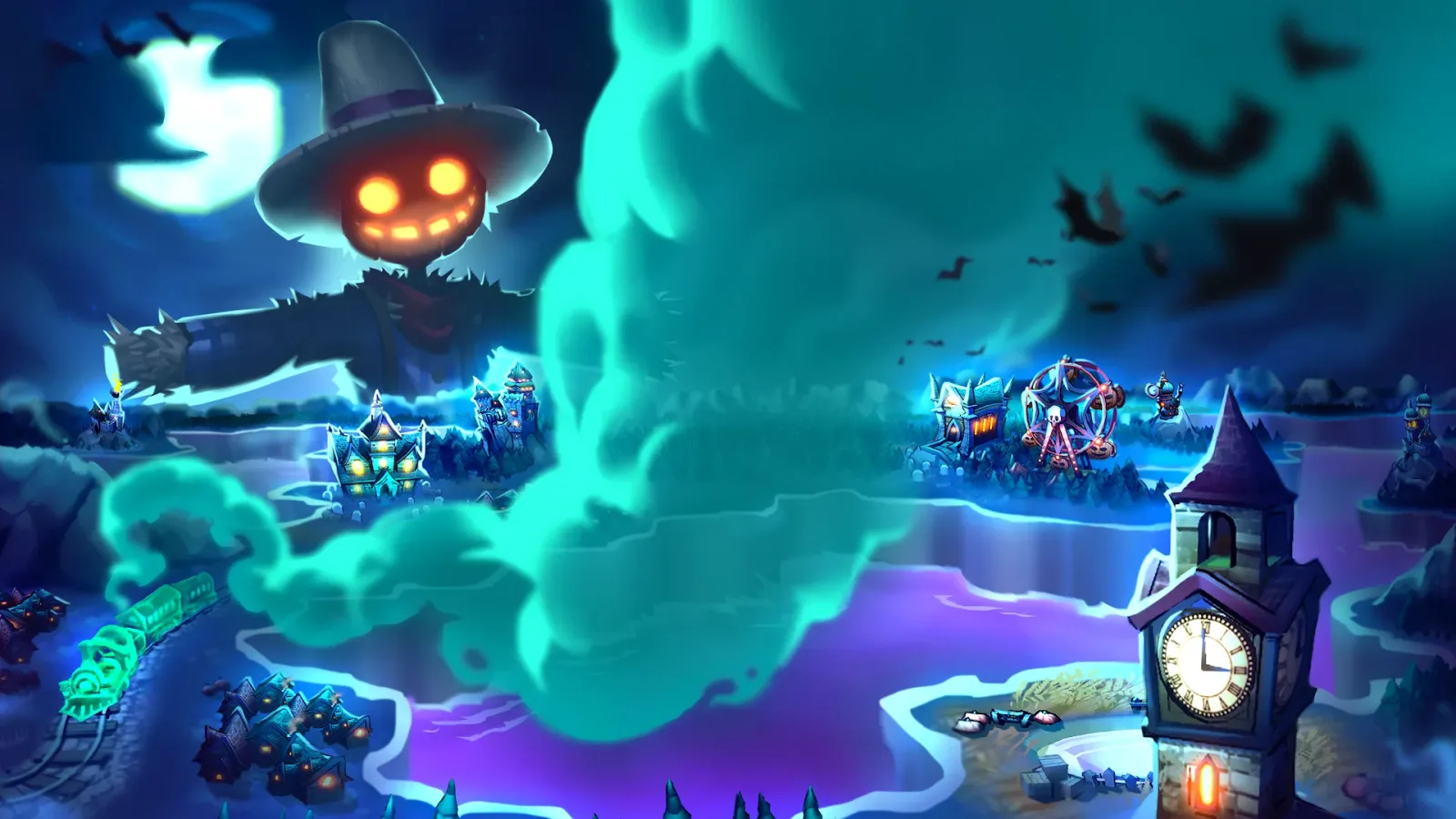
Fangtopia, the tile-based puzzle game from developer Absolutely Games and publisher Secret Mode, is now available for PC, PlayStation 5 and Nintendo Switch 2. The game combines compact kingdom construction with a deliberately spooky but welcoming fantasy theme, tasking players with turning a limited stack of hexagonal tiles into an increasingly elaborate monster realm.
It arrives at a suggested retail price of $12.99, £9.99 or EUR12.99. On PC, Fangtopia is available through Steam, the Epic Games Store and Stove, while its console release brings the puzzle-building experience to PlayStation 5 and Nintendo Switch 2.
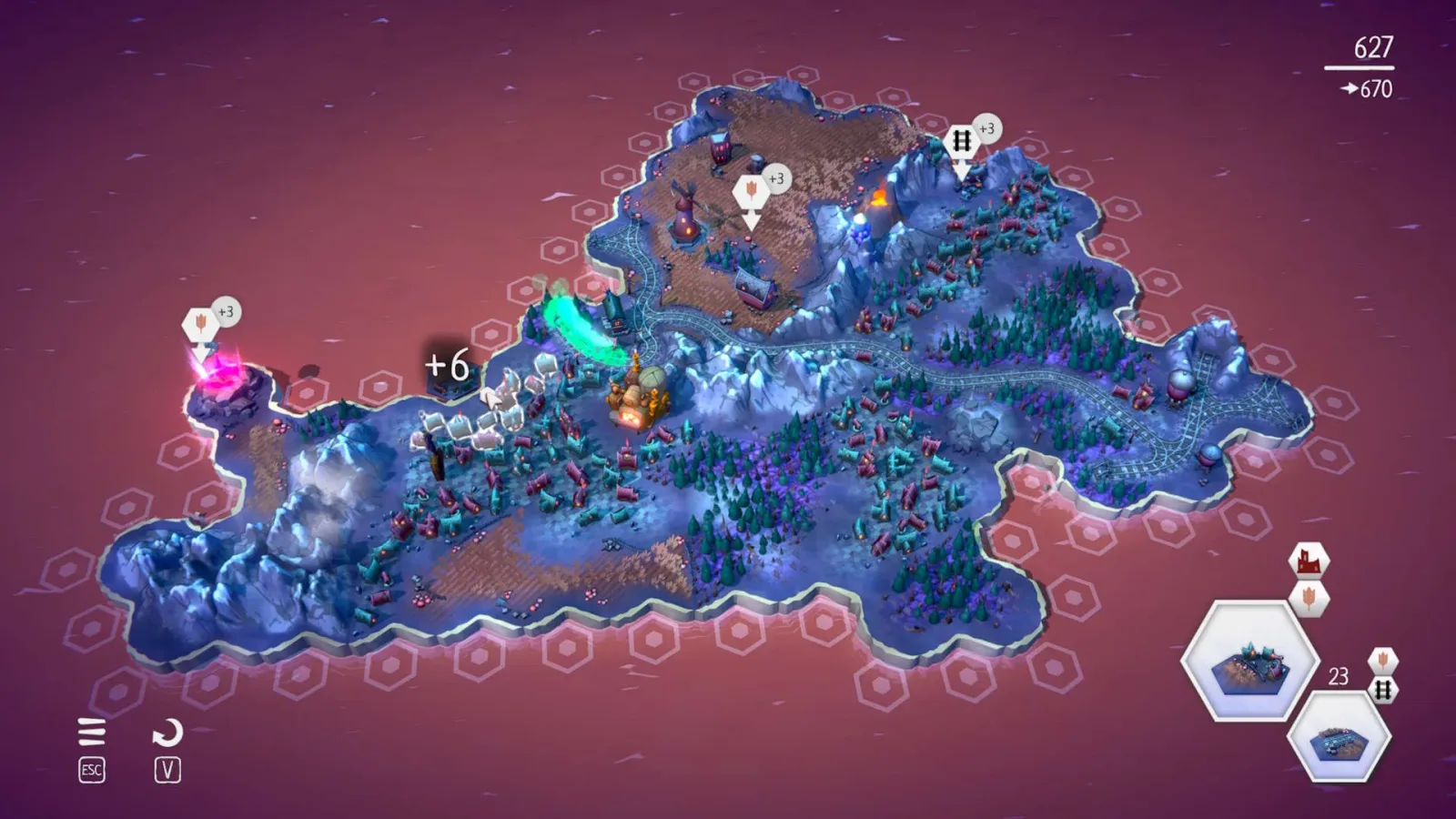
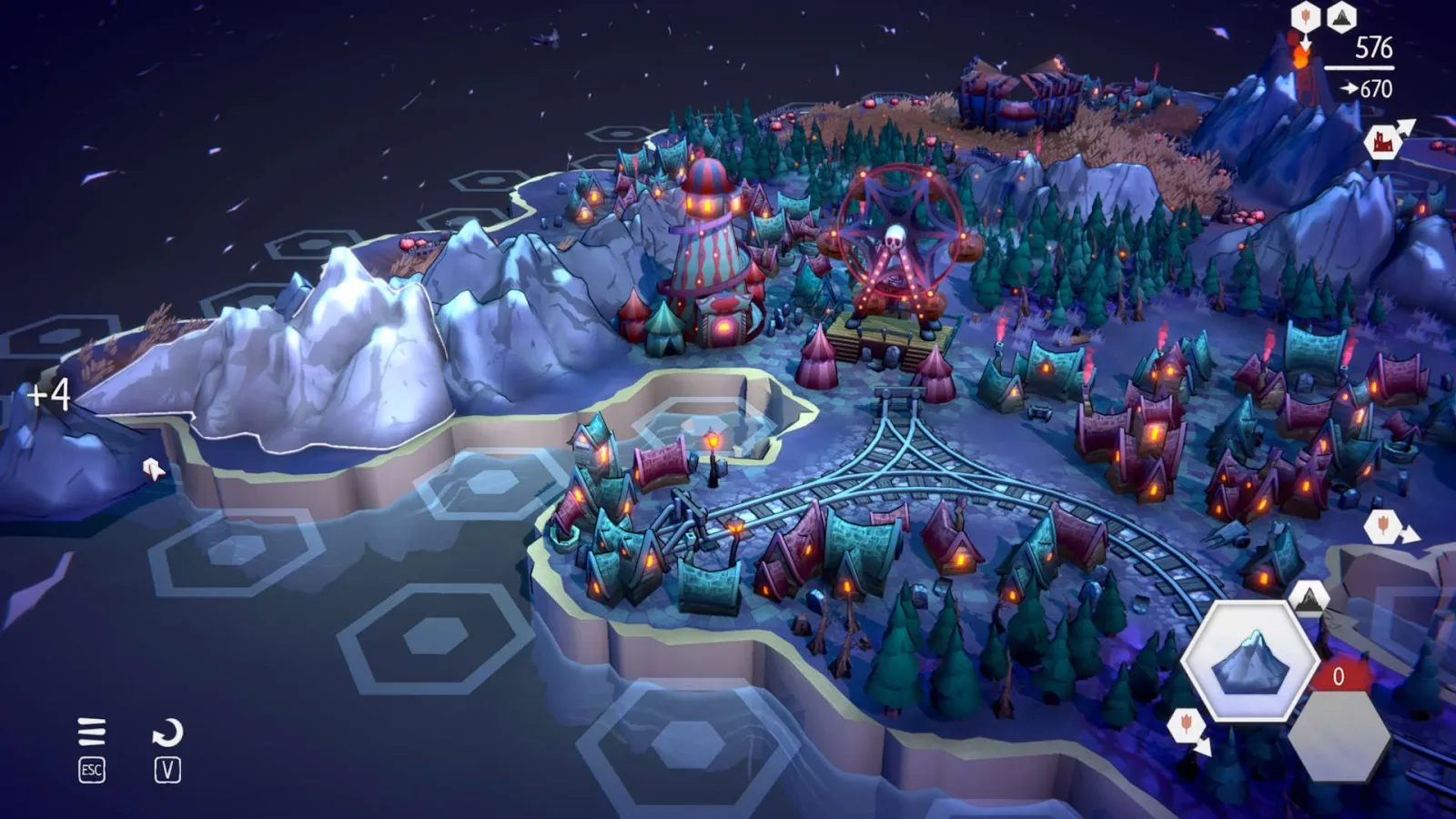
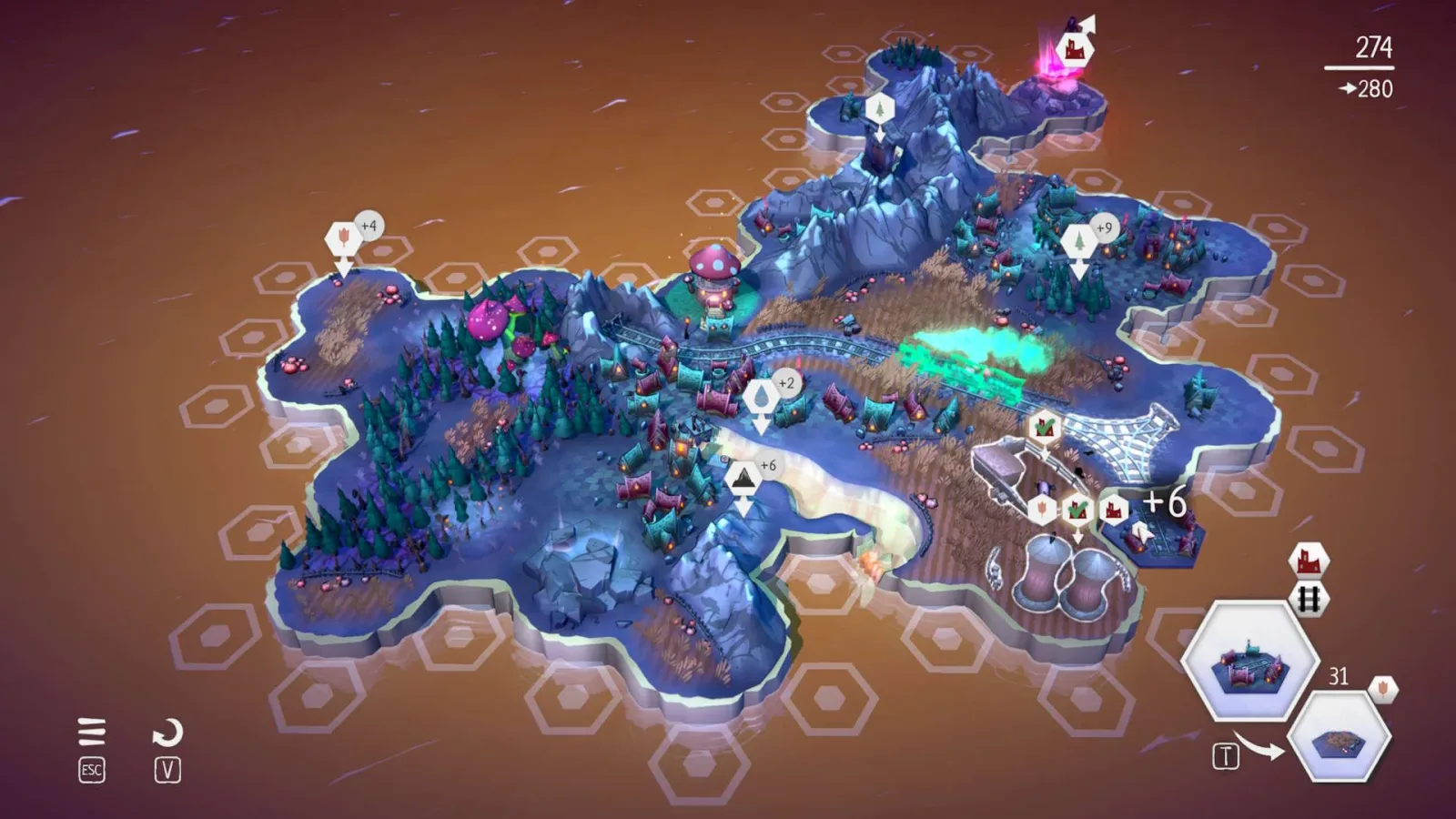
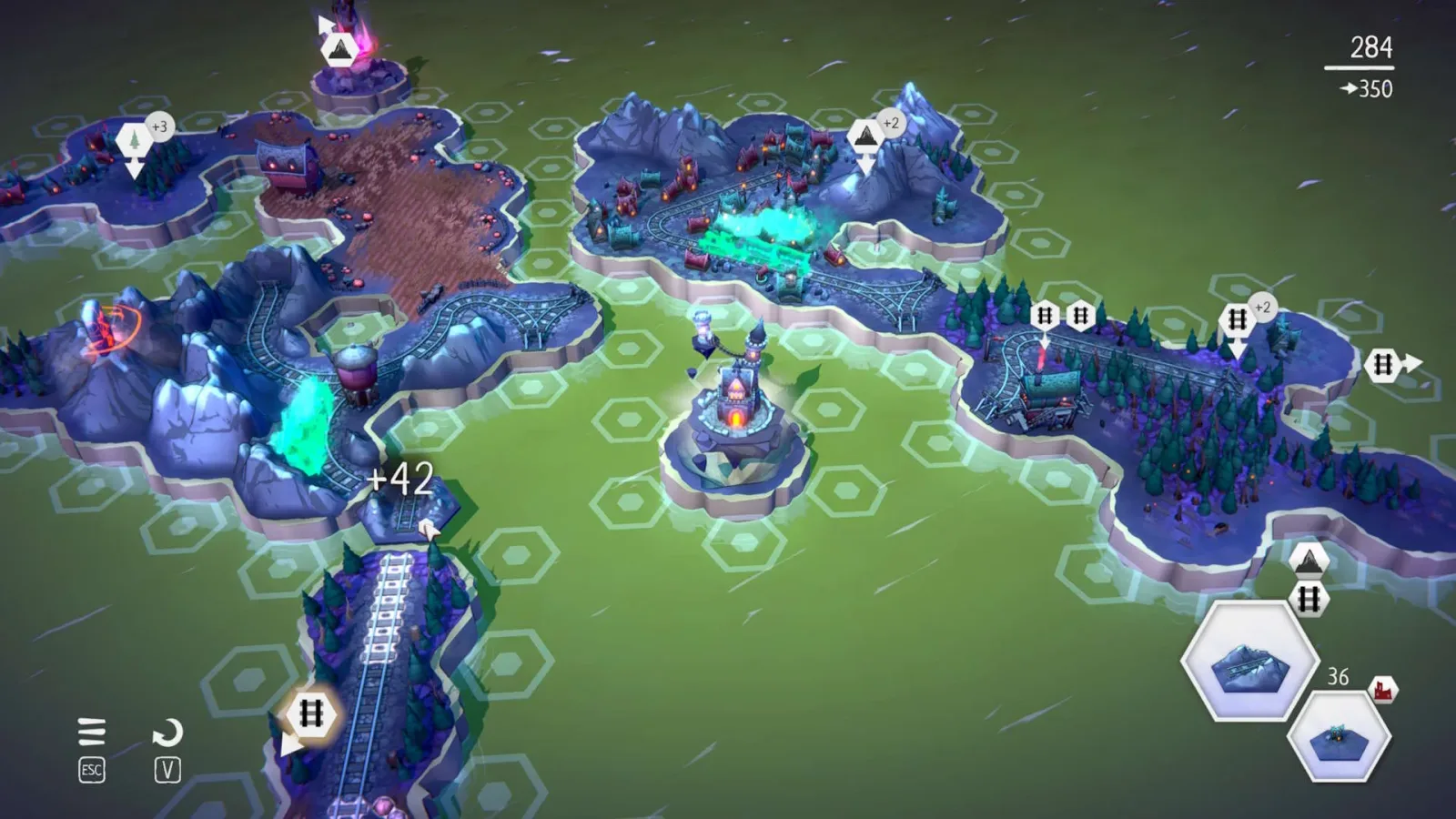
Rather than presenting city building as an enormous open-ended project, Fangtopia frames each run around careful choices. Players receive a finite supply of tiles and must consider the best placement for each one before committing. Fields, forests, mountains, railroads and rivers all contribute to the emerging map, and finding useful relationships between terrain types is central to producing a higher score.
A creepy kingdom built one hex at a time
The core of Fangtopia is its hex-tile placement system. Each new tile can change the value of the surrounding landscape, meaning a small decision early in a session may shape the options available much later. It is a familiar foundation for fans of spatial puzzle games, but the game applies it to a world of haunted landscapes, portals and creatures looking for a suitable place to live.
For useful background on this topic, read End of Ember Steam Playtest Set to Close on December 6.
Players are not simply laying terrain for decoration. The aim is to make placements that score effectively while also preserving room for future opportunities. A forest may be more useful beside one kind of tile than another, while a river or railroad can create long-term layout considerations. With only so many pieces available in a stack, there is pressure to balance immediate points against the potential of a more ambitious arrangement.
The kingdom's personality comes from its supernatural inhabitants. Monsters can be summoned through portals, then placed into homes that suit them. Matching a creature to an appropriate home provides a score boost, making the monster system another part of the overall planning puzzle rather than a cosmetic addition to the map.
The result is a game built around a softer kind of strategy. Fangtopia uses creepy imagery and monster characters, but its stated focus is cozy puzzle play rather than horror or combat. Its challenge comes from the board, the available tile supply and the player's ability to make a scattered set of landscape pieces feel intentional.
For another perspective on this story, read Fangtopia Brings Hex-Tile Kingdom Building to PC, PS5 and Switch 2.
Milestones lead to landmarks and more tiles
Scoring is also tied directly to progression during play. Reaching score milestones unlocks distinctive landmarks, which introduce their own goals. Completing those landmark goals rewards additional tiles, giving players a way to extend their kingdom-building possibilities beyond the contents of their initial stack.
That structure can create a useful rhythm: build efficiently, reach a milestone, introduce a landmark, then work toward the next objective to gain further material. For players who enjoy chasing incremental goals, the landmarks offer concrete targets beyond simply topping a personal best. They also encourage reconsideration of a map's priorities, since a board designed solely around terrain adjacency may need adjustment once a particular landmark objective enters the picture.
Landmarks and monsters can be collected and revisited through the game's Stickerbook. The feature acts as a record of the game's unlockable inhabitants and notable structures, offering an additional completion-focused layer for players who want to see more than a single successful map. Leaderboards are also included for those who prefer to measure their tile-placement planning against other players' scores.
That mix gives Fangtopia room to appeal to different approaches. Some players may treat it as a relaxed, repeatable puzzle game in which they steadily fill out the Stickerbook. Others may focus on score optimization, trying to identify stronger terrain chains, monster placements and landmark strategies. The limited-tile premise ensures that even a calm session still asks for meaningful decisions.
Three ways to shape a realm
Fangtopia launches with three distinct modes, each designed to shift the feel of its tile-based construction. The standard Fangtopia mode is positioned as the game's relaxed core experience, providing the main version of its spooky kingdom-building formula.
For players looking for extra considerations within each run, Ghoulish mode adds more tiles. The increased selection brings greater complexity to the placement puzzle, potentially allowing for broader plans but also creating more choices to evaluate. It is intended for those who want to push further into the game's spatial systems without leaving its central hex-based design behind.
Island mode, meanwhile, moves toward a calmer and more expansive railroad focus. It is described as a place for peaceful, sprawling rail networks, giving players a different route through the game's construction systems. Railroads are already one of Fangtopia's terrain elements, but this mode puts them in the foreground for players who find satisfaction in laying out longer connected routes across the board.
Offering these modes at launch is significant for a game centered on repeatable boards. A single tile-placement ruleset can remain compelling through score chasing, but alternate formats help it accommodate different moods. The core mode can serve as a low-pressure introduction, Ghoulish can create denser strategic sessions, and Island can emphasize the meditative appeal of connecting rail lines across a growing landscape.
A small-scale puzzle game with ongoing plans
Fangtopia's release is described as the beginning of ongoing support. New content is planned for later in the year and beyond, though no specific additions, dates or schedule have been detailed. That leaves the exact shape of its post-launch roadmap open, but it establishes an intention to continue expanding the game after its initial release.
For a title built around unlockable landmarks, collectible monsters and multiple board modes, future additions could give returning players more goals to pursue. At present, the confirmed launch offering is the set of terrain-placement systems, portal-summoned monsters, landmark objectives, Stickerbook collection, leaderboards and the three available modes. Players should treat any further content as planned rather than currently available until more details are announced.
The game enters a puzzle landscape where approachable strategy titles often succeed by making each run easy to start but difficult to fully master. Fangtopia's hexes, limited tile stacks and score milestones establish that kind of loop. Its presentation adds a playful supernatural identity, replacing conventional towns and cities with forests, mountains, portals and creatures that need the right homes.
Its simultaneous presence on PC, PlayStation 5 and Nintendo Switch 2 also gives players several ways to approach that loop. PC players can choose among Steam, the Epic Games Store and Stove, while the console versions offer the same tile-driven kingdom construction on PlayStation 5 and Nintendo Switch 2. No differences between the platform versions have been announced.
Fangtopia at a glance
- Developer: Absolutely Games
- Publisher: Secret Mode
- Available now on: PC, PlayStation 5 and Nintendo Switch 2
- PC storefronts: Steam, Epic Games Store and Stove
- Suggested retail price: $12.99 / £9.99 / EUR12.99
- Core activity: Place limited hex-shaped terrain tiles to build a high-scoring kingdom
- Terrain includes: Fields, forests, mountains, railroads and rivers
- Additional systems: Score milestones, landmark goals, portal-summoned monsters, Stickerbook unlocks and leaderboards
- Modes: Fangtopia, Ghoulish and Island
Fangtopia is available now for players who want a puzzle game where a kingdom can begin with one carefully placed field, forest or stretch of track. With its focus on finite resources and score-driven objectives, every tile has a role to play--and every monster home may be the difference between a pleasant little realm and a leaderboard-worthy one.
Community
Discussion
Start the conversation.
No comments have been posted yet.