

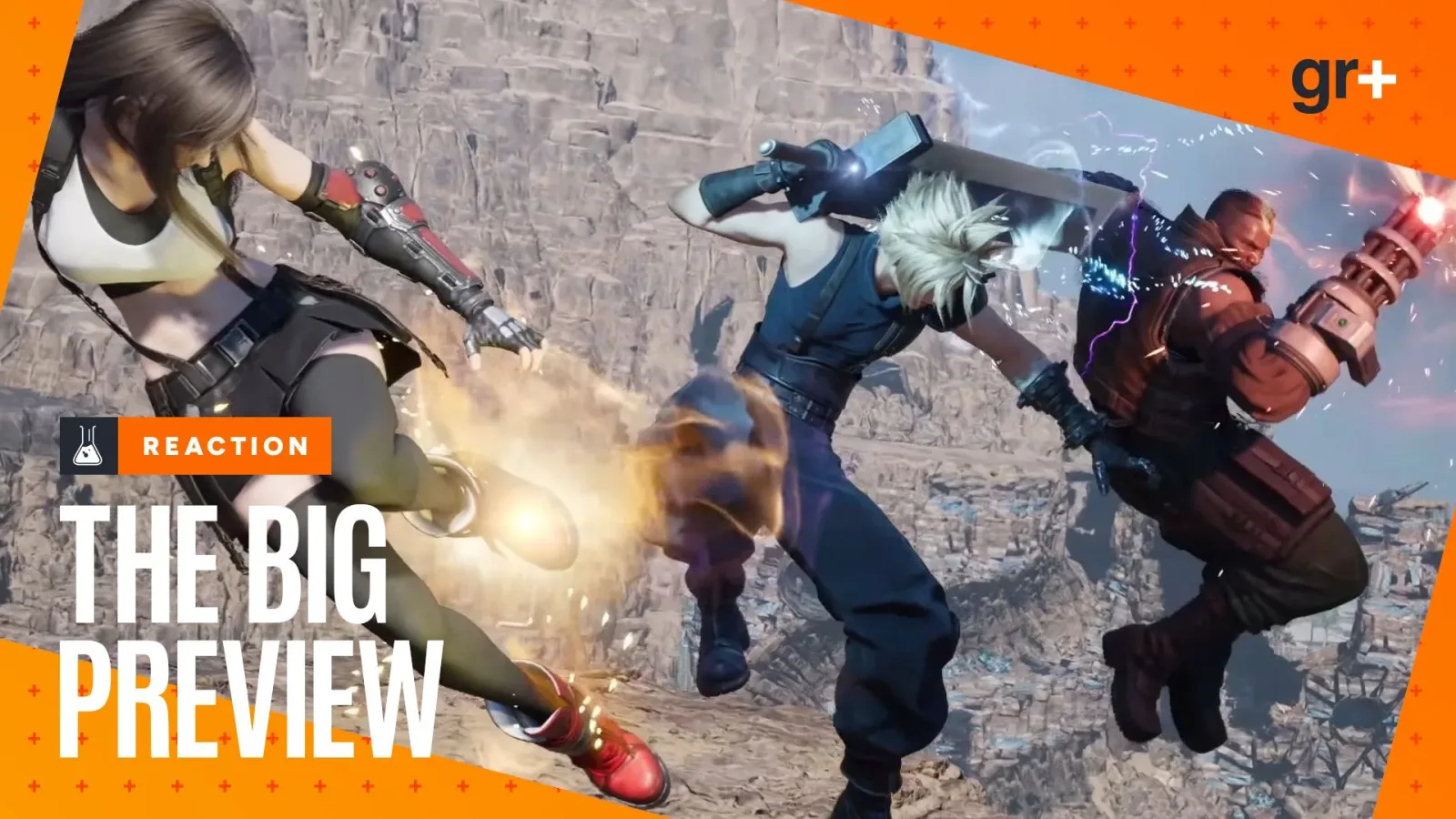
Final Fantasy 7 Revelation is positioning itself as much more than the final chapter of a story split across three games. Square Enix's remake project has repeatedly treated each entry as a distinct RPG with its own major systems, rather than presenting them as smaller installments that simply continue the same mechanical foundation. Revelation appears ready to continue that approach on an even larger scale.
The game is set to launch on April 8 and brings the remake trilogy toward its conclusion. It remains a single-player, story-led action RPG built around a party, real-time combat, Materia, and a vast version of the Final Fantasy 7 world. Yet the revealed changes point to a finale designed around expanded freedom: more control over who leads the group, new ways to approach battles and character builds, and a world that may not remain static once Meteor becomes a reality.
Square Enix has also indicated that Revelation is the largest game in the remake series so far, with estimates putting its install size at up to 200GB. Size alone says little about how a game feels, of course, but the systems shown so far suggest that Revelation's greater scope is intended to change how players revisit familiar regions, build their teams, and choose their challenges.
A planet viewed from the Highwind
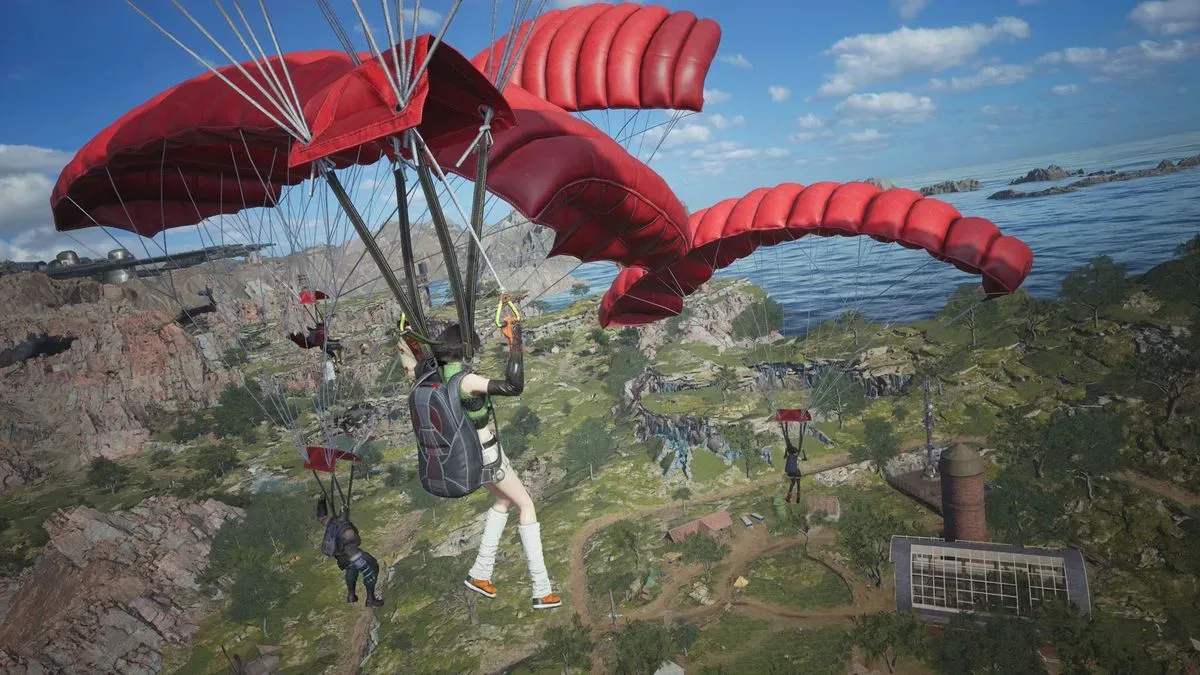
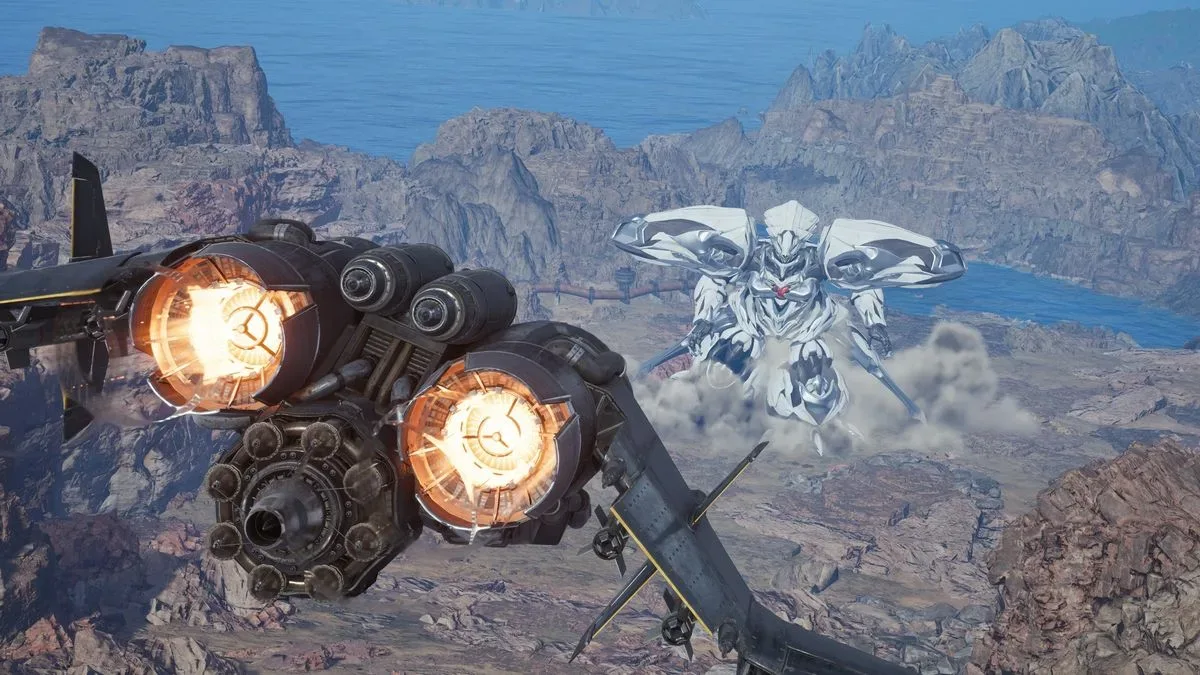
One of the biggest additions is the Highwind. Cid's airship is not merely a story landmark or a fast-travel menu; it is a vehicle for traversing the world from above. Players can fly over locations and jump from the airship, parachuting down into the landscape in real time.
For useful background on this topic, read Walmart's Early Black Friday Nintendo Switch 2 Deals Include New Lows for Zelda Games.
That distinction could have a major effect on exploration. Fast travel is convenient, but it generally places players at predetermined arrival points. The Highwind instead introduces an aerial perspective and the freedom to choose a landing route. A nearby side activity, an unexplored ridge, or a point of interest that was previously difficult to spot could all become practical targets from the air.
It is also a substantial departure from the original Final Fantasy 7's overworld limitations. In that game, using the Highwind required adequate room to land. Revelation's approach appears built around connecting airborne movement to its detailed, seamless environments. The result could make returning to old areas feel less like routine cleanup and more like a renewed search from an entirely different angle.
Piko becomes a long-term companion
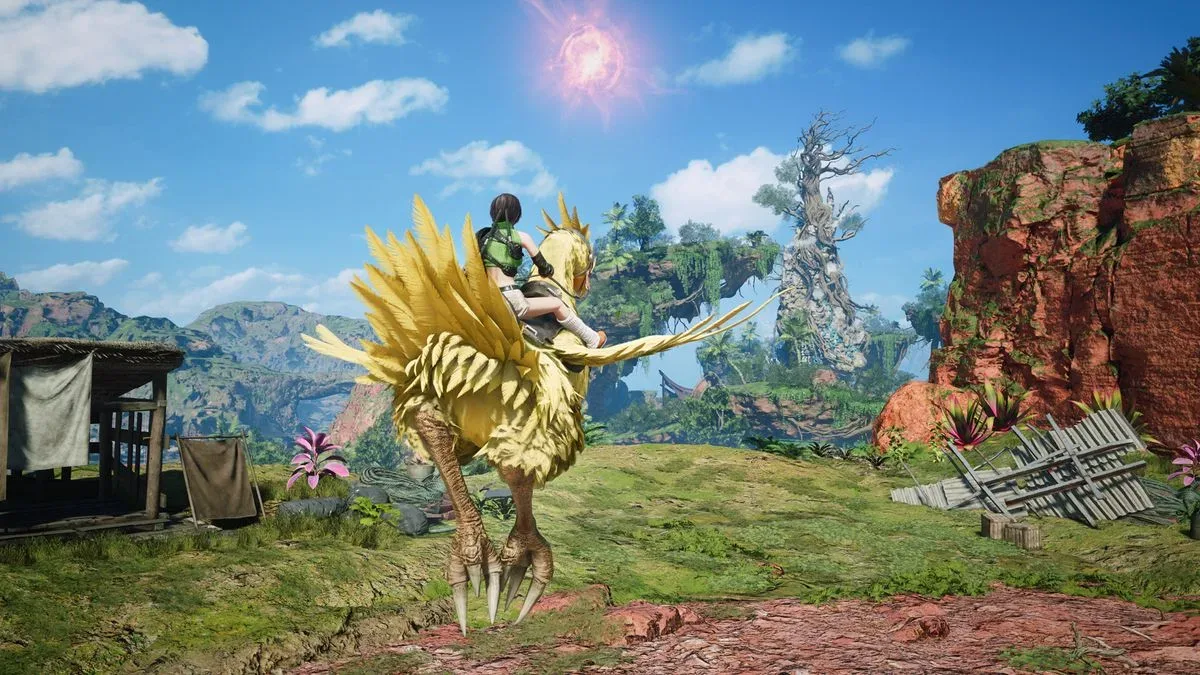
Rebirth gave regions their own chocobos, each with traversal traits tailored to the local environment. Revelation instead returns the focus to Piko, the yellow chocobo first associated with the Grasslands. Piko will be the party's primary mount throughout the adventure, but that does not mean the system is becoming simpler.
Piko can level up, gain new traversal capabilities, and take part in combat. Making one chocobo the consistent companion provides a different kind of progression from collecting region-specific mounts. Rather than switching to a different bird whenever the map changes, players will be developing an individual companion that grows alongside the party.
The choice also means Revelation will not include the original game's famous chocobo breeding feature. That may disappoint fans who enjoyed breeding for unusual chocobo colors and access to hidden locations. Still, a combat-capable Piko with unlockable skills could give the mount a more personal role across the full journey. In a game already emphasizing companion dynamics, that continuity matters.
Every major party member can lead exploration
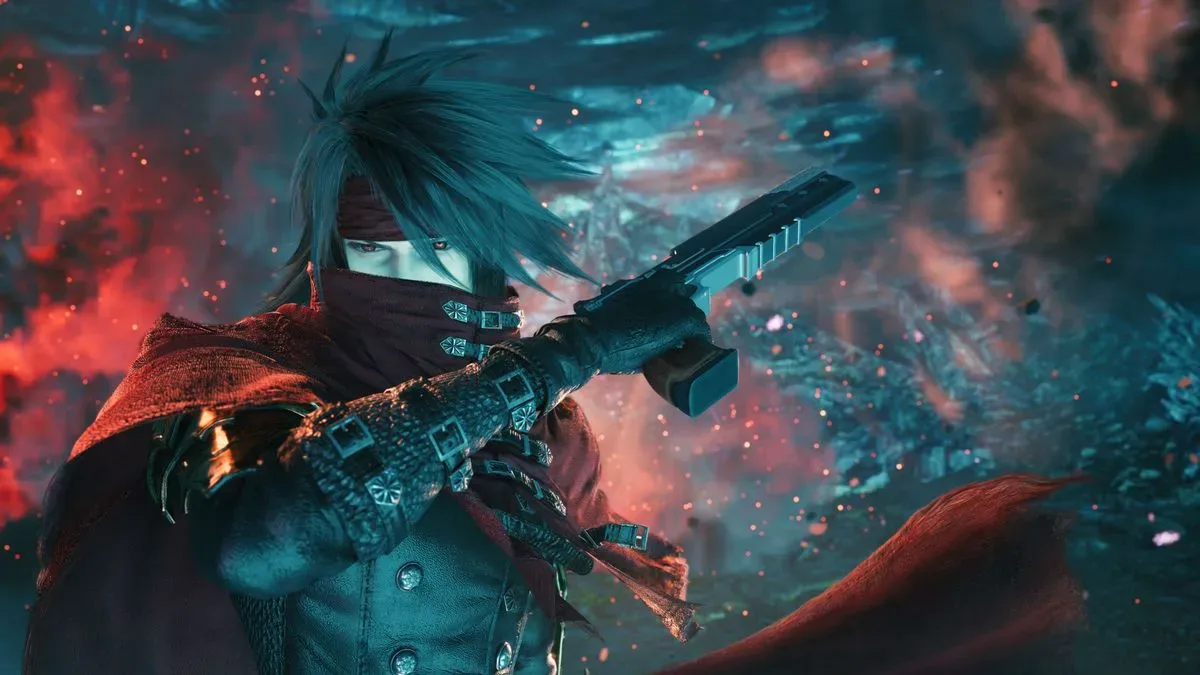
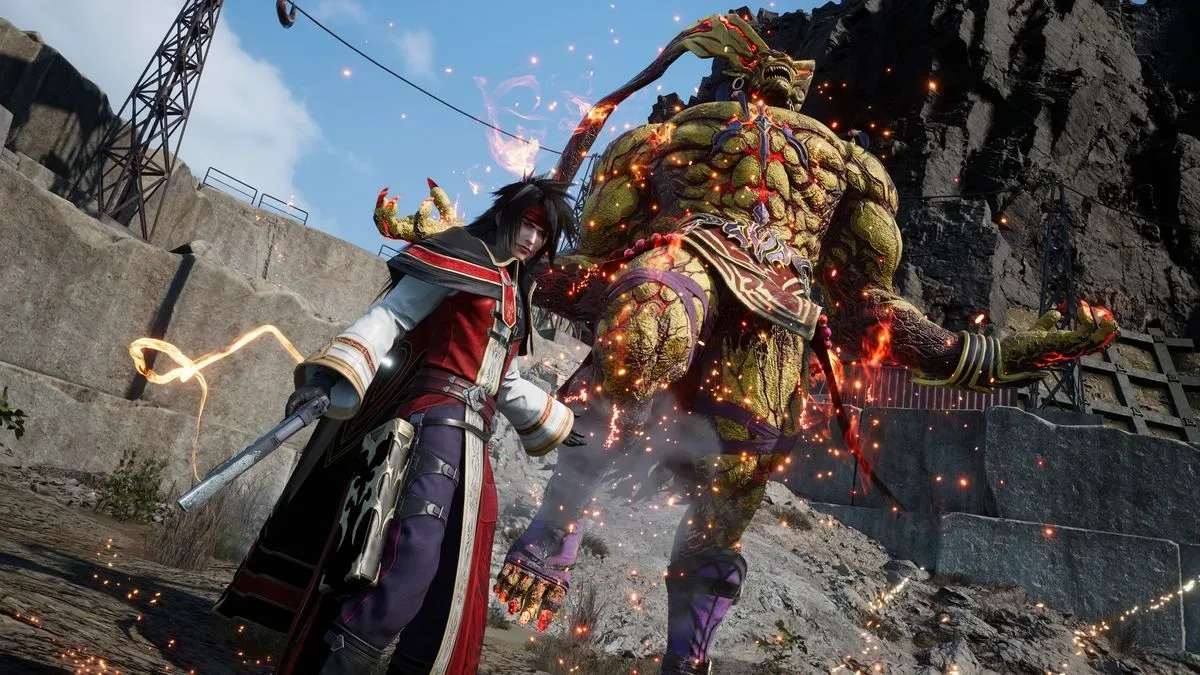
Cid Highwind and Vincent Valentine appeared in Final Fantasy 7 Rebirth, but Revelation makes both of them fully playable party members. Cid's combat style draws on dragoon-like ideas, while Vincent brings his Galian Beast transformation into the action. Their full inclusion significantly expands the playable roster for the finale.
More importantly, Revelation will allow players to select Cid, Vincent, or any other party member as the character they directly control while exploring the wider world. Rebirth occasionally assigned a specific character during story sequences or when the group was split in a dungeon, but the broader world was still strongly centered on Cloud.
Giving the player a preferred exploration lead is a seemingly straightforward change with considerable value. It offers more time with favorite characters outside battle and supports the idea of a complete ensemble during the final stretch. It also fits the narrative circumstances ahead, since Cloud will be unavailable for part of the story. Revelation's systems appear to recognize that the group must continue operating as heroes in their own right, not simply as Cloud's support cast.
FITS blends fashion, armor, and classic Final Fantasy jobs
The most transformative new customization system revealed so far may be FITS, short for Function-Integrated Tactical Suitwear. In practical terms, FITS lets characters equip new outfits or armor that grant job-inspired abilities. The available concepts recall familiar Final Fantasy archetypes such as Knight, Black Mage, and Summoner.
The comparison to Final Fantasy 10-2's Dresspheres is easy to understand, but Revelation's approach has an important difference. Outfits do not appear to overwrite a character's fundamental combat identity. Tifa can wear white mage-inspired gear and acquire related tools while retaining the martial arts attacks that define her playstyle. The suits add options rather than forcing a total class conversion.
That structure could make FITS useful for both deep buildcrafting and more casual experimentation. Players who want to refine their team can combine each character's native strengths with an additional role. A party member can patch a weakness, specialize further, or carry utility that normally belongs to someone else. Meanwhile, players primarily interested in the visual designs can use the outfits without feeling compelled to rebuild their entire combat plan.
It is also notable that every outfit is tailored to the character wearing it, rather than simply placing the full cast in identical uniforms. That preserves personality while making the job system part of Revelation's presentation as well as its combat strategy.
Meteor may transform more than the story
The Black Materia and Sephiroth's Meteor are central to this part of Final Fantasy 7's narrative. Revelation will make Meteor's presence difficult to ignore, with the looming threat visible in the sky. Its arrival also signals consequences across the world itself.
Weapons will roam the planet after the Black Materia is activated, creating formidable encounters in the open world. But the more intriguing possibility is environmental change. The effects of Meteor may alter terrain in existing regions, potentially introducing new structures, breaks in the landscape, and elevated routes.
Exactly how extensively those changes will reshape exploration has not been detailed. Still, the combination of modified terrain, Highwind drops, and Piko's progression suggests a world that can evolve as the story escalates. Revisiting the Grasslands or other Rebirth locations may involve more than checking off quests that were previously inaccessible. Areas themselves could demand a new approach after the planet's condition worsens.
Materia combinations can grow more elaborate
Materia remains a pillar of the remake series, letting players equip spells, passive benefits, summons, and powerful combinations. Revelation is expected to retain that central role while expanding the potential for linked Materia setups.
Previous equipment could connect two Materia slots. Revelation may introduce armor capable of linking three. That extra connection opens the door to more complex interactions. For example, a Magnify Materia could potentially apply its effect across two different spells at once, though the exact range of permitted combinations will depend on the final implementation.
For players who enjoy testing unconventional builds, triple links could become one of Revelation's most important systems. Materia's appeal has always come from the way a relatively simple slotting structure produces surprising synergies. A third linked slot has the potential to multiply those possibilities without abandoning the series' recognizable foundation.
Synergy evolves from pairs to full-party attacks
Rebirth introduced Synergy Skills and Synergy Abilities, allowing two characters to cooperate in flashy and tactically useful moves. Some were immediate techniques, such as one ally helping another evade danger or reach an opponent. Others functioned as major cinematic attacks comparable in impact to Limit Breaks.
Revelation raises the stakes with Triple Synergy. With a three-person active party, a move that unites all three combatants feels like a natural next step. Details on limitations are still unclear, and these attacks may be restricted to particular conditions or function as rare ultimate abilities. Even so, the concept has enormous spectacle potential.
The best Synergy moves in Rebirth did more than look impressive: they reinforced relationships and made party composition feel expressive. Triple Synergy should extend that idea by turning each active trio into its own potential combination. With the full roster playable, discovering how different characters cooperate could be a compelling reason to rotate the party regularly.
The toughest fights are not being held until the end
Revelation is also making room for players who want to test themselves early. Instead of requiring completion of the campaign to access a formal hard mode, the game's open structure will allow ambitious players to seek out difficult side quests and bosses from early in the adventure.
That does not mean the game is simply launching with a traditional hard mode's restrictions, such as reduced item access or inflated enemy health. The challenge comes from player choice. If an underleveled party chooses to confront a high-level hunt or one of the Weapons roaming the world, it can do so. Preparation, mastery of the action system, FITS loadouts, Materia links, and party selection may matter as much as raw level.
For a finale expected to be lengthy, this approach gives experienced players a way to set their own pace without waiting for a second playthrough. It also helps the open world feel dangerous: a landmark on the horizon may not be just scenery or a future story destination, but a challenge the player can attempt whenever they are willing to accept the consequences.
Final Fantasy 7 Revelation still has room for additional announcements before launch, but its revealed features already outline an unusually ambitious conclusion. The game is not simply expanding the map or adding familiar plot beats. It is rethinking movement, companion progression, party leadership, customization, world state, combat cooperation, and optional difficulty all at once. Whether every system lands equally well remains to be seen, but Revelation is clearly aiming to make the trilogy's final journey feel bigger, more flexible, and more reactive than anything that came before it.

Community
Discussion
Start the conversation.
No comments have been posted yet.