

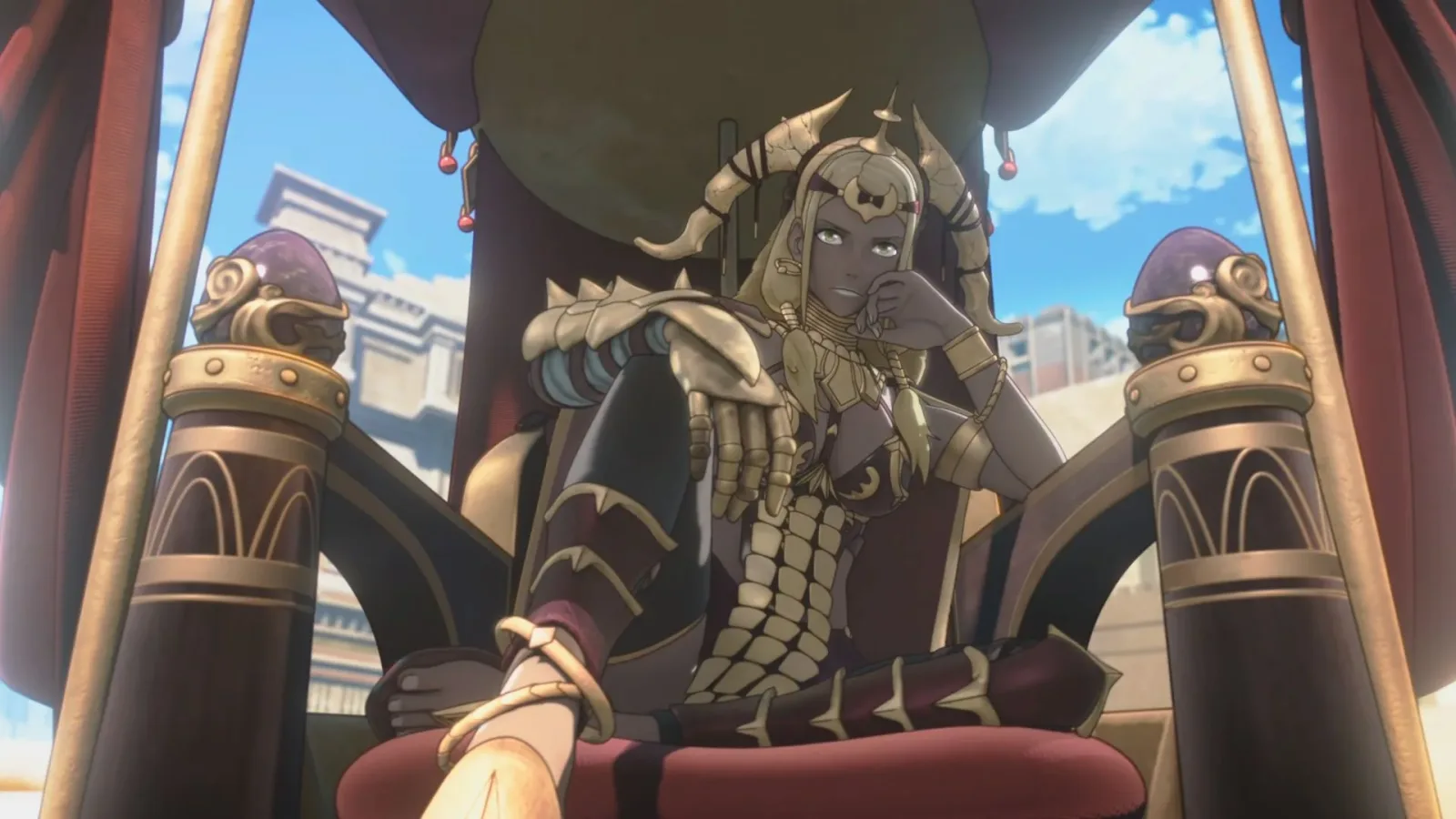
Fire Emblem: Fortune's Weave is built for players who want a tactical RPG to take over their schedule. The Nintendo Switch 2 exclusive pairs the series' familiar grid-based battles with a huge cast, character growth systems, class choices, support conversations, and a story designed to be viewed from more than one perspective. It is not a brief detour between larger releases. It is the larger release: an enormous campaign that asks players to settle in, learn its world, and keep coming back for another battle.
For fans of Fire Emblem: Three Houses, Fortune's Weave has particular significance. It is positioned as the first genuine sequel or prequel connection to that game's continuity, while also pursuing a structure that directly addresses one of Three Houses' most divisive ideas. Where Three Houses repeatedly made players commit to a route, Fortune's Weave provides a narrative framework for moving between protagonists and their respective paths without turning that flexibility into a confusing mess.
That change could be central to what makes Fortune's Weave compelling. Rather than asking players to finish one long campaign before starting over from the beginning to understand another side of the conflict, the game makes route switching part of its identity. The different stories are not merely optional alternate playthroughs; there are signs that engaging with them can be mechanically useful as well as narratively rewarding.
A tactical RPG designed to last
The headline feature is still Fire Emblem combat. Battles play out across grid-based maps, with players moving individual units, weighing positioning, managing abilities, and considering how a team's composition affects every encounter. That foundation remains a key reason the series resonates with strategy fans: a single move can expose a vulnerable character, create an opening for an ally, or completely change the next several turns.
For useful background on this topic, read Every Trails RPG Ranked: Where to Start in Falcom's Epic Zemuria Saga.
Fortune's Weave layers its long campaign over that familiar tactical core. Units level up, develop into classes, acquire and use combat skills, and form relationships through support conversations. With numerous recruitable characters available, the choices are not limited to selecting which protagonist route to follow. Players will also need to decide who joins the roster, who receives training and resources, which classes best complement the group, and which pairings make the most sense on the battlefield.
That density is exactly the appeal. Tactical RPGs often thrive on the satisfying rhythm of planning, fighting, upgrading, and then returning to planning with new options available. Fortune's Weave appears to offer that loop at a lavish scale. It has the combat depth for people who enjoy carefully arranging a squad before every mission, but it also leans into the interpersonal side that has become such an important part of modern Fire Emblem.
In other words, this is a game for anyone who wants to spend an evening calculating attack ranges and then immediately switch to wondering whether two favorite characters will finally share an important support scene. The strategy and the character drama are both substantial pieces of the experience rather than separate distractions.
For another perspective on this story, read Fire Emblem: Fortune's Weave Makes Its Case for the Long-Form Tactical RPG.
Multiple protagonists reshape the Three Houses formula
Three Houses earned lasting admiration for its ambitious structure, distinct house-based viewpoints, and the sense that a player's allegiance mattered. Its routes made the world feel larger than any one campaign, but committing to one path could also make it difficult for players who wanted a fuller picture without restarting a lengthy adventure several times.
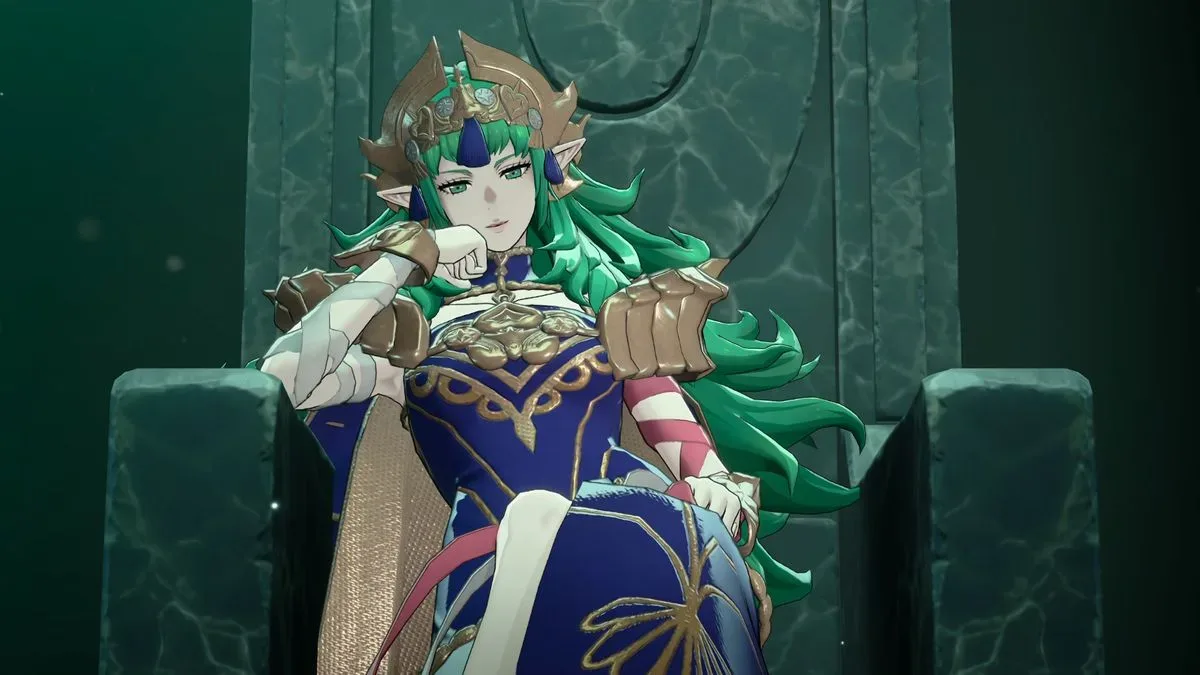
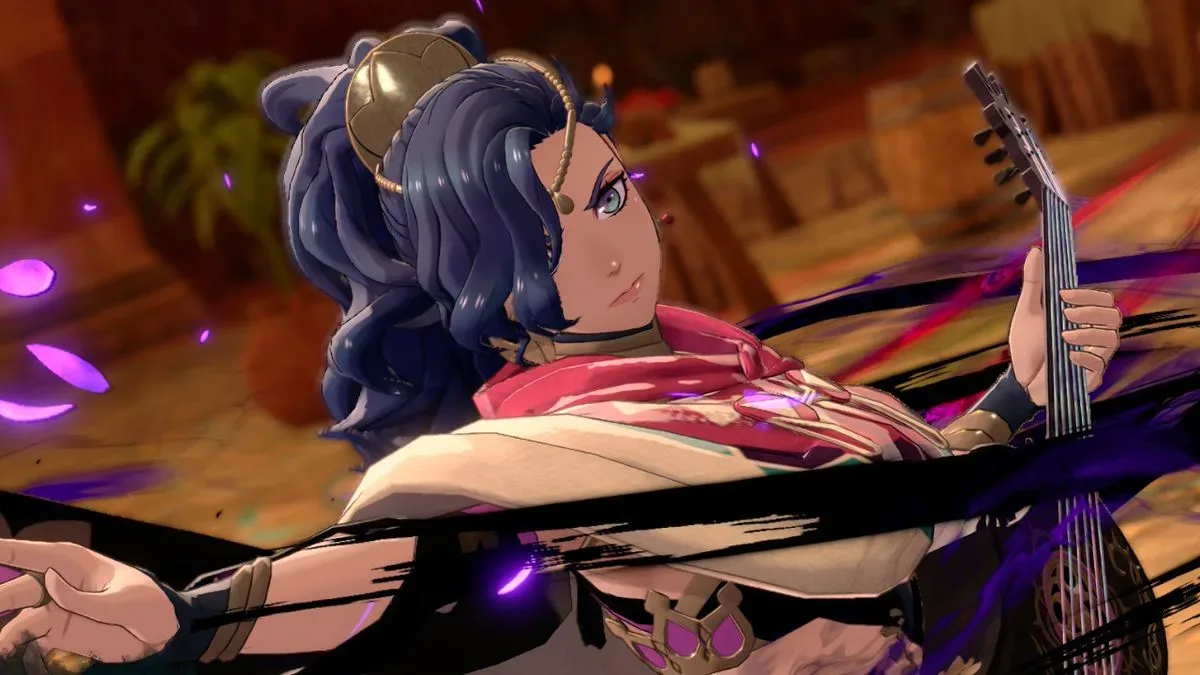
Fortune's Weave tackles that issue through its multi-protagonist setup. There are four protagonist routes, and the game is constructed so players can swap between them. That gives the narrative room to explore a conflict from several angles while allowing the player more agency in determining when to pursue each thread.
The result is potentially more than a convenience feature. A story about competing perspectives works best when the player can hold those perspectives in tension. Seeing events through one protagonist's eyes may change how another character's actions are interpreted later. Moving among the routes can turn a distant name, political decision, or battlefield encounter into a more personal development once the player has witnessed its consequences elsewhere.
It also gives Fortune's Weave an unusually expansive sense of momentum. Progress is not restricted to one hero's march toward an ending. There are multiple campaigns developing at once, each with its own characters and stakes, all feeding into a wider story. For players who love dense setting details, political maneuvering, and the extensive terminology that often accompanies a Fire Emblem world, that is a lot of material to dig into.
Expect a demanding opening and a dense world
Fortune's Weave reportedly does not ease players gradually into its mythology. From the beginning, it introduces a considerable amount of terminology, invokes events connected to earlier games, and makes a sharp tonal move from fantasy toward science-fiction-inspired ideas. That ambitious mix may be exciting for lore-focused fans, though newcomers should be prepared to pay close attention.
The opening's willingness to throw players into the deep end fits the scope of the project. This is not presented as a stripped-back tactical game with a simple mission structure. It is a full-scale role-playing game whose setting, character web, and history are meant to feel immense. Anyone entering primarily for action may need patience while the game establishes its concepts, factions, and larger mysteries.
For invested players, however, that complexity can be part of the reward. Fire Emblem's strongest stories often give players a reason to care about the land between battles: the people affected by war, the old grudges beneath a political alliance, and the personal loyalties that make a tactical decision feel more meaningful than a numerical calculation. Fortune's Weave aims to provide a massive volume of that kind of context.
How long is Fire Emblem: Fortune's Weave?
Players should plan for a very long journey. Even a relatively direct effort to reach the credits is expected to take more than 60 hours. The final total will vary substantially depending on how thoroughly someone explores the various paths, builds relationships, experiments with units and classes, and pursues optional content.
One early player had spent 95 hours with Fortune's Weave without reaching the credits, despite nearly completing three of its four protagonist routes before launch. That does not establish a universal completion time, but it does illustrate the scale involved. This is a game where seeing everything could demand a significant commitment, especially for players inclined to optimize squads, recruit broadly, or uncover each narrative perspective.
That makes the game an easy recommendation for a certain audience and a harder sell for another. If the ideal RPG is a compact, focused experience that can be completed over a few relaxed sessions, Fortune's Weave is unlikely to fit. If the ideal RPG is a long-running project with enough systems and story threads to sustain weeks of play, it is much more promising.
Who should play it?
Fire Emblem: Fortune's Weave should appeal most strongly to players who enjoy turn-based strategy with robust role-playing progression. Fans of tactical combat, intricate team planning, large character rosters, and narrative routes will find plenty aligned with their interests. It may also be especially attractive to people who admired Three Houses' setting and wanted another game willing to explore that style of sprawling, multi-viewpoint storytelling.
- Play Fortune's Weave if you enjoy: methodical grid-based battles where placement, skills, and unit roles matter.
- Play Fortune's Weave if you enjoy: leveling characters, selecting classes, and adjusting a party over dozens of hours.
- Play Fortune's Weave if you enjoy: support conversations and a large ensemble cast alongside tactical missions.
- Play Fortune's Weave if you enjoy: stories told through several protagonists and competing points of view.
- Consider skipping it if you want: a short, condensed RPG with a fast route to the ending.
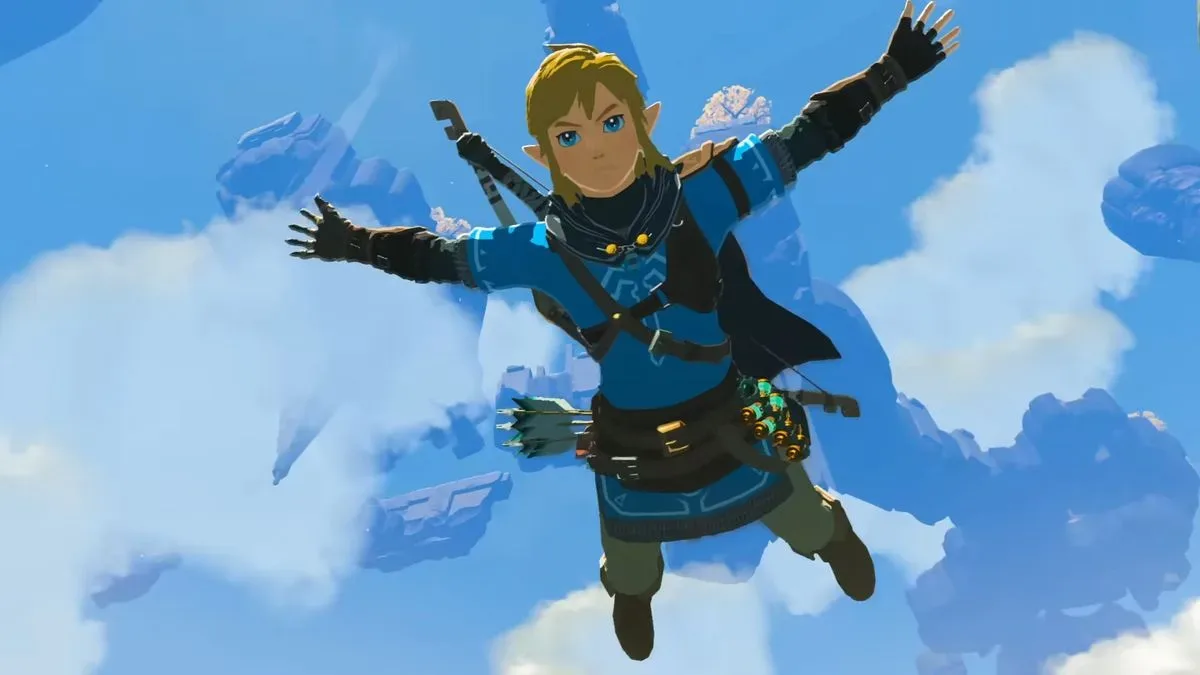
- Consider skipping it if you want: an open-world adventure in the style of The Legend of Zelda: Tears of the Kingdom.
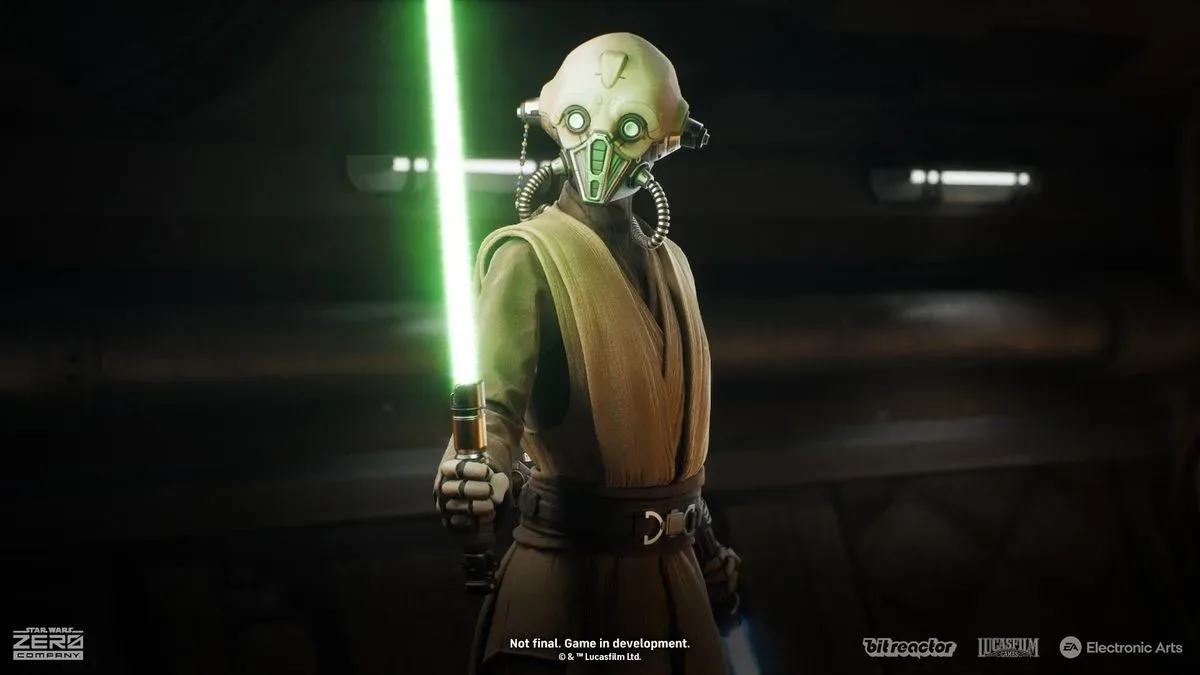
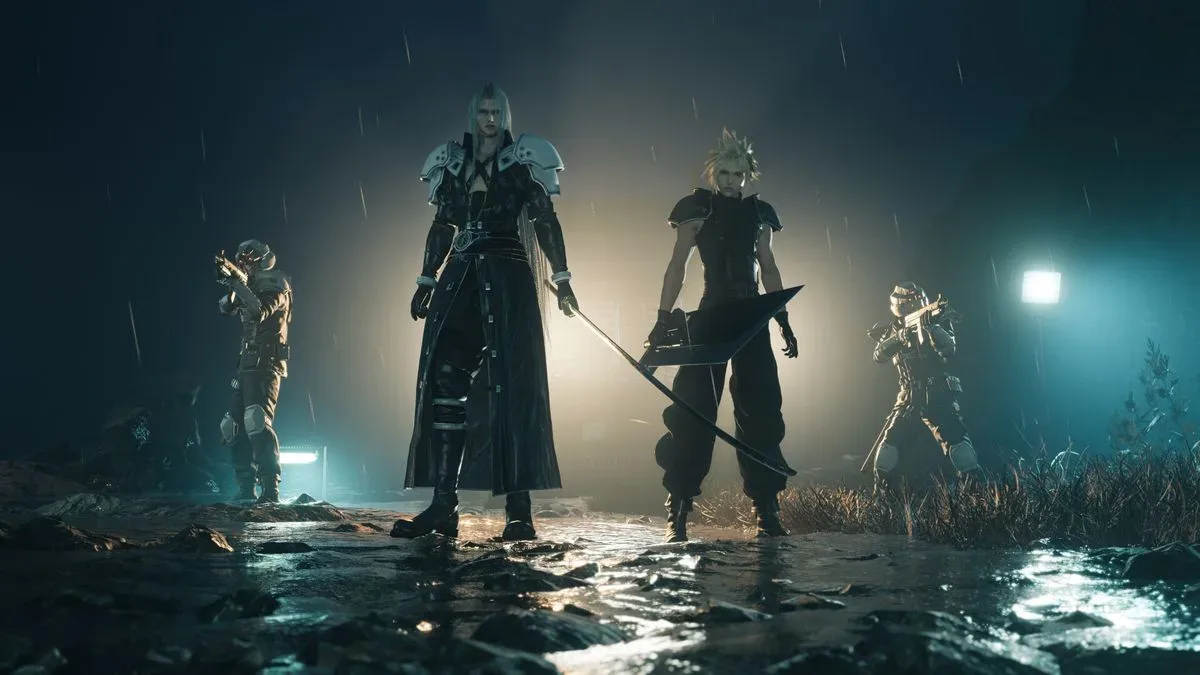
The comparison to games such as Star Wars: Zero Company speaks to the appeal of tactical battle planning, while its heavier RPG systems may suit players who value the progression and build variety associated with games such as Final Fantasy 7: Rebirth. Still, Fortune's Weave has its own priorities. Its scale comes not from a vast open world, but from the depth of its systems, its cast, and the number of narrative paths it invites players to follow.
Nintendo Switch 2 availability
Fire Emblem: Fortune's Weave is available now for Nintendo Switch 2. It is exclusive to that platform and cannot be played on the original Nintendo Switch. Players interested in the game should therefore make sure they have access to Nintendo's newer hardware before planning a campaign.
For the right player, Fortune's Weave appears to be a remarkably generous tactical RPG: one filled with battles to solve, units to develop, relationships to follow, and lore to untangle. Its long runtime and dense opening are not incidental caveats; they are fundamental to its design. This is a game that asks for commitment, then answers that commitment with multiple protagonists, a giant story, and more tactical decisions than most players will see in a single weekend.

Community
Discussion
Start the conversation.
No comments have been posted yet.