

The Trails series--also known as Kiseki--can look daunting from the outside. It spans multiple countries, casts, political crises, ancient mysteries, and storylines that build on one another over decades. Yet that long-running continuity is exactly what makes Nihon Falcom's role-playing saga so unusual. Zemuria is not simply a setting reused from game to game; it is a world that changes, remembers its people, and lets side characters grow alongside its heroes.
There are no truly disposable entries here. Even the lower-ranked games contain excellent combat, memorable party members, or vital connective material. The differences mostly come down to pacing, payoff, and how well each title balances its immediate story against the enormous saga surrounding it. This ranking stays light on plot specifics, so newcomers can use it as a guide without losing the surprises that make Trails special.
13. Trails of Cold Steel IV
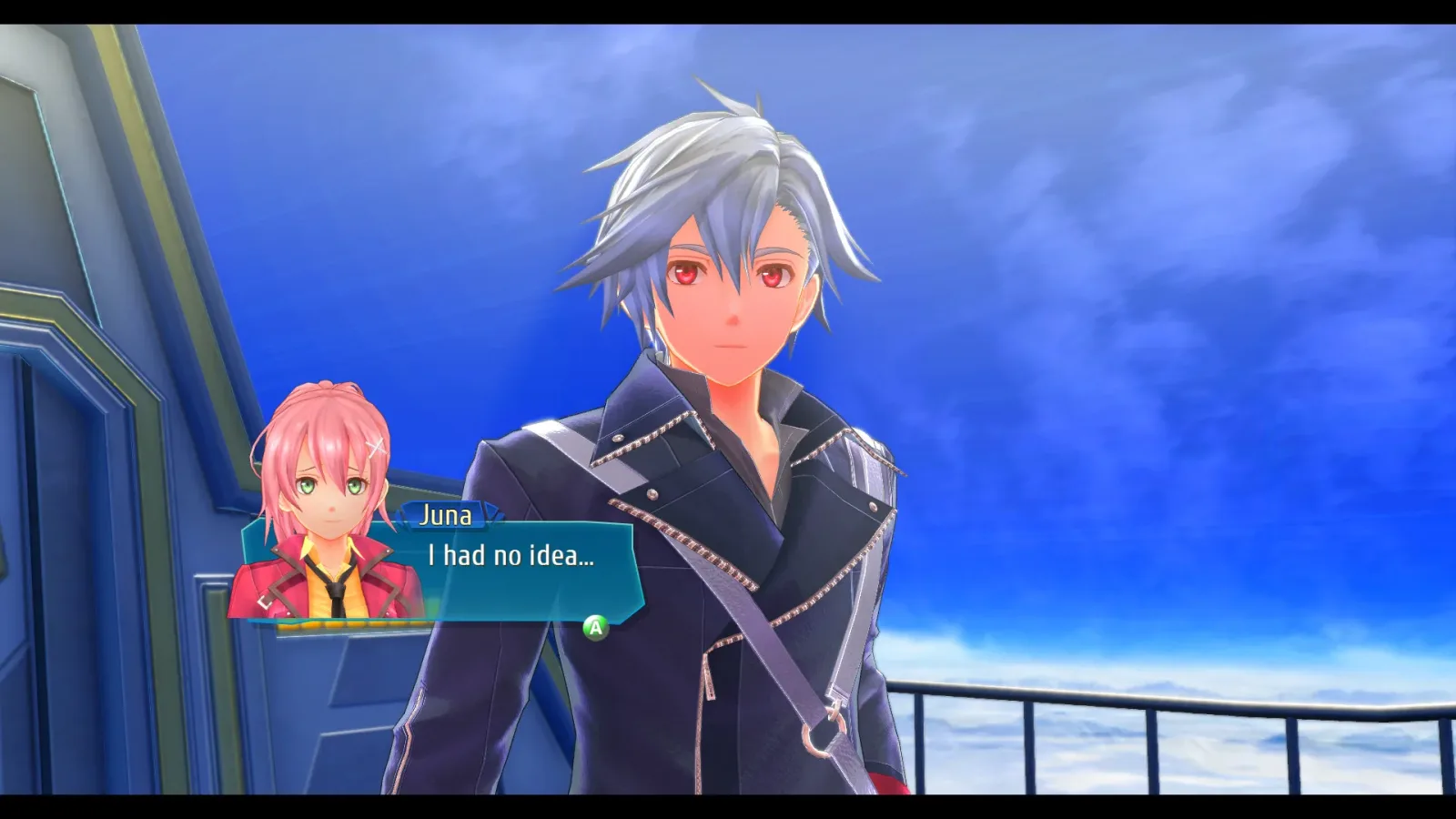
Trails of Cold Steel IV has the unenviable job of bringing the sprawling Erebonia arc to a close. Its strongest moments are intimate ones: personal conflicts receive satisfying attention, and the opening stretch--following Juna Crawford and her less-experienced allies in the aftermath of a major cliffhanger--builds real urgency.
The larger-scale material is less consistent. A story involving international war and major rivalries sometimes feels unexpectedly restrained, with resolutions that arrive too neatly for stakes this enormous. That does not make it a poor finale, but it does make it an uneven one. Cold Steel IV is at its best when it concentrates on the emotional cost carried by its characters rather than the sheer size of its spectacle.
For useful background on this topic, read Where Dolls Hang Blends Real Doll Photos and VHS Films Into Its Psychological Horror.
12. Trails through Daybreak II
Trails through Daybreak II is an ambitious but divisive bridge between the first Daybreak and Trails Beyond the Horizon. Its central hook is a reset structure reminiscent of a visual novel: characters can reach grim bad endings, then revisit events with new knowledge to change the outcome. That device produces some inventive scenarios, but its frequent use may wear down players who prefer a more direct adventure.
The episodic format also creates room for supporting characters to shine, although the separate pieces do not always unite into a satisfying overall story. Familiar locations limit the feeling of discovery, and several personal arcs do not advance as strongly as they should. Still, the Calvard cast remains enjoyable company, and the game's willingness to experiment gives it an identity even when its bigger narrative turns stumble.
11. Trails in the Sky the 3rd
Trails in the Sky the 3rd is one of the series' most unusual installments. It steps away from the first two Sky games' travel-heavy structure for a more dungeon-focused experience centered on Kevin Graham, a high-ranking heretic hunter of the Septian Church, and his partner Ries.
Kevin and Ries share some of Trails' finest relationship writing, and their story alone makes this chapter essential. The tradeoff is that its dungeon-crawling framework can be a sharp adjustment after the more traditional rhythm of the earlier Sky games. Later titles refine this particular style, especially Trails into Reverie, but Sky the 3rd remains an important experiment: a smaller, stranger, and more self-contained entry whose character work hits remarkably hard.
10. Trails of Cold Steel II
War shapes the backdrop of Trails of Cold Steel II, and the game aims to show how that conflict affects Rean Schwarzer as he becomes a more capable but compromised figure. Its atmosphere is often excellent, supported by a particularly effective soundtrack and several striking late-game confrontations.
However, the writing rarely commits fully to the ugliness implied by a civil conflict. It can feel oddly bloodless, as though the game is reluctant to explore the darkest implications of its premise. Even so, Cold Steel II has a compelling conclusion and a standout final boss. When it allows its melancholy tone to lead, it feels distinct within the Erebonia arc.
9. Trails from Zero
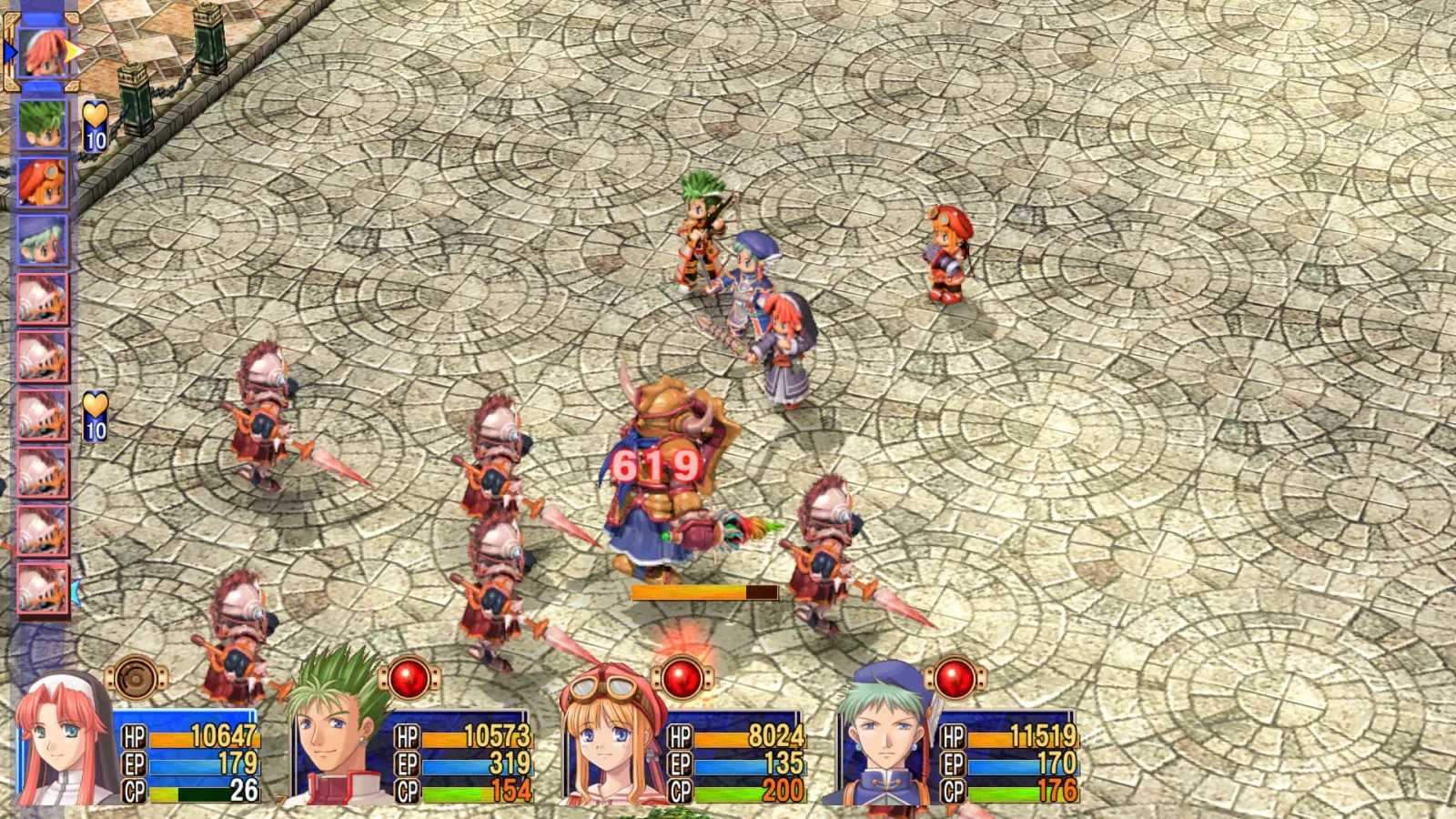
Trails from Zero begins the Crossbell arc, arguably the strongest showcase for the series' legendary environmental storytelling. Crossbell City feels lived-in because residents have routines, opinions, anxieties, and evolving lives. The player comes to recognize streets, shops, and neighborhoods in a way few RPGs manage.
As an opening chapter, Zero takes its time. Its early police-work tasks can be modest, but the gradual escalation is the point: small cases eventually give way to thrilling action sequences, including chases and large-scale battles. The compact party and occasionally finicky magic system show their age, but this is still a magnificent introduction to one of gaming's best RPG cities. Its sequel simply pushes the same ideas even further.
8. Trails of Cold Steel
The original Trails of Cold Steel is largely setup, and it is more rewarding in retrospect than it may initially appear. Its academy setting brings a school-life flavor to Trails' usual exploration and political tension, while its traditional combat system remains approachable and satisfying.
The downside is a huge cast that cannot always receive equal attention. A social and relationship system locks some character insight behind optional investment, which can leave key personalities feeling underdeveloped if players do not choose their scenes. That design also complicates the arc's romantic writing. Still, the relaxed school days create a useful contrast with what follows, and Cold Steel's final stretch makes a strong case for continuing onward.
7. Trails through Daybreak
Trails through Daybreak refreshes Trails with a more modern Calvard setting and a protagonist whose work sits outside the series' usual institutions. Van Arkride is a private investigator with a flexible moral outlook, allowing side quests to move beyond routine errands into stories with sharper social concerns.
Calvard's ensemble is the real triumph. Characters such as Celis Ortesia and Quatre Salision arrive with vivid personalities, and the Arkride Solutions Office quickly becomes one of the franchise's most engaging groups. Combat also shifts toward more active positioning, though the system still has a few rough edges in this first outing. Daybreak's carnival chapter is a particular high point, delivering an extended run of momentum, humor, and chaos.
6. Trails of Cold Steel III
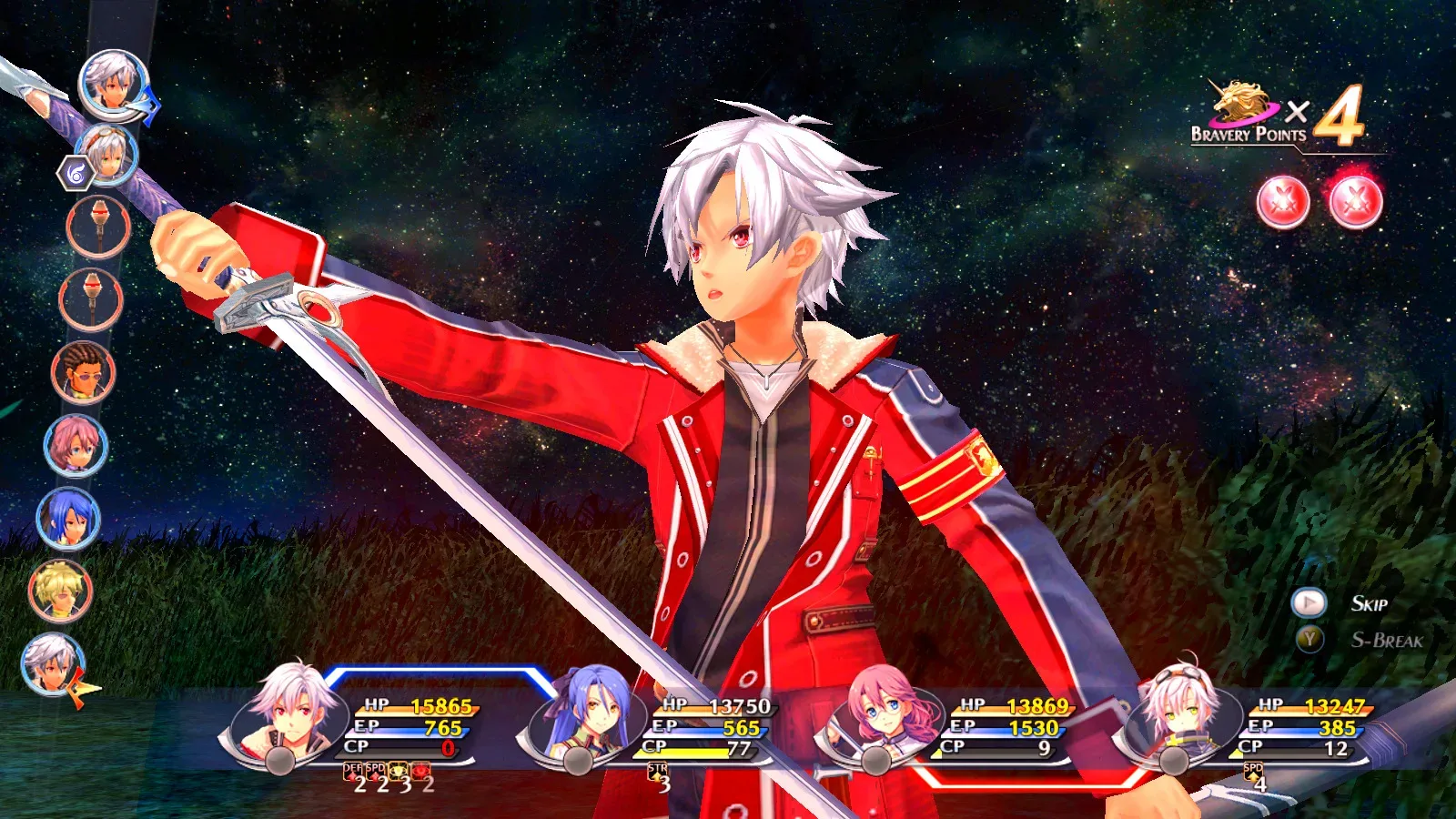
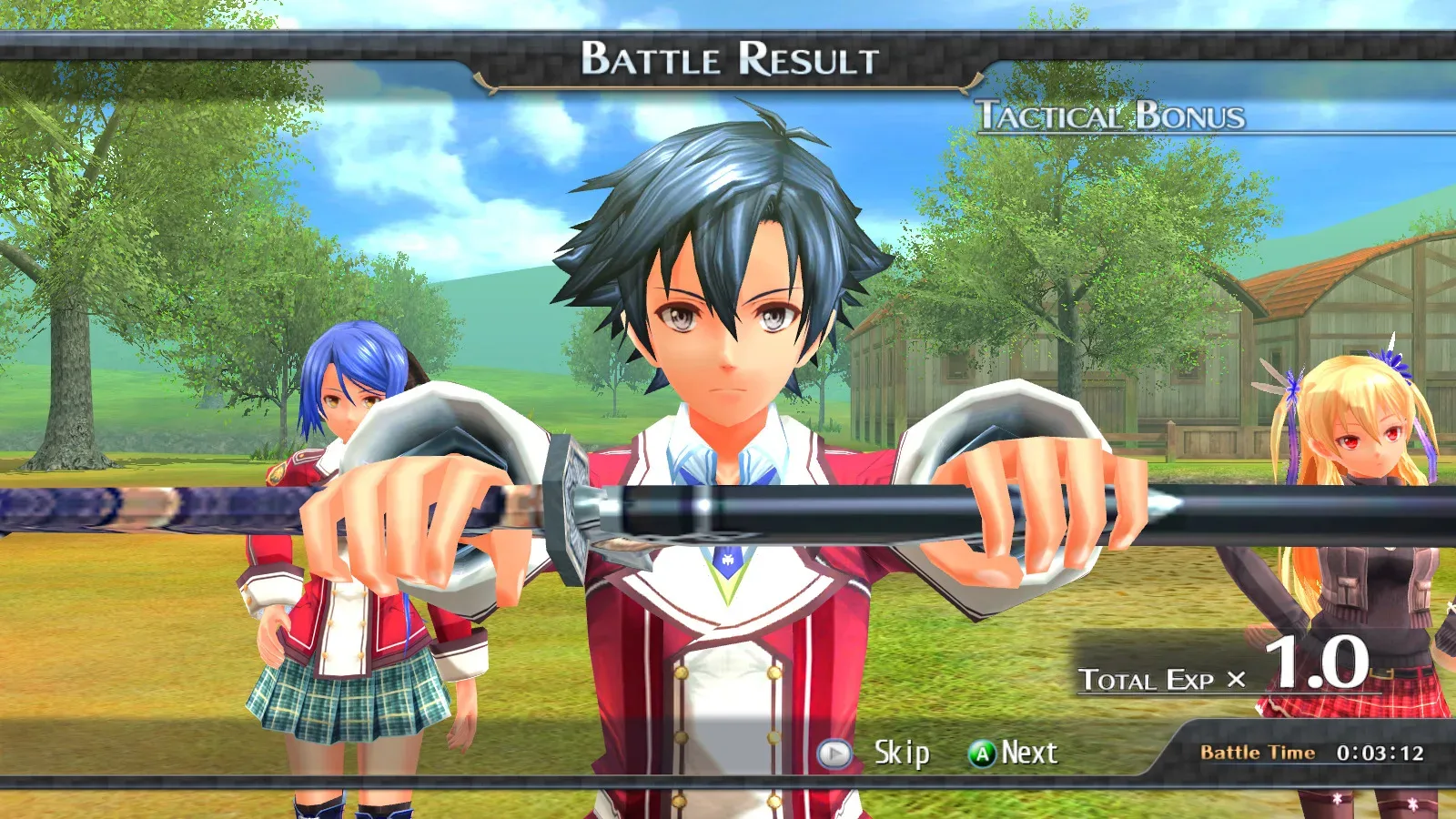
Trails of Cold Steel III is the Erebonia arc's strongest individual chapter. A small time jump gives Rean a new role as an instructor, adding maturity and tension to his perspective. The newer, more focused class also avoids some of the first two games' crowding while preserving the sense that history is catching up with everyone.
Moving beyond the PlayStation Vita era gives the presentation a visible lift in environments, animation, and cutscenes. More importantly, the plot is ready to act on the groundwork laid by its predecessors. Political intrigue, returning faces, and escalating danger combine into a confident RPG that makes the earlier slow burn feel worthwhile.
5. Trails in the Sky
The first Trails in the Sky establishes the formula: spend time helping ordinary people, explore a colorful country, learn how its systems work, and then discover that a much bigger story has been quietly gathering force. Liberl remains a wonderful starting point because the game earns its later drama through patient, warmhearted adventure.
Estelle and Joshua Bright are the heart of it all. Estelle's open, exuberant sincerity perfectly complements Joshua's reserved competence, and their rapport elevates everything from simple errands to major revelations. Whether players choose the original sprite-based presentation or the newer remake, Sky remains an outstanding introduction to the wider world of Zemuria.
4. Trails Beyond the Horizon
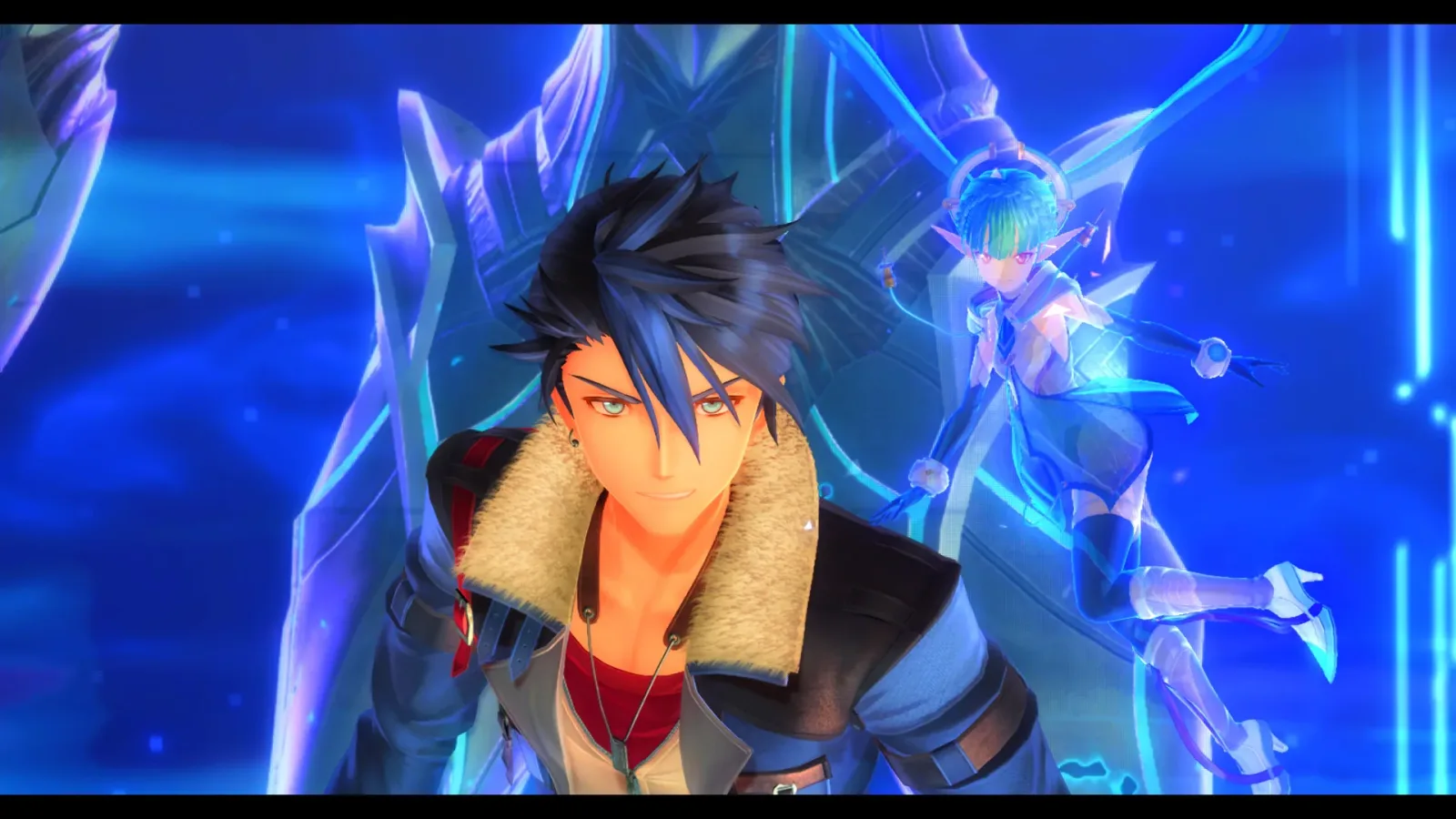
Trails Beyond the Horizon demonstrates the extraordinary payoff of long-term world-building. Its story unfolds as Zemuria approaches humanity's first crewed journey into space, an achievement shadowed by the sense that something unsettling awaits beyond the planet. Multiple generations of protagonists become involved in a mystery with consequences far beyond a single country.
The game's confidence is its greatest strength. It moves quickly, leans into its accumulated history, and ends on a cliffhanger designed to leave longtime players reeling. Its revised combat also smooths out several issues introduced in Daybreak, making movement and character-specific abilities feel more immediate. This is not the place to begin, but it is a powerful reminder of why the series inspires such loyalty.
3. Trails into Reverie
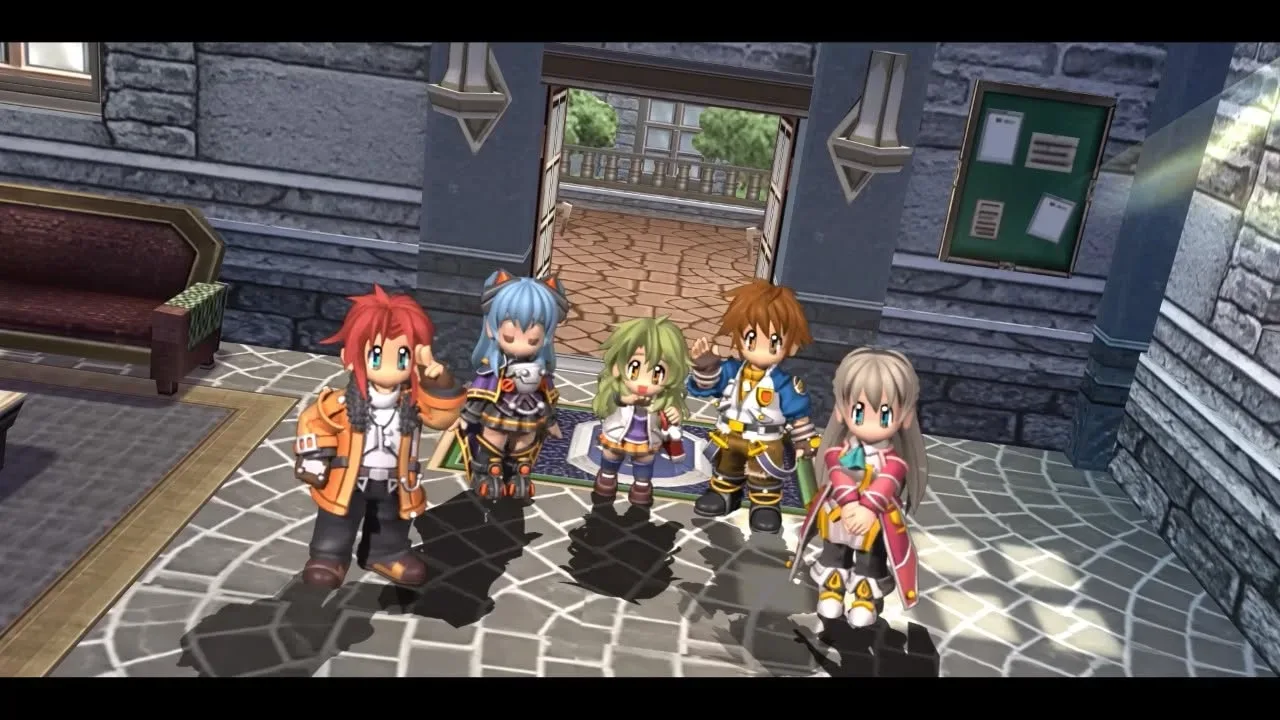
Trails into Reverie unites the Crossbell and Erebonia arcs in an enormous crossover finale. With three protagonists and more than 50 playable characters, it sounds like it should collapse under its own weight. Instead, it turns that abundance into a celebration of everything the series has built.
One especially important thread follows the mysterious terrorist known as C. In a game overflowing with reunions and fan service, this storyline provides a deeply personal emotional center. Reverie also revisits Sky the 3rd's dungeon-oriented approach and expands it into a robust, repeatable mode where players can build teams from across the franchise. The result is lavish, customizable, and far more cohesive than its scale suggests.
2. Trails to Azure
Trails to Azure is the Crossbell arc at full power. Having spent an entire game learning the city, its institutions, and its people, players can finally understand exactly what is at risk when pressure closes in. The core group--Lloyd Bannings, Elie MacDowell, Tio Plato, Randy Orlando, and their allies--may be the series' best party.
Azure balances the everyday and the extraordinary with exceptional control. Its latter third takes daring turns, builds sustained tension, and delivers a finale with tremendous emotional force. It does not need the scale of later games to feel monumental; its strength comes from how completely it makes Crossbell and its people matter.
1. Trails in the Sky 2nd Chapter
Trails in the Sky 2nd Chapter is the clearest expression of the Trails promise. The first Sky game carefully introduces Liberl, its citizens, and its hidden threats. The second chapter returns to that familiar country with fresh context, transforming places and relationships players thought they understood.
Its story is both intensely personal for Estelle and sweeping in scope. More importantly, it proves that Trails' slow-build structure can deliver astonishing rewards. Characters do not remain fixed; they mature, struggle, return years later, and carry the consequences of earlier adventures with them. Sky 2nd Chapter sets that standard with emotional clarity and dramatic confidence. For all the series' later expansions, experiments, and escalating stakes, this remains the essential Trails game--and the benchmark every sequel still chases.
Where Should New Players Begin?
The best answer is still Trails in the Sky. It introduces the setting naturally, gives its central duo time to become unforgettable, and leads directly into the series' finest chapter. Players who want a more self-contained modern entry can consider Trails through Daybreak, while the Crossbell pair offers an especially satisfying compact arc. But for the full effect of Zemuria's grand, patient storytelling, Liberl is where the journey begins.
Community
Discussion
Start the conversation.
No comments have been posted yet.