

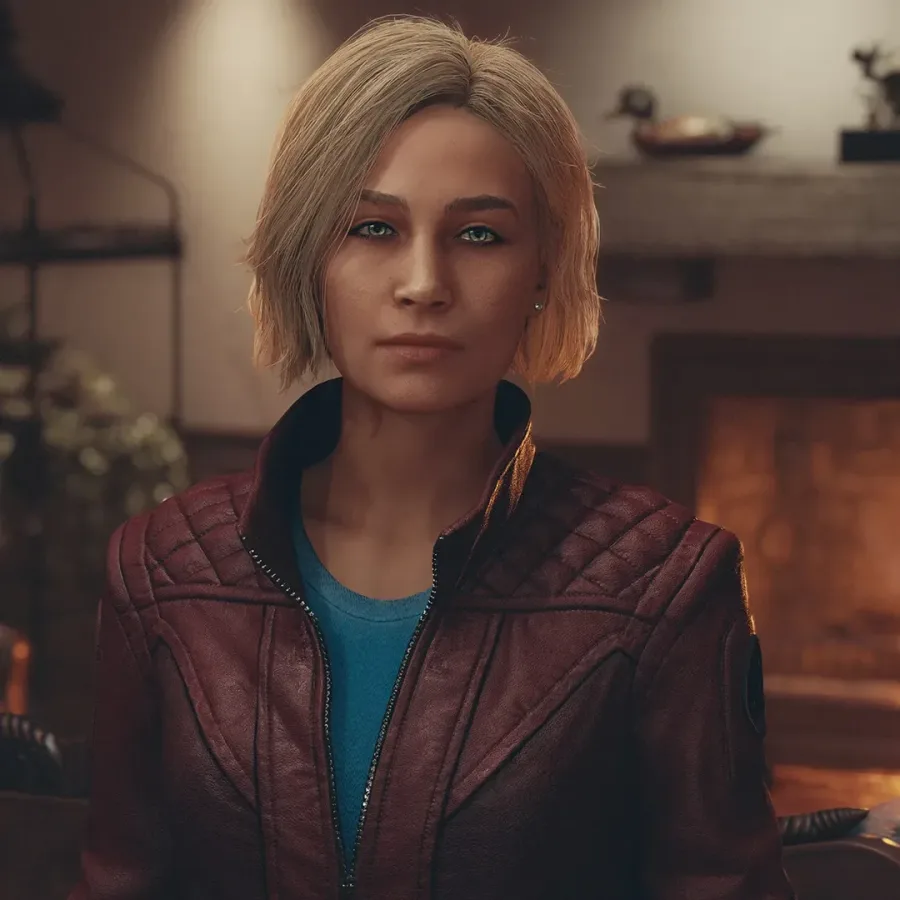
A direct Starfield 2 may not be part of Bethesda's near-term plans, if comments from former Bethesda Game Studios lead systems designer Kurt Kuhlmann are any indication. While the studio continues to support its spacefaring role-playing game with updates, additional stories, and planned Starborn content, Kuhlmann has questioned whether Starfield achieved the commercial and cultural momentum necessary for Bethesda to commit to a full sequel.
Speaking with FRVR, Kuhlmann gave a blunt assessment when asked about the prospect of another Starfield. "I don't think Starfield was anywhere near successful enough to do a Starfield 2," he said. The statement is an opinion from a former developer rather than a confirmation of Bethesda's internal roadmap, but it reflects the difficult position the game occupies: it remains an actively supported major release, yet its reception has been notably more divided than the enduring enthusiasm surrounding some of Bethesda's earlier RPGs.
Starfield launched with immense expectations. It was Bethesda Game Studios' first new universe in decades, arriving after the long-running success of The Elder Scrolls and Fallout series. The promise of a huge science-fiction setting, extensive character creation, faction quests, ship construction, planetary exploration, and the studio's signature open-ended role-playing structure made it one of the most closely watched releases in modern Xbox and PC gaming.
But the response after launch was complicated. Many players praised the scale of the Settled Systems, its questlines, its combat, and the freedom to approach character builds and stories in different ways. Others found its exploration structure, loading transitions, procedural elements, pacing, and technical shortcomings less convincing than the pre-release vision had suggested. That gap between ambition and player expectations has remained central to conversations around the game long after release.
For useful background on this topic, read Gamercard Review: A Bold Raspberry Pi Handheld Built for Curiosity, Not Comfort.
A Sequel Could Have Benefited From Hard Lessons
Kuhlmann's comments were not simply dismissive of the universe itself. He also expressed regret that a follow-up might never get the chance to build on what the first game established. In his view, a second entry could have come closer to realizing the version of Starfield Bethesda's leadership had initially envisioned, because a sequel would have been informed by the hard lessons learned during the original game's development and launch.
That is a familiar pattern for large RPG franchises. First entries often spend substantial time establishing technology, worldbuilding rules, core systems, and production pipelines. A sequel can then refine the areas that players found frustrating without needing to begin from the same foundational point. In Starfield's case, that could theoretically mean revisiting how exploration is structured, how worlds connect to one another, how major discoveries are presented, or how the game balances handcrafted content with its broader planetary scale.
However, Kuhlmann's argument is that this potential may not be enough on its own. A sequel to a game of Starfield's size would require an enormous investment of time and resources. Bethesda would need to decide that the brand has enough momentum to justify another lengthy production cycle, particularly while it already has some of the industry's most recognizable RPG properties under its umbrella.
The fact that a sequel could improve on the first game does not mean one is guaranteed. Bethesda has not announced Starfield 2, and Kuhlmann's comments should not be read as official confirmation that it has been cancelled or was never considered. They do, however, underline why fans should be cautious about treating continued support for Starfield as evidence that a direct follow-up is inevitable.
Bethesda's Support for Starfield Is Still Continuing
Despite the debate over its long-term sequel prospects, Bethesda has not walked away from Starfield. The game has received substantial post-launch work, and the studio has indicated that further improvements are still planned. That ongoing effort matters because it gives Bethesda an opportunity to address feedback over time rather than leaving the game fixed in its launch-state form.
In July, Bethesda's Todd Howard said the studio would keep expanding the Settled Systems during the game's third year. He pointed to new stories, targeted gameplay changes, and further updates, while also saying that new Starborn content is being prepared for the following year. That statement makes one point especially clear: whatever happens with Starfield 2, Bethesda still sees value in developing the existing Starfield experience.
The distinction between supporting a game and greenlighting a sequel is important. Post-launch content can improve systems, provide fresh quests, and respond to community requests while also extending the lifespan of the original release. It does not necessarily signal that Bethesda is preparing another full numbered game. For players invested in the setting, though, planned Starborn material offers a more immediate reason to watch the game's future.
Starfield's updates also have a larger role to play in shaping its reputation. Big role-playing games often change significantly over time, especially when developers continue improving performance, balance, quality-of-life features, content options, and progression. Bethesda's future work could win back some players who were disappointed at launch, or give existing fans more of the material they wanted from the Settled Systems.
At the same time, turning around a divisive reception is difficult. New content can strengthen the game for active players, but it may not fully change the perception of those who felt its core structure did not suit them. That uncertainty is one reason Kuhlmann's skepticism carries weight: even a much better-supported Starfield may not automatically become the kind of runaway success that compels Bethesda to prioritize a second entry.
The Elder Scrolls VI and Fallout Create a Crowded Future
There is also a practical reason not to expect a Starfield sequel soon. Bethesda's major internal focus is widely understood to be The Elder Scrolls VI, the next installment in one of the studio's defining franchises. The game is still expected to be years away, and Bethesda has not provided a release date. A project of that scale will naturally command substantial attention for a long time before and after it arrives.
Fallout is another major factor. Obsidian has been tapped to develop a new Fallout game, meaning that Bethesda's broader family of studios and partners has another enormous RPG series to manage. Even without knowing the full specifics of each team's schedules, it is easy to see why Starfield 2 would face competition for resources, attention, and release-window space.
That does not rule out Bethesda revisiting Starfield eventually. Studios can maintain multiple ideas and early concepts over many years, and a property does not have to receive an immediate sequel to return later in a different form. But there is a major difference between the possibility of an eventual revisit and a realistic expectation of an announcement in the next few years.
For now, the more grounded expectation is that Starfield's future lies in its current game: patches, gameplay adjustments, DLC, new narrative material, and the promised Starborn content. Bethesda has made a public commitment to continue expanding the Settled Systems, so that work is more concrete than any speculation about a numbered follow-up.
What Kuhlmann's Comments Mean for Players
Kuhlmann's assessment will likely resonate with players who believed Starfield needed a second chance to fulfill its boldest ideas. There is a compelling argument that the game's universe has room to grow, and that a sequel could have addressed the most persistent criticisms with the benefit of hindsight. Yet a sequel is also not a simple corrective patch. It would be a massive, years-long bet on a franchise whose reception has remained contested.
For fans hoping to see more Starfield, the immediate outlook is neither a definitive ending nor a promise of Starfield 2. It is continued support for the game already available on PC and Xbox, accompanied by a clear indication that Bethesda is still adding to its world. Whether that support can substantially reshape the game's standing remains to be seen.
Until Bethesda itself announces a sequel, Starfield 2 should remain firmly in the realm of speculation. Kuhlmann's perspective suggests that such a project may be unlikely in the near future, particularly with The Elder Scrolls VI and Fallout occupying so much attention. The next chapter for the Settled Systems, at least for now, appears to be written through updates and new content rather than a new numbered game.
Community
Discussion
Start the conversation.
No comments have been posted yet.