

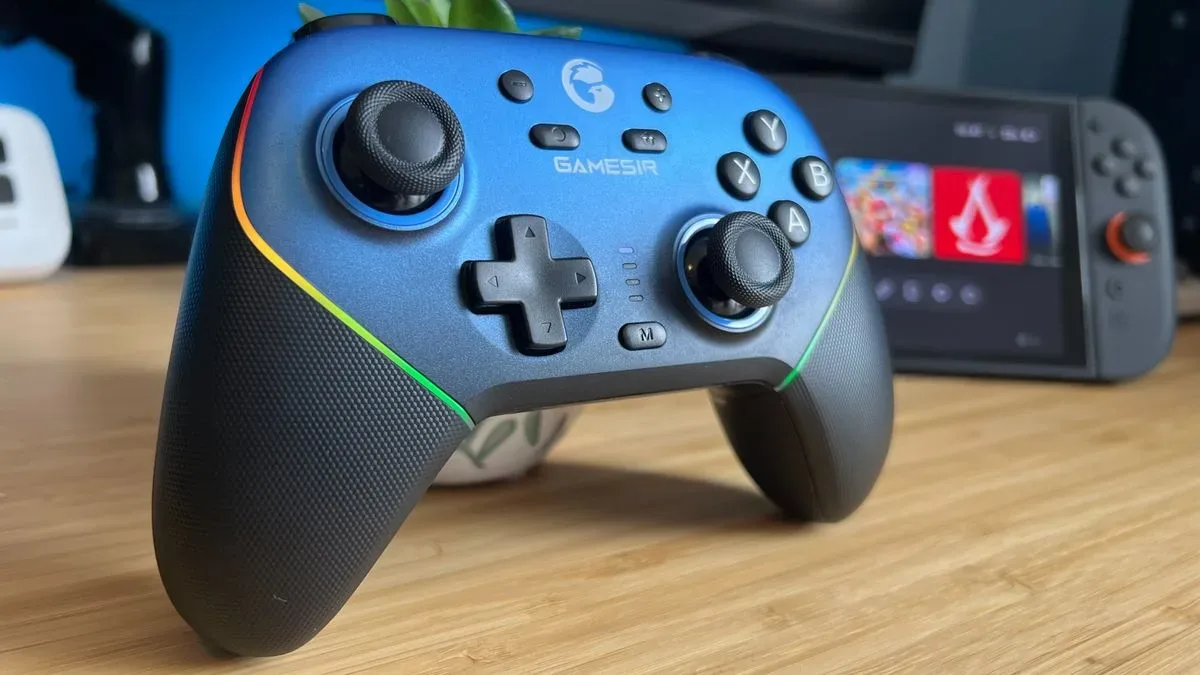
The GameSir Super Nova is an unusually ambitious controller for its price bracket. Originally released in spring 2025 at $44.99 / £49.99, this wireless gamepad is built for PC, Nintendo Switch, Switch 2, and mobile use. It brings Hall effect thumbsticks, motion controls, programmable rear buttons, trigger locks, RGB lighting, a swappable faceplate, and software customization that runs deeper than many affordable pads manage.
That is already a compelling specification, particularly when the controller is regularly discounted to roughly $30. However, the Super Nova also carries a potentially huge selling point for Switch 2 owners: the ability to wake Nintendo's newer console remotely. In practical testing, that specific promise was the one area that did not live up to expectations. Despite repeated setup attempts and firmware checks, the wake function could not be made to work reliably.
It is an important disappointment, especially because the feature is still relatively uncommon outside more expensive options. Yet it does not erase what GameSir has achieved elsewhere. Put aside Switch 2 wake functionality, and the Super Nova is a polished, capable controller with a notably sturdy feel, broad platform support, responsive controls, and excellent value when bought at a discount.
A familiar layout with a much less familiar budget feel
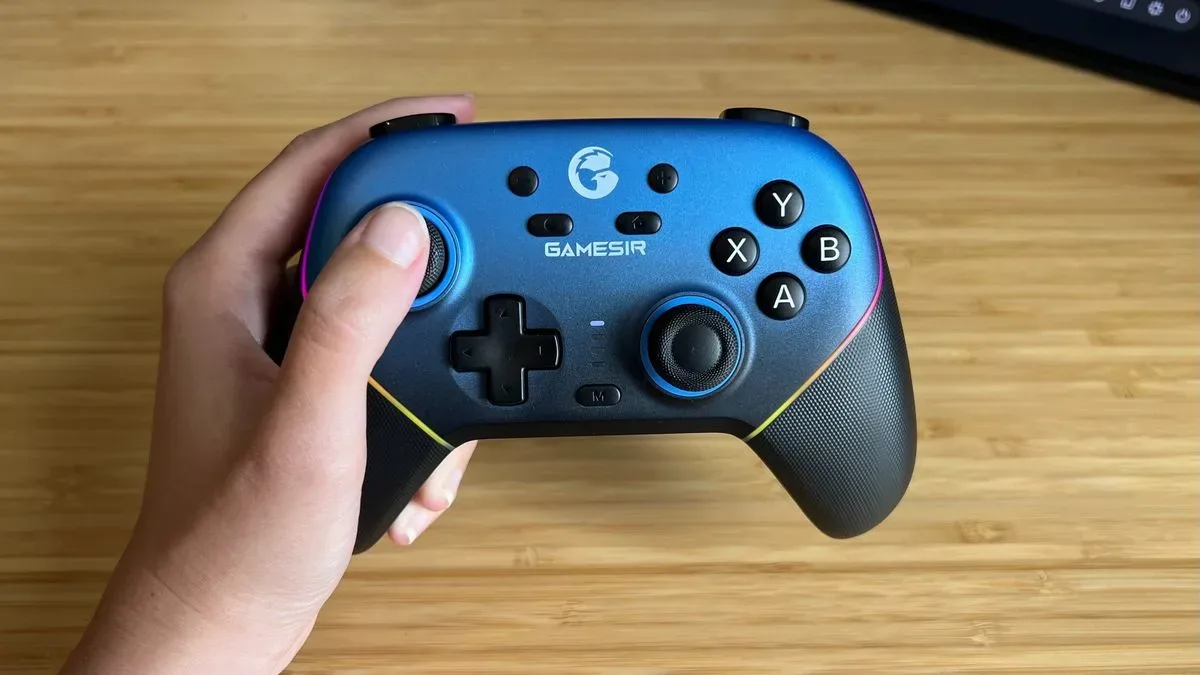
The Super Nova does not radically reinvent the gamepad silhouette. Its general shape follows the modern Xbox-style formula, with offset analogue sticks, ABXY face buttons, angled grips, and a slightly compact profile. At 263g, it is also lighter than some premium wireless controllers while retaining a reassuring density in the hands.
For useful background on this topic, read Control Resonant Code Unlocks the MIO Specialist's Robe.
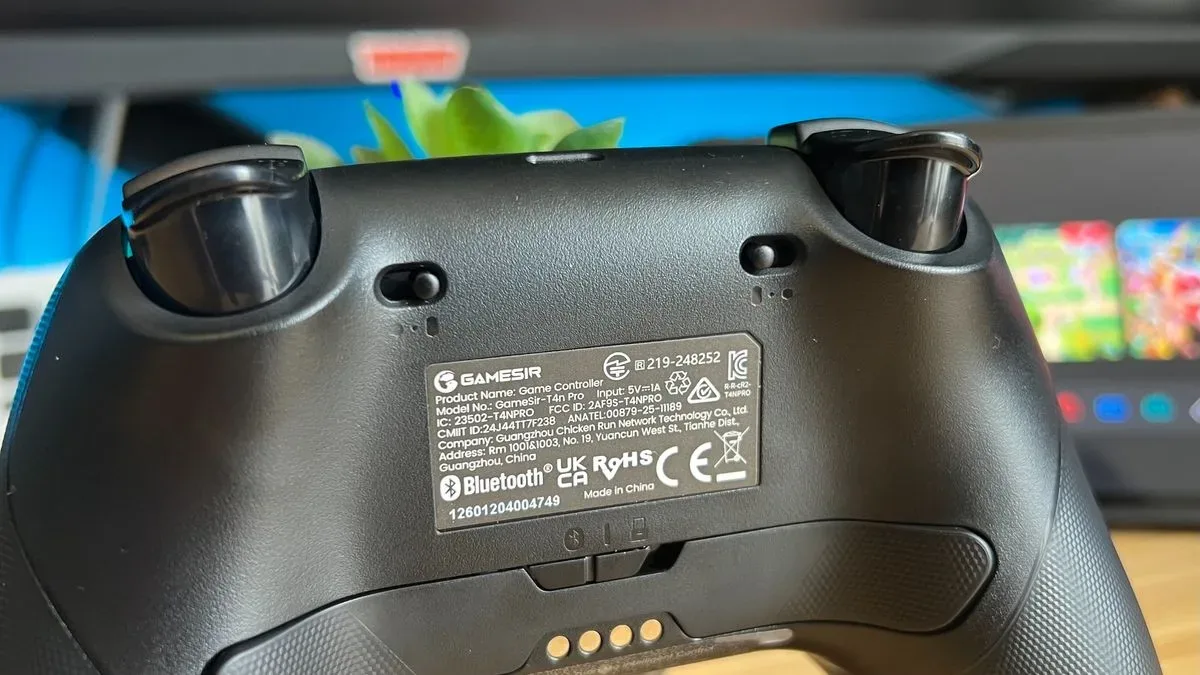
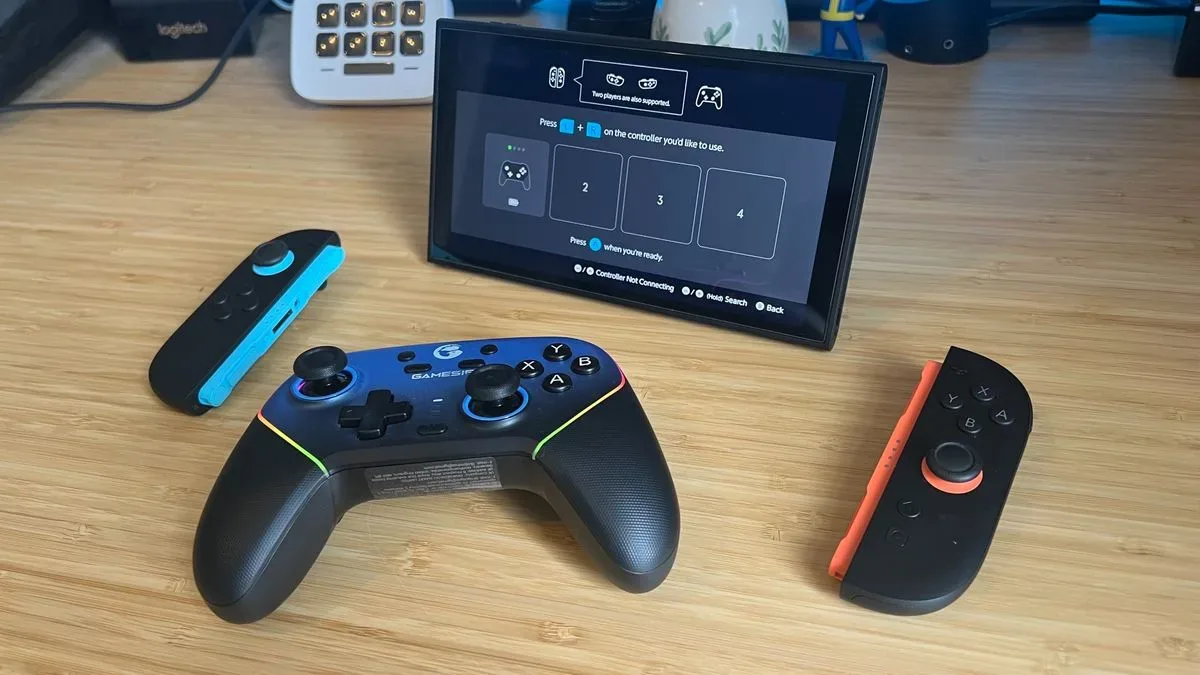
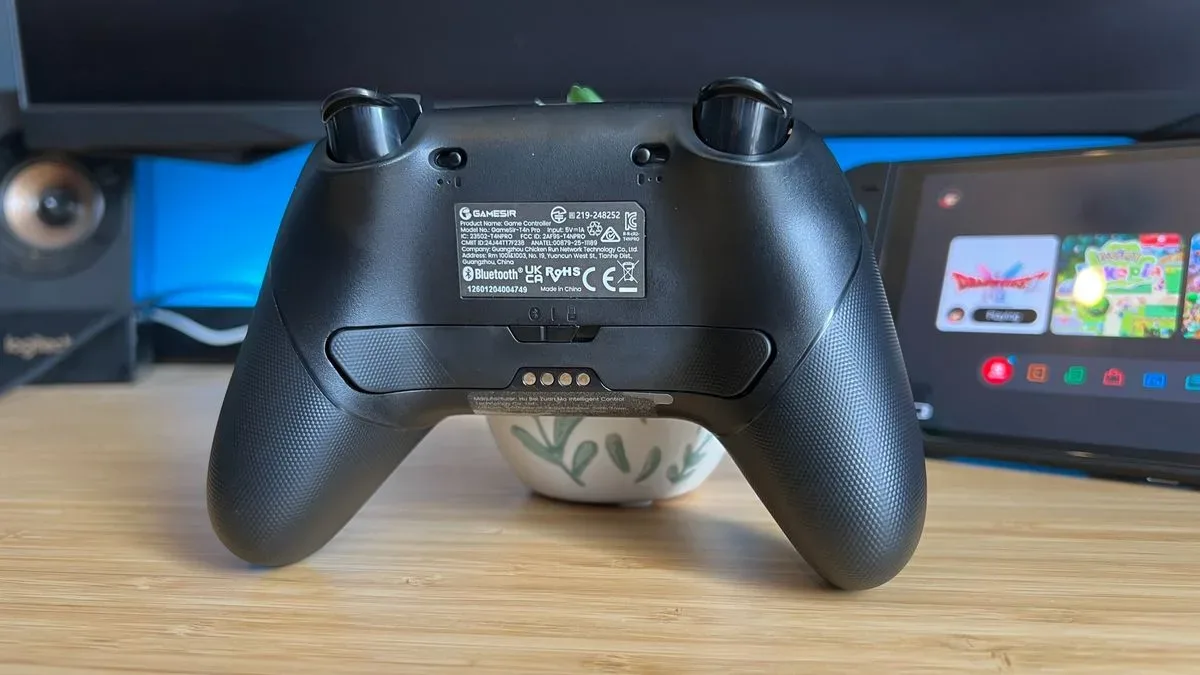
Nintendo-oriented additions help distinguish it from a standard PC-focused pad. In place of conventional menu labels are plus and minus buttons, while Home and screenshot controls sit beneath them. The face-button arrangement can be adjusted to better suit Nintendo layouts when moving between platforms. An M button on the lower portion of the controller enables certain on-the-fly customizations, and a rear switch selects Bluetooth, wired, or 2.4GHz wireless operation.
That rear connection slider is functional but not perfect. It sits very flush with the casing, making it a little awkward to grip and move quickly. This is a small ergonomic complaint, though, rather than a major usability problem.
More impressive is the construction. In a category where lower-priced controllers can feel hollow, flexible, or noisy, the Super Nova feels substantially more expensive than its list price suggests. The hard plastic shell does not creak or rattle during play, including while using motion controls. It has a solid, dense quality that makes button presses feel more deliberate without making long sessions uncomfortable.
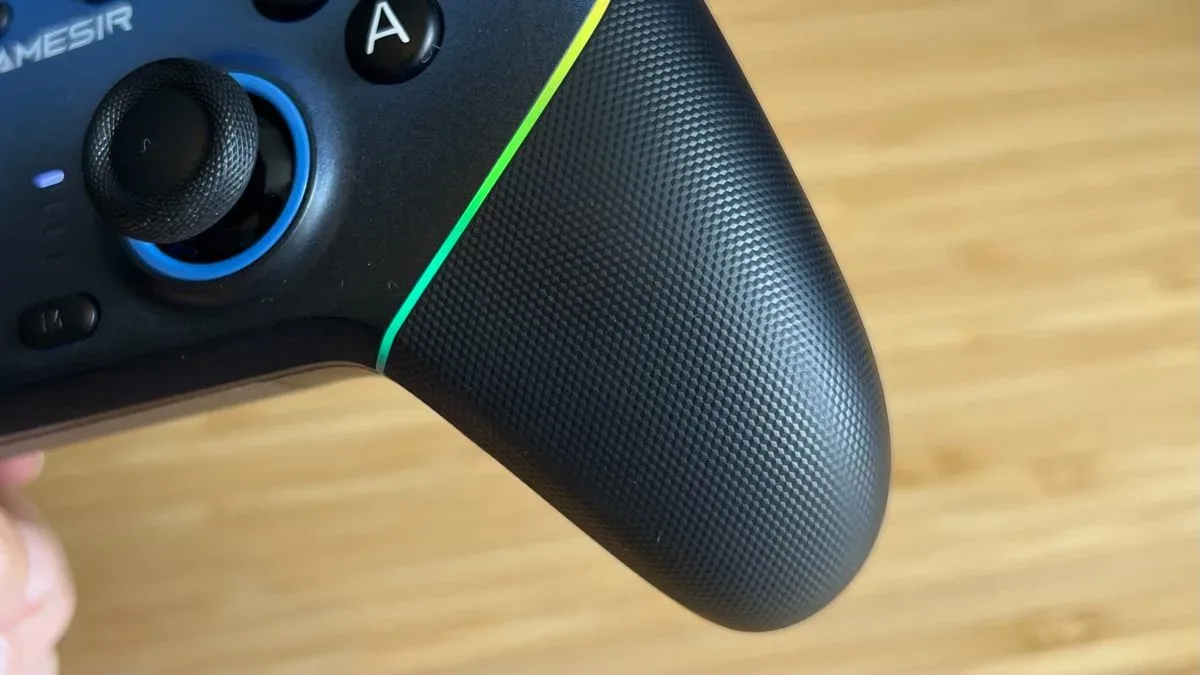
The textured grips are a particular strength. A shallow, rubberized diamond pattern wraps around both handles and extends toward the rear controls. It provides meaningful traction without becoming sticky, overly abrasive, or uncomfortably warm. The result is a secure hold that does not restrict movement when reaching toward the upper buttons.
Visually, the controller will be more subjective. The oversized ABXY legends may not appeal to everyone, and RGB lighting can make even well-built controllers look less refined depending on the chosen effect. Still, the dark-blue gradient near the top of the faceplate is attractive, while the magnetically detachable front plate feels surprisingly robust. The magnets themselves are strong, and the removable panel is more confidence-inspiring than equivalent cosmetic systems on some considerably more expensive controllers.
Feature set: PC controller flexibility meets Nintendo-friendly extras
GameSir's biggest advantage is how much it attempts to cover with one device. The Super Nova works across Nintendo Switch, Switch 2, PC, and mobile, combining features commonly associated with PC gamepads and the elements Nintendo players tend to expect.
Motion controls work well in compatible Nintendo games, but they can also be assigned to mouse inputs on PC. That will not replace a mouse for precision-heavy tasks, yet it can be genuinely useful for simple cursor movement and menu navigation. It is a thoughtful option that gives the controller a little more utility away from consoles.
Trigger locks are another welcome inclusion. They shorten trigger travel for situations where quick actuation matters, particularly in shooters. They are not as instant as the mechanical systems found on premium controllers, but they still offer a practical speed benefit. This is especially notable because switchable trigger depth remains absent from many casual Switch 2 controller alternatives.
The Super Nova uses Hall effect sticks rather than newer TMR technology. TMR remains the more advanced solution for sensitivity and precision, but Hall effect sticks are still a meaningful step above conventional potentiometer designs, particularly at this price. They are designed to reduce concerns around traditional stick drift and, in use, feel controlled and accurate.
Connection options are equally sensible. Bluetooth polling reaches 125Hz, while the included 2.4GHz dongle can deliver a 1,000Hz polling rate on PC. Wired play is also available. Two rear paddle-style buttons can be remapped directly through the M button, or configured more extensively in the GameSir Connect PC application.
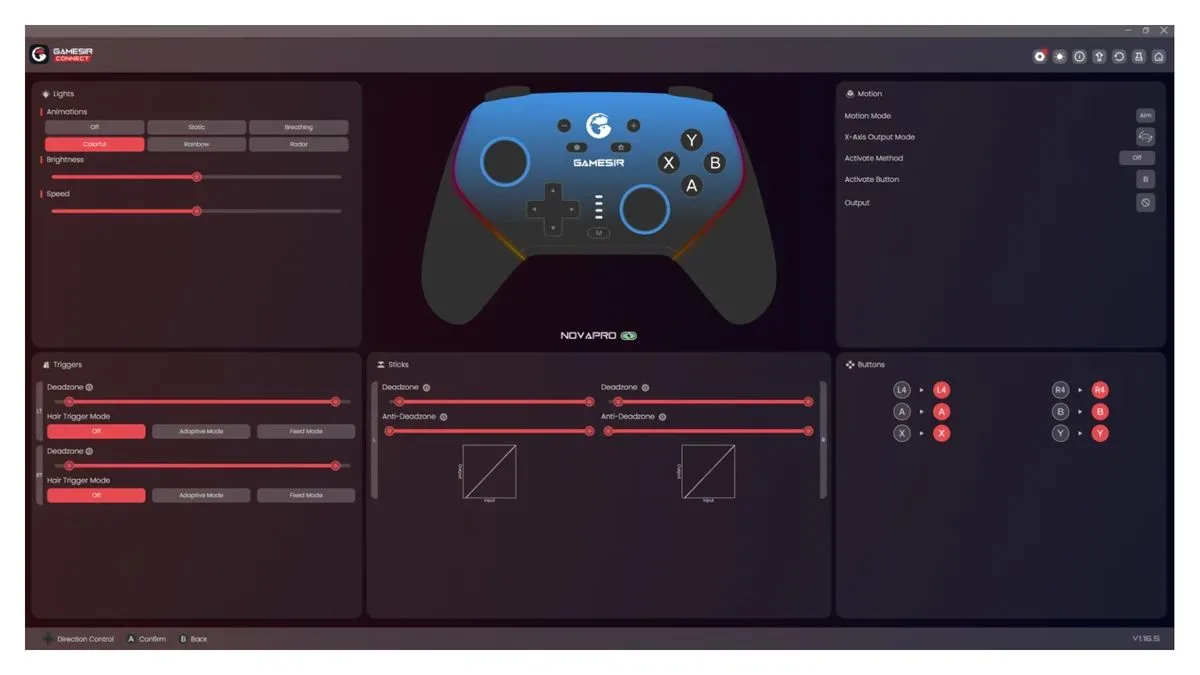
That software is one of the controller's strongest assets. It supports rear-button assignments, mouse clicks, keyboard combinations, motion settings, trigger dead zones, hair-trigger behavior, trigger curves, stick anti-dead zones, stick trajectory adjustments, vibration control, RGB options, and macros of up to three commands per key assignment. For a controller at this cost, it is an impressive collection of tuning tools.
There is one conspicuous omission: presets. Users cannot save distinct setups for different games. Anyone switching between titles with substantially different requirements may need to revisit menus and manually adjust settings each time. That is an inconvenient limitation when the rest of the software is otherwise so comprehensive, and it would be an excellent candidate for a future PC-side update.
The Switch 2 wake feature is the frustrating exception
The central concern with the GameSir Super Nova is its Switch 2 wake functionality. This is the feature that could elevate it from a strong affordable controller into a standout alternative to Nintendo's more expensive official hardware and high-end third-party options.
In testing, however, it did not work reliably. The setup procedure is unusually involved: pairing and re-pairing the controller, removing Joy-Con controllers, changing the system's grip arrangement, then searching for the Joy-Con again before attempting to wake the console with the Home button. The process was attempted multiple times over several sessions without success. The controller's central lights indicated that it was attempting communication, but the Switch 2 did not wake.
GameSir was contacted to confirm both the process and that the unit was using current firmware. The guidance supplied followed a similar procedure, including a walkthrough intended to resolve the issue. Further attempts using that information still did not produce a successful wake connection.
There is evidence that some owners have successfully used the function, so it should not be treated as universally non-functional. But the setup is evidently more complicated than it ought to be, and the feature cannot be recommended as a dependable reason to buy this controller based on this testing experience. Anyone shopping specifically for a low-cost Switch 2 Pro Controller substitute with seamless wake support should approach the Super Nova cautiously.
Excellent day-to-day performance across PC and Switch 2
Away from that one issue, everyday performance is consistently strong. Bluetooth and 2.4GHz connections remained stable, with no notable communication failures or speed concerns. The controller handled fast motion in The Legend of Zelda: Tears of the Kingdom smoothly, and the larger face buttons with their dampened feel were comfortable during extended building sessions in Pokemon Pokopia.
On PC, the sticks held their accuracy during both quick turns and slow camera movements. In more hectic moments of Doom: The Dark Ages, their tension and return felt responsive enough for frantic action. Stick movement is also notably smooth, avoiding snagging near the edge of the gate or unpleasant friction against the controller shell.
The analogue triggers occupy a pleasing middle ground. They offer more resistance than some ultra-light premium triggers while retaining a longer, more nuanced pull than Nintendo's official Switch Pro-style design. That gives driving games such as Forza Horizon 6 useful throttle and brake control, while a cushioned end stop prevents full presses from feeling harsh.
The ABXY buttons use membrane switches rather than the microswitches found on GameSir's pricier Cyclone 2. Even so, they remain comfortable, cushioned, and satisfying under the thumb. The D-pad is less impressive. Its four-direction design is straightforward, but its membrane action feels firmer and less nimble than ideal for rapid directional inputs.
Rear-button comfort will depend on grip style. With index fingers positioned around the triggers and bumpers, the longer rear levers are easy to reach with middle fingers and register reliably. Players who place their middle fingers on the triggers may find that the left-side positioning encourages accidental pressure from the ring finger, potentially causing a mispress. It was not a problem with a more relaxed, natural grip, but it is worth considering for players with more aggressive hand placement.
Verdict: exceptional value if Switch 2 wake is not essential
At its $44.99 list price, the GameSir Super Nova faces stiff competition from controllers such as the GameSir Cyclone 2, which can sometimes be found between $50 and $70 and uses TMR sticks. But the equation changes considerably around the Super Nova's frequent $30 sale price. At that level, its build quality, multi-platform support, Hall effect sticks, rear buttons, trigger locks, motion support, and software suite are difficult to argue with.
Compared with a wired budget Switch 2 option such as the PowerA Advantage Wired Controller, the Super Nova is a much more complete package. It brings wireless options, stronger construction, motion controls, rumble, trigger locks, and deeper customization. Even if the wired alternative is often cheaper, a small price gap is easy to justify for the extra features.
The GameSir Super Nova is best viewed as a highly capable budget PC, Switch, and mobile controller that happens to offer Switch 2 compatibility--not as a guaranteed low-cost solution for remote Switch 2 wake. Its promised wake feature may work for some users, but it was not dependable in testing. Ignore that caveat, especially during a sale, and GameSir's controller offers an impressively premium-feeling and flexible gamepad for the money.
Community
Discussion
Start the conversation.
No comments have been posted yet.