

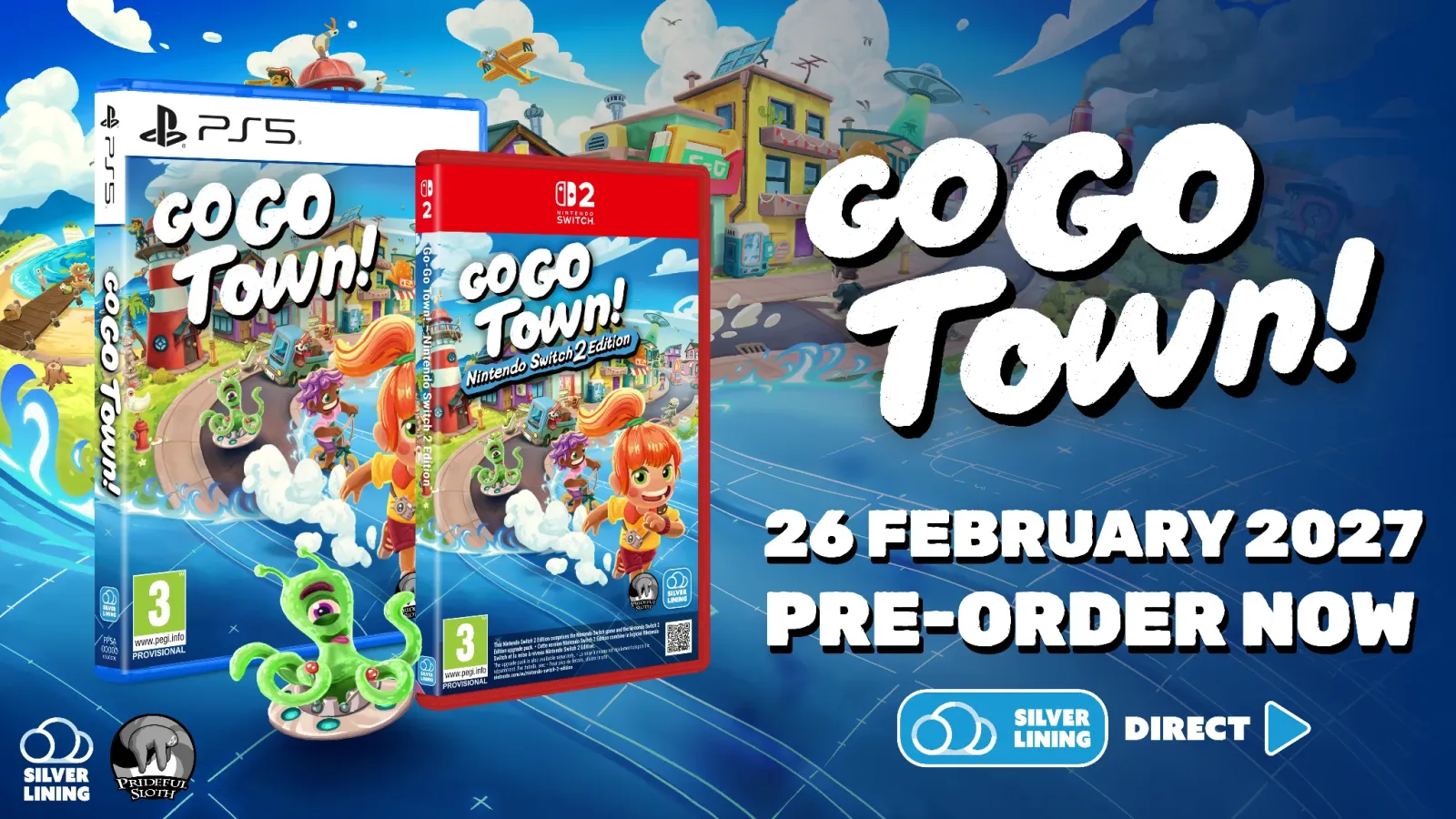
Go-Go Town! will receive physical editions for PlayStation 5 and Nintendo Switch 2 on February 26, 2027. The town-building game from Prideful Sloth is being brought to retail by Silver Lining Interactive, giving players a boxed option for building, decorating and automating their own bustling holiday destination.
The announcement follows a successful digital arrival for the game, which previously reached the top position on the Nintendo Switch eShop charts. Its move to physical retail will put a greater focus on the relaxed but increasingly busy management loop at the heart of the experience: taking a run-down coastal settlement and turning it into a place visitors actively want to explore.
Pre-orders are now available through Silver Lining Direct and participating local retailers. The PlayStation 5 edition is priced at £29.99, EUR34.99 or $34.99, while the Nintendo Switch 2 version carries a price of £44.99, EUR49.99 or $49.99.
A boxed release built for a growing town
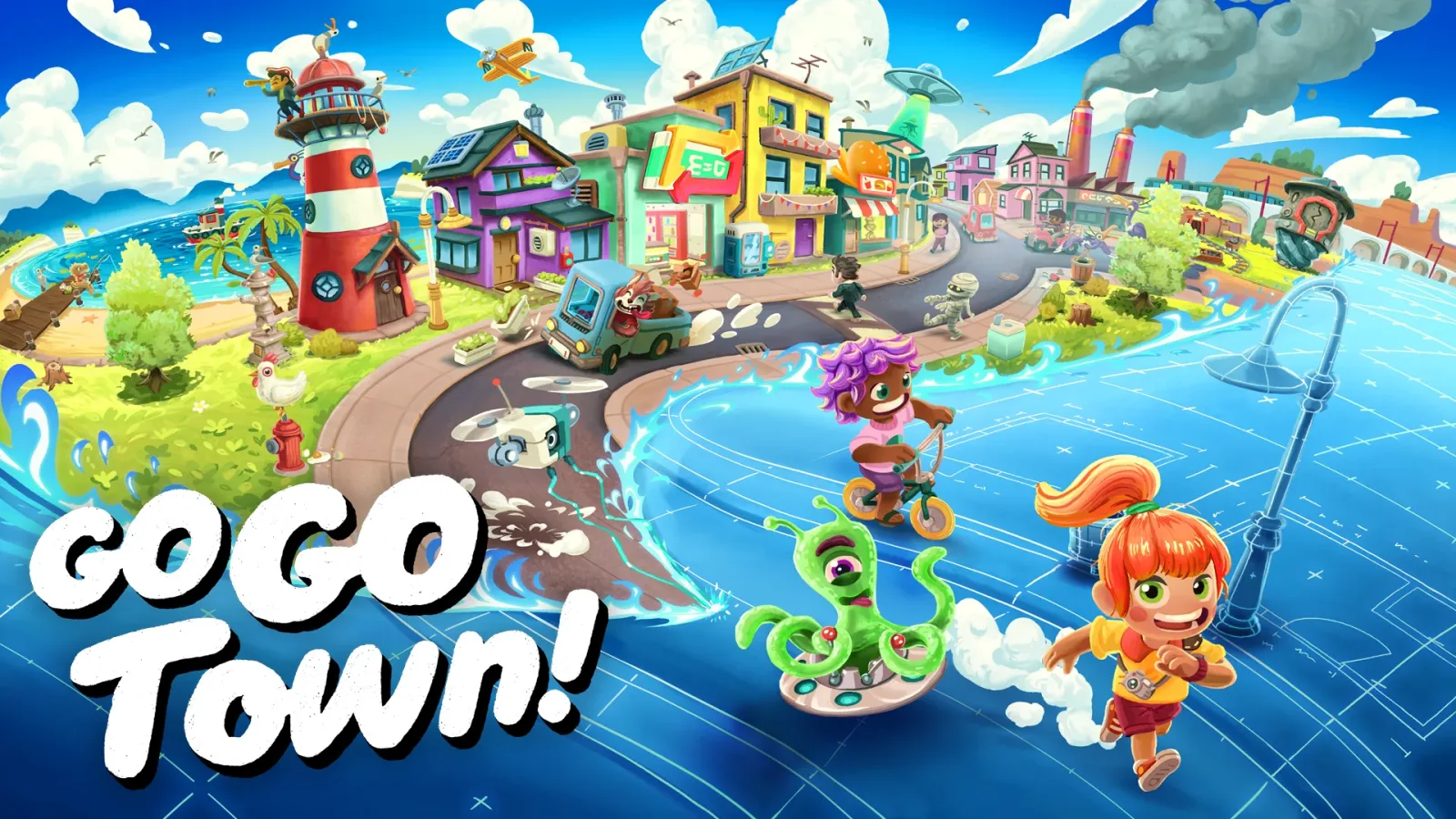
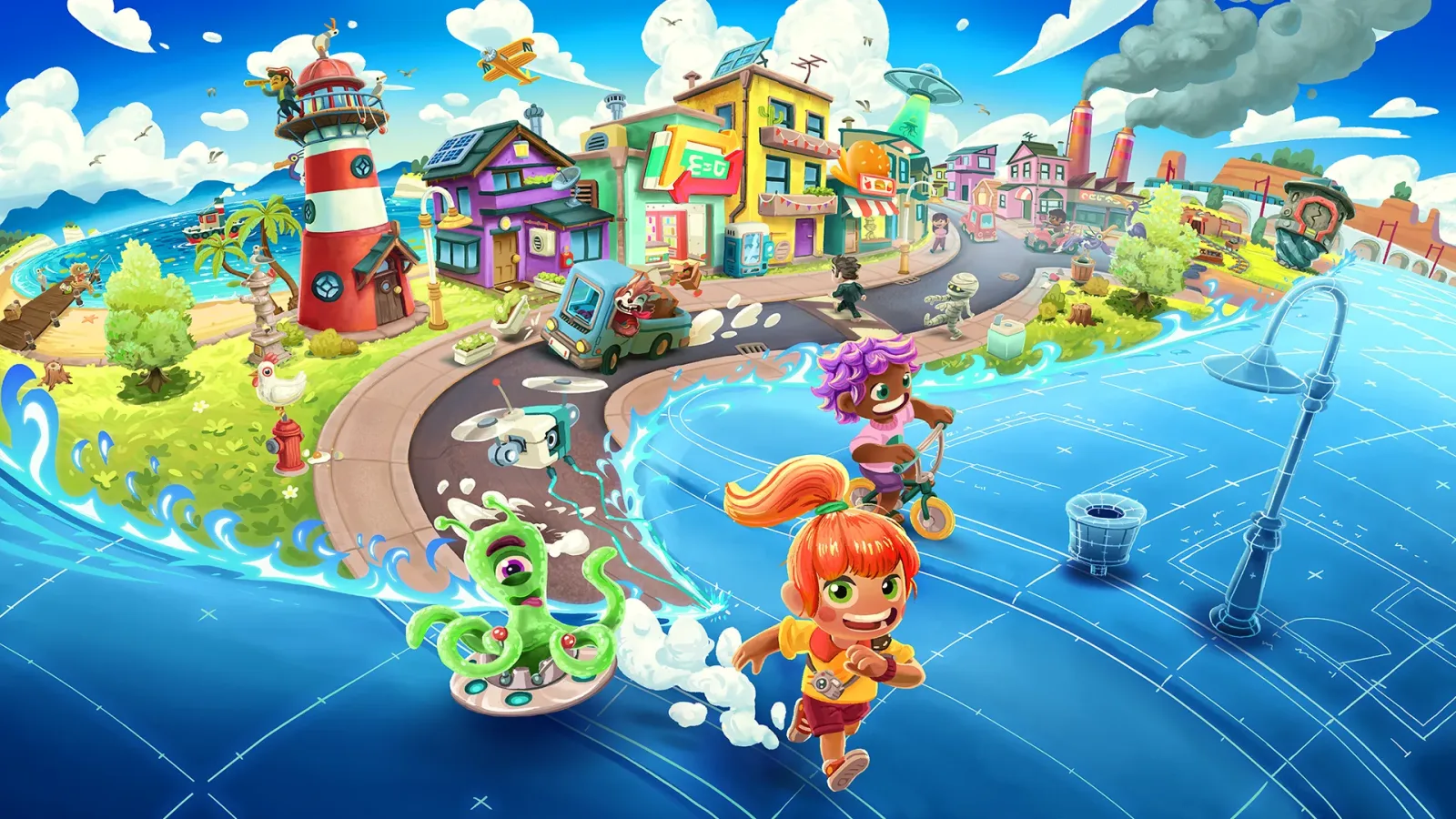
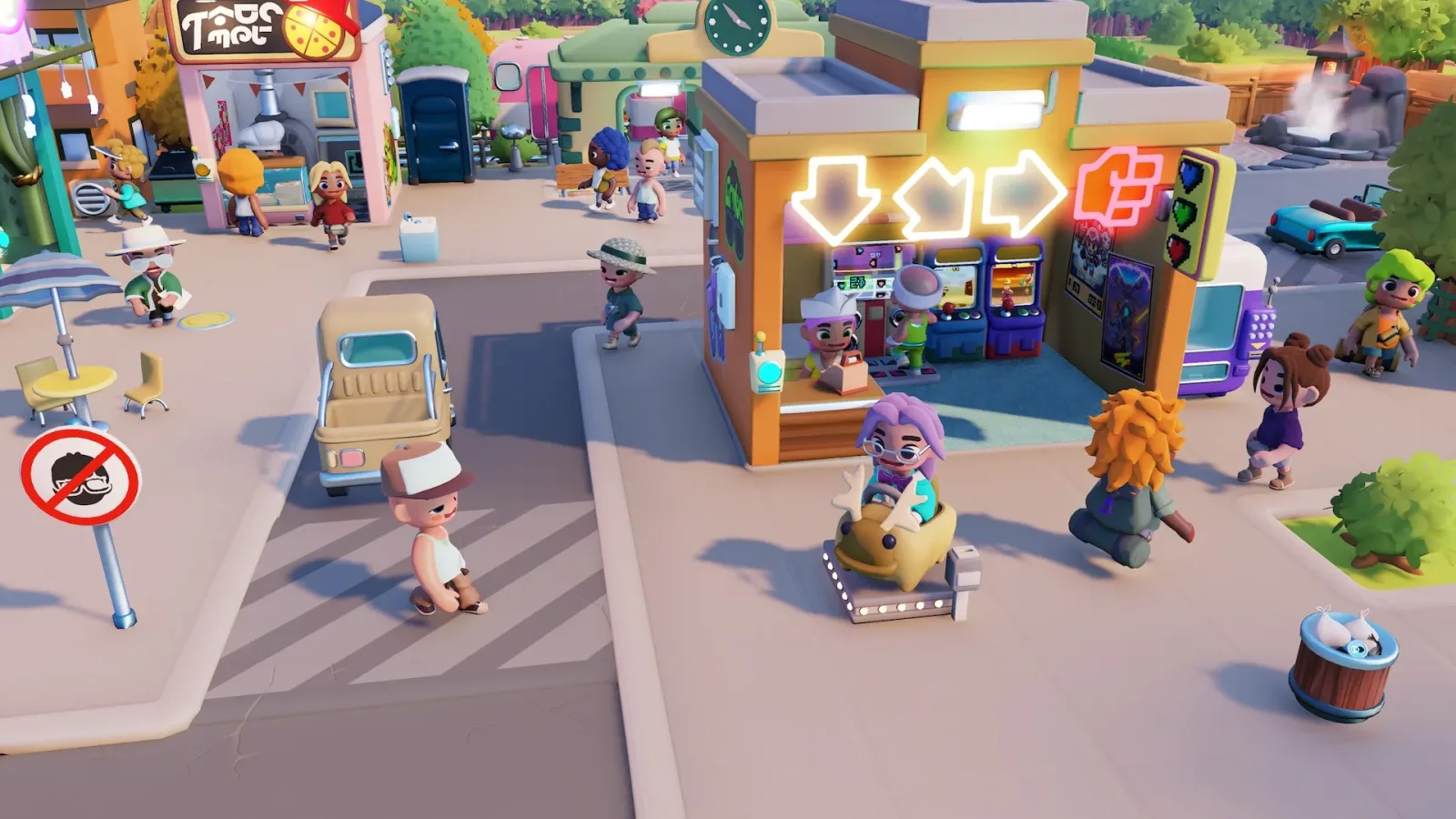
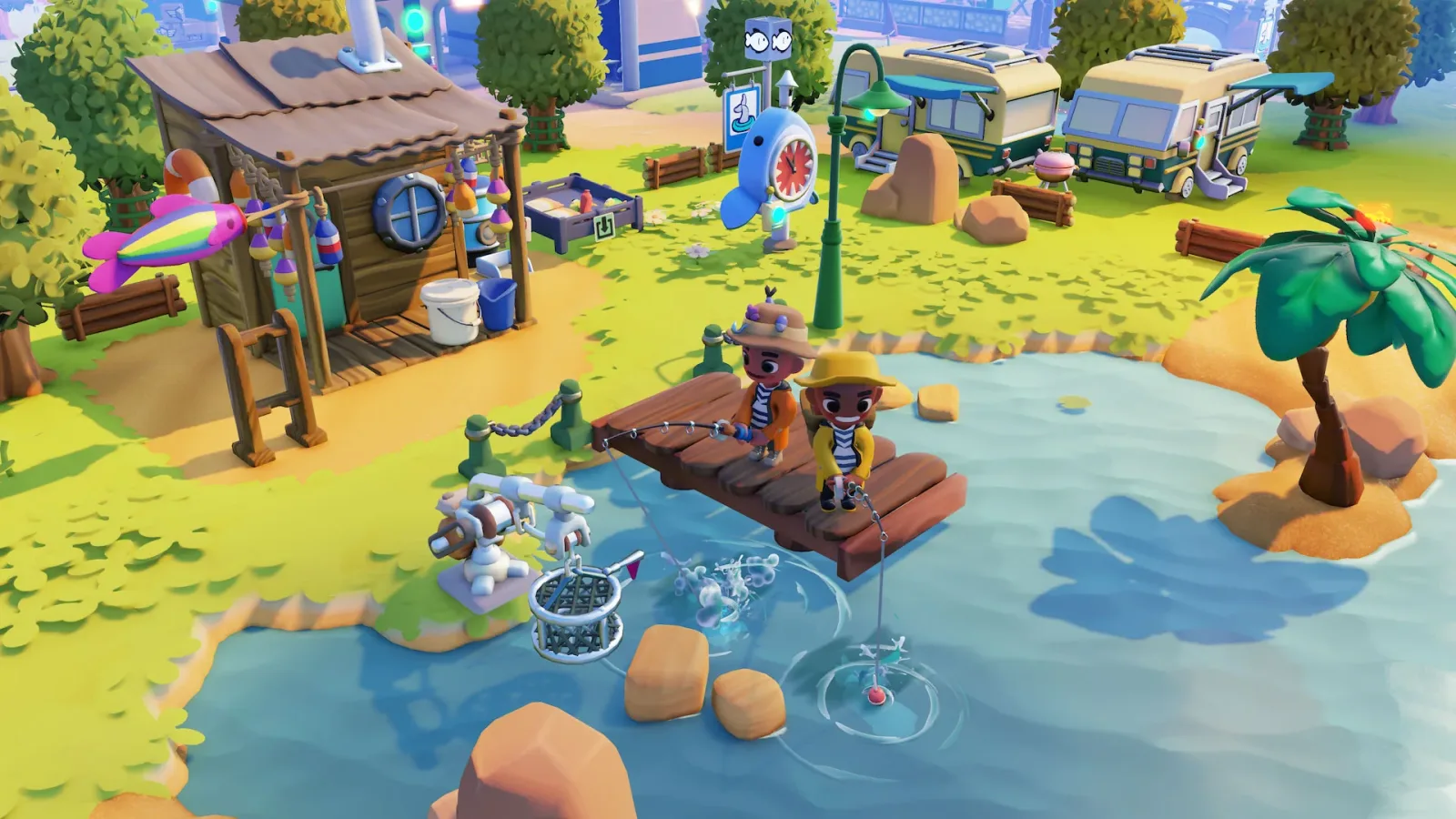
Go-Go Town! begins with a modest seaside location in need of attention. Players step into the role of mayor, with responsibility for reshaping the town's layout, services and overall personality. Rather than simply placing buildings and waiting for numbers to rise, the game asks players to make a destination that feels inviting, functional and distinct.
For useful background on this topic, read Culdcept BEGINS Heads to Steam on October 28 With New Maps and Battle Upgrades.
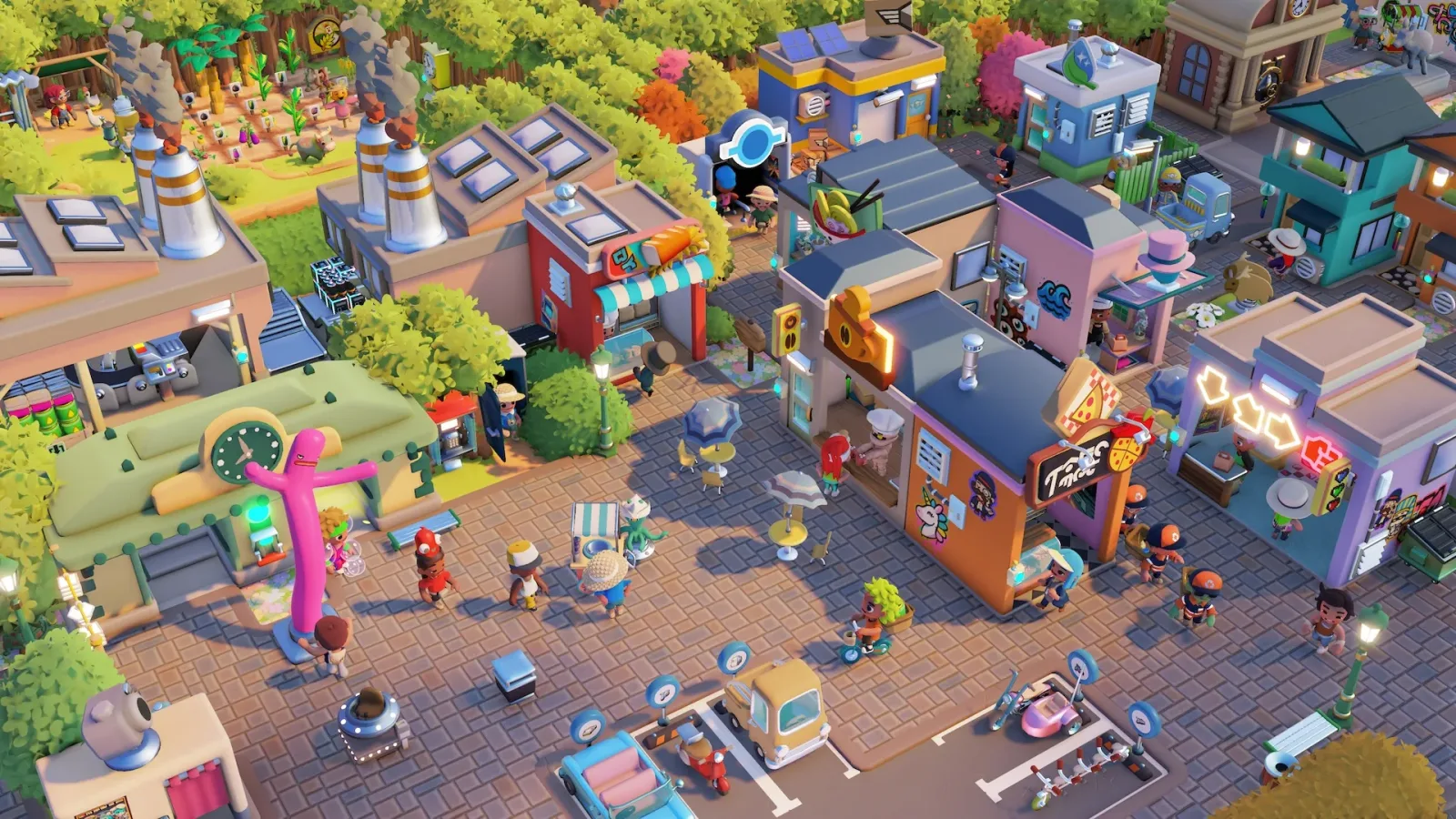
That means constructing businesses, arranging streets, placing decorations and gradually unlocking new attractions. The goal is to create enough appeal to draw tourists in, while ensuring that the town can actually cope with the demands created by its own popularity. A thriving visitor economy sounds ideal, but more people also mean more shops to stock, more resources to gather and more rubbish to collect.
The physical editions arrive at a useful point for players who prefer a permanent shelf copy of their management games. Town builders often reward long-term experimentation, whether that means beginning a fresh settlement around a new aesthetic, reorganising a previously messy downtown area, or trying to create a more efficient chain of production and services. A boxed version makes Go-Go Town! another option for players assembling collections on PS5 or Nintendo's newest system.
Nintendo Switch 2 edition uses a full game cartridge
One particularly notable detail concerns the Nintendo Switch 2 release. The game will be supplied on a full game cartridge, intended to support offline play without requiring a large download. For players with limited storage space, slower connections or a preference for software that is ready to use directly from the card, that distinction could be an important part of the release.
For another perspective on this story, read Go-Go Town! Physical Edition Sets February 2027 Release for PS5 and Switch 2.
Physical games vary in how much of their content is included on the media itself, especially as file sizes and patches have become larger. Go-Go Town!'s Switch 2 packaging is positioned around the convenience of being able to play the main game offline without first downloading a substantial amount of data. That suits the portable nature of Nintendo hardware, where a town-building session can fit neatly into travel time or a quieter break away from home.
The PlayStation 5 edition also gives console players a physical choice, although no further format-specific details have been announced beyond the platform and price. Both versions share the same February 26, 2027 release date.
From manual chores to a Townie-powered operation
At first glance, Go-Go Town! is about the cheerful creative side of civic planning: colourful structures, appealing storefronts and the satisfaction of turning empty spaces into something lively. Underneath that approachable presentation is a system built around logistics and delegation. A town cannot become a tourist hotspot for long if its mayor has to personally handle every job.
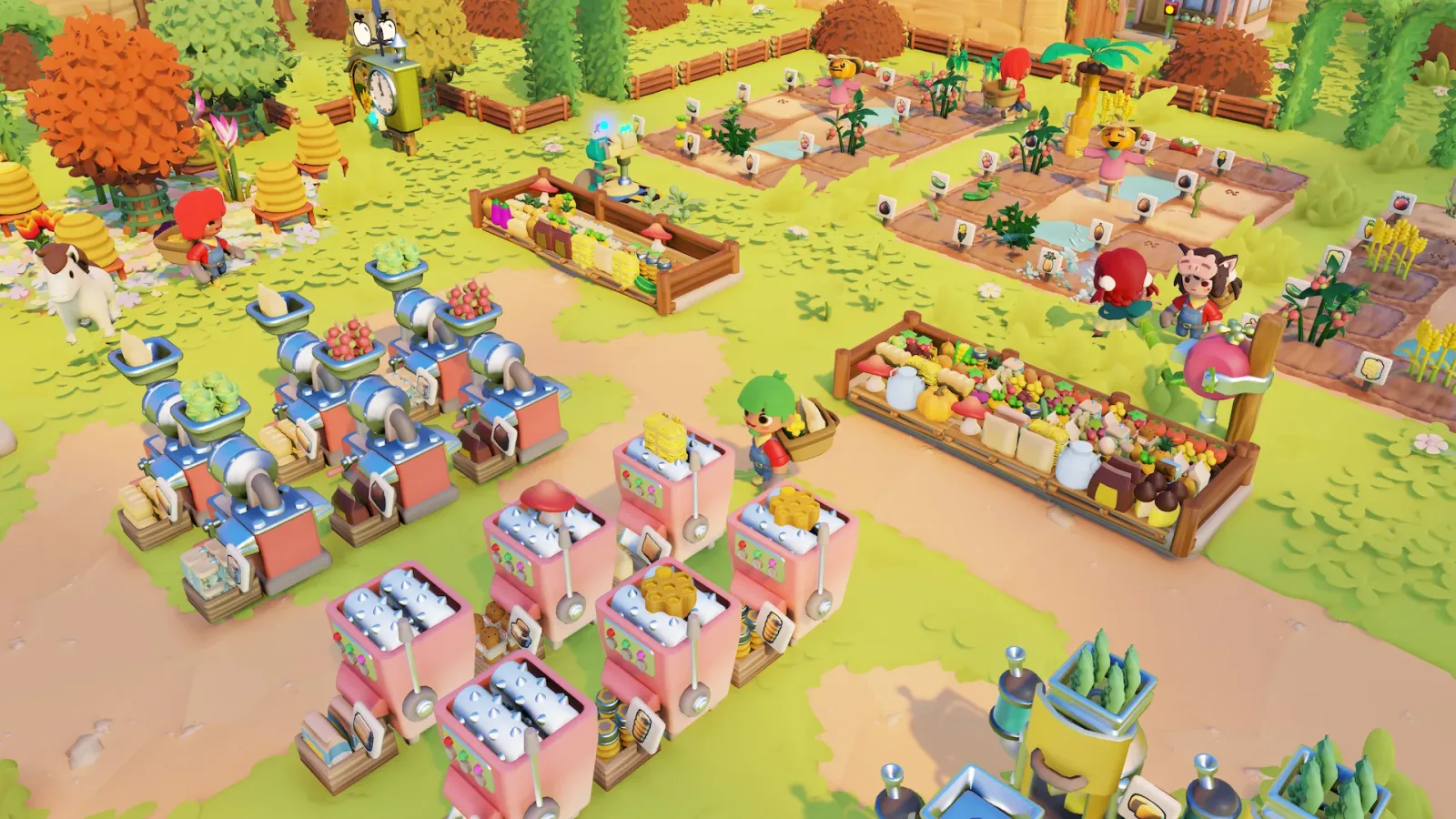
That is where the local residents, known as Townies, become central to the experience. Players can hire Townies and assign them to recurring tasks, helping a newly established settlement become a more self-sustaining operation. The automation systems cover several key areas of town life:
- Harvesting resources needed to keep construction and production moving.
- Managing shop inventory so businesses can continue serving visitors.
- Driving courier trucks to move goods where they need to go.
- Handling garbage collection to stop a successful town from becoming an untidy one.
Automation is often the point at which a builder changes from a simple construction game into a broader management challenge. Assigning Townies should allow players to spend less time repeating essential chores and more time deciding what the town ought to become next. At the same time, choosing which jobs need attention first can make the difference between a smoothly running resort and an attractive-looking place struggling behind the scenes.
The system also gives Go-Go Town! a natural sense of progression. Early decisions are likely to be more hands-on as a settlement establishes its first facilities. As its needs become more complicated, employing Townies offers a route to expanding the town's ambitions without burying the player in routine maintenance. The mayor remains in charge, but does not have to be the entire workforce.
Four players can build--or cause trouble--together
Go-Go Town! supports solo play, but it is also designed to accommodate groups. Up to four players can take part through local split-screen or online co-op. That gives friends and families two different ways to share responsibility for building a coastal getaway, whether they are gathered around one screen or connecting from separate locations.
Co-operative town building can make ordinary planning decisions far more immediate. One player might concentrate on laying out roads and decorating public areas, while another focuses on gathering materials or making sure shops are supplied. A third could be busy expanding services, and someone else might have their own priorities entirely. The result can be an efficient division of labour--or the sort of unplanned redevelopment that turns a carefully arranged town into a story everyone remembers.
The game's co-op framing also leaves room for competitive and chaotic play. Not every shared session has to be perfectly coordinated. Management games can become especially entertaining when players disagree over where a new attraction belongs, when to expand, or whether the town's decorative identity should be tasteful, absurd or somewhere in between. Go-Go Town! appears built to support both organised collaboration and a looser party-game energy.
Local split-screen is especially fitting for a physical console release, offering the immediate appeal of putting in a disc or cartridge and starting a shared session in the same room. Online play, meanwhile, gives the game a way to remain social even when a group cannot meet in person.
A mayor's checklist: function, attraction and personality
The core appeal of Go-Go Town! lies in balancing three connected goals. Players need to make their town work, make it attractive, and make it feel like their own. Constructing the right shops and services addresses the practical side. Decorating streets and planning a pleasing layout shapes the visual character. Unlocking attractions provides further reasons for tourists to arrive and stay engaged.
Those layers should make every expansion meaningful. A new building is not merely an object placed on a map; it can affect the flow of visitors, create demand for resources, require deliveries and influence what the surrounding area needs. Likewise, decoration is more than an afterthought when the entire objective is to turn a neglected coast into a destination with personality.
For fans of accessible simulation games, that mix suggests a town builder that values creativity without ignoring the satisfying puzzle of operations. The game's visual charm and premise may make it easy to approach, while Townie automation, inventory, transport and waste management offer reasons to think carefully about how each growing district fits together.
What to know before release
Go-Go Town! physical editions will launch on February 26, 2027 for PlayStation 5 and Nintendo Switch 2. The PS5 version will cost £29.99 / EUR34.99 / $34.99, and the Nintendo Switch 2 version will cost £44.99 / EUR49.99 / $49.99. Pre-orders are open through Silver Lining Direct and local retailers.
For Nintendo Switch 2 buyers, the full game cartridge is a major practical feature, allowing offline play without a large initial download. Across both formats, players can tackle the game alone or join up with as many as three other players via local split-screen or online co-op.
With its combination of colourful town customisation, tourist-focused expansion and a growing network of hireable Townies, Go-Go Town! is preparing to make its physical debut as a social and flexible builder. The question for future mayors is not simply how large their town can become, but whether they can keep it supplied, clean and appealing once the crowds begin to arrive.
Community
Discussion
Start the conversation.
No comments have been posted yet.