

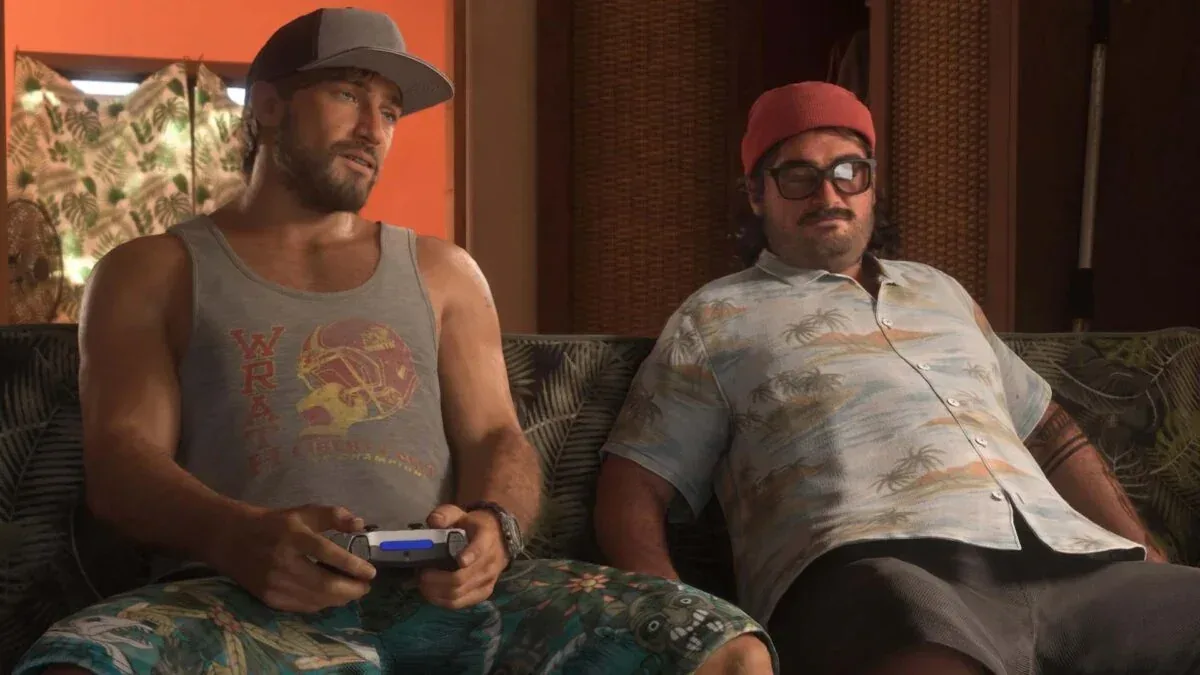
Grand Theft Auto 6 is set to make its digital diversions much more substantial than a quick distraction between missions. Rockstar has assembled what head of production Rob Nelson describes as an internal development group devoted to creating the playable games found inside the open-world crime epic. The results are not being treated as throwaway activities: the new games have their own menus, cinematic scenes, multiple stages, and progression hooks that can make them feel like complete experiences in miniature.
The approach continues a Rockstar tradition that dates back through earlier Grand Theft Auto entries, but the scope described for GTA 6 sounds notably more ambitious. GTA 5 included bespoke arcade cabinets such as the shoot-'em-up Go Go Space Monkey and the internally developed platform game Let's Get Ready to Bumble. GTA 6 will not simply carry those games forward, however. Changes in technology meant the older experiences could not just be transferred over, pushing the studio to devise an entirely fresh selection.
That technical limitation appears to have become a creative opportunity. Rather than treating the inability to port older games as a problem to work around, Rockstar's internal arcade-focused team used it as an excuse to create new fictional games tailored for GTA 6's world. Early examples include a zombie shooter, a top-down science-fiction action game, and a hunting-focused light-gun title built around the kind of plastic rifle peripheral players might remember from bar arcades and entertainment venues.
Embedded X/Twitter post
A development team dedicated to games within the game
Nelson explained that these projects come from a specialized group working inside the larger GTA 6 development effort. It is an unusual arrangement, but one that makes sense for a series where the world itself needs to feel packed with culture, entertainment, bad taste, advertising, technology, and pastimes that exist beyond the player's main criminal career.
For useful background on this topic, read Xbox Hardware Spending Jumps 42% in October as Gears and GTA Interest Lift Sales.
Grand Theft Auto has always used fictional media and side activities to give its cities texture. Radio stations, television programming, internet pages, sports, gambling, races, and arcade cabinets all help sell the illusion that the player is moving through a living place rather than a mission map. Fully realized games take that idea a step further. They are not merely objects that can be looked at in a store or a joke visible in the background. They ask players to stop, learn a separate ruleset, and spend time in a distinct game genre without leaving Vice City.
Creating that kind of activity requires a different focus from designing the main open world. A small arcade shooter still needs responsive controls, readable enemy behavior, appropriately paced difficulty, visual feedback, sound design, scoring systems, and a reason to replay it. If it includes several stages and cutscenes, it also needs a presentation strong enough to sustain the fiction that this is a product people inside GTA 6's universe would genuinely play.
That is where a dedicated internal group can make a difference. The team can concentrate on a game's individual identity instead of building an activity solely to meet a checklist for open-world side content. It also gives Rockstar room to parody and celebrate genres with more specificity, whether the target is an old-fashioned arcade cabinet, a gun-game attraction, a modern action title, or the contemplative puzzle games associated with the independent scene.
More than a fleeting minigame
The key detail is that Rockstar is framing these activities as more fully featured than the label "minigame" might suggest. The zombie game has reportedly been played repeatedly in pursuit of higher levels and stronger runs, an indication that it has meaningful replay value rather than a one-time novelty payoff. Custom interfaces, multiple levels, and cutscenes reinforce the sense that these are self-contained games with their own tone and structure.
That distinction matters for GTA 6. In a huge open-world game, players often engage with side content in very short bursts. A darts match, a race, or a quick visit to an arcade can be enjoyable, but these activities typically exist to offer a break from the primary loop. A deeper fictional game can instead become an attraction in its own right. Some players may pursue high scores, seek out every stage, or simply return because they like the change of pace.
There is also a practical advantage to giving the internal games more depth. GTA 6 is expected to be a long-term destination for many players, and detailed optional activities can keep the world feeling worth revisiting even when someone is not focused on the main story. Rockstar has not outlined how the individual games will be accessed, whether they will be tied to particular locations, or how many will appear in the final release. What has been discussed, though, points to experiences designed with considerably more care than a brief interactive gag.
Why GTA 5's games could not simply return
GTA 5 already established that Rockstar was willing to build playable arcade titles specifically for its wider universe. Go Go Space Monkey offered an action-heavy shoot-'em-up format, while Let's Get Ready to Bumble provided a platforming spin. Players could also find Street Crimes: War Games, a cooperative brawler available within GTA 5 and GTA Online.
But bringing those experiences into GTA 6 would not have been as simple as placing the existing files into a new arcade cabinet. The technological changes involved would have required a complete rebuild of Street Crimes: War Games, rather than a straightforward port. That hurdle evidently informed the broader decision to start anew.
For players who have sentimental favorites from GTA 5's virtual arcades, that may mean some familiar names will not make the transition in their previous form. At the same time, the decision gives GTA 6 a chance to define its own set of fake classics. A new city, new characters, and a new technological foundation provide a natural setting for new pastiches and new in-universe entertainment trends.
It also avoids the risk of GTA 6 feeling overly dependent on references to its predecessor. The series thrives on callbacks, but Vice City needs personality of its own. Original cabinets and fictional genres can contribute to that identity in the same way new radio stations, brands, and local cultural jokes do.
Tenebrae Lux and a playful jab at prestige indie games
One title that has become a favorite within the studio is Tenebrae Lux. The game is partly aimed at the aura surrounding serious, intellectual indie releases, with a particular nod toward the kind of design associated with Jonathan Blow's The Witness. The concept is intended as satire, but not a dismissive one.
Nelson emphasized that the developers approached the joke with admiration and respect. That is an important distinction for Rockstar-style parody. The best fictional products in Grand Theft Auto generally work because they understand the thing they are spoofing. They exaggerate familiar habits, language, aesthetics, and aspirations, while still showing enough affection to make the reference recognizable and entertaining.
Tenebrae Lux sounds positioned to follow that formula. The title itself suggests a portentous, high-minded quality, and its inspiration gives the internal team space to play with the sometimes solemn image of puzzle-driven, prestige-minded independent games. Yet the goal is not simply to sneer at them. The developers clearly enjoy the genre enough to build their own version inside an already enormous game.
That combination of comedy and craft may be the most promising part of GTA 6's arcade plans. A parody works best when it is still enjoyable to play. If the zombie shooter, sci-fi action game, hunting cabinet, and Tenebrae Lux are genuinely compelling, they will add more than jokes and references to Vice City. They will become reasons to linger there.
A richer Vice City through playable culture
GTA 6's in-world games are a small part of a much larger project, but they reveal something meaningful about Rockstar's priorities. Building a fully playable arcade title is extra work that many open-world games would avoid. Assigning a dedicated team to that work suggests the studio sees fictional entertainment as a valuable part of the setting rather than simple set dressing.
Players will ultimately decide how much time to spend away from the main action, but the reported breadth of these games should make them difficult to ignore. The prospect of chasing a better run in a zombie shooter, taking on sci-fi challenges from an overhead view, aiming plastic rifles at a hunting cabinet, or exploring a tongue-in-cheek indie puzzle parody offers a remarkably varied set of detours.
For GTA 6, that variety could be one more ingredient in making Vice City feel lived in. The city will not only have places to drive through, businesses to enter, and people to meet. It will also have games to play inside the game--built by a team whose job is to make those diversions feel worthy of players' time.
Community
Discussion
Start the conversation.
No comments have been posted yet.