

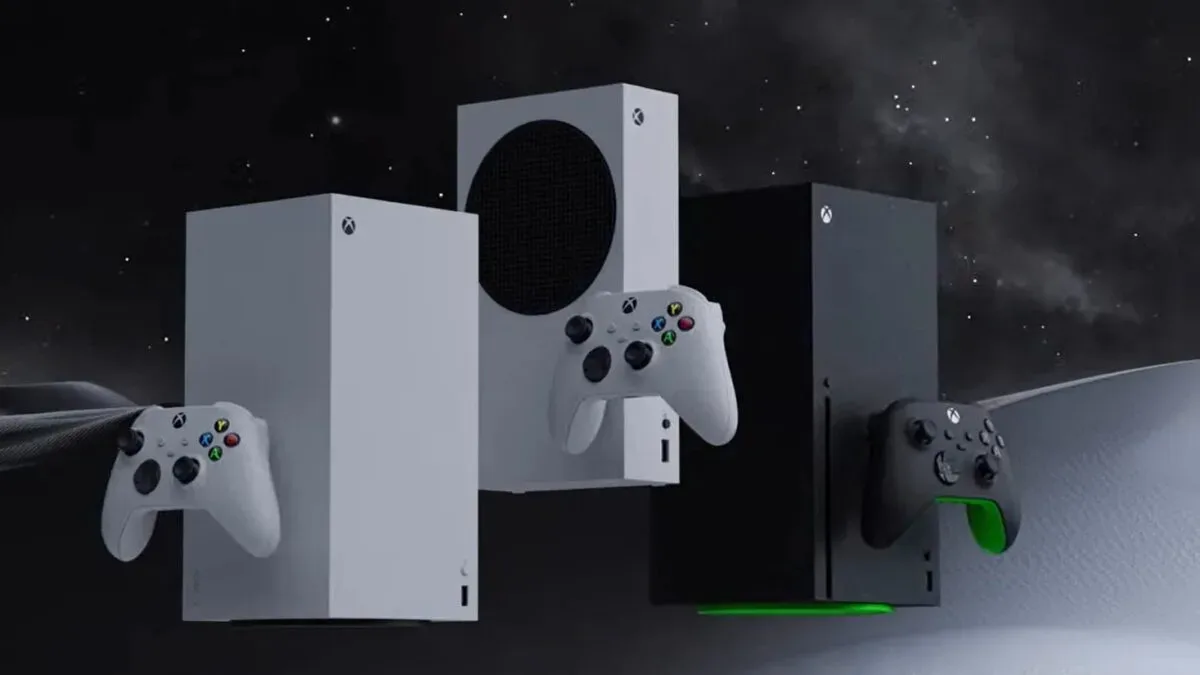
Xbox hardware posted an unusually sharp year-over-year gain in the United States during October, with dollar sales rising 42% compared with the same month a year earlier. The increase stands out after a lengthy stretch in which Xbox Series systems have struggled to produce consistent hardware momentum, but the headline number needs important context: console pricing was substantially higher, while the underlying increase in units was far more modest.
Industry-tracking data from Circana puts Xbox Series unit sales up 10% year-over-year for October. That is still a meaningful reversal from recent weakness, especially because higher prices can make it harder to persuade people to buy a new console. But it also explains why the 42% rise in spending should not be read as a matching explosion in the number of machines sold. Xbox Series hardware cost 29% more than it did at the same point last year, meaning pricing accounted for much of the spending growth.
The October result nevertheless offers Xbox a welcome, if potentially temporary, improvement. The month brought a major new Gears release in Gears of War: E-Day, while anticipation for the next Grand Theft Auto appears to be encouraging some consumers to prepare for the enormous release ahead. Circana executive director and video game industry analyst Mat Piscatella characterized Gears and GTA as potential contributors to the brief boost, while cautioning that percentages can look especially dramatic when compared with a smaller starting base.
Higher prices amplified the hardware spending increase
Hardware sales are often discussed in dollar terms, but revenue and unit volume tell different stories. In this case, the distinction is essential. A 42% increase in Xbox dollar sales reflects both the 10% increase in the number of Xbox Series consoles sold and the 29% year-over-year rise in the console's price. Consumers spent substantially more, but the uplift in actual hardware demand was considerably smaller than the top-line spending figure suggests.
For useful background on this topic, read ASUS ROG Strix 26.5-Inch QHD Gaming Monitor Falls to $549 in Black Friday Deal.
Piscatella noted that higher pricing generally suppresses unit demand in virtually any retail category, whether the product is a game console, apparel, or groceries. Previous months had already illustrated that pressure for Xbox, as elevated pricing coincided with discouraging hardware sales. October broke that pattern to an extent: more systems were sold despite the higher cost. That is the encouraging component for Microsoft's console business, even if price inflation was the main reason the value of sales climbed so steeply.
Percent growth can also distort perceptions when the comparison period is weak. Xbox Series hardware has faced a difficult sales environment over recent years, so a rebound from a relatively low level can create an eye-catching percentage gain. The October data does not by itself establish a lasting recovery, but it does show that compelling software and a looming blockbuster can still stimulate demand for the Xbox ecosystem.
Gears and GTA may have changed October's equation
Gears of War: E-Day debuted at No. 2 on October's U.S. best-selling games chart, making a strong commercial entrance behind only the newest Call of Duty. A major franchise release can give a hardware platform a timely reason for existing owners to upgrade and for prospective buyers to enter the market. Gears has long been closely associated with Xbox, so its arrival was a logical factor in the month's improved hardware performance.
At the same time, GTA anticipation may be influencing purchasing plans. When a game of that scale is approaching, some players begin thinking about which platform they want to use, whether their current system remains suitable, and how much storage or performance headroom they will need. The available data does not isolate exactly how many Xbox purchases were directly motivated by Grand Theft Auto, so it should be viewed as a plausible contributing factor rather than a precise measure of pre-release demand.
November will be a particularly important test for the wider market. Piscatella pointed to a crowded period shaped by Ocarina, GTA, and WoW Forever. With major releases and franchises competing for consumer attention, hardware rankings and software spending can shift quickly. October's Xbox result therefore provides a snapshot of renewed activity rather than a guarantee that the same pace will continue through the holiday season.
PlayStation grew as Switch sales declined
Xbox was not the only console brand to see positive hardware movement in October. Overall hardware spending increased 2% year-over-year, with both PlayStation and Xbox contributing to the improvement. PlayStation 5 dollar sales rose 20% from the prior-year period, while Nintendo Switch sales dropped 11%.
The broader competitive picture remains different from October's monthly changes. Nintendo Switch 2 continued to lead the U.S. hardware market both for the month and for the year to date. PlayStation 5 held second place. The result demonstrates that Xbox's October spending surge did not dislodge the market's leading systems, though it gave the brand a stronger monthly showing than it has enjoyed in some time.
Nintendo also topped the accessories chart. The limited-edition Zelda-themed Nintendo Switch 2 Pro Controller was October's best-selling accessory. That performance underlines the continuing pull of Switch 2 hardware and first-party Nintendo branding even as the older Switch family's year-over-year sales declined.
Call of Duty leads another launch month
On the software side, Call of Duty: Modern Warfare 4 was October's best-selling game. The franchise has now led its launch month for a 19th consecutive year, extending one of the industry's most durable annual sales streaks. It finished ahead of Gears of War: E-Day at No. 2 and Star Wars: Galactic Racer at No. 3.
Several other October launches entered the monthly top 10. Final Fantasy Resonance opened at No. 6, Kingdom Hearts Collection I-III arrived at No. 9, and Nintendo Switch Sports Resort reached No. 10. None of those releases made the year-to-date top 10, which remained led by NBA 2K27 in first place and Resident Evil: Requiem in second.
Outside the top 10, Castlevania: Belmont's Curse launched at No. 12 and Hellraiser: Revival began at No. 15. Older games also benefited from new content and seasonal promotions. Dragon's Dogma II jumped from No. 204 in the prior month to No. 17 following the Dark Arisen expansion. Resident Evil 4 improved from No. 64 to No. 31 after Halloween discounts helped renew interest in the horror title.
Total spending still moved lower
Despite the hardware increase and a packed release calendar, the overall October spending picture was down year-over-year. Total game spending fell 12%, while consumer content spending on consoles declined 18%. A major factor was the strength of October 2025, when Battlefield 6 and Pokémon Legends: Z-A both launched during the month.
Last year's Call of Duty release arrived in November rather than October, but the combination of Battlefield and Pokémon generated more content spending than Modern Warfare 4 did on its own this October. That comparison highlights the limits of using one blockbuster to judge an entire market. Even a chart-topping Call of Duty launch may not offset the absence of multiple major releases that appeared in the same window a year earlier.
The rankings include digital-sales projections. Some publishers, including Nintendo, do not directly provide complete digital sales information to Circana, so estimates are used in determining their placements. As a result, the monthly list remains a useful market-wide indicator, but it is not a simple tally of publicly reported unit sales from every publisher.
A positive signal, not a final turnaround
October gave Xbox a clear reason for optimism: unit sales rose even in the face of increased prices, and spending rose much faster as a result. Gears of War: E-Day supplied a prominent Xbox-associated launch, while interest surrounding GTA may be beginning to affect how consumers plan their next hardware purchase.
Still, the 42% figure should be interpreted carefully. The increase came from a combination of higher prices, a 10% rise in units, and comparison against a lower sales base. Switch 2 remains the market leader, PlayStation 5 continues to sell strongly, and total U.S. game spending was lower than last year. The key question now is whether Xbox can convert October's bump into sustained momentum through November's crowded release period and beyond.
Community
Discussion
Start the conversation.
No comments have been posted yet.