

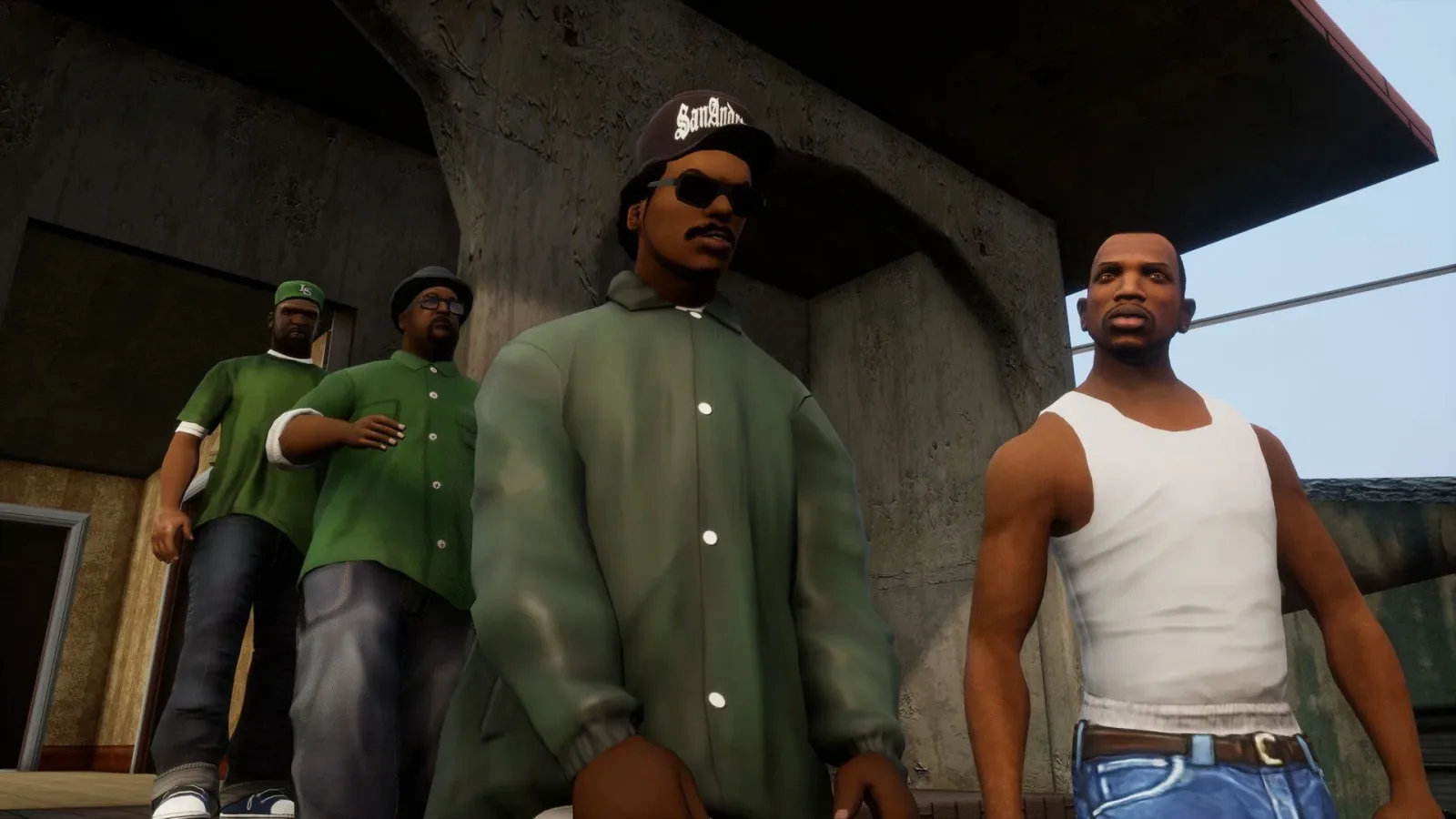
Grand Theft Auto: San Andreas remains one of the defining open-world games of its generation, but its reported finances may be just as striking as its influence. Rockstar Games' 2004 release was reportedly developed for roughly $10 million, or possibly less, and had sold more than 12 million copies around 16 months after launch. Even using a broad, simplified calculation based on its original $50 list price, that volume points to approximately $600 million in consumer spending.
That is not the same thing as Rockstar Games or Take-Two Interactive receiving $600 million in profit. Retailers, platform holders, manufacturing, distribution, marketing, taxes, discounts, and other expenses all stand between gross customer spending and publisher revenue. Still, the contrast is difficult to ignore. A game built by a team of fewer than 100 people over several years became an enormous commercial success at a reported production cost that would now be associated with a much smaller project.
The comparison has gained renewed attention as the industry considers the scale of modern blockbuster production. Grand Theft Auto has become a symbol of the biggest possible entertainment investments, while studios across the business contend with escalating staffing needs, longer timelines, outsourcing, technology demands, and the difficult consequences when costly projects fail to meet expectations.
A remarkable San Andreas sales-to-budget ratio
San Andreas launched in October 2004 and quickly became a landmark release for the PlayStation 2 before arriving on other platforms. By early 2006, reporting surrounding the game's highly publicized Hot Coffee controversy cited sales above 12 million units. If every one of those copies had been sold at $50, the resulting figure would be about $600 million.
For useful background on this topic, read Analogue Pocket SNES Core Developer Rejects AI-Generated 50,000-Line Contribution.
That assumption is deliberately generous. Games sell at different prices across regions, retailers run promotions, and the number does not account for bundles or other sales arrangements. It is best understood as a rough illustration of the scale of demand, not a final financial statement. Yet even a more conservative estimate would leave San Andreas as one of the era's most successful games.
The reported development budget is supported by contemporaneous coverage from late 2004. One account cited a $10 million budget, while comments attributed to then-Take-Two president Paul Eibeler described the project as costing less than $10 million. Adjusted for inflation, $10 million in 2004 would be roughly $18 million in current dollars.
That is still a substantial sum, especially for the time. San Andreas was not a modest game in creative ambition. It featured three major cities, surrounding countryside, a broad vehicle selection, character progression systems, story missions, side activities, radio stations, and a world that encouraged players to wander far beyond the main campaign. Its scope helped set expectations for open-world games that followed.
But the project's reported cost also reflects a very different production environment. Development teams were generally smaller, asset fidelity targets were lower than today's standards, and games were not expected to maintain a massive online service for years after release. The PlayStation 2-era production model had its own risks and pressures, but it did not carry every financial and technical expectation now placed on the most prominent AAA releases.
From a single release to a long-term platform
The difference is especially visible when looking at how Grand Theft Auto changed after San Andreas. Grand Theft Auto V arrived in 2013 as an enormous launch in its own right, but its commercial life became far longer and more lucrative through GTA Online. Rather than existing only as a one-time boxed product, the game grew into an ongoing destination supported by updates, virtual goods, and years of player activity.
This model reshaped the value of an individual blockbuster. A publisher is no longer necessarily measuring success only through launch-week or launch-year unit sales. The goal can include building a service that retains a huge audience and generates revenue over a much longer period. That opportunity can justify much greater upfront investment, but it also raises the stakes enormously.
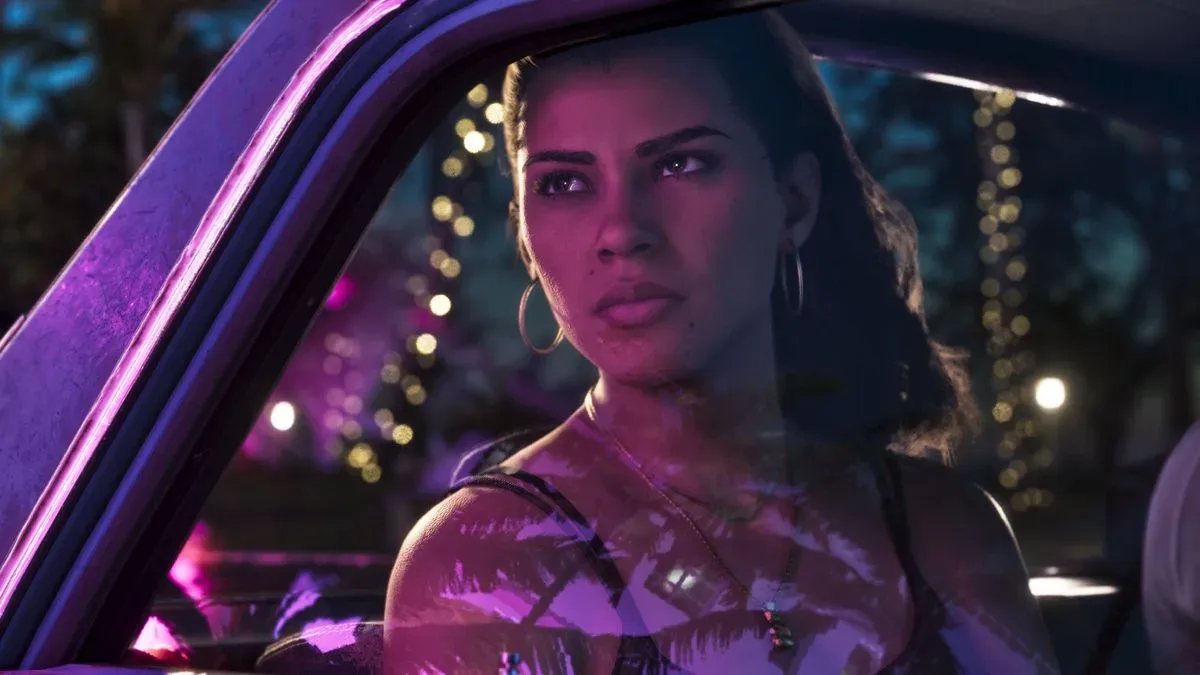
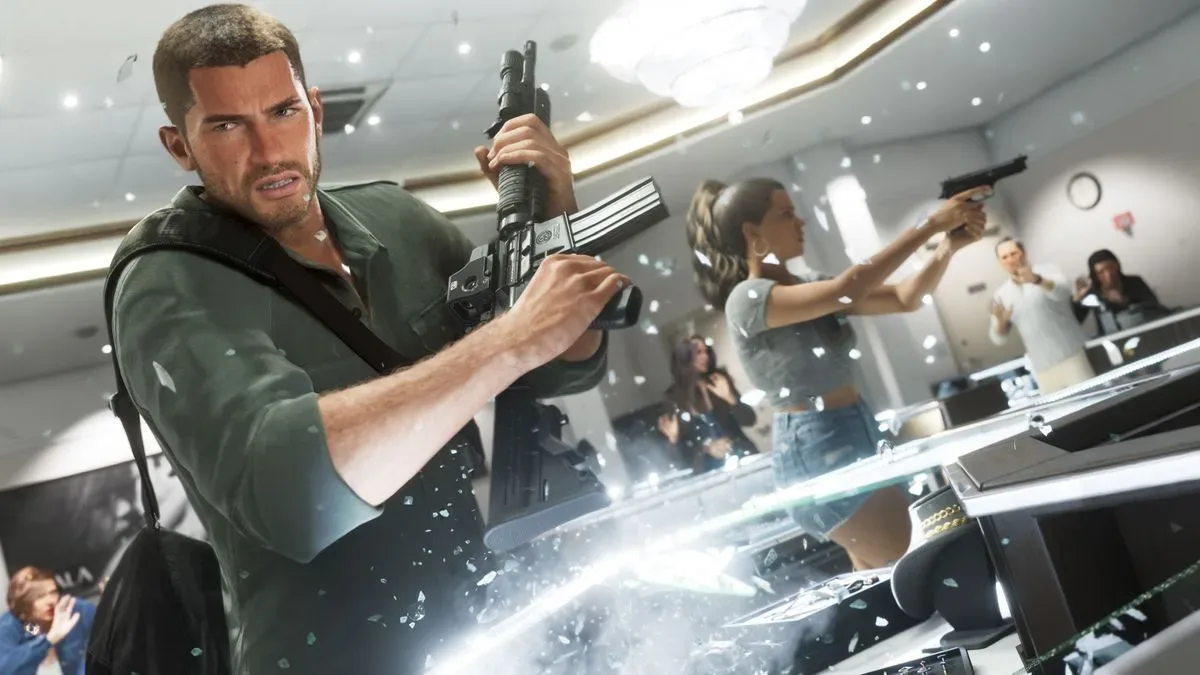
Grand Theft Auto VI is therefore being viewed not merely as the next numbered sequel, but as the likely foundation for Rockstar's next major online era. That does not make its single-player experience any less important; Grand Theft Auto's campaigns remain central to the series' identity. However, the history of GTA Online makes it clear why the franchise is uniquely positioned for a larger, longer-term business strategy than San Andreas could have pursued in 2004.
Recent pricing discussions reinforce that shift. The base edition of GTA VI has been listed at $80, while an Ultimate Edition is priced at $100 for players seeking its full package. Those figures reflect the wider debate around premium game pricing, editions, and added content, even as the full cost of creating and promoting the new game remains uncertain.
There have been frequent estimates and speculation about GTA VI's overall budget, including claims that it could be comfortably above $1 billion. Such figures should be treated cautiously unless officially detailed by Rockstar or Take-Two. What is beyond dispute is that a new Grand Theft Auto is being made in a far more expensive environment than the one that produced San Andreas.
The modern appeal of the "AA" budget
The reported San Andreas budget has also become useful as a point of comparison for discussions about so-called AA development. That label is imperfect, but it usually describes games made at a scale between tiny independent productions and the industry's most expensive blockbusters: projects with clear creative identities, meaningful production values, and budgets disciplined enough to avoid betting an entire company on a single launch.
Clair Obscur: Expedition 33 is a recent example frequently raised in this conversation. Sandfall Interactive's turn-based role-playing game was made with a budget under $10 million, a figure that invites immediate comparison to the reported cost of San Andreas. The two games belong to entirely different eras, genres, production cultures, and technological contexts, so the comparison should not be stretched too far. A 2004 open-world crime game and a contemporary fantasy RPG do not face identical challenges.
Still, the shared budget range illustrates how sharply the meaning of $10 million has changed. In the mid-2000s, that sum could reportedly support a new entry in one of gaming's biggest series. In the present day, it can represent a carefully scoped mid-sized production capable of reaching far beyond its team's size when the concept, execution, and timing connect with players.
That does not mean every studio should attempt to recreate an older development model. Players now expect accessibility options, extensive localization, high-quality performance capture, sophisticated animation, security work, post-launch support, and frequent technical updates. Modern teams also must contend with increasingly complex hardware, engines, tools, and workflows. Many of those additions are valuable and have improved games in important ways.
The problem is that the cumulative cost can become difficult to sustain. When a publisher spends hundreds of millions of dollars before marketing, a game may need extraordinary sales simply to satisfy expectations. That pressure can affect creative decisions, timelines, employment, and a studio's willingness to take risks. In an industry that has seen extensive layoffs and restructurings, the search for more sustainable project sizes has become a major concern.
Hot Coffee complicated San Andreas' commercial story
The sales discussion around San Andreas cannot be separated entirely from the Hot Coffee controversy. The situation concerned inaccessible-by-normal-play sexual content that could be reached through modifications. In January 2006, the Los Angeles city attorney's office filed a lawsuit accusing Rockstar of concealing pornographic material in the game.
The controversy brought intense scrutiny, ratings consequences, and periods in which retailers removed the game from shelves. Losing shelf space can plainly interfere with sales, particularly in the pre-digital retail era when physical stores were essential to a major launch's continued momentum.
At the same time, notoriety can produce its own attention. It is impossible to cleanly calculate whether the controversy did more damage through retail disruption than it generated interest through public discussion before and after the game's brief disappearance from stores. What is clear is that San Andreas remained a massive seller despite the upheaval.
An old warning that still applies
Concerns over soaring budgets were already being voiced during San Andreas' era. Discussion around Halo 2, which was reported to have cost $40 million to develop and another $80 million to market, captured the direction in which the upper end of the market was heading. At the time, a Microsoft representative noted that the expense of creating standout games was continuing to rise and that the industry needed ways to streamline those costs.
More than two decades later, that warning feels unusually prescient. Games can now reach levels of detail, scale, and longevity that earlier hardware could not approach. But those achievements demand more time and money, and they can turn every major release into a high-pressure financial event.
San Andreas does not offer an easy blueprint for the present. Its success was extraordinary, and Rockstar's current ambitions are built for a different audience, different hardware, and a different commercial model. But its reported $10 million budget and 12 million-plus sales offer a powerful historical reminder: the distance between a major game and a mega-budget production was once much smaller. As the industry searches for a healthier balance between ambition and sustainability, that contrast remains impossible to overlook.
Community
Discussion
Start the conversation.
No comments have been posted yet.