

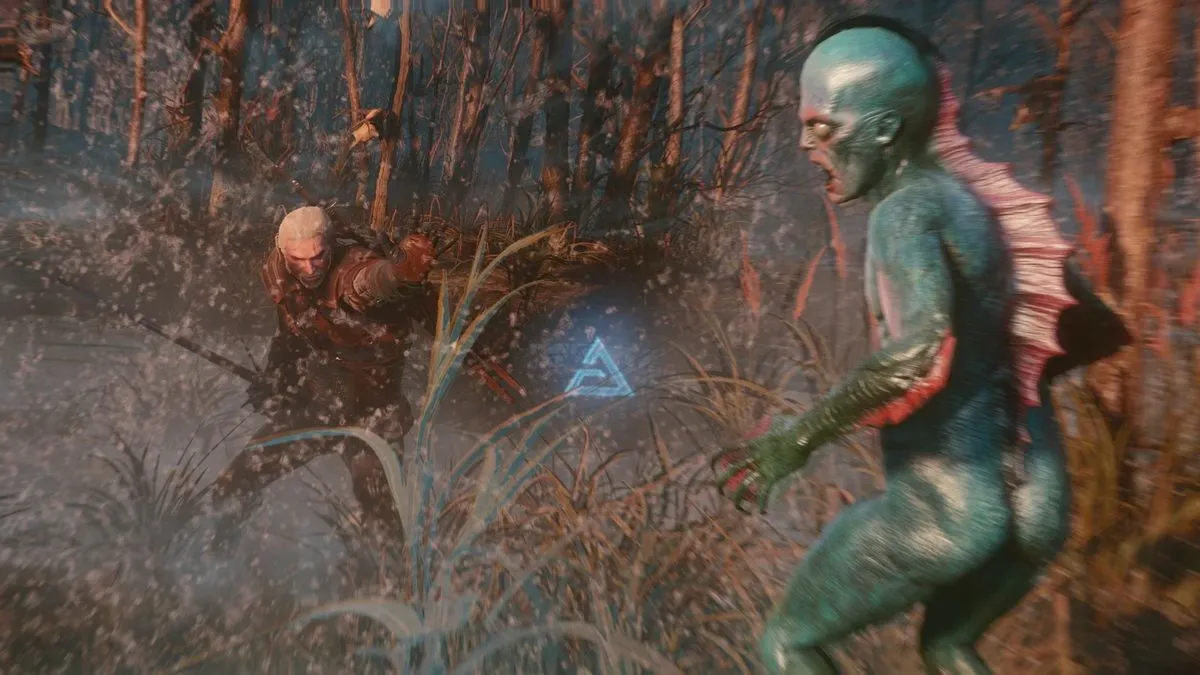
The Witcher 3: Wild Hunt Remastered does not attempt to reinvent one of the most important open-world RPGs of its era. Instead, it takes a more valuable approach: it revisits the details that once made Geralt's enormous adventure needlessly frustrating and systematically improves them. The result is a version that preserves the original game's immense heart, moral complexity, and wonderfully unruly sense of adventure while making the moment-to-moment experience noticeably smoother.
Released on September 29, 2026 for PC, PS5, Xbox Series X, and Nintendo Switch 2, this remaster arrives with a massive list of changes. The visual work is immediately apparent, but it is the accumulated effect of smarter menus, refined traversal, improved quest tracking, cleaner Witcher Senses, altered progression, and small controls-focused adjustments that makes the package feel so substantial. Even a seemingly minor fix, such as making horseback travel less prone to being interrupted by environmental obstacles, changes the rhythm of crossing the Continent for the better.
Verdict: This is not a new Witcher game, and it does not need to be. It is a careful modernization of a sprawling classic that understands where refinement matters most. The occasional technical hitch and a few strange-looking character updates prevent perfection, but The Witcher 3 has rarely felt this inviting, responsive, or complete.
A world still worth getting lost in
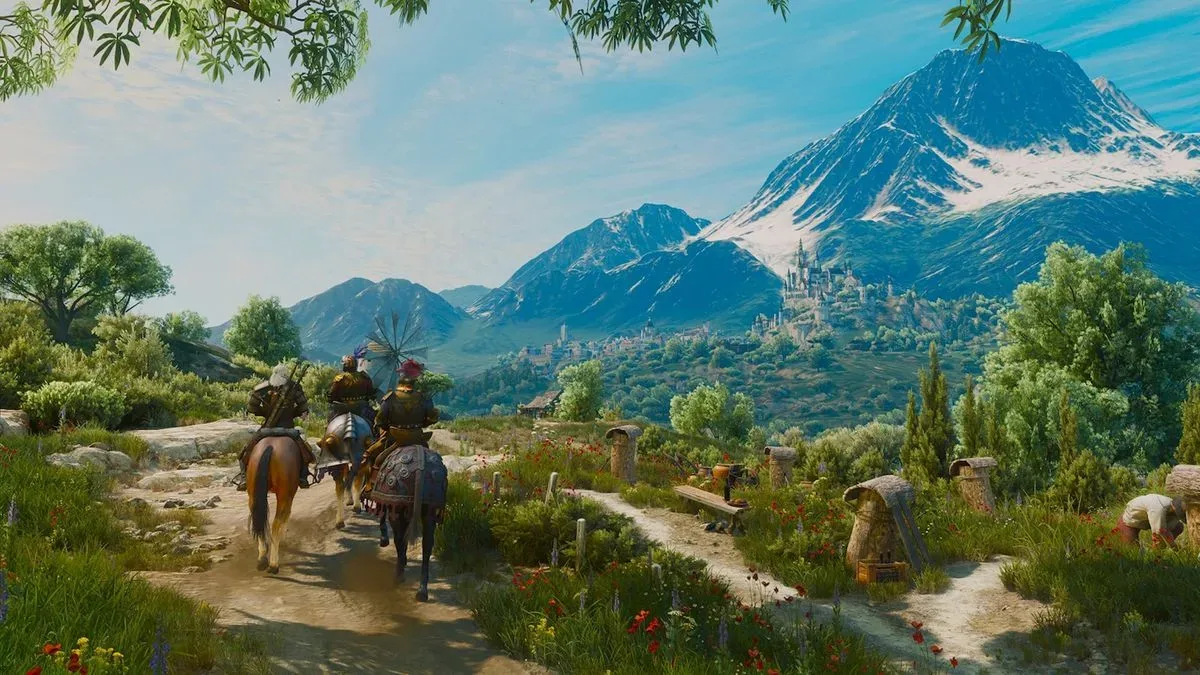
The core achievement of The Witcher 3 remains untouched: it builds a fantasy world that feels genuinely inhabited. Its kingdoms are not merely backdrops for monster contracts and map markers. Velen's mud, war, superstition, and misery give it a suffocating identity, while Novigrad's density and competing interests turn it into more than a conventional city hub. Toussaint, with its sunlit fields and Italian Riviera influence, provides a deliberately different mood without ever feeling disconnected from the larger journey.
For useful background on this topic, read Batomon Showdown Brings Monster Collecting Energy to Auto Battler Strategy.
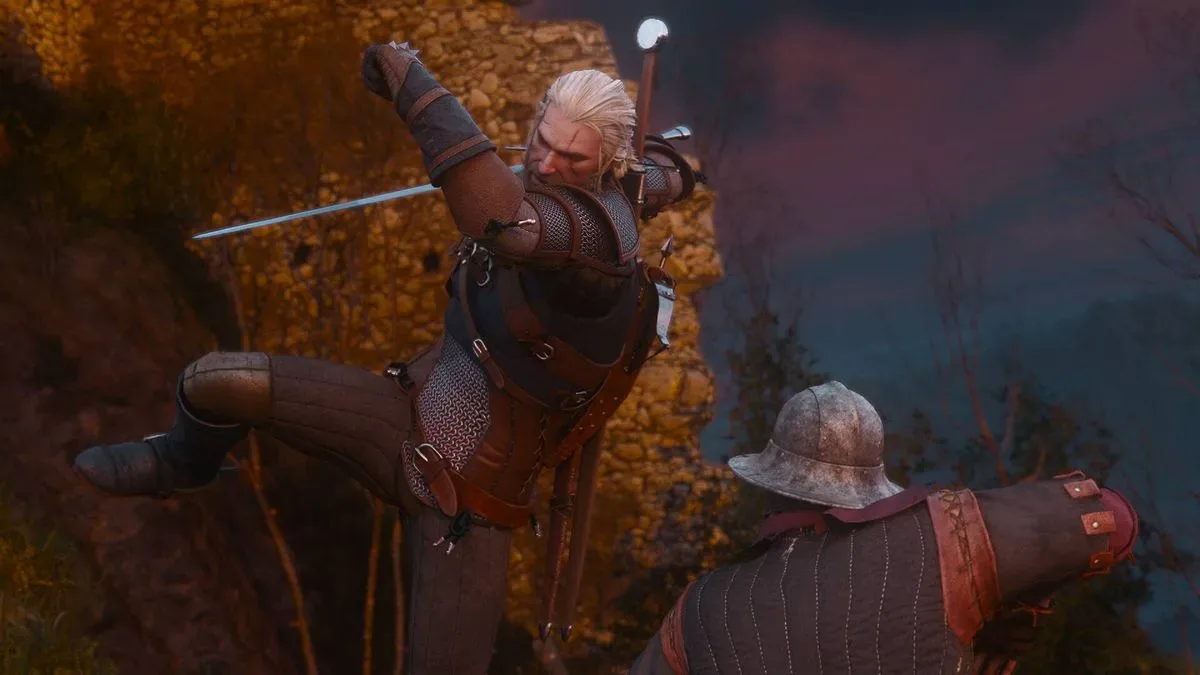
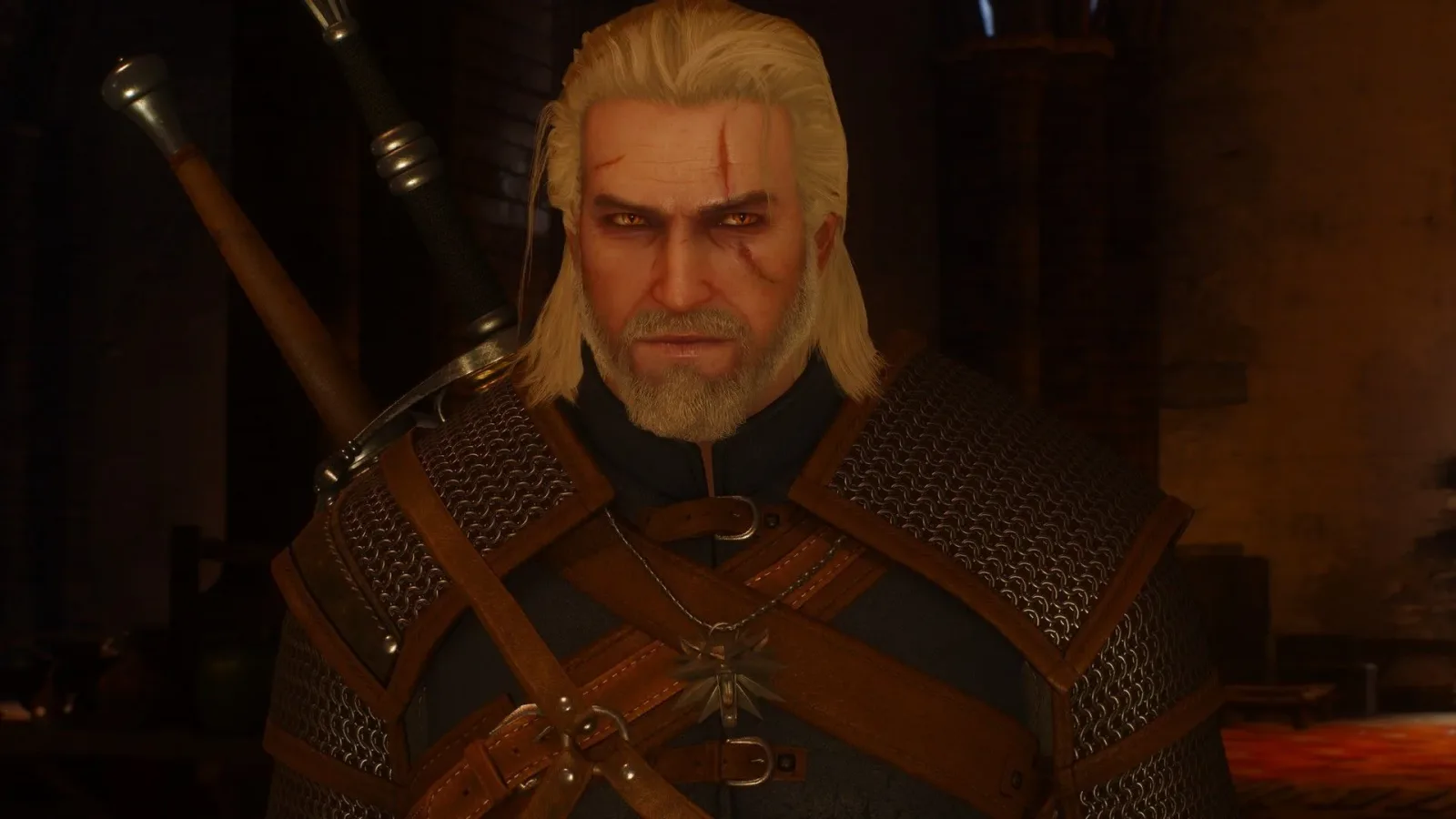
The remaster's graphical overhaul reinforces those strengths. Lighting has received particular attention, giving landscapes more atmosphere and helping individual regions feel even more distinct. Sunlight glints across Toussaint's countryside, while Velen's swamps carry a thicker, more oppressive sense of humidity. Environmental detail benefits most consistently from the upgrade, although smoother character animation and revised hair physics help scenes feel less dated as well.
Not every updated face lands perfectly. Some characters can look a little odd under the new visual treatment, a reminder that better technology does not automatically produce more natural-looking people. Still, these moments are exceptions in an otherwise handsome overhaul that respects the game's blend of grounded realism and heightened fantasy stylization.
The writing remains the real magic
Visual upgrades can make a classic easier to revisit, but they cannot manufacture the qualities that made it matter in the first place. The Witcher 3's writing continues to stand above most games in the genre. Its choices rarely resolve into simple good-and-evil questions; instead, they ask players to weigh incomplete information, conflicting loyalties, cultural prejudices, and consequences that may not become apparent until much later.
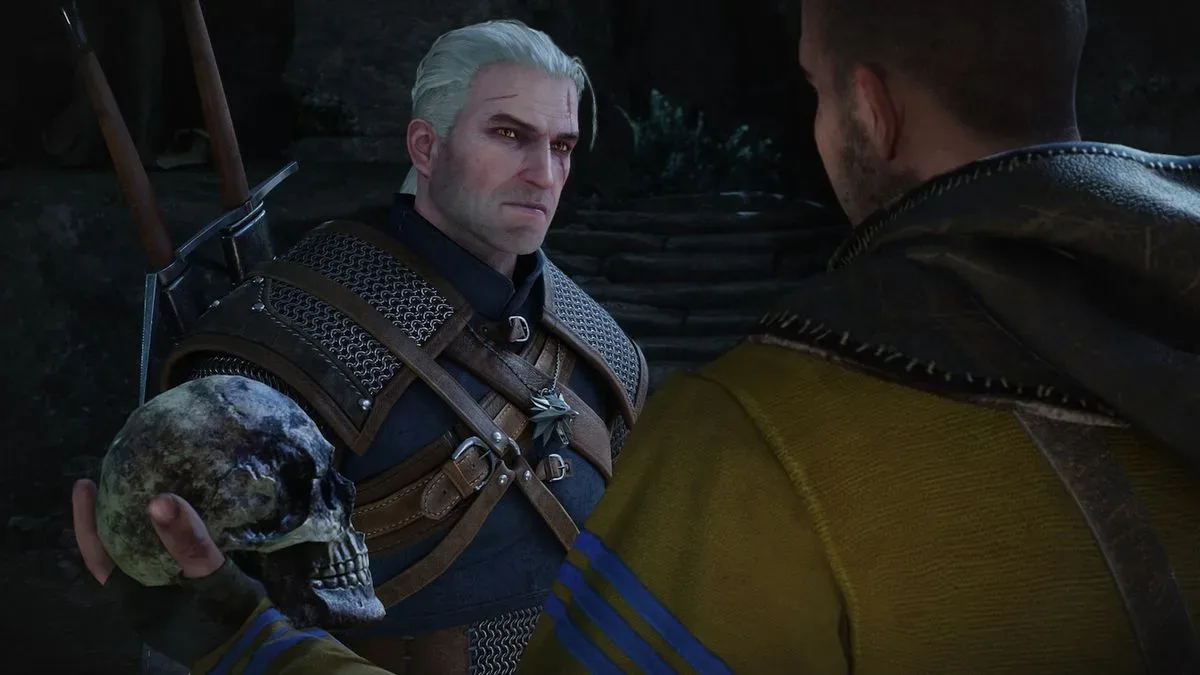
Geralt is central to why these stories work so well. His dry pragmatism and established identity give the narrative a foundation, but the game also finds room for him to grow--particularly through his role as a father figure. The main story carries weight, yet the side quests are equally crucial to the game's reputation. Small assignments frequently unfold into memorable tales of loss, desperation, folklore, or bitter irony, and they often feel naturally connected to the places and people around them rather than detached filler.
Both expansions are included, and they remain essential parts of the complete experience. Hearts of Stone is a sharp, intimate story about regret, bargains, and redemption. Blood and Wine offers a contrasting vision of longing, violence, and the possibility of peace in the vibrant land of Toussaint. Together, they make an already huge RPG feel even more thematically complete.
Progression finally has clearer direction
The most meaningful mechanical improvement is the reworked skill system. The original progression design could feel awkward and opaque, with its grid-like presentation doing little to communicate how abilities related to each other or how a player might construct a focused build. The remaster replaces that clutter with a more recognizable skill-tree structure, immediately giving advancement a clearer sense of direction.
That visual clarity is supported by broader balancing work. Skill bonuses and synergies have been adjusted, and the overall system does a better job of encouraging experimentation. It is easier to shape Geralt around a preferred approach, whether that means emphasizing swordplay, Signs, alchemy, bombs, or potions. The game's RPG systems now feel more accommodating of deliberate character planning instead of asking players to wrestle with an unwieldy interface.
This does not turn the game into an entirely different kind of RPG. It simply makes its existing possibilities easier to understand and more rewarding to pursue. For a game built around a long journey and dozens of hours of growth, that is a major improvement.
More immediate combat, less friction everywhere else
Combat has received smaller but still welcome refinements. A new Modern camera sits closer to Geralt and gives fights a more forceful, physical presentation. The change makes clashes feel like crunchier brawls, a perspective that suits the tone of a professional monster hunter moving through dangerous territory. New Sign effects, finishers, and idle animations add variety without drawing excessive attention to themselves.
Enemy behavior has also been adjusted, helping battles feel somewhat more active and challenging. These revisions do not suddenly make The Witcher 3's combat an all-time genre leader. Its fundamentals remain recognizable, including some of the familiar limitations of its swordplay. However, the revised camera and animation work make encounters more dynamic, and the game now presents its action with greater confidence.
Elsewhere, the most impressive changes are the ones that reduce friction. Climbing is less cumbersome. Quest tracking is easier to follow. Witcher Senses are clearer. Retreating from combat is simpler. Horseback movement is less aggravating, including the removal of an especially notorious tendency for Roach to snag on trees and terrain. None of these changes alone define the remaster, but together they make a real difference over a campaign that can easily consume more than 100 hours.
The menu overhaul deserves similar praise. The interface is simpler to navigate, and the codex in particular is no longer such a chore to browse. That may sound like a modest win, but a game with this much lore, so many characters, and countless readable documents benefits enormously from making its information easier to access.
PC performance and platform context
The PC edition shows the clearest caveat in this otherwise polished package. Some slowdowns can occur in especially busy scenes and during combat encounters. They are not presented as a constant problem, but they can interrupt the benefits of the enhanced visuals when they appear. Performance improvements have been promised, so this is an area that may improve after launch.
For now, the issue is worth keeping in mind for players who prioritize completely consistent technical performance. It does not overwhelm the experience, but it is the most notable rough edge in a release specifically designed to remove old frustrations. On the whole, the updated presentation remains a net positive, especially when viewed alongside the broader design and usability upgrades.
Who should return to the hunt?
This is an easy recommendation for newcomers who have somehow missed one of modern RPG gaming's defining adventures. The remaster offers a more approachable version of the game without compromising the scale, personality, or ambiguity that made it special. Players who were previously intimidated by its age, menus, or rougher systems have a better entry point than ever.
Veterans have perhaps the most to gain if they have been considering another trip across the Continent. The essential narrative remains familiar, but the revised progression, smoother interfaces, improved exploration, and enhanced world presentation add up to more than a superficial coat of paint. It feels like a game that has been allowed to learn from the years since its original release.
Final takeaway
The Witcher 3: Wild Hunt Remastered demonstrates how a remaster can be more ambitious than a resolution bump and a few prettier textures. It keeps the original game's towering strengths--its world, writing, characters, expansions, and deeply memorable quests--while addressing the systemic annoyances that could wear down even devoted players.
There are still imperfections. Some updated character visuals are awkward, PC performance can falter in demanding moments, and combat has been improved rather than fundamentally transformed. But the larger accomplishment is undeniable. This is a more elegant, more readable, and more pleasurable version of an RPG that was already exceptional. Geralt's greatest adventure has never been better prepared for another long journey.
Community
Discussion
Start the conversation.
No comments have been posted yet.