

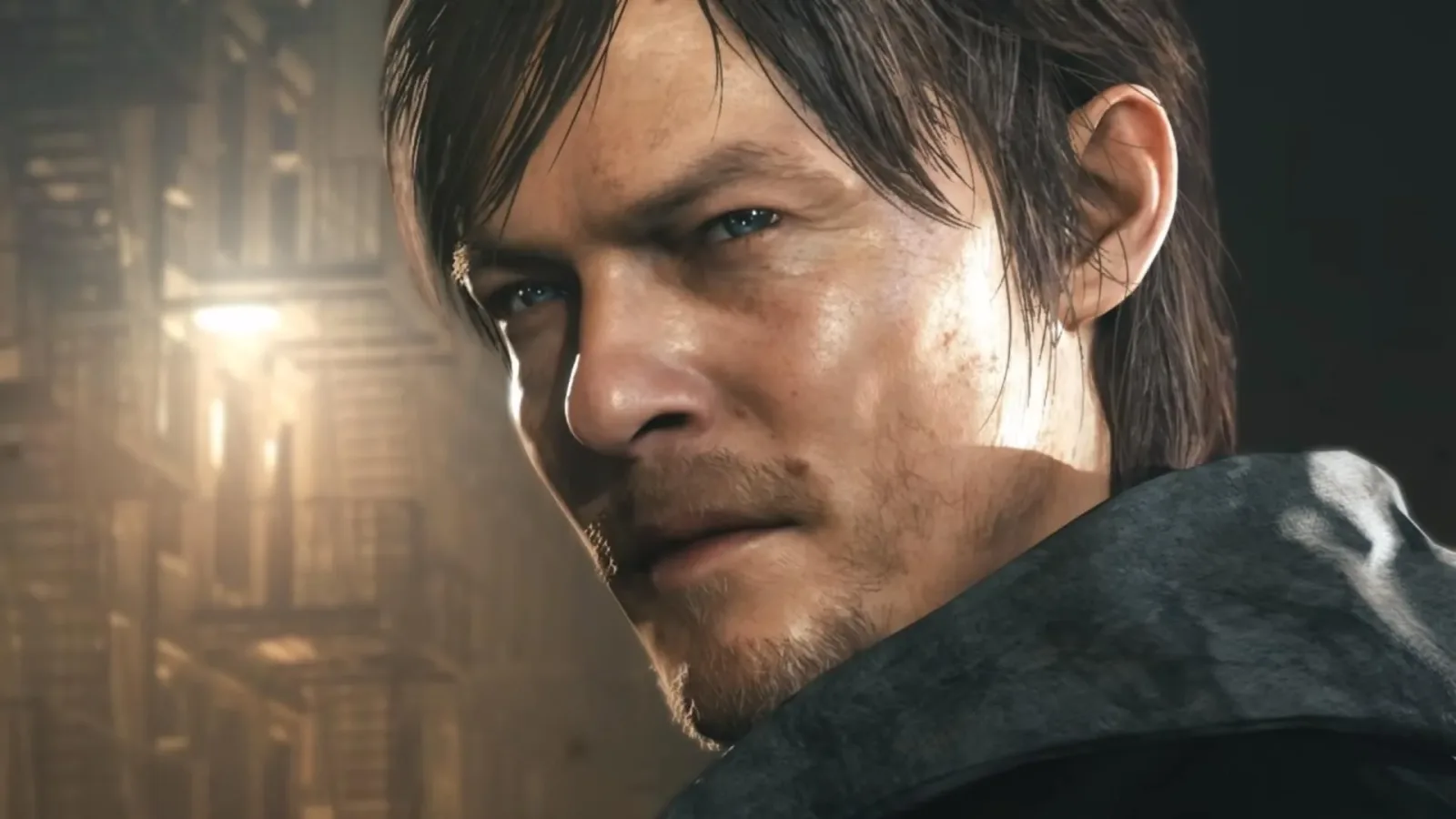
Hideo Kojima has publicly acknowledged a fan-made native PC port of P.T., the long-delisted PlayStation 4 teaser once intended to introduce Silent Hills. The project, created by modder LoreanXavier, is being hailed by preservation-minded fans and technical observers as a notably faithful way to run the infamous horror experience on modern PCs--provided players can supply their own copy of the original game data.
The recognition is significant because P.T. has occupied an unusual place in game history since it disappeared from the PlayStation Store in 2015. Although the teaser remains installed on a limited number of PS4 consoles, it has not been officially reissued, making legitimate access increasingly dependent on hardware that retained the download. The new PC work does not include the teaser's original assets, but instead is designed to use files from a copy users already possess.
Kojima shared coverage of the project through both his English-language and Japanese-language social accounts. For LoreanXavier, that unexpected signal from the creator associated with P.T. and the cancelled Silent Hills was a huge personal moment. The modder said they were "speechless," adding that having Kojima notice something made through so much spare-time effort and passion meant a great deal.
Embedded X/Twitter post
A Different Kind of P.T. PC Project
There have been many attempts to bring the looping nightmare of P.T. to PC over the last decade. Most have taken the form of recreations: projects that rebuild its narrow suburban hallway, shifting supernatural events, radio broadcasts, puzzles, and famously unsettling atmosphere using newly made code and replacement or recreated elements. Some of those efforts have been impressive, especially considering that the original was no longer readily available. But recreating a game is not the same as preserving how the original behaves.
For useful background on this topic, read Arc Raiders Team Defends Slower Update Plans as It Prepares Frozen Trail.
LoreanXavier's work is being discussed differently because it appears to be a native port based on reverse engineering of the original software rather than a conventional remake. The goal is to make the game's own logic function on PC. That distinction matters for a teaser as densely studied as P.T., where minor details can change the effect: obscure triggers, timing, environmental behavior, sound cues, puzzle conditions, and the exact order in which the corridor's repeating loops start to bend reality.
Noted dataminer Lance McDonald praised the release as an apparent one-to-one port of the complete codebase. McDonald said the project reproduced the undocumented behavior he knew about correctly, unlike many fan recreations over the previous decade that missed smaller but meaningful elements. That is strong praise for any reverse-engineering project, and particularly for a release surrounding a work whose mysteries have been scrutinized by players for years.
In practical terms, the approach resembles other modern recompilation efforts that have enabled older console games to run on PC. Such projects rebuild or adapt original console code so that it can operate in a different environment, rather than distributing a ready-made commercial game package. The compatibility work can be immensely technical, but its preservation value can be equally substantial when official access has vanished.
Players Must Bring Their Own Game Files
A key limitation is also one of the project's most important legal and ethical boundaries: the native PC port does not come with P.T. itself. No original game assets are bundled. Users must provide their own copy of the teaser's files for the port to work.
That requirement means the project does not suddenly make P.T. available to everyone who missed it during its original PlayStation Store run. Obtaining files remains the central barrier, and the project should not be confused with an official re-release or an authorized PC edition. Nevertheless, for people who already have access to the original data, the port could offer a new route to experience and preserve it outside the shrinking pool of PS4 systems that still have it installed.
LoreanXavier described the project as an independent spare-time effort motivated by the belief that P.T. deserved to survive somewhere beyond consoles that happened to keep the installation. The creator says the port covers the teaser from the initial wake-up sequence through to the final street section, including the voice portion.
That completeness is important. P.T. is brief, but its impact relies on a carefully controlled arc. Players begin in what seems like an ordinary hallway and repeatedly return to the same location, only for each pass to add new details, disturbances, and escalating threats. By the time the teaser ends, it has transformed from a cryptic demo into one of the most widely remembered horror releases of its era.
Creator Addresses AI Use and Reverse-Engineering Experience
The project has also prompted discussion about how it was made at a time when AI-assisted development is increasingly debated across game communities. LoreanXavier said AI was used for debugging when they became stuck, but pushed back against the idea that the port was simply produced through uncritical "vibe coding."
According to the creator, the work rests on years of experience with both P.T. and Konami's Fox Engine. LoreanXavier previously made shadPS4 and ModDB-related workarounds for the game, experience they say made the reverse-engineering process more manageable. That context helps explain why this project is attracting attention as a technical preservation effort rather than just another atmospheric imitation of the original teaser.
The distinction does not remove every question surrounding fan-made preservation work. Rights holders still control the underlying property, and no public acknowledgement from an individual creator should be interpreted as formal approval, licensing, or permission from Konami. Kojima's social-media share is meaningful to the modder and to fans, but it does not change the ownership status of P.T. or Silent Hill.
Why P.T. Still Matters More Than a Decade Later
P.T.--short for "Playable Teaser"--was released in 2014 as a mysterious free download. Its true purpose was revealed only after players completed its cryptic challenges: it was a teaser for Silent Hills, a proposed collaboration involving Kojima, filmmaker Guillermo del Toro, and actor Norman Reedus. The project was later cancelled, and the teaser was removed from the PlayStation Store the following year.
The delisting turned a free digital teaser into an artifact defined by absence. Console owners who had kept it installed possessed a piece of interactive horror history that others could not easily revisit. Its cultural influence, however, never faded. The first-person domestic-horror style it popularized can be felt across countless games, while its trailer-like reveal and carefully orchestrated internet mystery remain landmarks in how game announcements can capture public imagination.
That history makes preservation especially complicated. Unlike a cartridge or disc, a delisted digital work can disappear from ordinary storefront access without physically vanishing from every machine. But as consoles age, storage fails, accounts change, and hardware becomes harder to maintain, the number of functioning installations can decline. A faithful port that depends on owner-supplied files cannot solve every access problem, yet it demonstrates why technical preservation efforts remain important.
Silent Hill Is Active Again, but P.T. Remains Apart
The wider Silent Hill series is in a far more active position than it was for much of the last decade. Konami has renewed its interest in the franchise after multiple successful modern releases, and the company has indicated an ambition to make Silent Hill an annual series. New games can bring fresh audiences into the fold, but they do not replace the peculiar legacy of P.T..
For many players, the teaser remains inseparable from the unrealized promise of Silent Hills. It is both a standalone horror experiment and a glimpse at a game that never arrived. That combination has kept it in the conversation long after its original download window closed.
Kojima's acknowledgement does not answer the larger questions surrounding whether P.T. could ever receive an official return. What it does provide is a rare moment of recognition for a fan project focused on keeping a difficult-to-access work technically alive. For LoreanXavier, it is validation from one of the figures most closely connected to the teaser's legacy. For preservation advocates, it is another reminder that the games most in danger of being lost are often not the oldest ones, but the digital releases that were never given a lasting path to exist.
Community
Discussion
Start the conversation.
No comments have been posted yet.