


Kick, the cozy side-scrolling adventure from solo developer nospacelost and publisher Shoreline Games, has launched on Steam. Released on November 3, 2026, the game follows The Kid through a Japanese-inspired world shaped by the small but memorable routines of childhood: taking a ball along for the walk to school, trying to make a train, finding a faster way through town, and attempting to arrive before the bell rings.
Rather than presenting football as a stadium sport or a competitive league pursuit, Kick builds its premise around the everyday relationship between a child and a ball. The journey to school becomes the game's central adventure, with streets, beaches, parks and underpasses serving as spaces to explore, navigate and turn into impromptu places to practise. The result is positioned as a slice-of-life experience with platforming-style progression, ball-control challenges and a deliberately relaxed atmosphere.
The Steam launch arrives after the game appeared in showcases and released a demo that helped introduce its gentle approach and distinctive setting. A launch-day trailer accompanied the release, giving players another look at its animated world and the school-bound adventure at its centre.
A School Run Built Around Ball Skills
Kick's structure is rooted in movement through familiar public spaces. Players guide The Kid through a town where getting from one place to another is not simply a matter of holding forward. Ball skills are part of the route, and learning how to use them is tied to overcoming obstacles and completing challenges found along the way.
For useful background on this topic, read Slumber Realm Brings 90s Bedroom Nostalgia and Dice-Build Roguelike Runs to Steam on November 4.
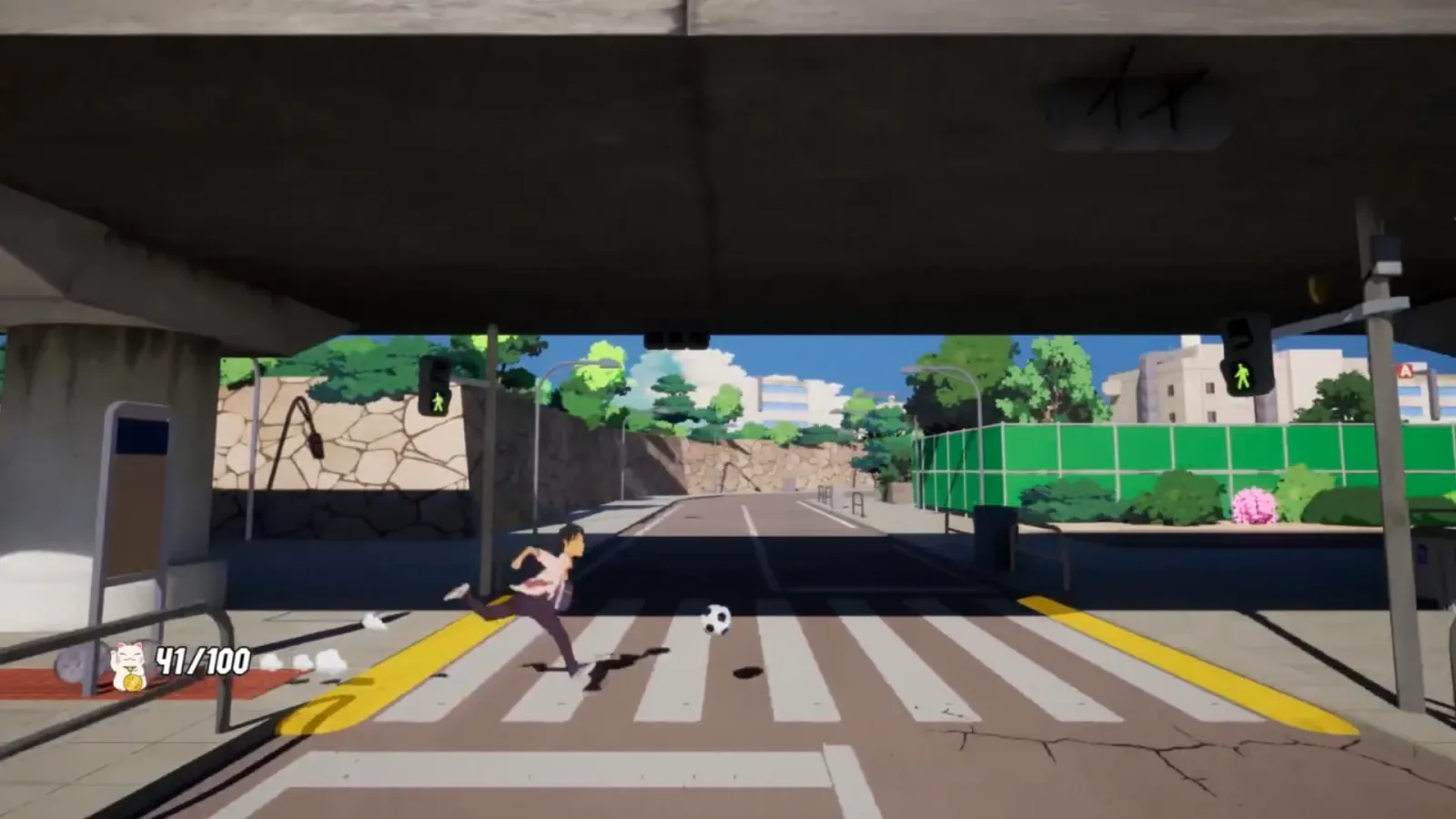
The game includes 23 levels, each designed with its own mix of hazards and possibilities. That distinction is important to the overall concept. The levels are not described merely as courses to clear; they are places where players can experiment with routes, look for useful openings and decide how to approach the trip. A beach, a busy street or an underpass can all become part of a route toward school, while also offering a different kind of problem to solve with the ball.
Football actions sit at the heart of this exploration. Players practise their abilities with the ball and put those techniques to use in challenges throughout the game. The focus appears to be on the playful side of the sport: the habits of keeping a ball close, attempting tricks and treating the walk to school as an opportunity to get one more touch in before the day begins.
That framing gives Kick a different rhythm from a conventional sports game. There is no suggestion that it is about managing a club, winning a tournament or facing a formal match structure. Its football identity instead comes from the tactile pleasure of ball control and from the memories associated with carrying a ball through a neighbourhood, looking for a safe place to kick it around and making games out of ordinary travel.
Timed Challenges Are Optional
Although Kick is described as cozy, it does include moments intended to test players' execution. Certain levels are timed, creating pressure to get through the environment efficiently and make the most of available routes. Catching trains and beating the school bell provide natural stakes for the school-day premise, and those scenarios can add urgency to an otherwise easygoing journey.
However, the game also includes an accessibility-minded option for players who would rather not race the clock. Timers can be disabled, allowing timed stages to be approached without the same pressure. This lets players set their own pace, whether they want to master a fast route or spend more time taking in the environment and looking around for secrets and collectibles.
That choice is especially fitting for a game whose appeal seems to rest on the texture of daily life as much as challenge. A hurried dash to class may be a recognizable childhood scenario, but so is wandering through a neighbourhood, practising with a ball and noticing alternate paths that might have been missed during a faster run. By separating the timer from the rest of the level experience, Kick leaves room for both approaches.
Routes Through a Japanese-Inspired Town
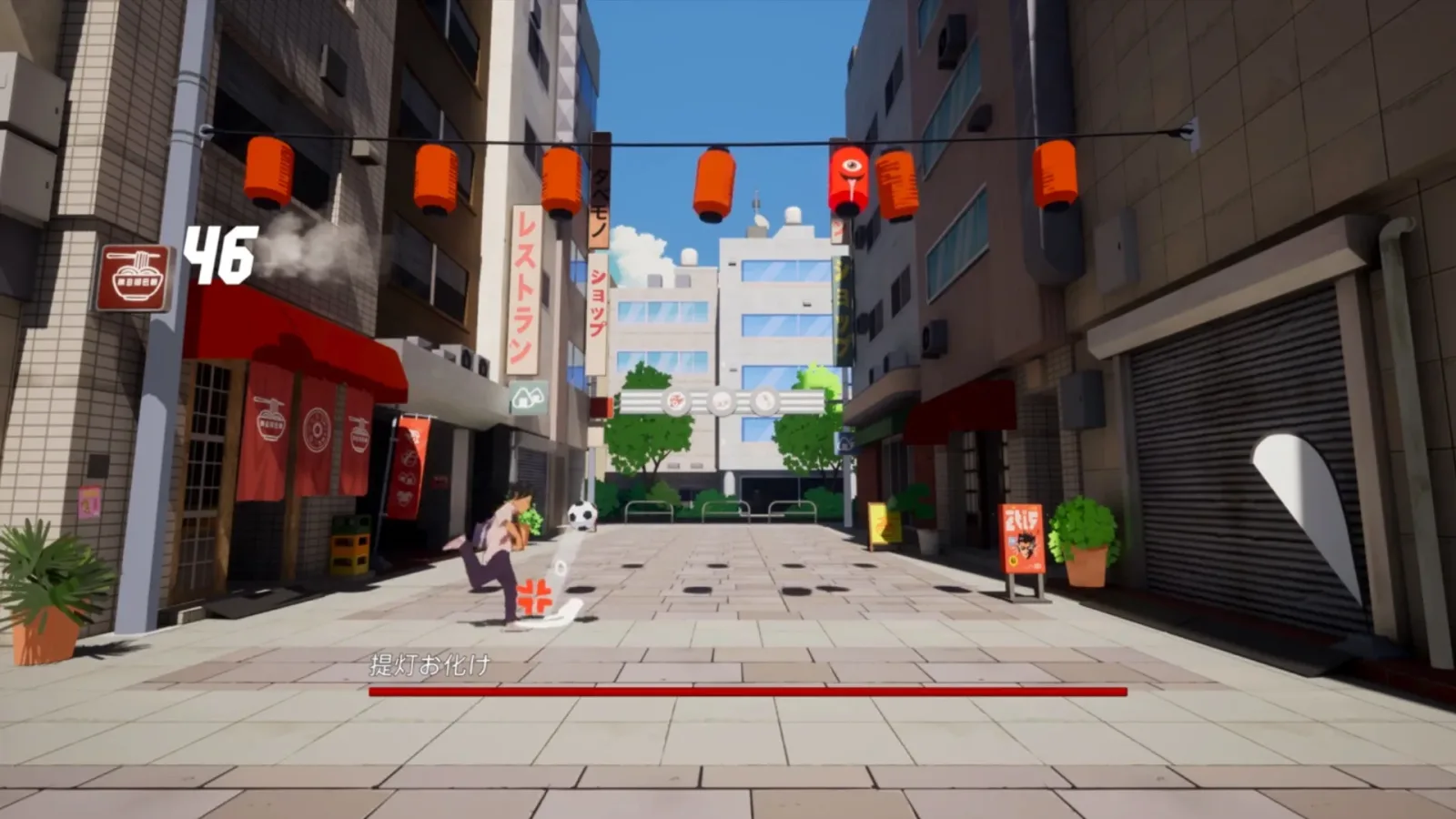
The setting is one of Kick's defining features. Its world is Japanese-inspired and built around locations that feel grounded in a child's daily surroundings rather than in a fantastical quest map. Players travel across bustling streets, beaches, underpasses and parks, with shortcuts hidden among these spaces.
Shortcuts are a natural match for the game's school-run premise. The question is not only whether The Kid can reach the destination, but whether a faster or more interesting way exists. Discovering an alternate route can be rewarding in itself, particularly in a level designed around a ticking timer, but it also supports repeat play. Players who finish a stage once may return with a better understanding of its layout and a new idea of where an efficient path could be.
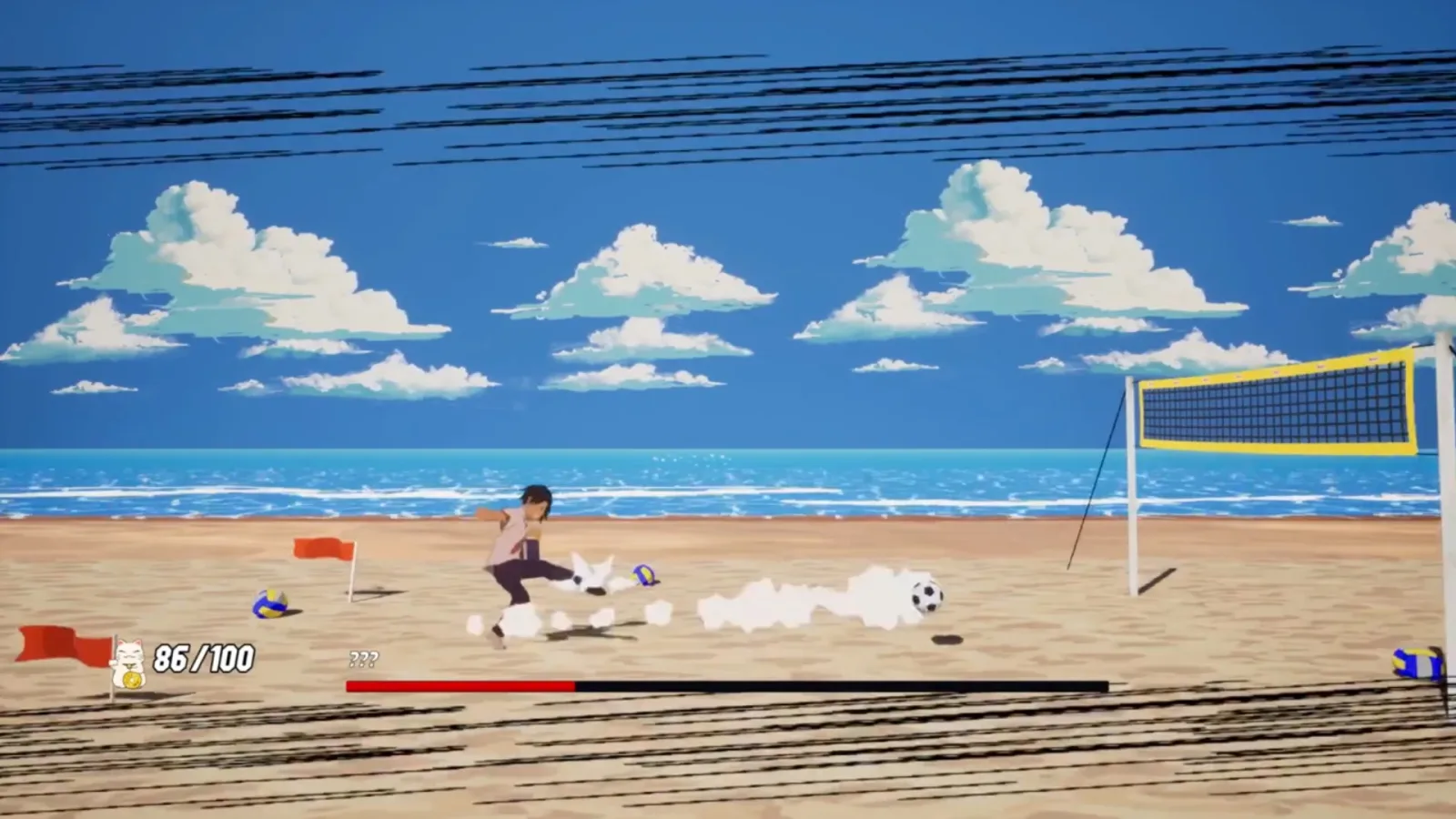
The locations also create variety without moving away from the core everyday theme. A park can support open movement and ball practice, while an underpass may present a more enclosed route. Streets bring the energy of the town into the journey, and the beach offers a contrasting setting for a level. Together, these places turn a routine trip into a sequence of small adventures while keeping the world connected to the perspective of a child on the way to school.
Shoreline Games CEO Keith Kawamura said the team had enjoyed seeing interest in Kick build over the year through showcase appearances and the response to its demo. He highlighted the particular appeal of the world created by nospacelost and expressed excitement that players can now experience it in full.
For nospacelost, the release marks the end of a long development process focused on bringing both Kick and The Kid's journey to completion. The developer said that sharing the finished game is a significant moment after spending so much time building that journey.
Coins, Ball Skins and Flags to Collect
Alongside its level progression, Kick includes collectibles and cosmetic rewards. Players can gather coins throughout the game, then use them to unlock different ball skins and flags. The flags appear within the game world, while the ball skins give players a way to personalize the object that remains central to nearly every part of the adventure.
These unlocks support the game's playful tone without changing its fundamental focus. The ball is not just equipment for isolated challenges; it is part of The Kid's identity and of the moment-to-moment journey. Giving players visual customization for it makes sense in a game where kicking, carrying and practising with the ball are so closely tied to movement through the world.
Collecting coins can also encourage closer attention to each level. With 23 stages featuring their own hazards and opportunities, players who want all of the cosmetic options may have a reason to explore routes more thoroughly rather than simply pursuing the quickest finish. The presence of flags further gives the journey a visible record of what has been unlocked.
A Different Kind of Football Game
Kick arrives at a time when football games are often defined by licensed teams, online competition, card collecting or high-level simulation. Its perspective is much smaller and more personal. The game looks back toward the feeling of childhood play, when a football could make a commute, a park visit or a trip through the neighbourhood feel more exciting.
That does not mean the game abandons challenge. The timed levels, environmental hazards and skill-based tasks ensure there is a gameplay backbone beneath the laid-back presentation. But its design makes clear that difficulty does not have to be the only reason to engage with a level. Players can disable timers, seek shortcuts, chase cosmetics or simply enjoy progressing through the town at their own speed.
For players looking for a football-flavoured game outside the usual competitive formats, Kick's Steam release offers a notably intimate alternative. It is a side-scrolling school-day adventure built from small goals: get the ball under control, make the train, find a better route and, ideally, reach school before the bell. With its Japanese-inspired spaces, 23-level campaign and optional timing pressure, it aims to make those ordinary moments feel worth revisiting.
Kick is available now on Steam for PC.



Community
Discussion
Start the conversation.
No comments have been posted yet.